Village of Parks on Biscayne Bay
Welcome to Palmetto Bay, a leafy incorporated village in Miami-Dade County where Biscayne Bay, the historic Deering Estate, and a network of village parks define everyday life.
Palmetto Bay is an incorporated village in southern Miami-Dade County, Florida, set along the western shore of Biscayne Bay within the greater Miami metropolitan area. Roughly 24,000 people live within its boundaries, which include the former census-designated communities of Cutler and East Perrine, both absorbed when the village incorporated in 2002. The village markets itself as the 'Village of Parks,' a reflection of its dense network of neighborhood green spaces and its commitment to preserving the area's subtropical, old-Florida character. The community's defining landmark is the Deering Estate, a 444-acre preserve on Biscayne Bay built around the 1922 Stone House and the 1896 Richmond Cottage. The property protects one of the largest remaining virgin coastal tropical hardwood hammocks in the continental United States and serves as a museum, nature center, and cultural venue, anchoring Palmetto Bay's identity as a place where history and the natural environment sit at the center of daily life. Palmetto Bay's residential character is distinctly suburban. The village is known for mature, tree-shaded single-family neighborhoods with larger lots and established landscaping, many of them dating to the mid-20th century, alongside more recent custom rebuilds on established streets. Two major north-south corridors, US 1 (South Dixie Highway) and the canopy-lined Old Cutler Road, frame the community, while Biscayne Bay and the village's canals and parks provide a waterfront dimension. The village combines the convenience of Miami-Dade living with a quieter, family-oriented pace. It sits south of the urban core, with commuter bus links to the Dadeland South Metrorail station connecting residents to the county's transit network, and it benefits from the schools, shopping, and employment centers of the surrounding South Dade area.
Palmetto Bay is an incorporated village in southern Miami-Dade County, Florida, part of the Miami metropolitan area. It lies along Biscayne Bay, south of the Kendall and Pinecrest areas and north of Cutler Bay.
Palmetto Bay is known as the 'Village of Parks' for its network of neighborhood parks and green space. It is also recognized for the Deering Estate, a 444-acre preserve on Biscayne Bay, and for the historic communities of Cutler and East Perrine that formed the village.
Palmetto Bay is served by Miami-Dade County Public Schools. Local schools include Palmetto Elementary School, Dr. Henry E. Perrine Academy of the Arts, and Miami Palmetto Senior High School, along with a number of private and charter options.
Palmetto Bay does not have its own Metrorail station. The nearest station is Dadeland South, the southern terminus of the Metrorail Green Line, and the village operates a local circulator bus and Park-N-Ride linking commuters to it.
The Deering Estate is a 444-acre coastal preserve on Biscayne Bay built around the 1922 Stone House and the 1896 Richmond Cottage. It protects one of the largest remaining virgin coastal tropical hardwood hammocks in the continental United States and hosts museum tours, arts programs, and kayak outings.
Palmetto Bay was formed from two earlier census-designated places, Cutler and East Perrine. Cutler is associated with the historic bayfront and the Deering Estate along Old Cutler Road, while East Perrine grew along US 1.
City Guide
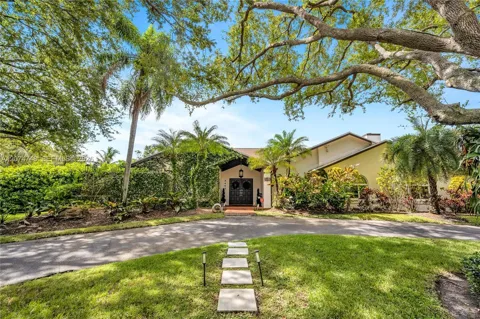
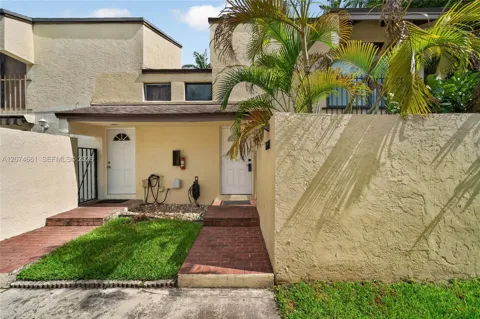
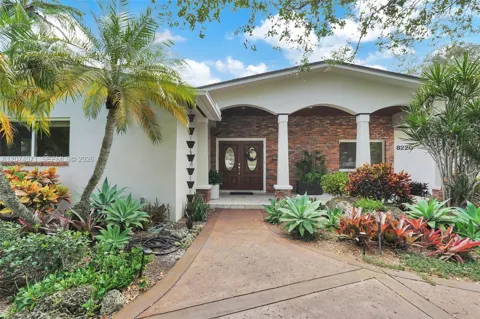
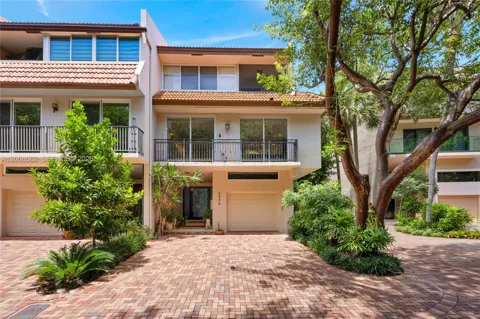
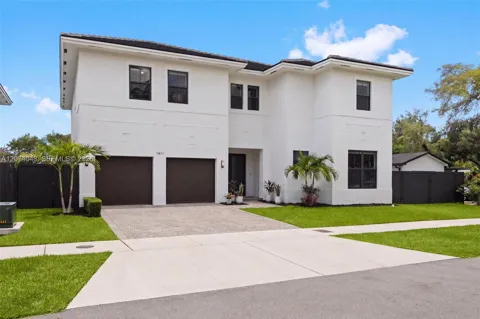
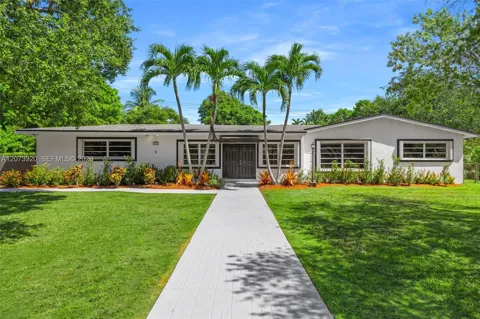
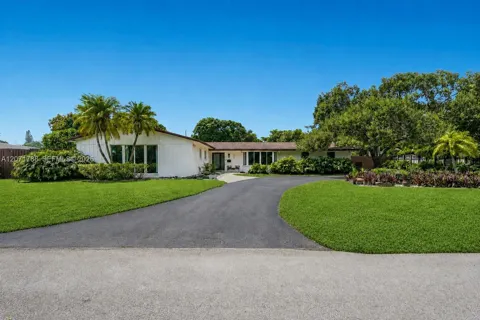
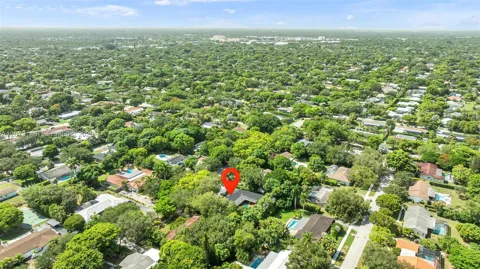
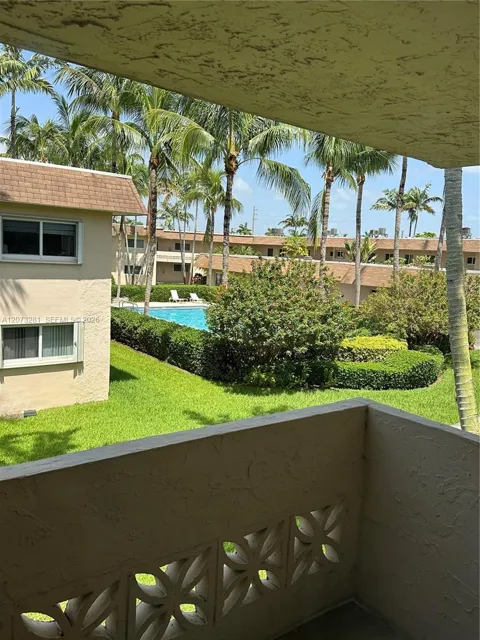
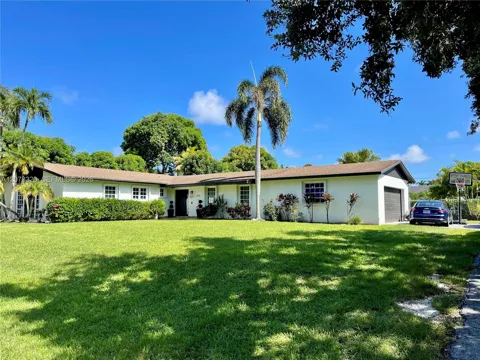
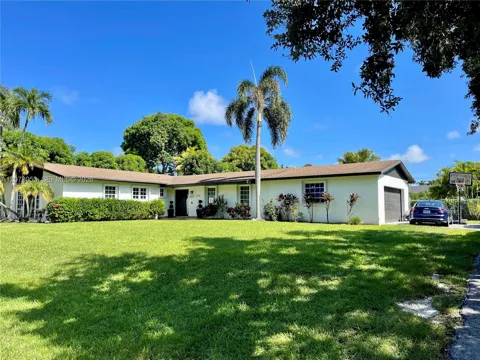
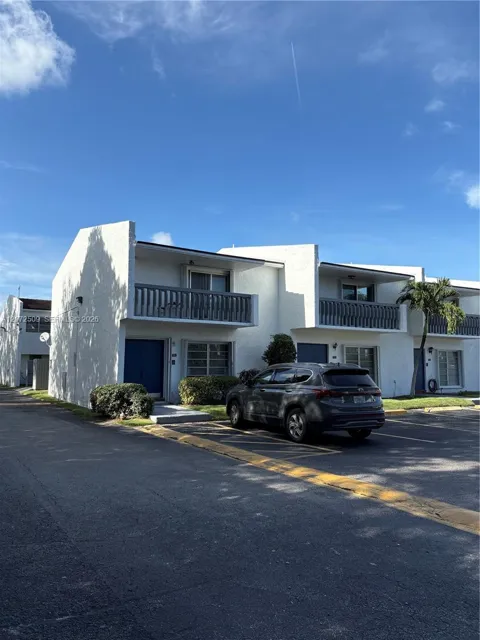
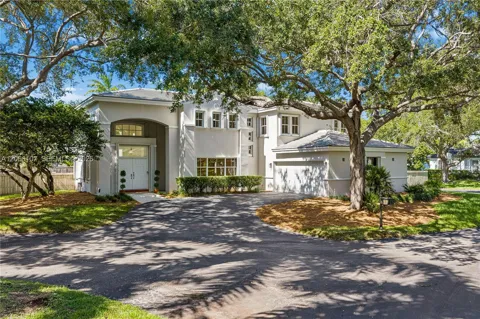
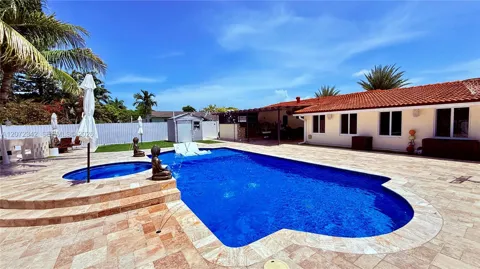
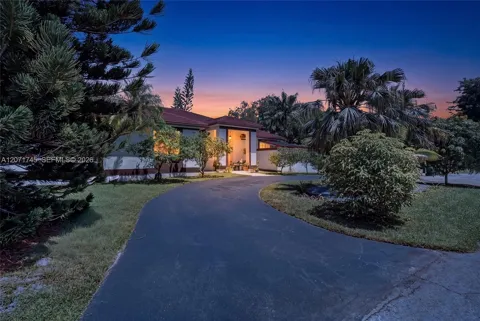
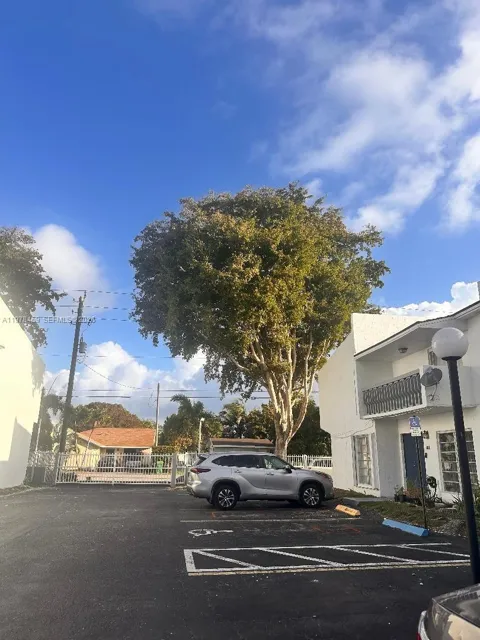
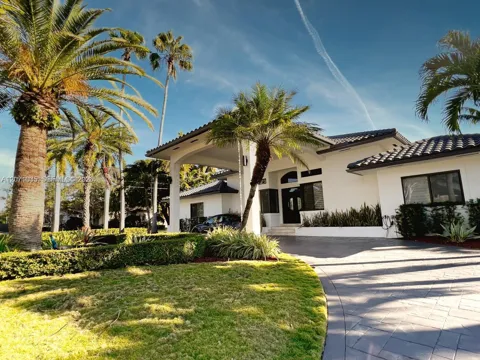
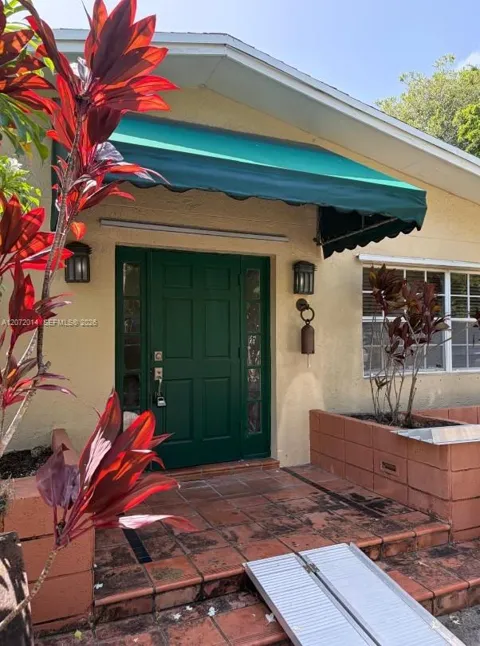
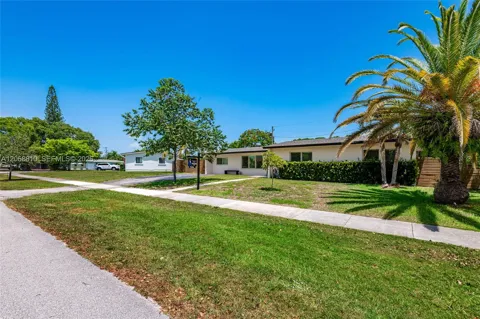
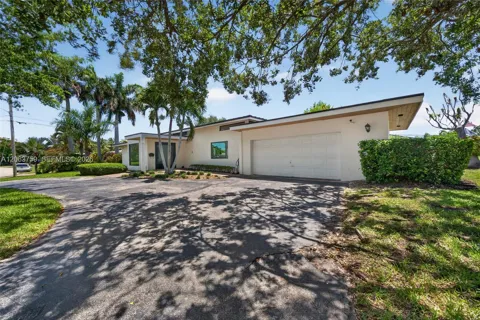
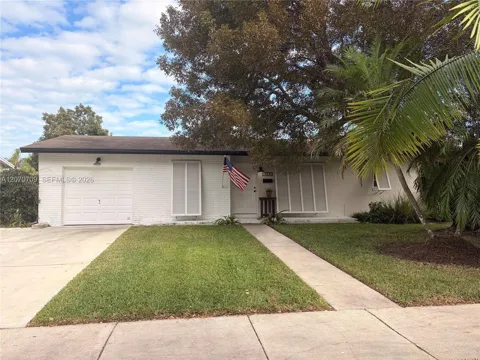
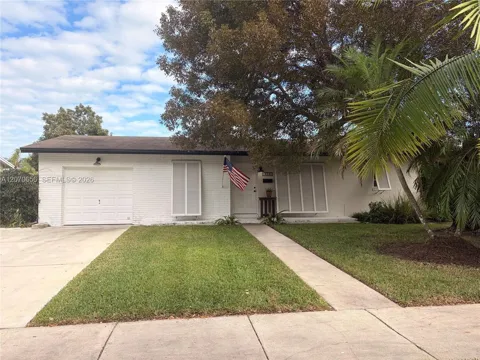
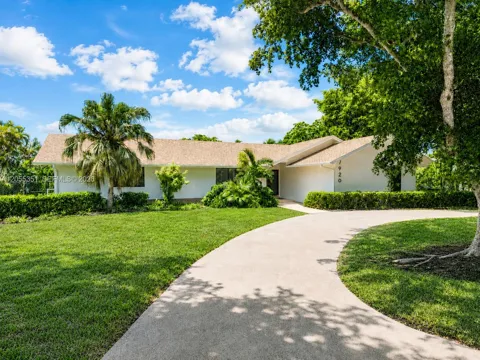
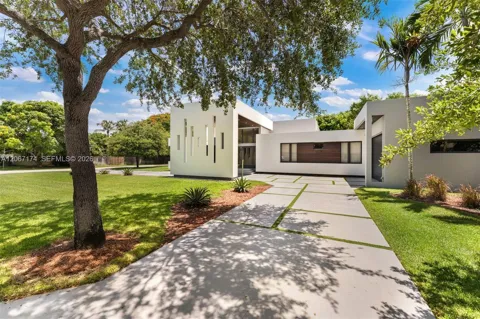
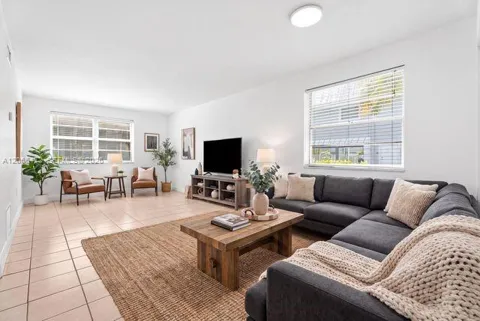
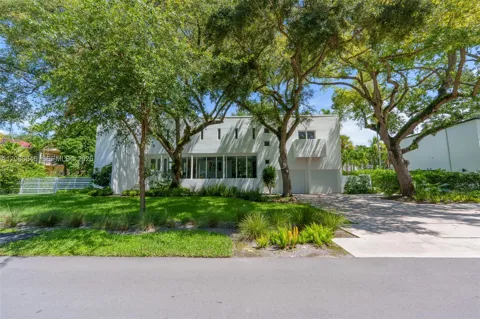
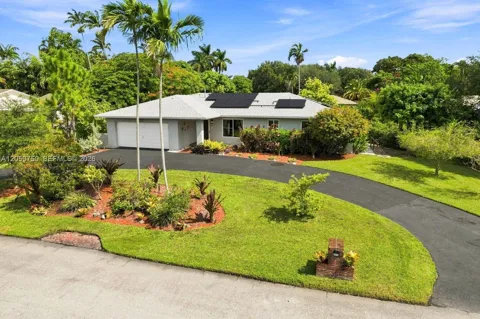
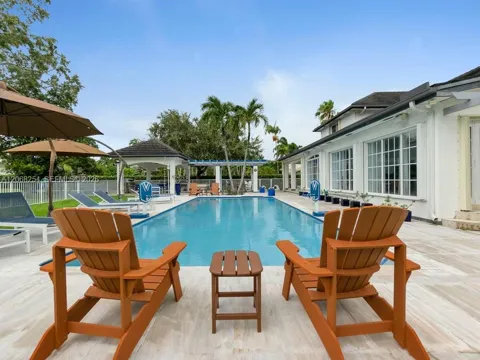
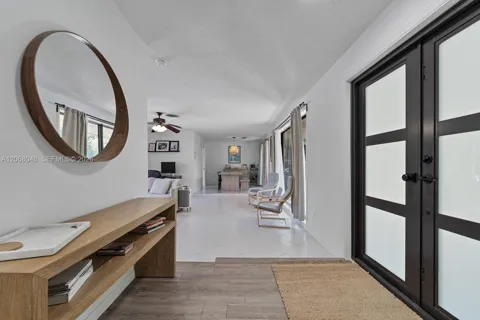
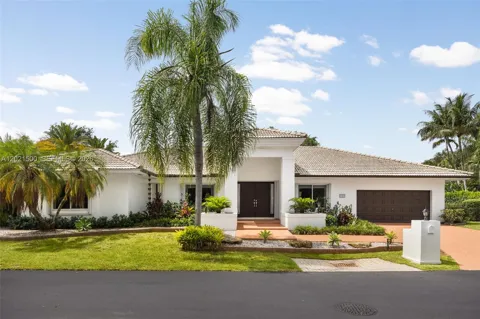
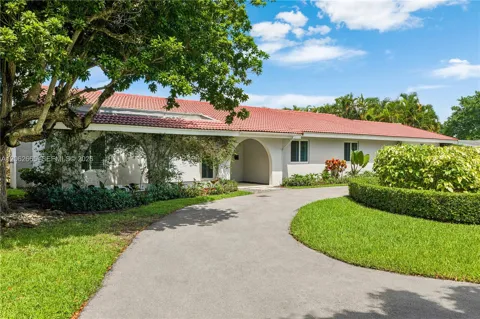
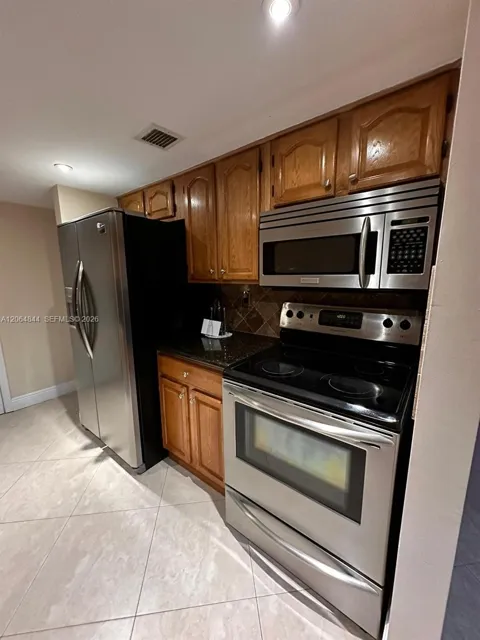
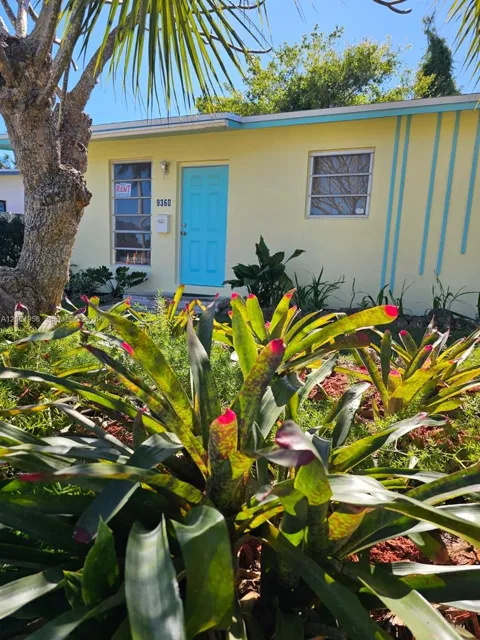
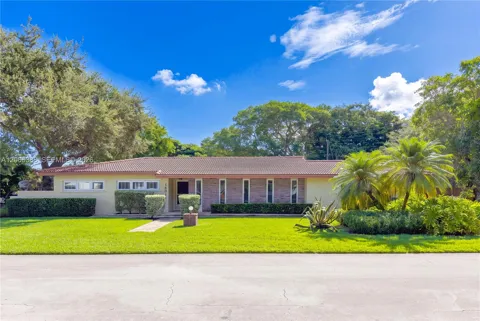
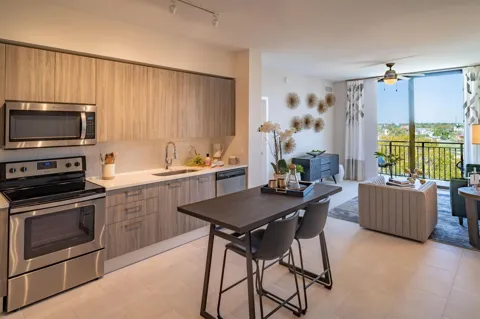
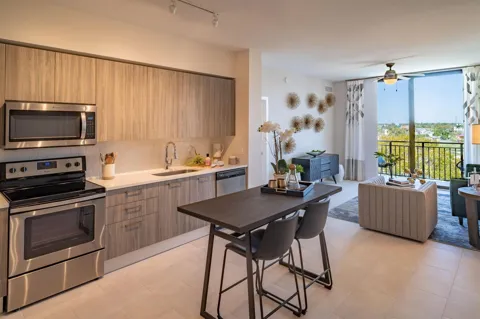
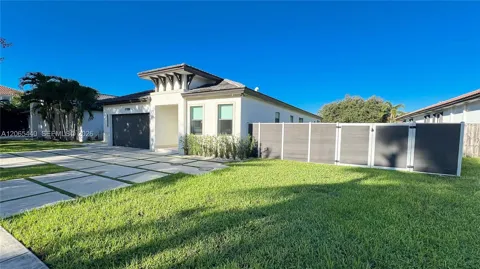
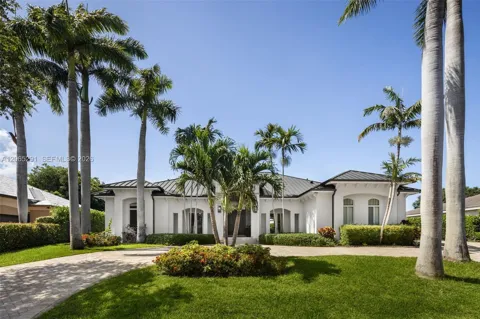
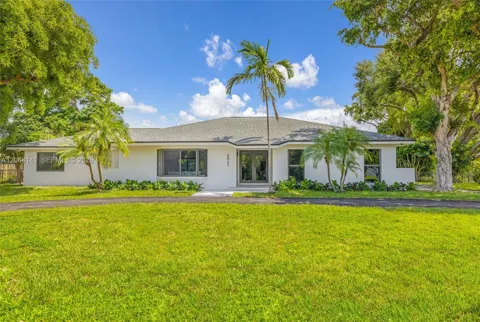
Palmetto Bay's housing stock is dominated by single-family homes, many built in the mid-20th century and set on larger, maturely landscaped lots. Streets are typically quiet and tree-lined, and the village's older homes have increasingly been joined by custom rebuilds and renovations on established parcels. Condominiums and townhomes appear in a smaller number, particularly near the commercial corridors, while waterfront and canal-front properties along Biscayne Bay represent the community's most distinctive addresses. The Palmetto Bay Village Center, an 80-acre office campus on Old Cutler Road with a nature preserve and bay views, adds a commercial anchor. Overall, the housing stock skews toward established, spacious suburban living rather than dense new development.
Palmetto Bay formed from two earlier communities, Cutler and East Perrine, and those historic identities still shape the village's geography. The Cutler area, associated with the Deering Estate and the older bayfront along Old Cutler Road, retains much of the area's pioneer and estate heritage. East Perrine, to the east along US 1, grew around early farming and the railroad. Modern Palmetto Bay is also commonly described in terms of its subdivisions and residential pockets, from bayfront and canal-front streets to inland, tree-shaded blocks. Rather than a single downtown, the village is organized around its parks, schools, and the Old Cutler Road and US 1 corridors.
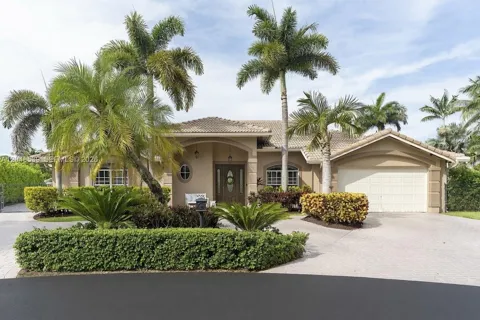
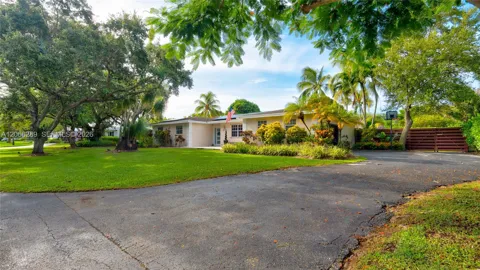
Life in Palmetto Bay revolves around the outdoors and community institutions. The 'Village of Parks' designation reflects a system of neighborhood parks, playgrounds, and green spaces that residents use year-round. The Deering Estate hosts museum tours, nature walks, arts programming, and nighttime kayak outings on Biscayne Bay, making it the community's cultural and ecological hub. Family-oriented events, recreational programs, and active civic life give the village a close-knit feel unusual for a Miami-Dade suburb. Dining and shopping are distributed along US 1 and in nearby Kendall, while the village itself retains a low-key, residential atmosphere.
Palmetto Bay is served by Miami-Dade County Public Schools, one of the largest districts in the nation. Local schools include Palmetto Elementary School, Dr. Henry E. Perrine Academy of the Arts, and Miami Palmetto Senior High School, a well-regarded high school whose campus serves much of the surrounding area. The village also hosts a number of private and charter options, including Palmetto Bay Academy and Sunrise School of Miami. Families frequently cite the quality and proximity of local schools as a central reason for settling in the village.
Palmetto Bay is framed by two north-south arteries: US 1 (South Dixie Highway), the area's main commercial and commuter corridor, and Old Cutler Road, a scenic, canopy-lined route that follows the bay. The village operates a local circulator bus that connects to the Dadeland South Metrorail station, the southern terminus of the Metrorail Green Line, and a Palmetto Bay Park-N-Ride provides a link to county transit. This places downtown Miami and the Brickell area within reach by a combination of bus and rail. For air travel, Miami International Airport is accessible via the Palmetto Expressway and the county road network.
The Deering Estate is Palmetto Bay's premier outdoor and cultural destination: a 444-acre coastal preserve with eight ecosystems, museum tours, art exhibits, and kayaking on Biscayne Bay. The village's 'Village of Parks' network provides playgrounds, sports fields, and green space throughout its neighborhoods, supporting youth sports and community events. Residents also use the bay and the village's canal system for boating, paddling, and fishing. Nearby regional attractions, including Biscayne National Park and the wider South Dade park system, extend the outdoor options well beyond the village's own borders.
MARKET SNAPSHOT
How homes have been selling here over the last 90 days.
Market data reflects closed sales over the last 90 days and is provided for informational purposes.
BROWSE BY ZIP
Browse listings by postal code in this area.