Gateway to Latin America
Listings in Miami, FL
Welcome to Miami, the Miami-Dade County seat where Biscayne Bay, a Latin American cultural crossroads, and a global finance hub converge on Florida's southeastern coast.
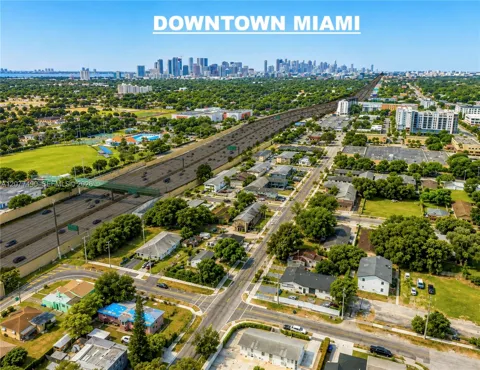
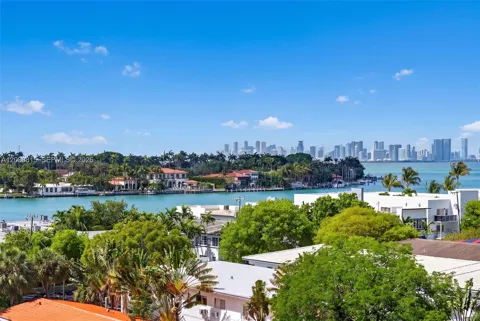
Miami anchors the southeastern corner of Florida on Biscayne Bay, just north of the Florida Keys and near the Atlantic Ocean. It is the county seat of Miami-Dade County, Florida's most populous county, with roughly 2.8 million residents, while the city itself is home to about 440,000 people. Miami grew from a small settlement on the Miami River into an international city shaped by successive waves of migration from Cuba, the Caribbean, and Latin America. That history gives the city a bilingual character and a cultural depth that set it apart among major American cities. As a financial and trade hub linking North America with Latin America, Miami pairs a dense downtown and Brickell skyline of office towers, banks, and condominiums with PortMiami, a major cruise and cargo gateway. The economy spans international banking, logistics, tourism, hospitality, and a growing technology and creative sector. Wynwood's mural-covered warehouses and the galleries and showrooms of the Miami Design District reflect the city's creative energy, while Little Havana remains a living center of Cuban-American life along Calle Ocho. Residents live across a broad range of settings, from high-rise waterfront condominiums in Brickell, Edgewater, and downtown to leafy single-family neighborhoods in Coconut Grove and Coral Gables. The climate is subtropical, with warm, humid summers and mild winters that support an outdoor lifestyle. Beaches, marinas, and Biscayne Bay anchor recreation along the coast, while Everglades National Park begins just to the southwest. Transportation includes the elevated Metrorail, the free downtown Metromover people mover, and Tri-Rail commuter rail, which links Miami-Dade with Broward and Palm Beach counties. Miami International Airport is a leading gateway for flights to the Caribbean and Latin America. Public schools fall under Miami-Dade County Public Schools, one of the nation's largest districts, and the region is home to institutions such as the University of Miami in Coral Gables.

Get more information about Miami
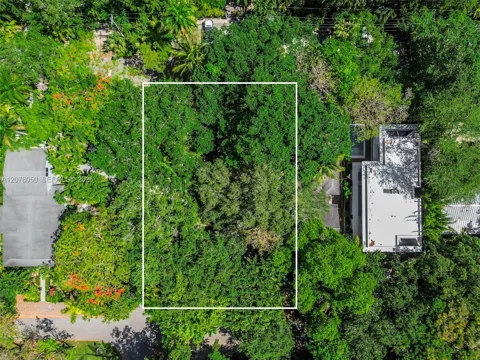
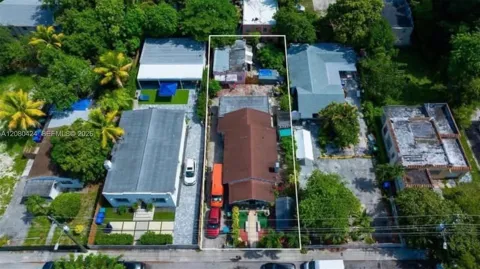
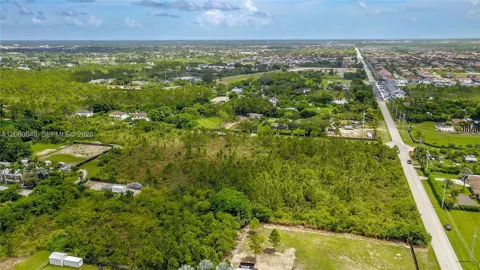
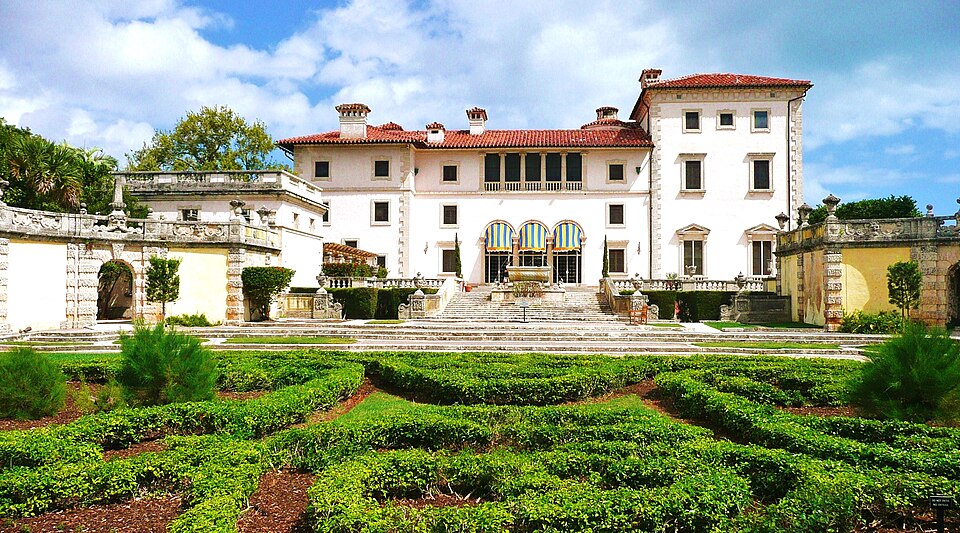 4 photos
Houses in Miami, FL
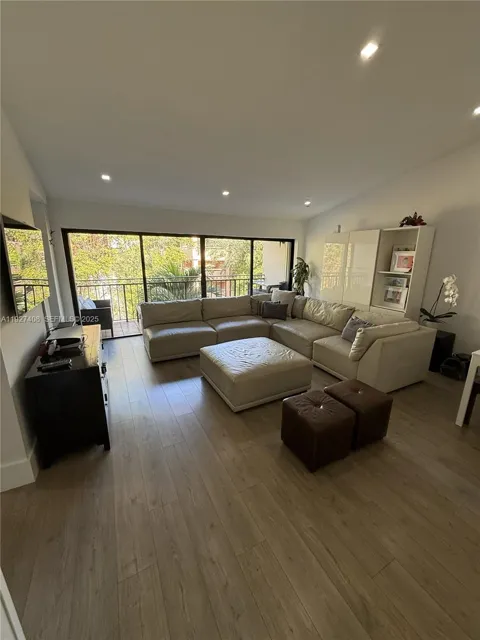
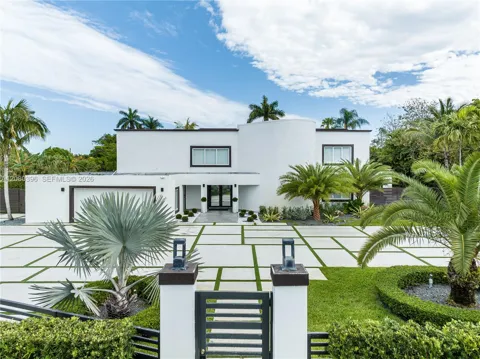
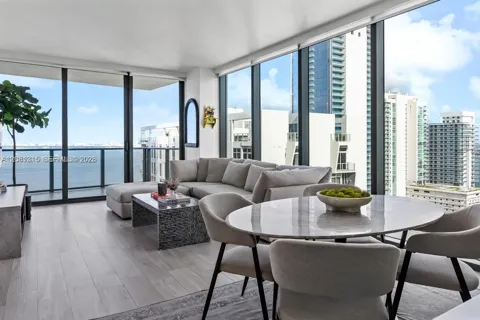



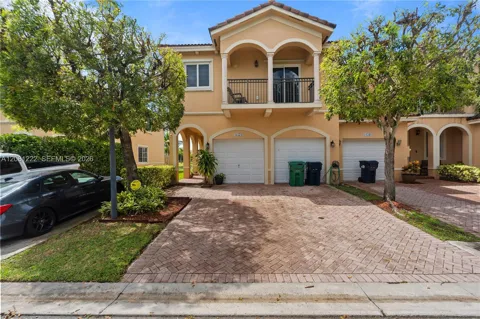
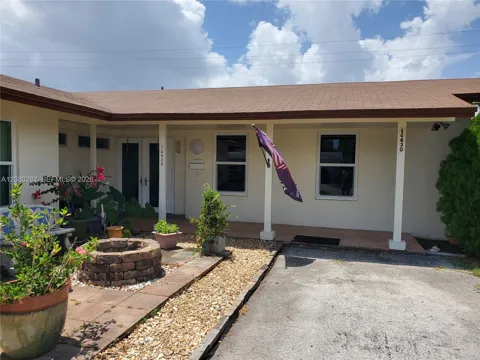
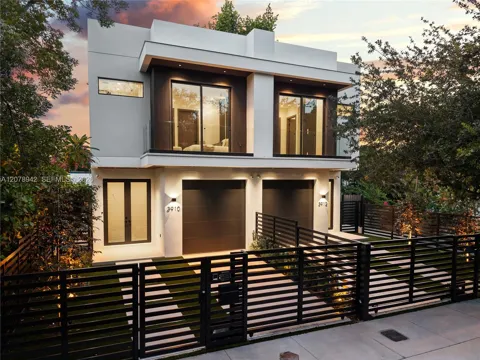
Townhouses & Duplexes in Miami, FL
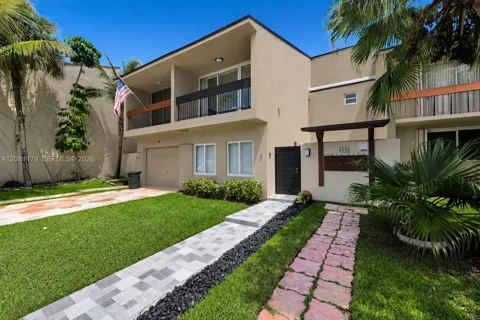
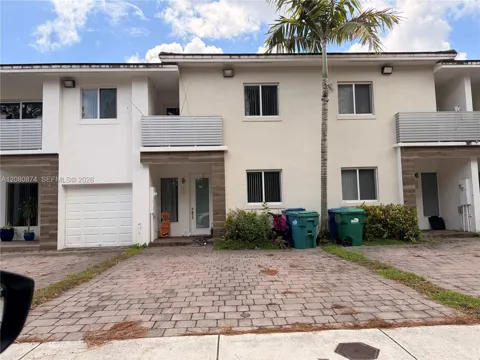

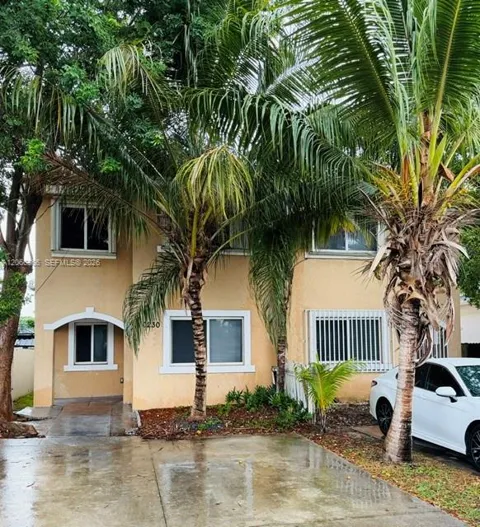
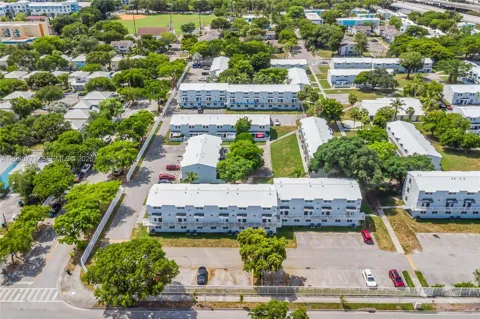
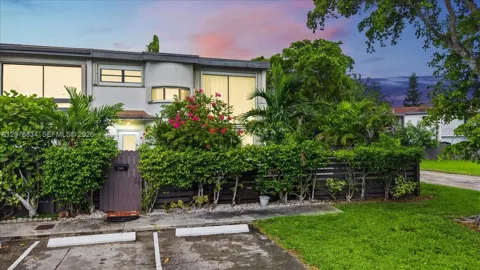
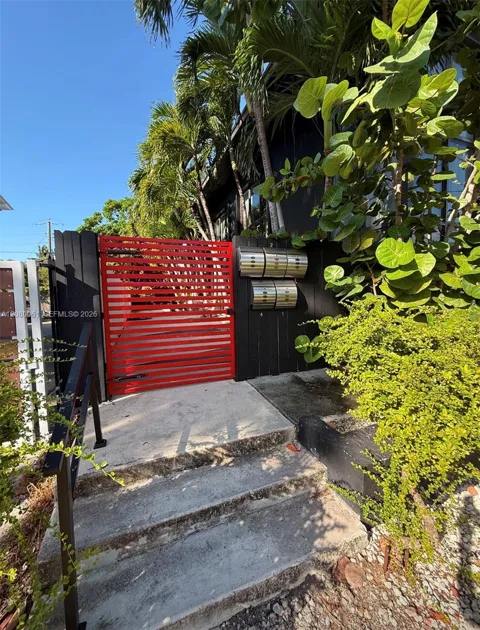
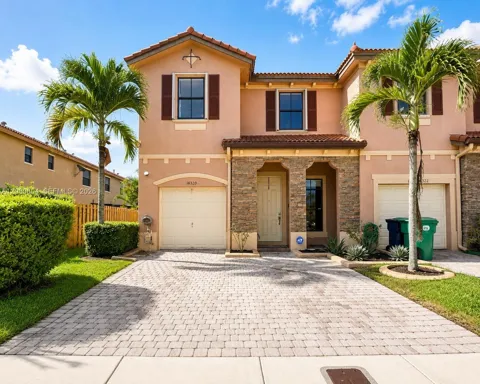
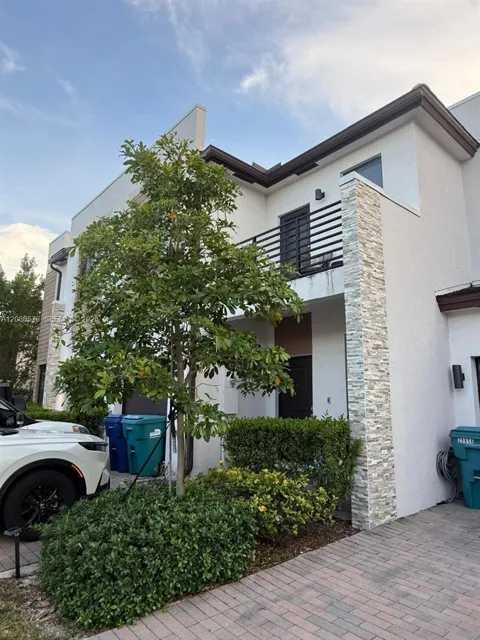
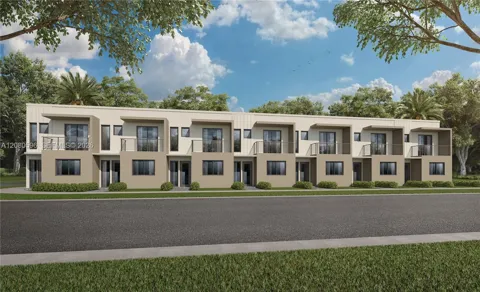
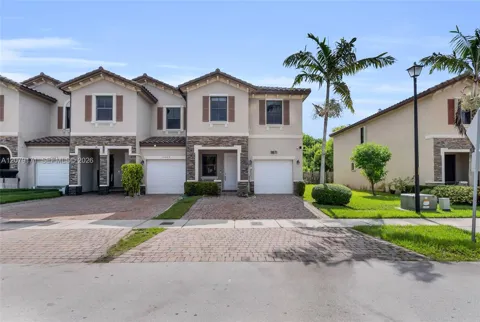

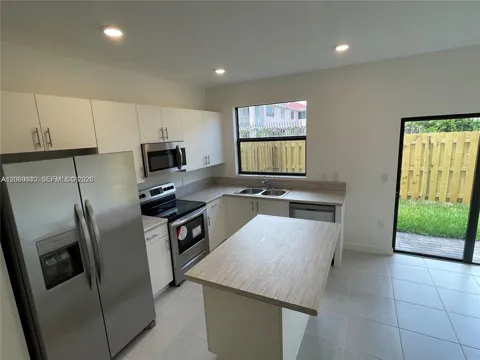
Condos & Apartments in Miami, FL
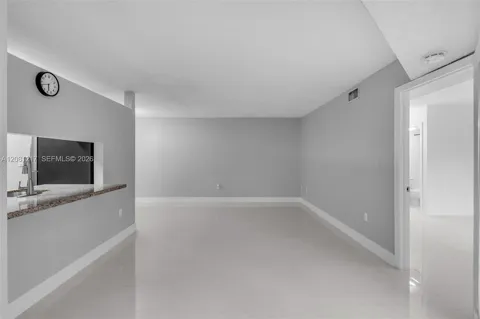
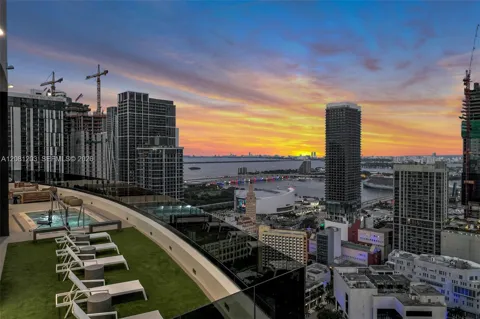
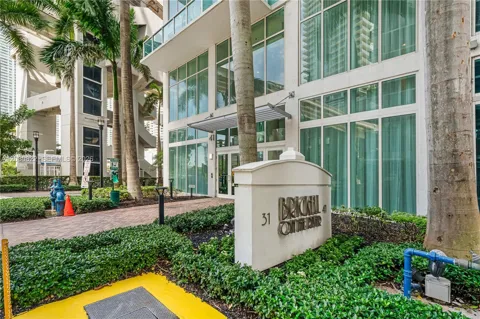
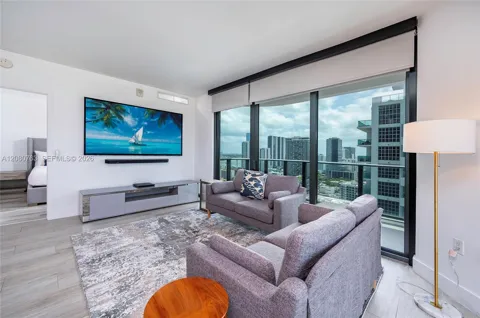
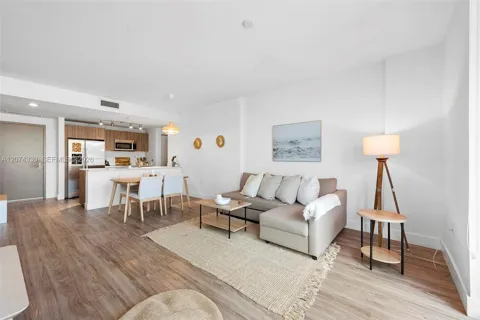
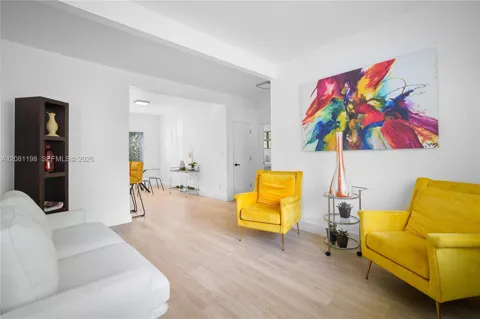
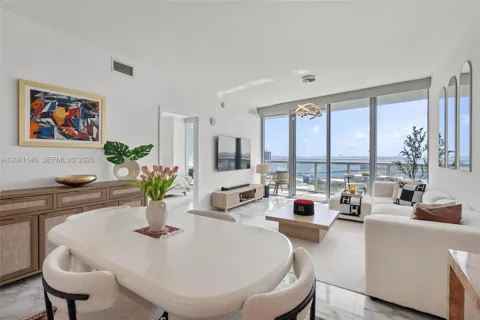
For Rent in Miami, FL
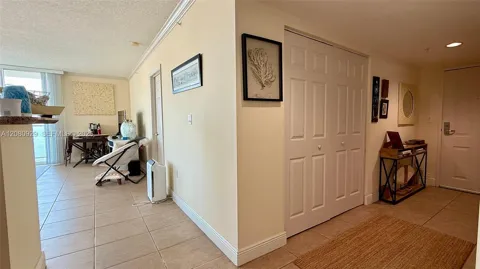
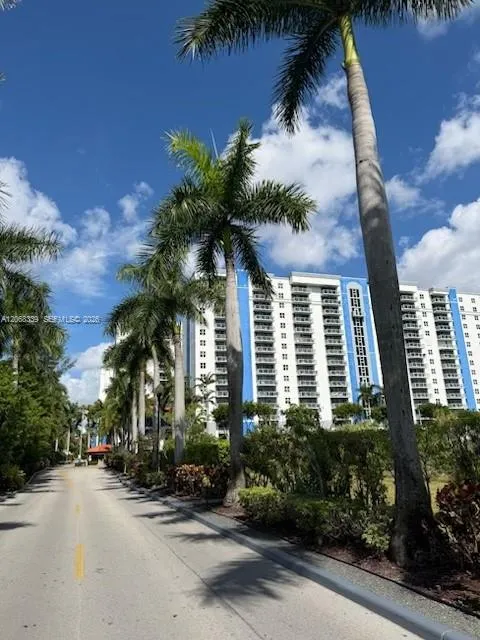
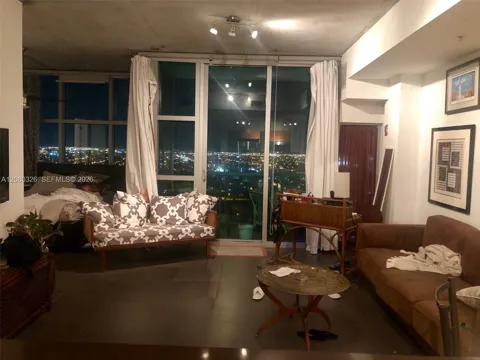
Lots & Land in Miami, FL
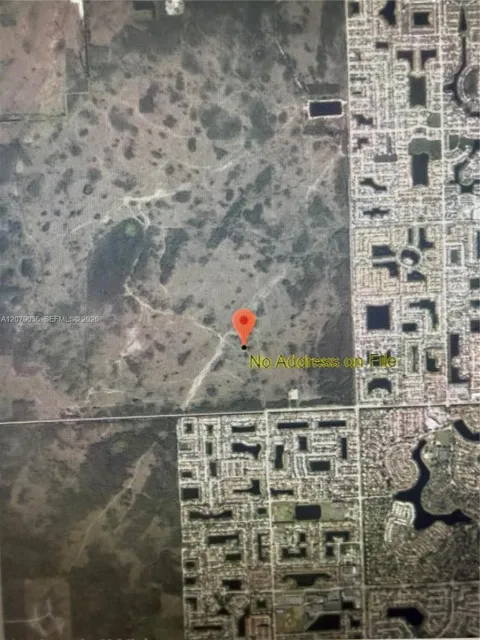
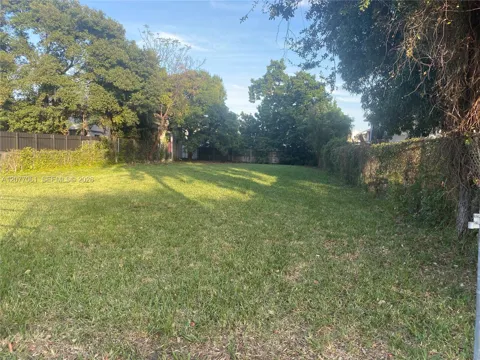
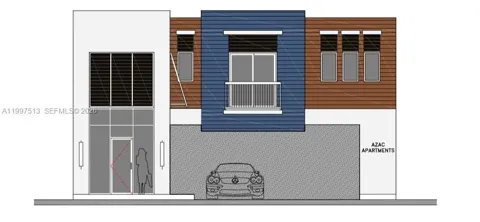
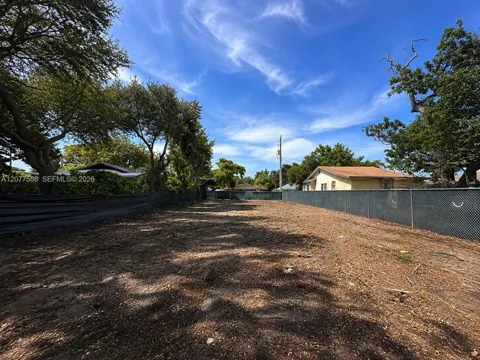

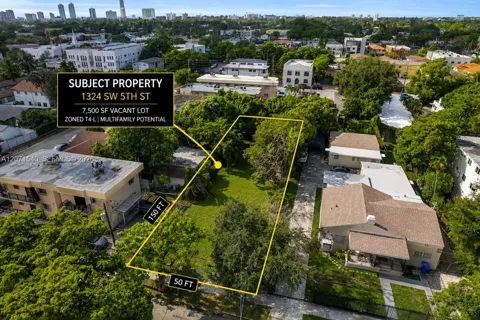
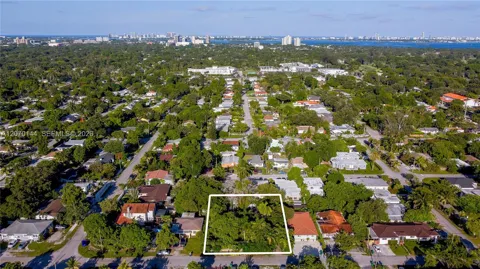
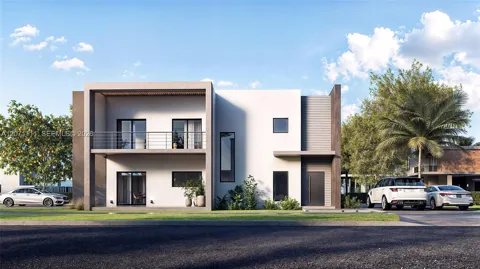
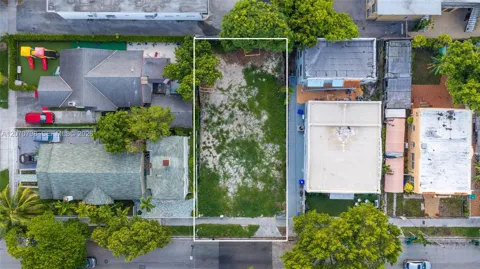
MARKET SNAPSHOT
The Market at a Glance
How homes have been selling here over the last 90 days.
Price & Sales History
Market data reflects closed sales over the last 90 days and is provided for informational purposes.
EXPLORE COMMUNITIES
Subdivisions
Browse the neighborhoods and subdivisions in this area.
Zip Codes
BROWSE BY ZIP
Browse listings by postal code in this area.
- Grid
- Map
- List





City Guide
About Miami
Real Estate & Housing
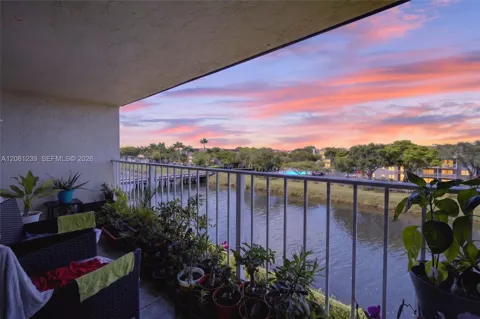
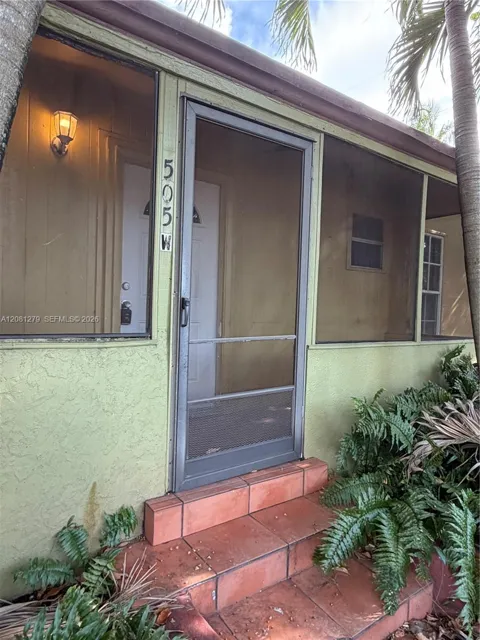
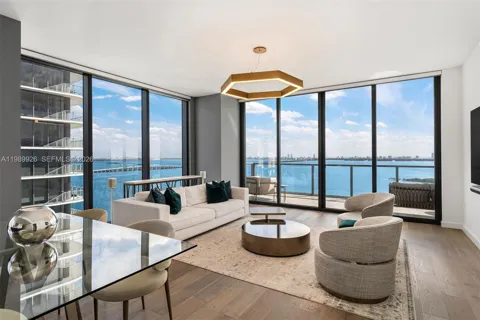
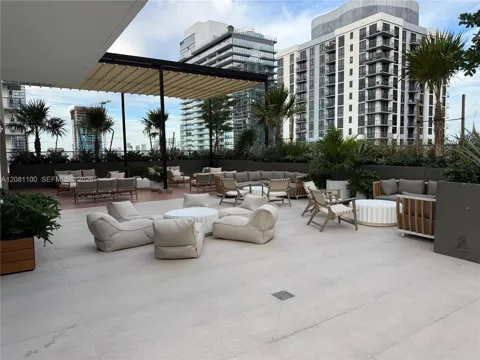
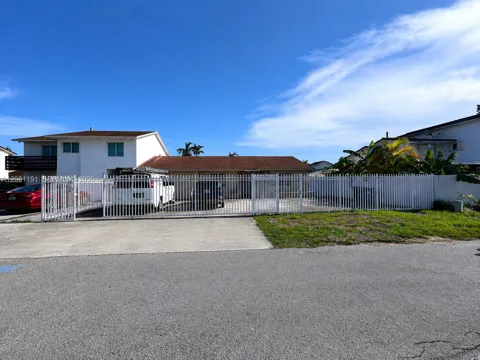
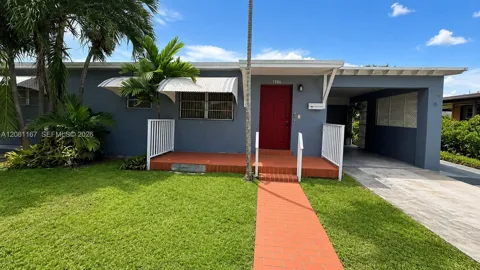
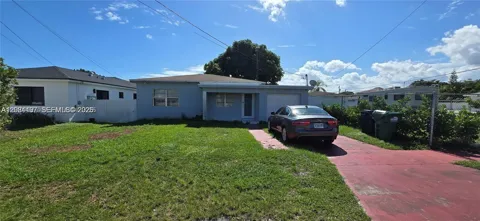
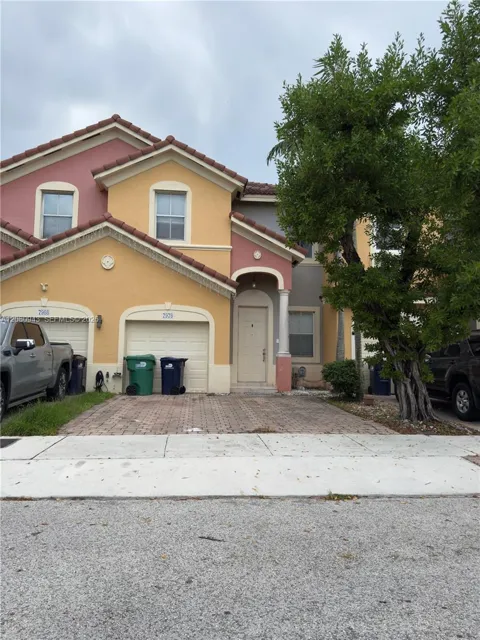
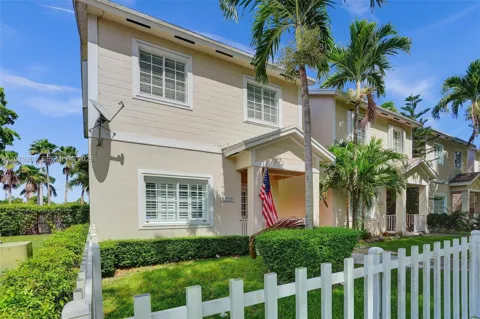
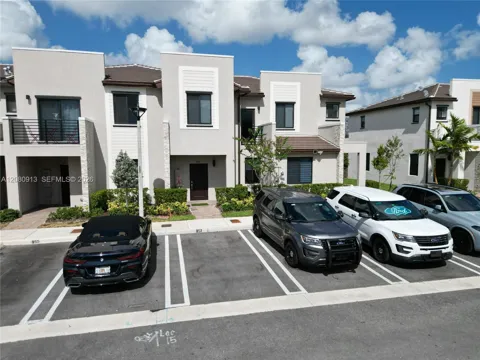
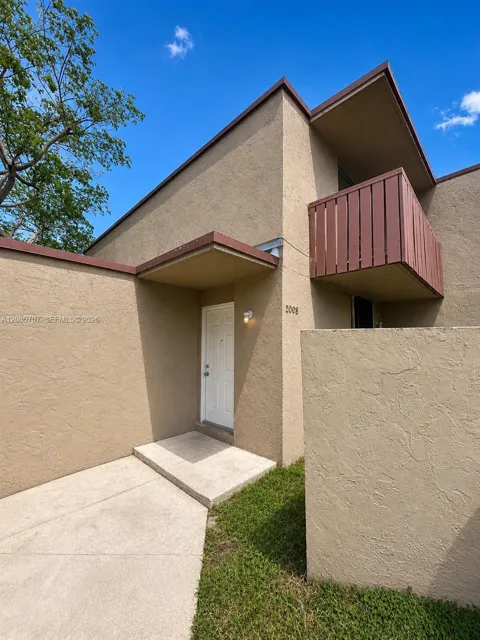
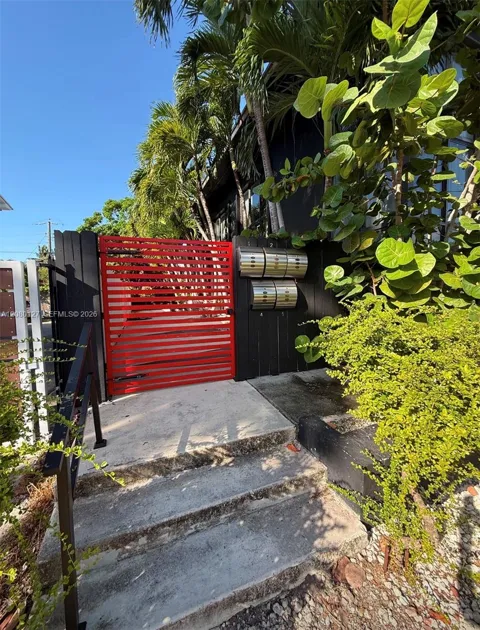
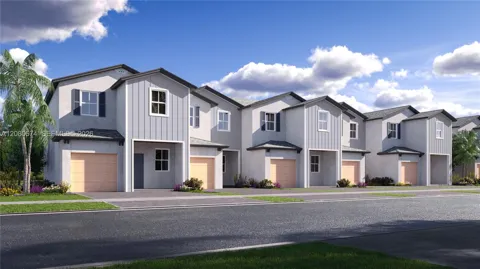
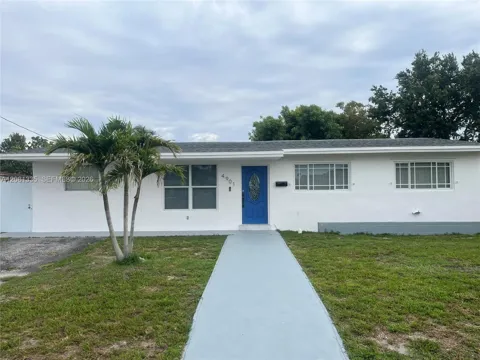
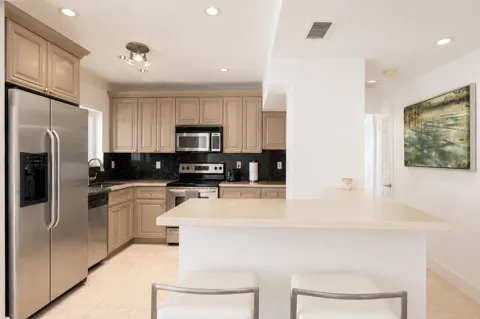
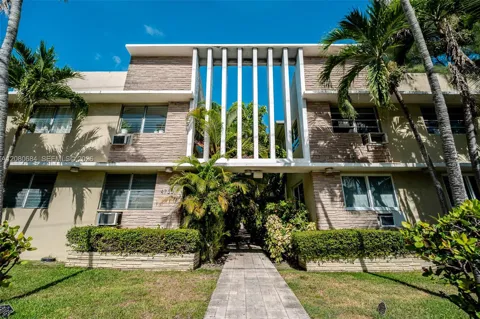
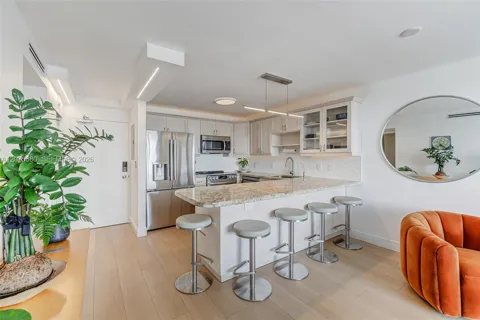
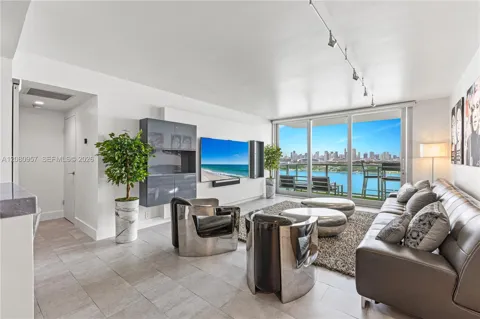
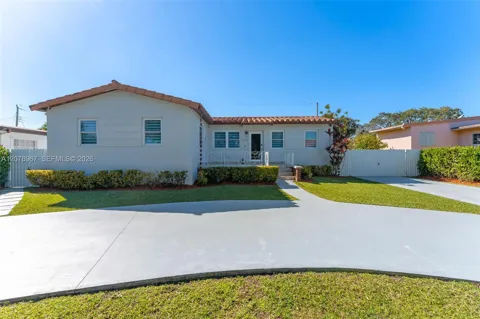
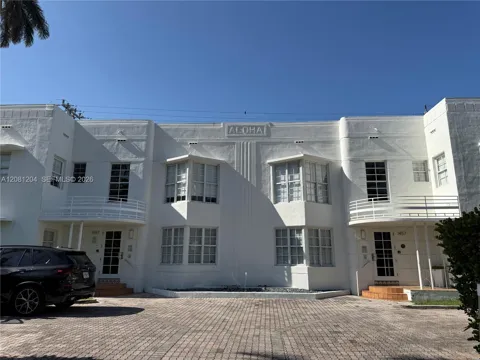
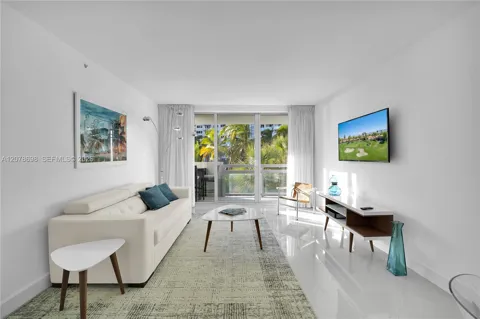
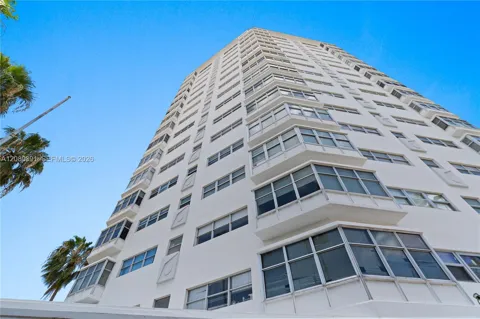
Miami's housing stock reflects its layered architectural history. Early twentieth-century neighborhoods feature Mediterranean Revival, Mission Revival, and frame vernacular homes, while the Art Deco and Miami Modern (MiMo) styles of the 1920s through the 1950s define historic districts and beachfront corridors. Post-war subdivisions add ranch and minimal traditional houses, many built with concrete block and jalousie windows suited to the subtropical climate. Along Biscayne Bay and downtown, high-rise condominiums dominate, particularly in Brickell, Edgewater, and the Brickell Key enclave. The city also contains historic single-family neighborhoods such as Coconut Grove, its oldest, and Coral Gables, planned in the 1920s around themed villages. This mix of waterfront towers, bungalows, and estate-style homes means housing options range widely by neighborhood.
Neighborhoods
Miami's neighborhoods are strongly defined by geography and history. Brickell, immediately south of downtown, is the financial district, known for its condominium towers and the residential enclave of Brickell Key. Coconut Grove, the city's oldest neighborhood, offers a lush, low-rise character along Biscayne Bay. Coral Gables, an incorporated city adjacent to Miami, is known for its Mediterranean Revival architecture, tree-lined boulevards, and the University of Miami. Wynwood and the Miami Design District anchor the arts and creative scene with galleries, murals, and showrooms. Little Havana, centered on Calle Ocho, is the heart of Cuban-American Miami, lined with restaurants, cigar shops, and music venues. Edgewater, Midtown, and downtown provide dense, walkable waterfront living, while communities such as Miami Springs offer quieter, village-like settings.
Lifestyle in Miami
Miami's culture is a blend of Latin American, Caribbean, and American influences, expressed most vividly in its food, music, and street life. Little Havana's Calle Ocho is lined with Cuban restaurants, bakeries, cigar shops, rum bars, and art galleries, and landmarks such as the 1926 Art Deco Tower Theater anchor its cultural calendar. Wynwood's murals and the galleries of the Design District make the visual arts a year-round presence. The dining scene spans Cuban and Caribbean classics to international fine dining, with institutions such as Versailles in Little Havana serving as community gathering places. Sports, beaches, and Biscayne Bay boating round out a lifestyle oriented to the outdoors and to a bilingual, cosmopolitan social scene.
Schools & Education
Public schools in Miami fall under Miami-Dade County Public Schools, the largest school district in Florida and one of the largest in the United States, serving hundreds of thousands of students across the county. The district offers magnet and choice programs, international studies tracks, and bilingual education in Spanish, French, German, Haitian Creole, and Mandarin Chinese. Families also have access to numerous private and charter schools, and the area is home to major institutions including the University of Miami in Coral Gables, Florida International University, and Miami Dade College. Because the district is countywide, school attendance zones and program options vary by neighborhood, a key consideration for relocating families.
Getting Around
Miami's transportation network includes the elevated Metrorail, which runs through downtown and south toward Dadeland with a link to Miami International Airport, and the Metromover, a free downtown people mover serving the central business district, Brickell, and the bayside. Tri-Rail provides commuter rail service connecting Miami-Dade with Broward and Palm Beach counties, while Brightline offers intercity passenger rail from MiamiCentral station. Miami International Airport, one of the nation's busiest international gateways, is linked to Metrorail via the MIA Mover and offers extensive flights to Latin America and the Caribbean. Interstate 95 and the Palmetto Expressway carry much of the region's automobile traffic, and PortMiami serves as a major cruise and cargo hub.
Parks & Recreation
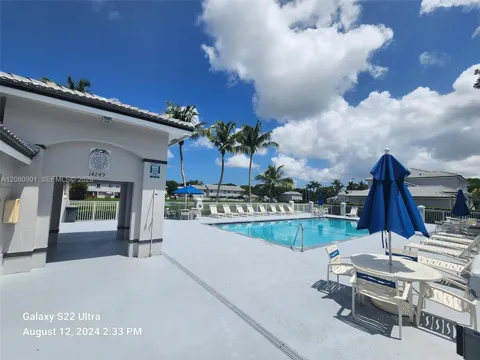
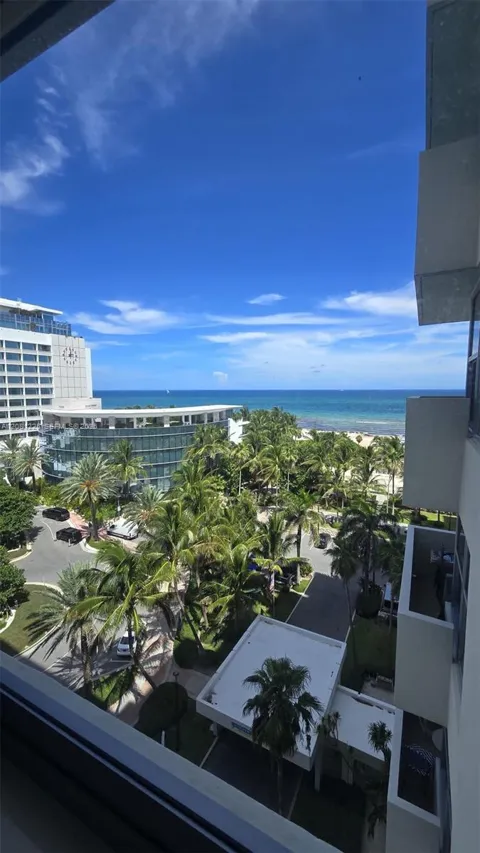
Outdoor recreation in Miami runs from Atlantic beaches to the Everglades. South Beach and the barrier-island shoreline provide swimming, sunbathing, and beachfront promenades, while Biscayne Bay supports boating, kayaking, and paddleboarding. Everglades National Park begins just southwest of the city, offering airboat tours, wildlife viewing, and trails such as the Anhinga Trail, where alligators and wading birds are common sights. The city maintains a network of neighborhood and waterfront parks, and the cultural calendar includes events and festivals tied to Little Havana's Calle Ocho, the region's art weeks, and its Latin American heritage. Golf, tennis, and marinas add to a year-round outdoor lifestyle.
About Miami
Frequently asked questions
What county is Miami in?
Miami is the county seat of Miami-Dade County in southeastern Florida. The county is the state's most populous, with roughly 2.8 million residents, and it includes Miami plus surrounding municipalities such as Miami Beach, Coral Gables, and Hialeah.
What school district serves Miami?
Miami is served by Miami-Dade County Public Schools, the largest school district in Florida and one of the largest in the United States. The district offers magnet and choice programs as well as bilingual education in several languages, and school attendance zones vary by neighborhood.
What are the main neighborhoods in Miami?
Notable districts include Brickell, the financial and condominium center; Coconut Grove, the city's oldest neighborhood; Coral Gables, known for Mediterranean Revival architecture; Wynwood and the Design District, the arts core; Little Havana, the heart of Cuban-American culture on Calle Ocho; and Edgewater, Midtown, and downtown for dense waterfront living.
How far is Miami from the Everglades?
Everglades National Park begins just southwest of the city, with entrances roughly a 30- to 45-minute drive from downtown depending on the route. The park is a common day trip for airboat tours, hiking, and wildlife viewing, with trails such as the Anhinga Trail known for alligator sightings.
How do people get around Miami?
The elevated Metrorail and the free downtown Metromover serve the urban core, while Tri-Rail commuter rail connects Miami-Dade with Broward and Palm Beach counties and Brightline offers intercity rail from MiamiCentral station. Miami International Airport provides extensive domestic and international flights, and Interstate 95 and the Palmetto Expressway carry most automobile traffic.
What is Miami known for?
Miami is known as a financial and cultural gateway between the United States and Latin America, with Art Deco and Mediterranean Revival architecture, the Cuban-American culture of Little Havana, the arts district of Wynwood, PortMiami's cruise and cargo operations, and its Atlantic beaches and Everglades setting.
Still have questions about Miami?
Get in touchExplore the area