Central Florida Tourism and Tech Hub
Listings in Orlando, FL
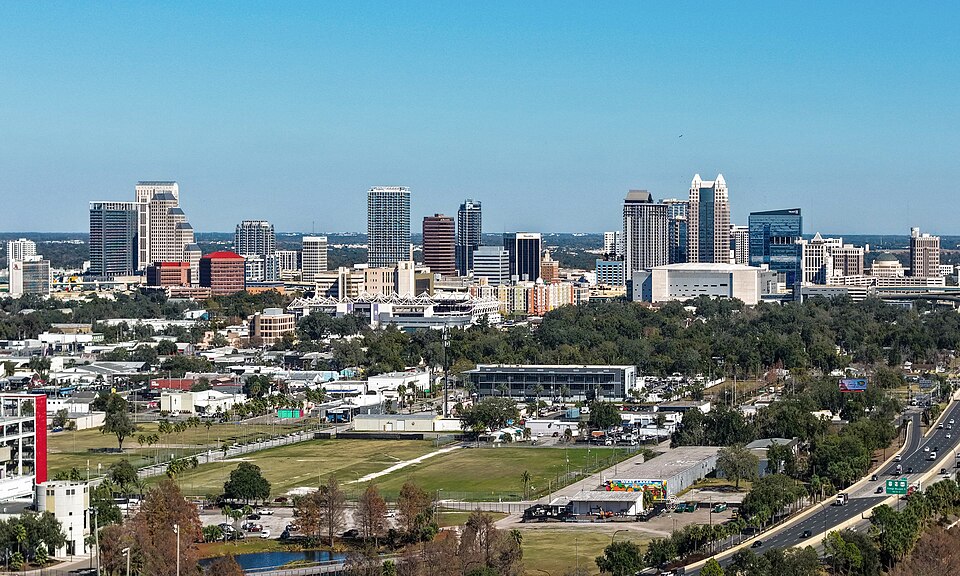
Welcome to Orlando, the Orange County seat in central Florida known worldwide for its theme parks, with a healthcare, technology, and aerospace economy woven through its neighborhoods.
Orlando is the county seat of Orange County, Florida, and the hub of a larger metropolitan region that extends into Osceola, Seminole, and Lake counties. The city sits inland in central Florida, roughly halfway between the Atlantic Ocean and the Gulf of Mexico, with the nearest Atlantic beaches about an hour's drive east. Home to roughly 340,000 residents within its city limits, Orlando anchors one of the most visited destinations in the United States. The city's economy is built on tourism and hospitality, with the Walt Disney World Resort and Universal Orlando Resort serving as the region's two largest anchors. Beyond the theme parks, healthcare is a major employment sector, anchored by AdventHealth and Orlando Health, and the region has developed clusters in aviation and aerospace, modeling and simulation, optics and photonics, and information technology. The University of Central Florida, one of the nation's largest universities by enrollment, sits just east of the city and fuels research and a steady talent pipeline. Orlando's residential fabric is shaped by its lakes and its history. Older in-town neighborhoods near downtown — such as College Park, Delaney Park, and the Lake Cherokee Historic District — hold early- and mid-century homes in styles ranging from Mediterranean Revival and Craftsman to ranch and Spanish Eclectic. Farther out, planned communities such as Baldwin Park and Lake Nona offer newer construction and their own town centers. The city maintains six local historic preservation districts that protect this architectural variety. Daily life in Orlando moves between a walkable downtown centered on Lake Eola Park, neighborhood commercial districts, and the attractions corridor to the southwest. The result is a city that functions both as a global tourism destination and as a year-round home for a population drawn by jobs in healthcare, education, technology, and hospitality.

Get more information about Orlando
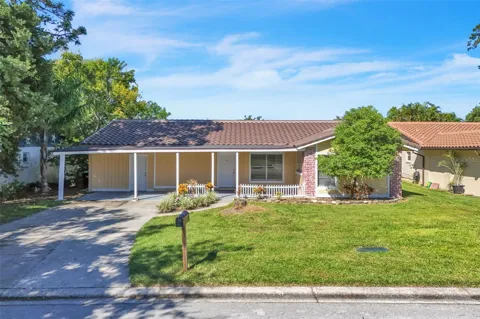
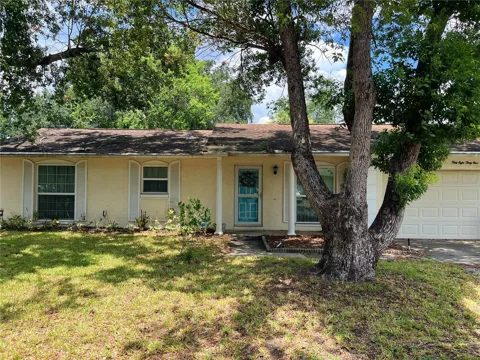
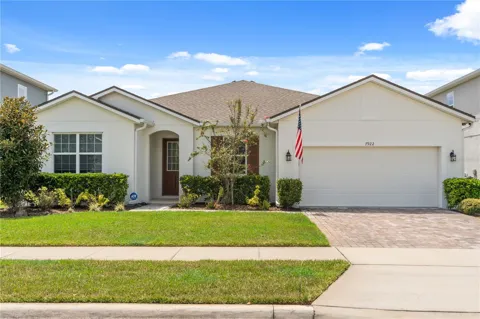
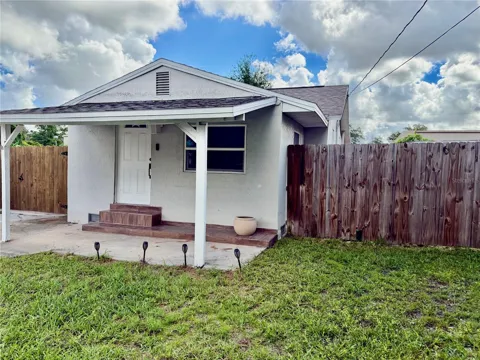
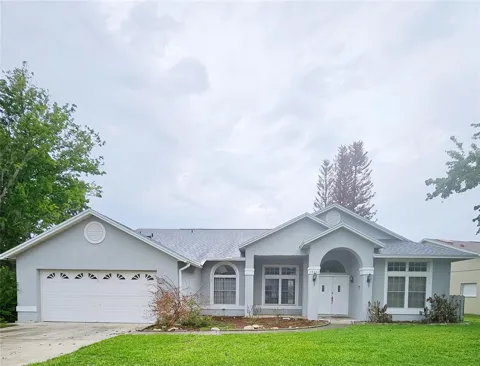
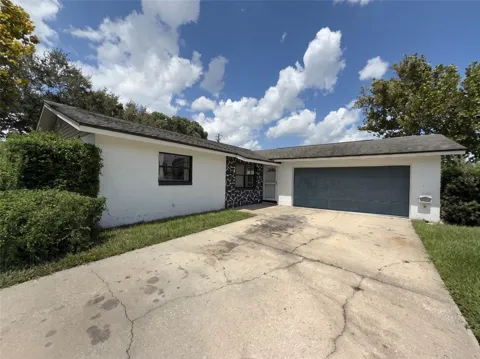
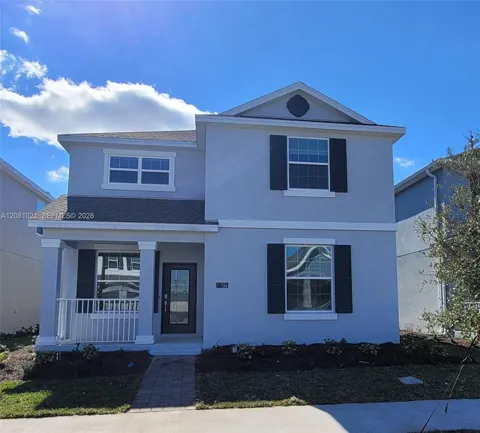
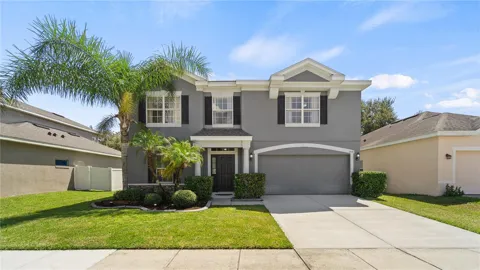
 4 photos
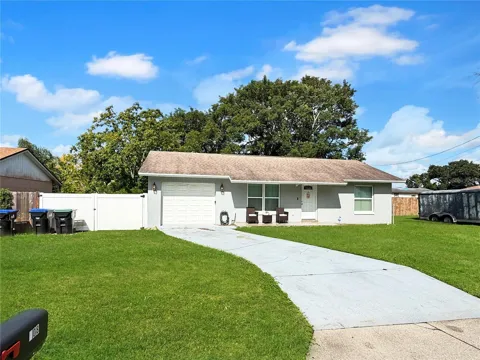
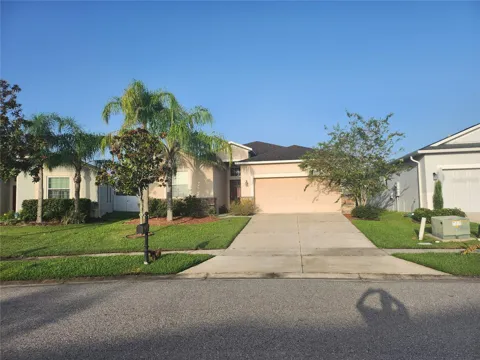
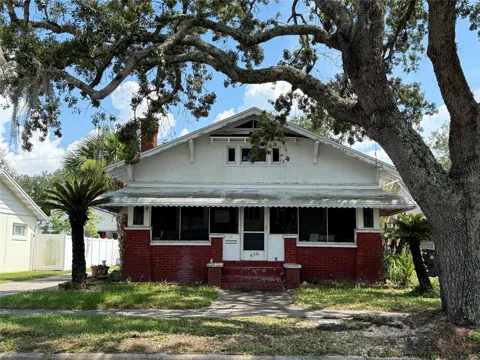
Houses in Orlando, FL
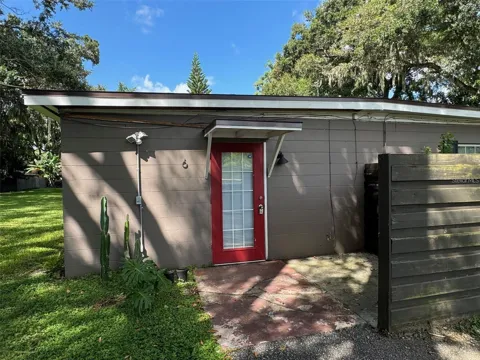

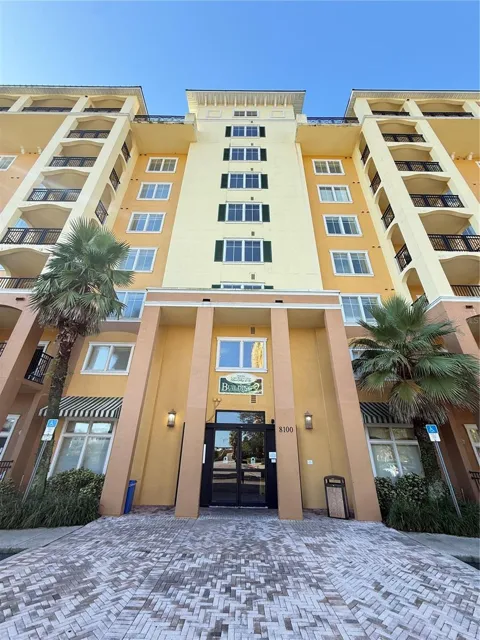
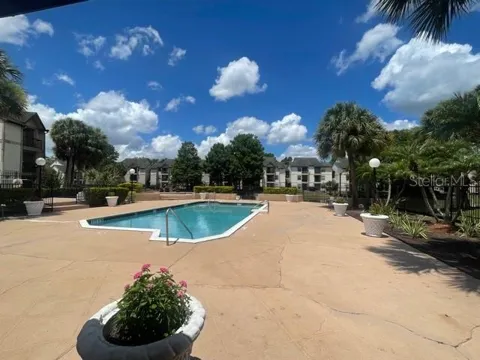
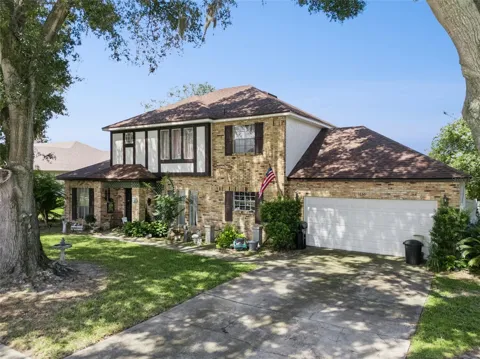
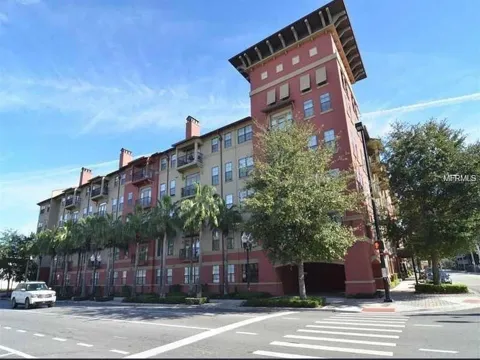
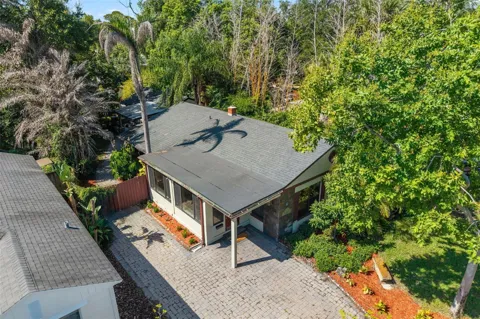
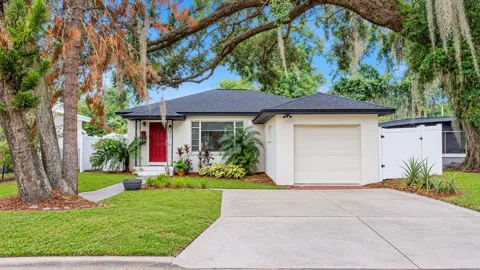
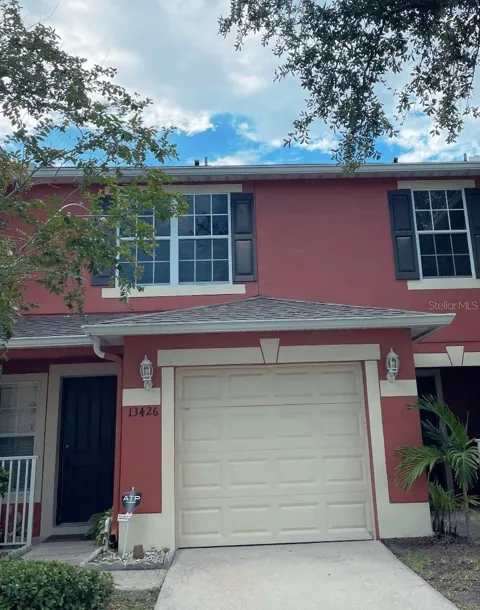
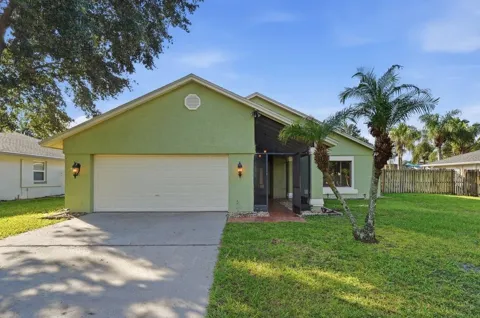
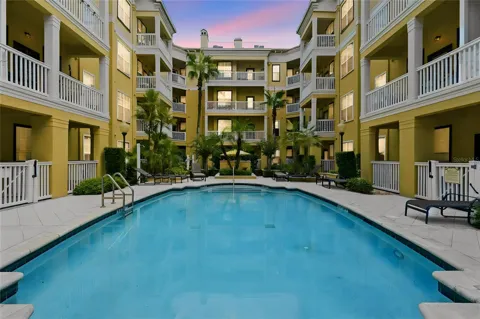
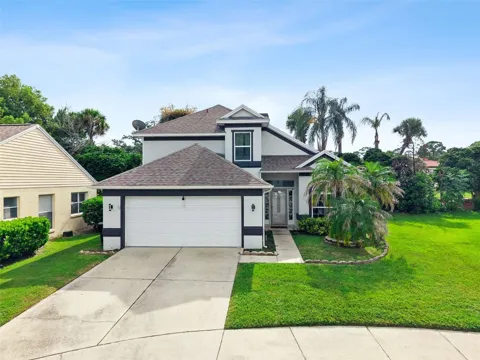
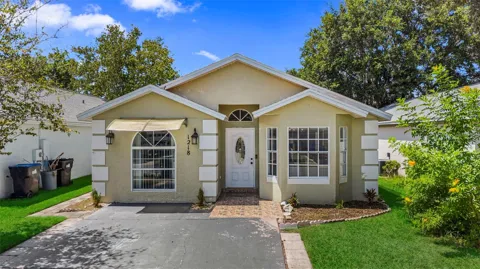
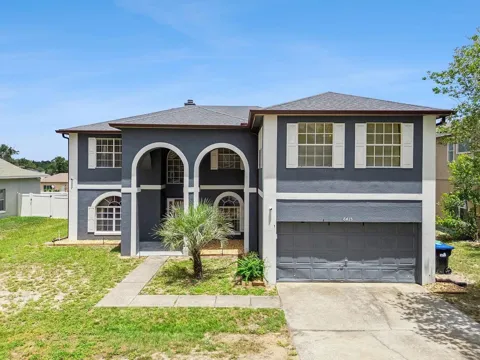
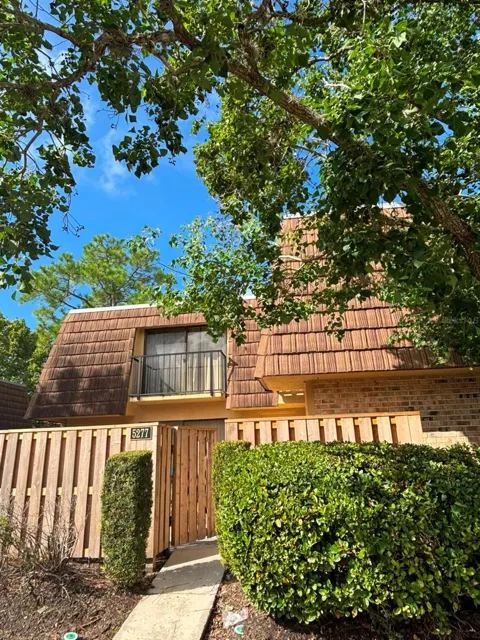
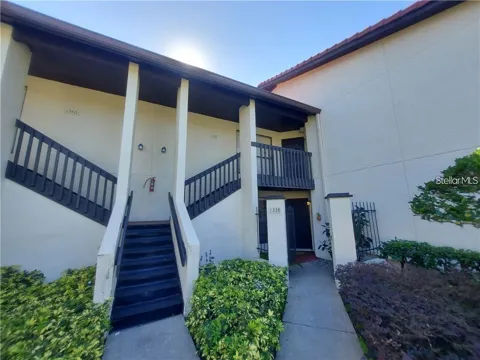
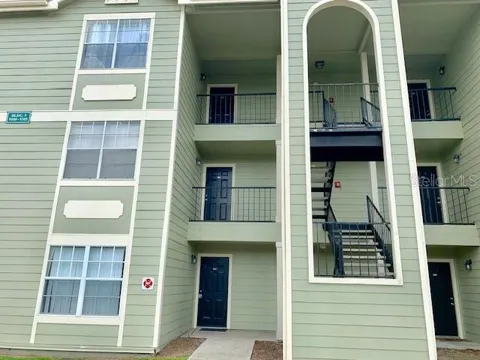
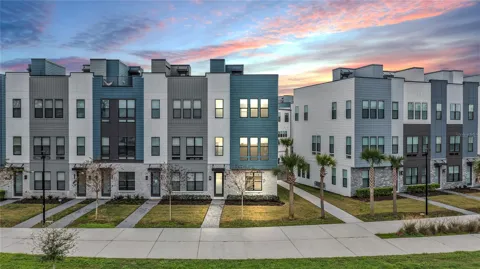
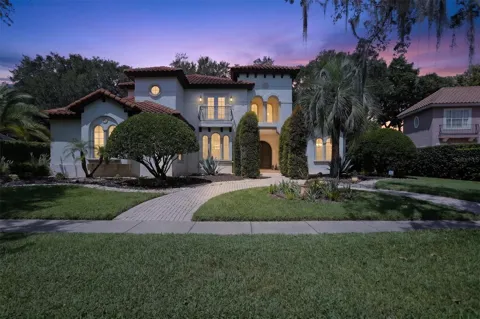
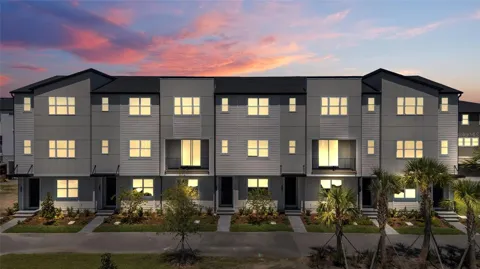
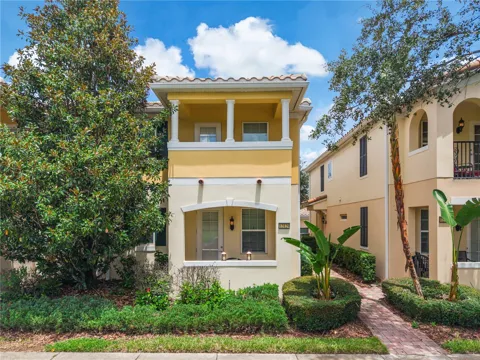
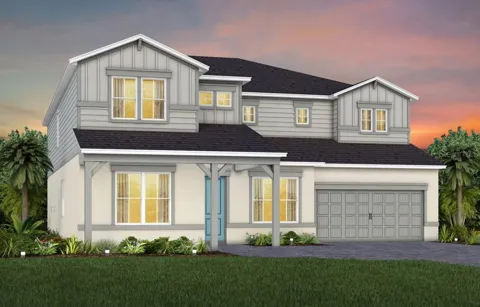
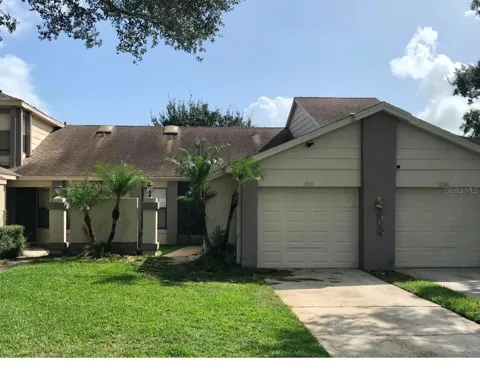
Townhouses & Duplexes in Orlando, FL
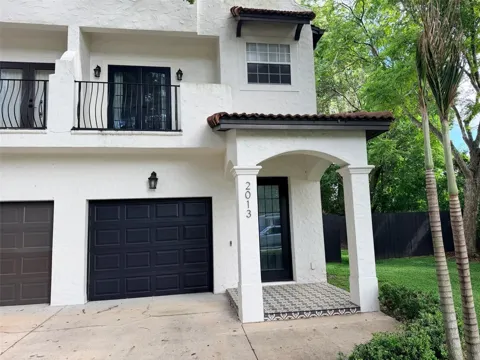
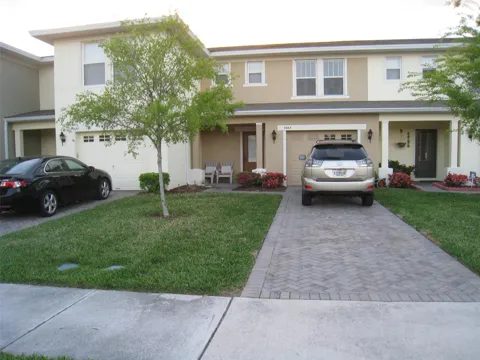
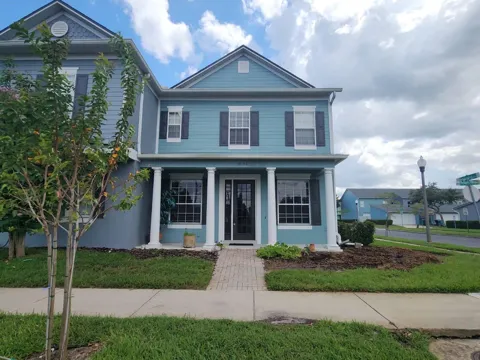
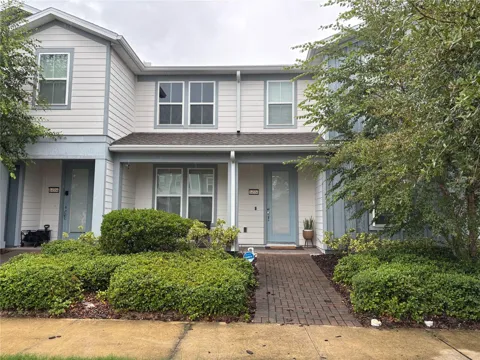
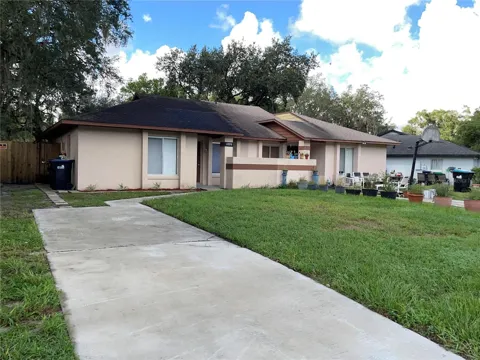
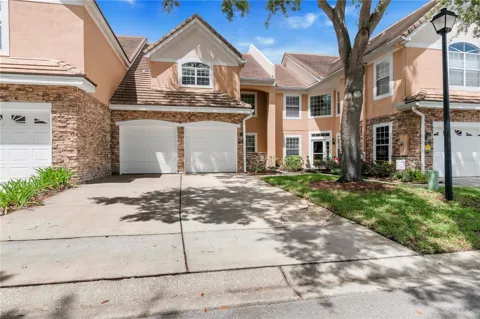
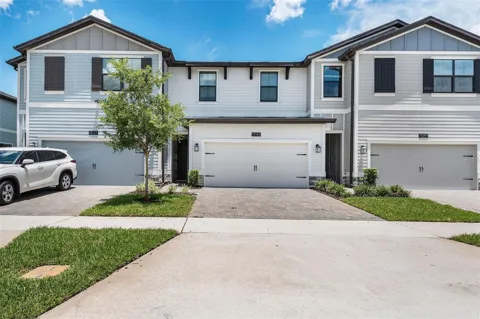
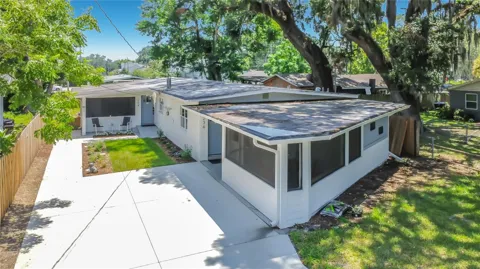
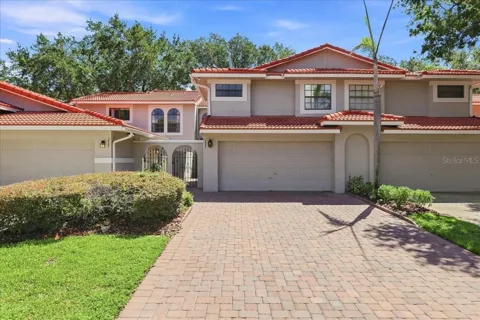
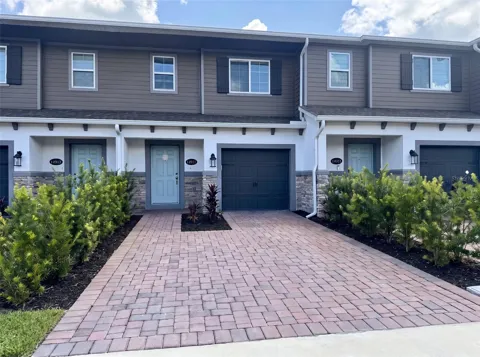
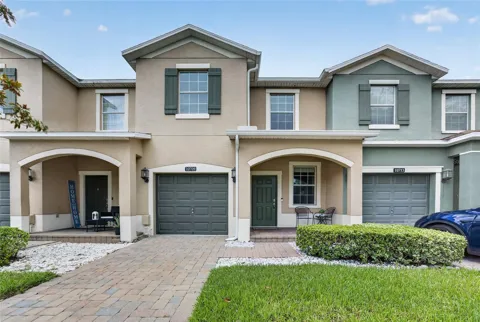
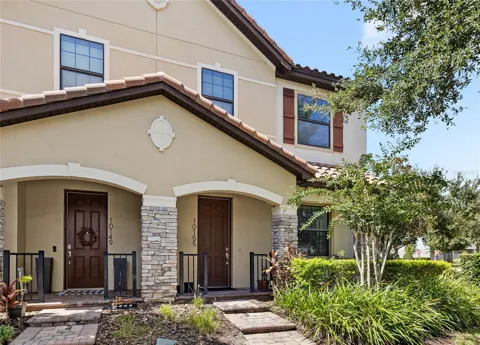
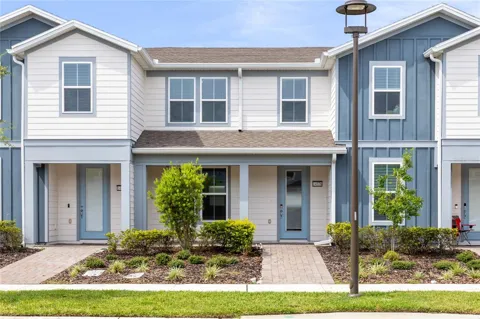
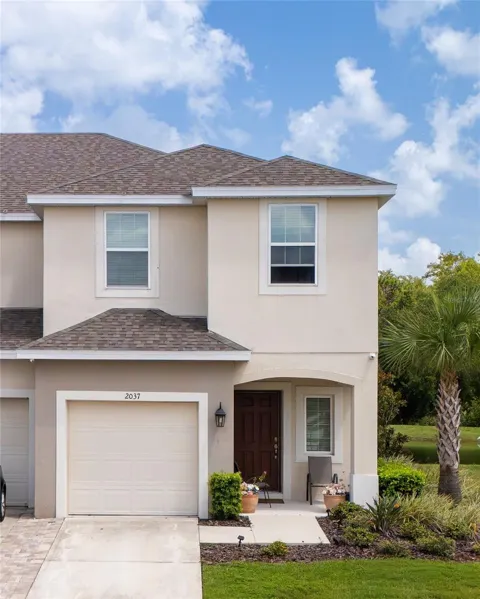
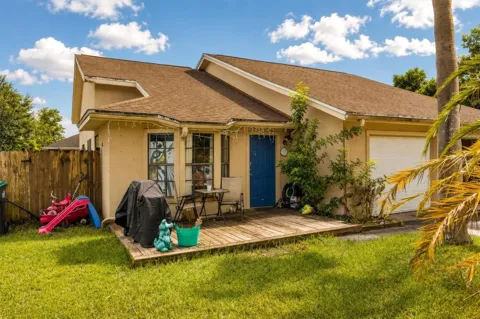
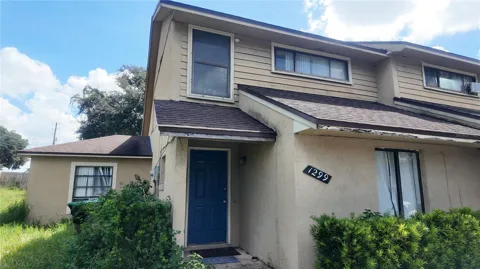
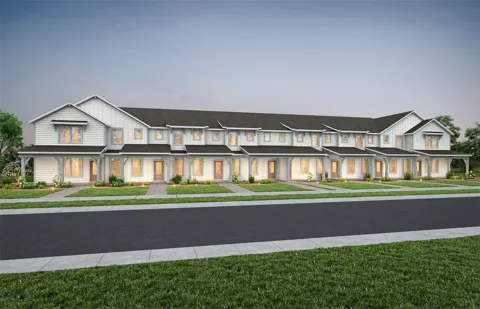
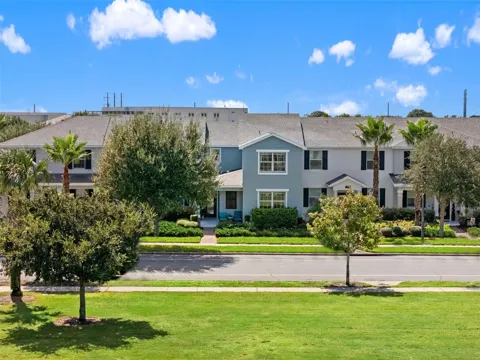
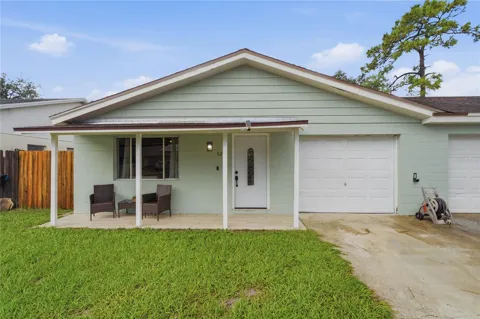
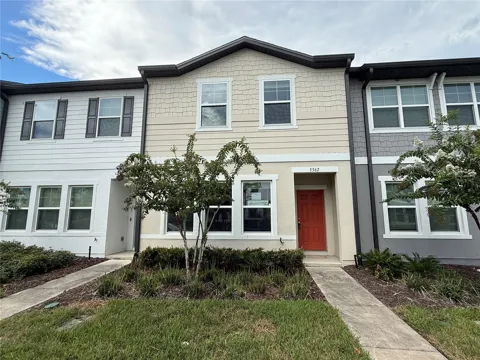
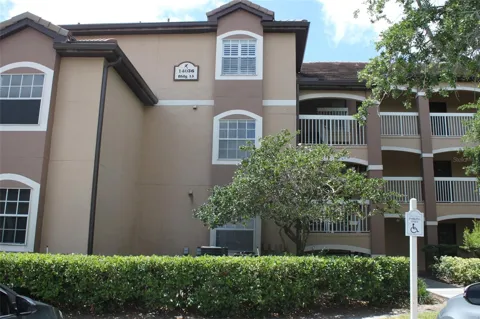
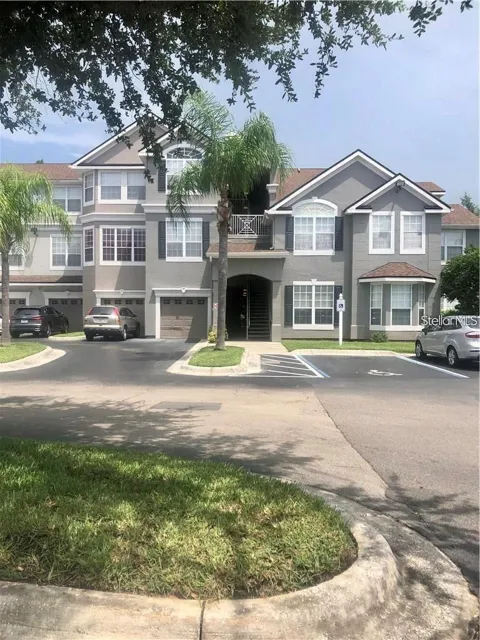
Condos & Apartments in Orlando, FL
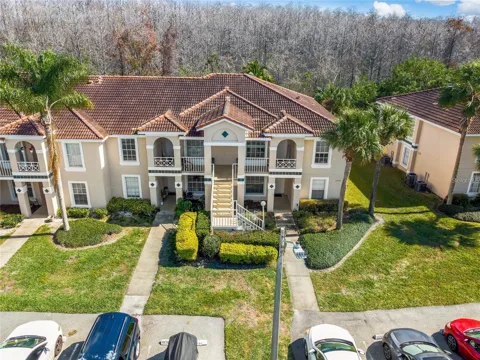
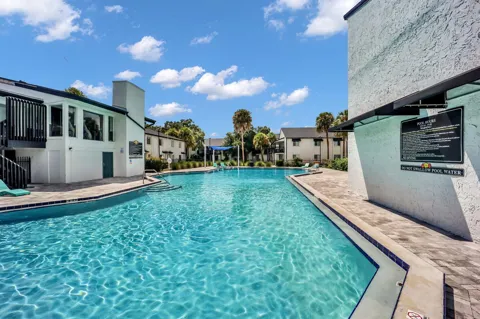
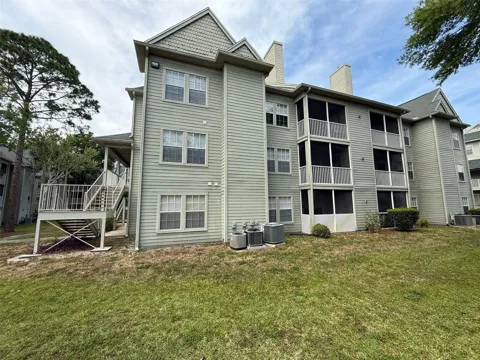

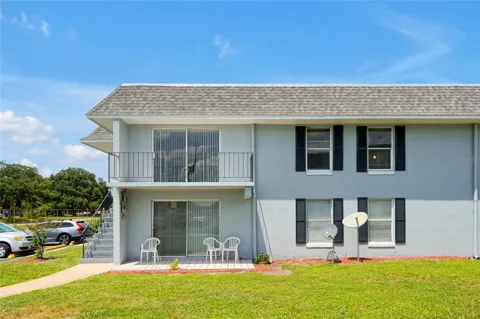
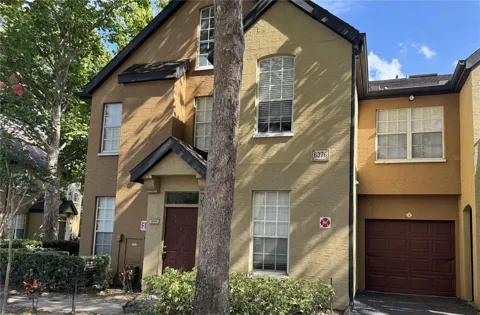
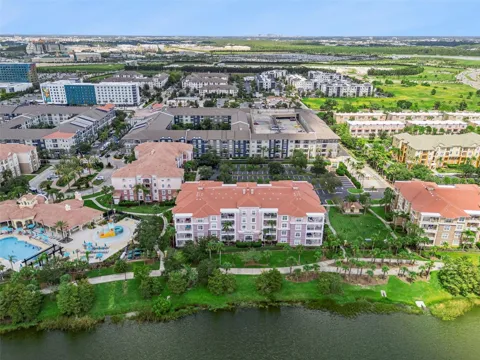
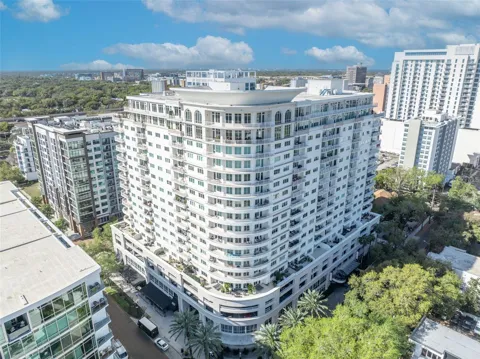
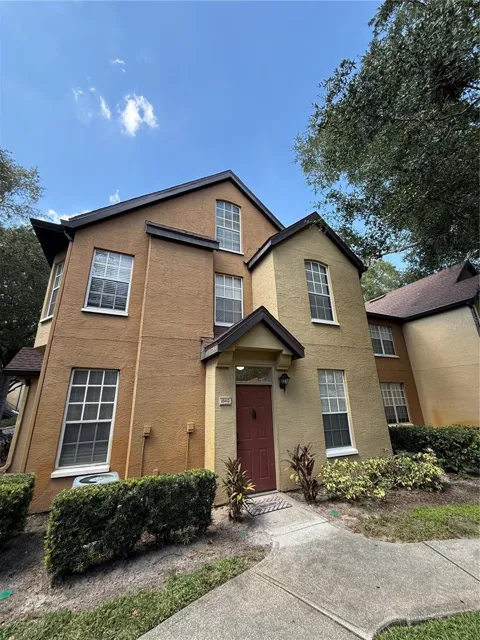
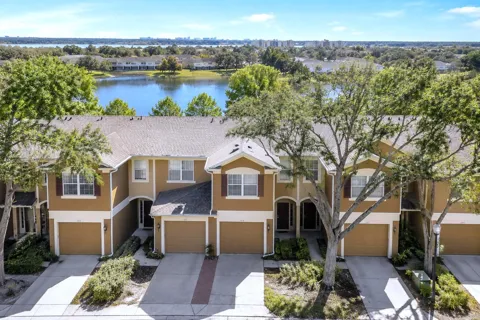
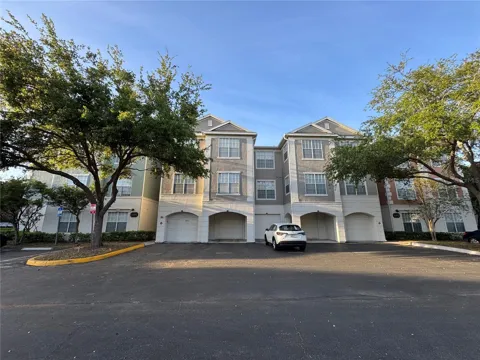
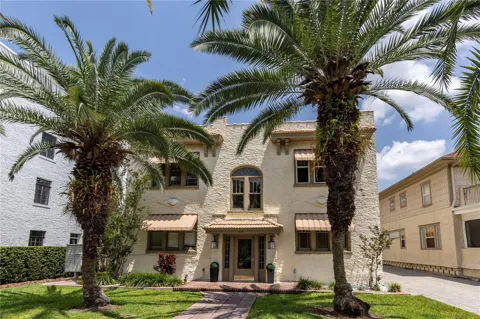
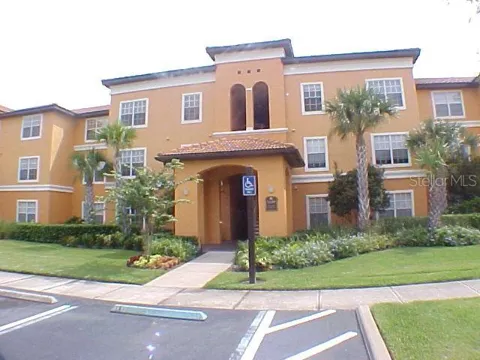
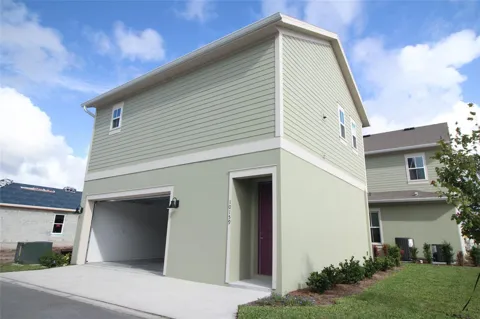
For Rent in Orlando, FL
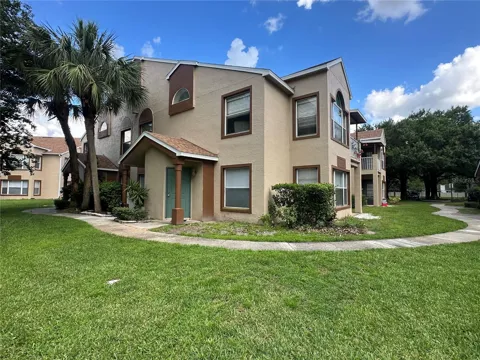
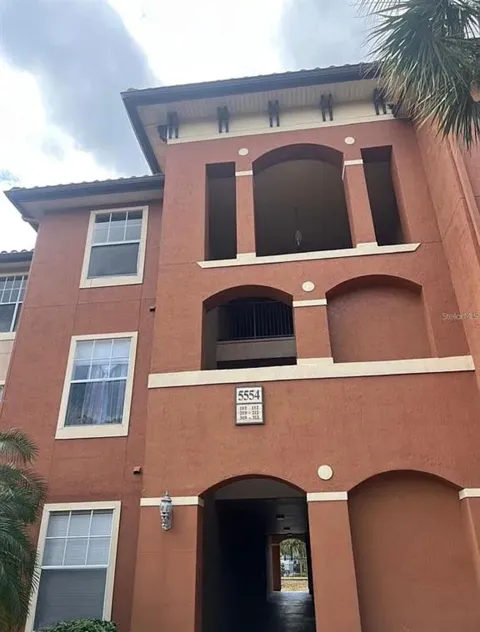
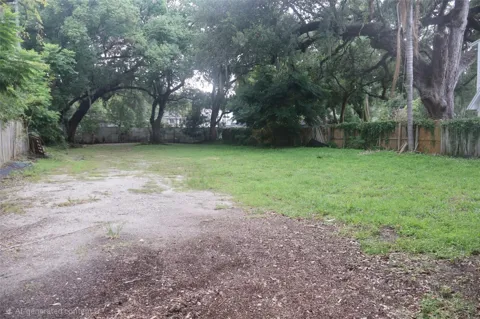
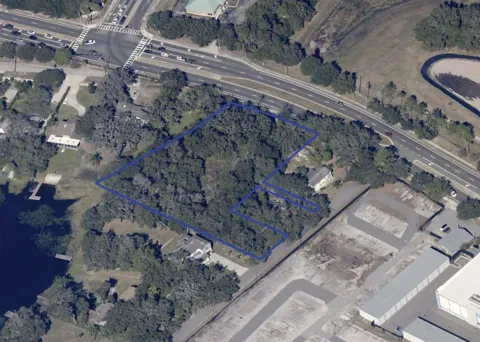
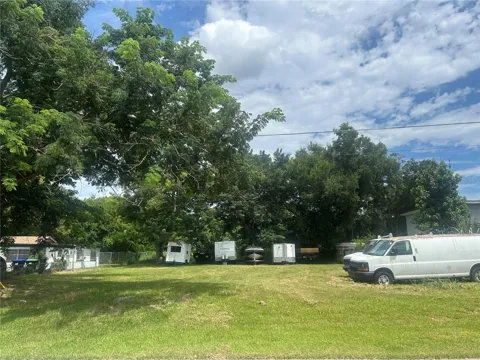
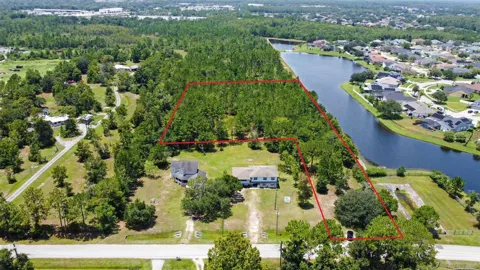
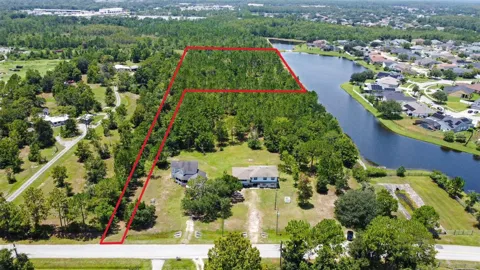
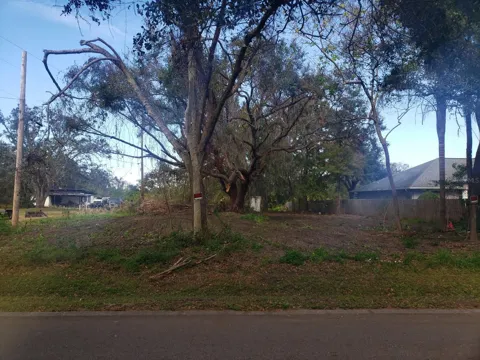
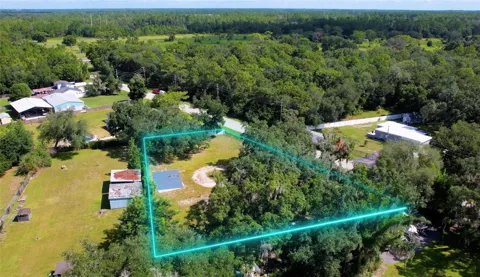
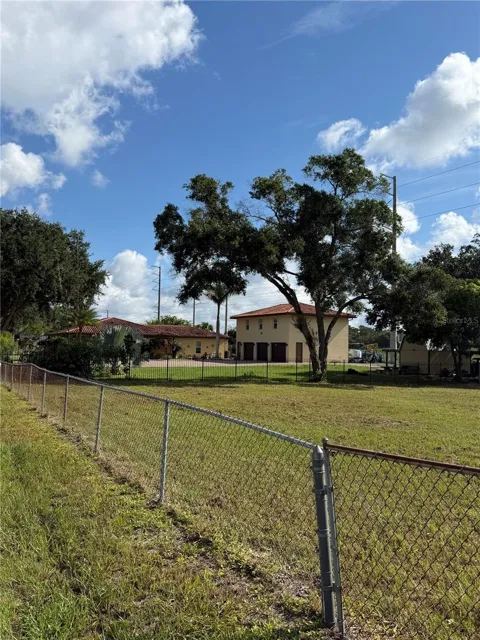
Lots & Land in Orlando, FL
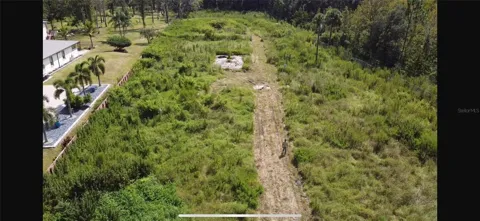
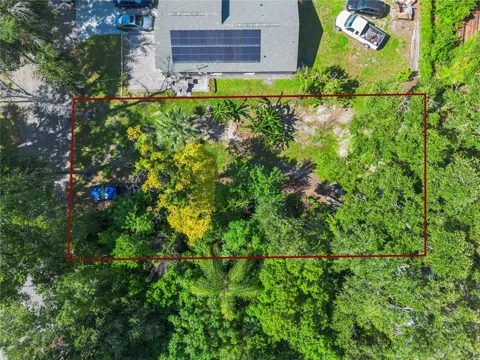
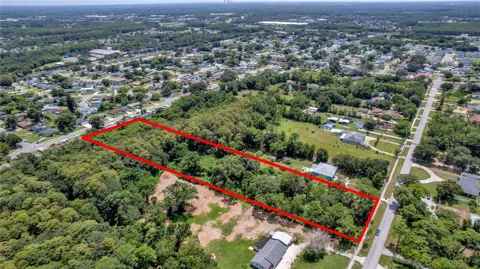
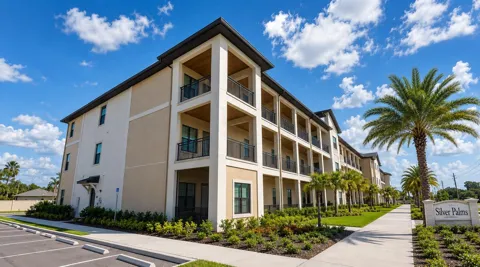
MARKET SNAPSHOT
The Market at a Glance
How homes have been selling here over the last 90 days.
Price & Sales History
Market data reflects closed sales over the last 90 days and is provided for informational purposes.
EXPLORE COMMUNITIES
Subdivisions
Browse the neighborhoods and subdivisions in this area.
Zip Codes
BROWSE BY ZIP
Browse listings by postal code in this area.
- Grid
- Map
- List

City Guide
About Orlando
Real Estate & Housing
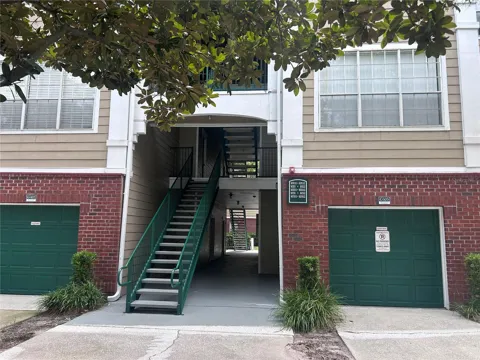
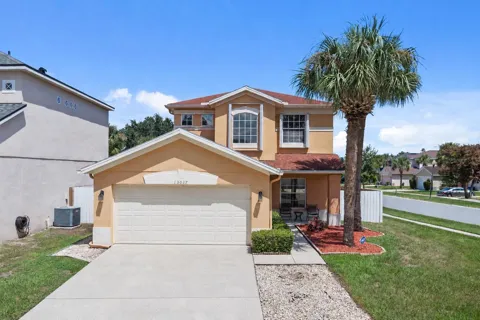
Orlando's housing stock spans more than a century of styles, concentrated around its lakes and a ring of established, tree-canopied neighborhoods. Mediterranean Revival and Spanish Eclectic homes are common throughout the city, joined by Craftsman bungalows, Colonial Revival houses, and mid-century ranch homes that have often been updated. The Lake Cherokee Historic District holds some of the city's most distinctive older estates, with Victorian, Colonial, and Craftsman details, and the city maintains six local historic preservation districts that protect this architectural variety. Beyond the historic core, master-planned communities such as Baldwin Park — redeveloped from a former naval training center — and Lake Nona offer newer single-family homes, townhouses, and apartments organized around parks and commercial town centers. Lot sizes and street patterns vary widely, from dense, walkable in-town blocks to larger suburban parcels in newer sections.
Neighborhoods
Orlando's neighborhoods run from historic in-town districts to master-planned communities on the city's edge. College Park, northwest of downtown, is known for its mid-century, ranch, and Mediterranean Revival homes and a close-knit commercial strip along Edgewater Drive. Delaney Park, just south of downtown, mixes Craftsman and Colonial Revival bungalows with newer townhouses and sits near Lake Davis. Thornton Park and Lake Eola Heights frame the east side of downtown with brick streets, historic bungalows, and walkable dining. Baldwin Park, a former naval training center redeveloped around lakes and a village center, offers a more contemporary planned setting. Lake Nona, in the southeast, is a large master-planned community anchored by medical, research, and technology campuses. Farther south, neighborhoods such as Pine Castle and Vista East round out the city's more established residential areas.
Lifestyle in Orlando
Downtown Orlando centers on Lake Eola Park, a walkable green space ringed by restaurants, offices, and residences, with the surrounding districts drawing people for dining, nightlife, and the arts. The city's food scene reflects its diversity, with Latin American, Caribbean, and global cuisines prominent alongside fine-dining and gastropub options. The Creative Village district near downtown clusters education and technology tenants and adds a newer, urban dimension to the core. Beyond downtown, neighborhood commercial districts give areas like College Park their own walkable dining and retail character, while the attractions corridor southwest of the city supplies a steady stream of restaurants and entertainment tied to the resorts. Community events frequently center on Lake Eola Park, from seasonal fireworks to large public festivals.
Schools & Education
Public schools in Orlando are operated by Orange County Public Schools (OCPS), the eighth-largest school district in the United States and the fourth-largest in Florida, with roughly 275 schools and more than 200,000 students. The district includes a mix of neighborhood schools and a system of magnet and choice programs in areas such as the arts, STEM, and career and technical education. Private and parochial schools are also widely available across the city and its suburbs. For higher education, the University of Central Florida, one of the largest universities in the country by enrollment, sits just east of the city, while Valencia College provides a network of two-year campuses throughout the region. The University of Central Florida's downtown campus in the Creative Village area extends its presence into the urban core.
Getting Around
Orlando is a car-centric region crossed by Interstate 4, the central Florida corridor connecting Tampa and Daytona Beach, and by the toll roads of the Central Florida Expressway system. SunRail, the region's commuter rail line, provides weekday service along a north-south corridor through downtown and neighboring counties, linking to Lynx local bus routes; an extension to connect SunRail directly to Orlando International Airport is in planning. Orlando International Airport (MCO) is one of the busiest airports in the United States and serves as a major international gateway for the region. Within the city, downtown and several close-in neighborhoods are walkable, and a growing network of trails and bike lanes supports non-motorized travel between districts.
Parks & Recreation
Lake Eola Park is the centerpiece of Orlando's park system and the city's main urban green space, drawing roughly two million visitors a year to its walking paths, fountain, and swan-boat lake in the heart of downtown. Beyond the park, the city operates a network of neighborhood parks, playgrounds, and sports facilities, while the region's extensive trail systems connect communities across Orange County. Orlando's defining recreation, however, is its concentration of world-renowned theme parks and water parks — the Walt Disney World Resort, Universal Orlando Resort, and SeaWorld — located along the attractions corridor southwest of downtown. For outdoor recreation farther afield, natural springs, lakes, and state parks lie within an hour's drive, offering kayaking, swimming, and hiking in central Florida's landscape.
About Orlando
Frequently asked questions
What county is Orlando in?
Orlando is the county seat of Orange County, Florida, and the urban center of a larger metropolitan region that also extends into neighboring Osceola, Seminole, and Lake counties. Because the metro area crosses several county lines, nearby communities such as Kissimmee, Sanford, and Winter Park fall under different local governments even though they function as part of the same Orlando region.
What school district serves Orlando?
Most of Orlando is served by Orange County Public Schools (OCPS), the eighth-largest school district in the United States and the fourth-largest in Florida, with roughly 275 schools and more than 200,000 students. The district offers neighborhood schools plus magnet and choice programs.
What is Orlando best known for?
Orlando is best known as a global tourism destination anchored by the Walt Disney World Resort and Universal Orlando Resort, along with SeaWorld. Beyond the parks, the city has a significant healthcare sector — anchored by AdventHealth and Orlando Health — plus technology, aerospace, and simulation industries and the University of Central Florida nearby.
How far is Orlando from the beach?
Orlando is an inland city in central Florida, roughly halfway between the Atlantic Ocean and the Gulf of Mexico. The nearest Atlantic beaches are about an hour's drive east, while Gulf Coast beaches are a roughly two-hour drive to the west.
Does Orlando have public transit?
Orlando has SunRail, a weekday commuter rail line running north-south through downtown and neighboring counties and connecting to Lynx local bus routes. The city remains largely car-oriented, with Interstate 4 as the main corridor, and Orlando International Airport (MCO) serves as the region's primary gateway.
What is the population of Orlando?
Orlando's population is roughly 340,000 within the city limits, making it a significant city but far smaller than the surrounding metro region, which numbers in the millions across Orange, Osceola, Seminole, and Lake counties.
Still have questions about Orlando?
Get in touchExplore the area