Sunshine City on Tampa Bay
Listings in St Petersburg, FL
Welcome to St. Petersburg, Pinellas County's "Sunshine City," set between Tampa Bay and the Gulf beaches and home to the Dalí Museum, the St. Pete Pier, and a historic downtown waterfront.
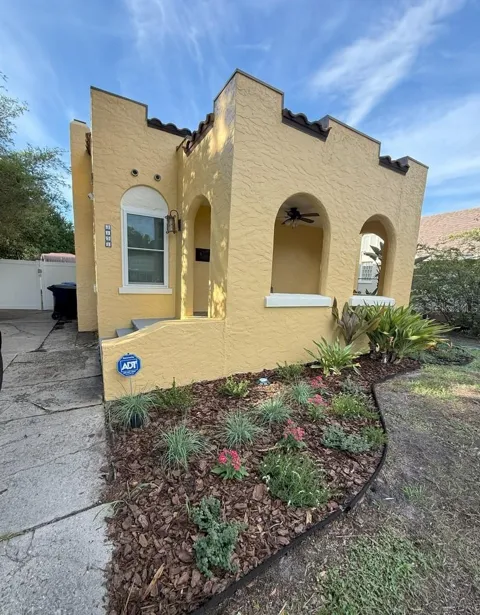
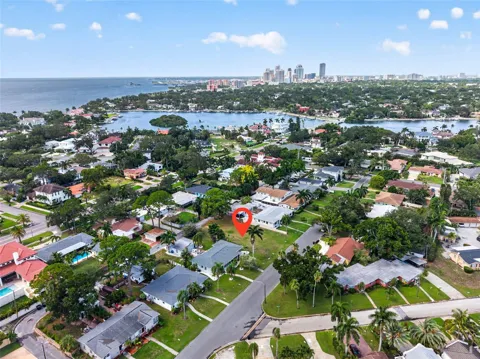
St. Petersburg is a city in Pinellas County, Florida, occupying the lower portion of a peninsula bordered by Tampa Bay to the east and the Gulf of Mexico to the west. With roughly 265,000 residents, it is one of the largest cities in the Tampa Bay region and the western anchor of a metropolitan area it shares with Tampa across the bay. The city is known as the "Sunshine City," a nickname rooted in its long run of sunny days and its history as a winter resort and retirement destination. St. Petersburg's identity is defined by its waterfront. Downtown fronts Tampa Bay, and the city's shoreline is the setting for the St. Pete Pier, a network of waterfront parks, and a cluster of cultural institutions. The city has evolved from a turn-of-the-century resort and railroad terminus into a regional center for arts, health care, and tourism, with a downtown that pairs historic architecture with a growing stock of new development. Its location on the Pinellas peninsula places Gulf beaches such as St. Pete Beach and the expansive Fort De Soto Park within minutes of the urban core. The city's neighborhoods carry much of its character. Historic Old Northeast, just north of downtown, is a designated historic district with brick streets and several thousand historic homes in Mediterranean Revival and bungalow styles. Historic Kenwood is known for its Craftsman bungalows and a strong arts community, while a broader ring of mid-century neighborhoods, waterfront communities, and redeveloping districts extends across the peninsula. The urban core around Central Avenue has become a hub of restaurants, breweries, galleries, and independent shops. St. Petersburg offers a distinctive blend of a walkable downtown, a deep arts and museum scene, and immediate access to water and beaches. Major institutions such as the Salvador Dalí Museum and the Museum of Fine Arts anchor the cultural life, while Tropicana Field brings major-league baseball to the city. Interstate 275, the Sunshine Skyway Bridge, and regional airports connect St. Petersburg to Tampa, Sarasota, and the broader Gulf Coast.

Get more information about St Petersburg
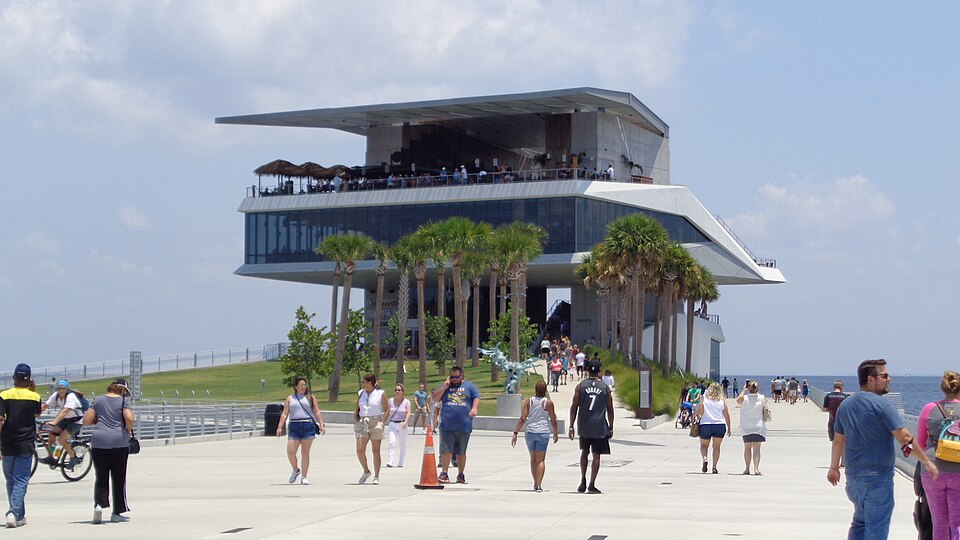 4 photos
Houses in St Petersburg, FL
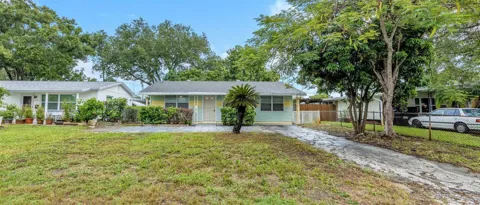
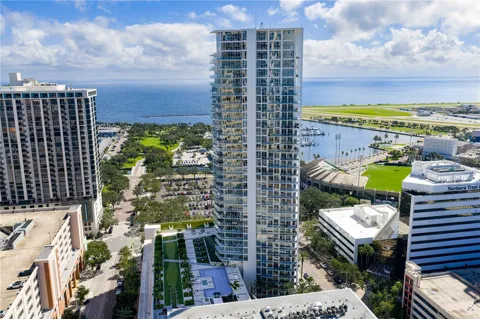
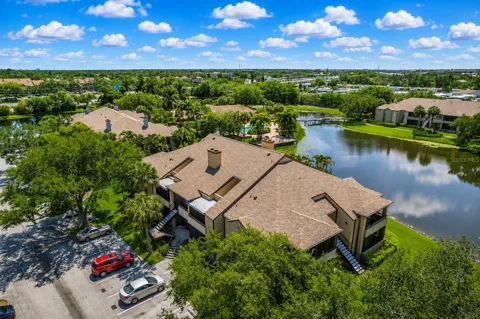
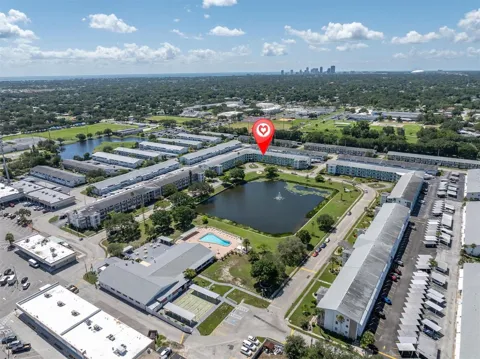
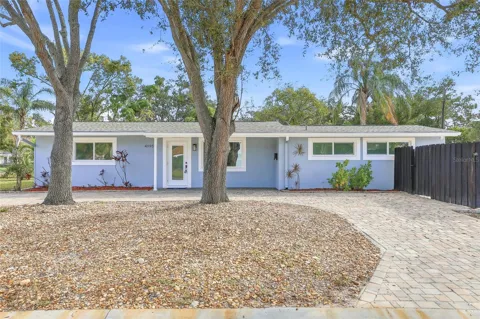
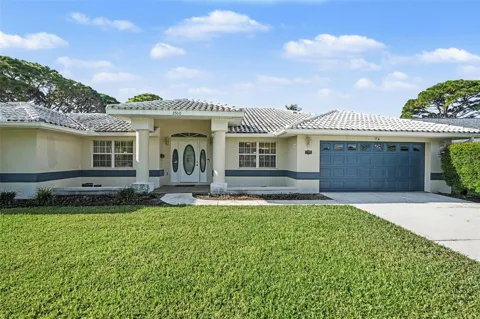
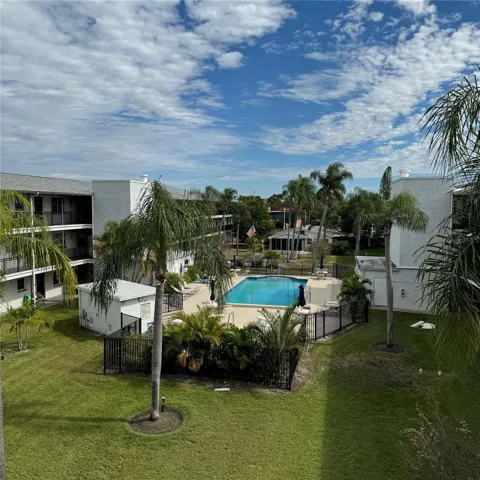
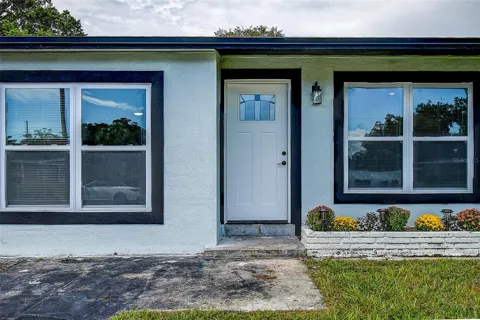
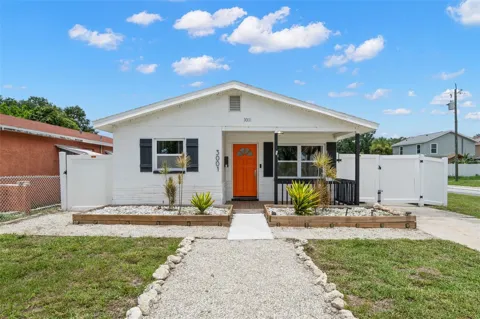
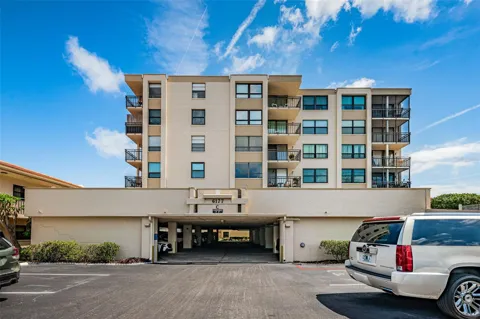
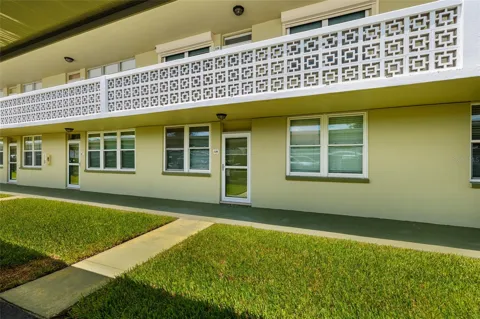
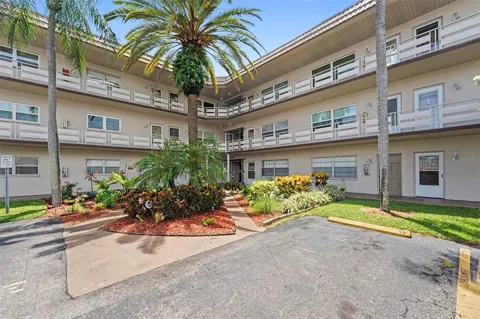
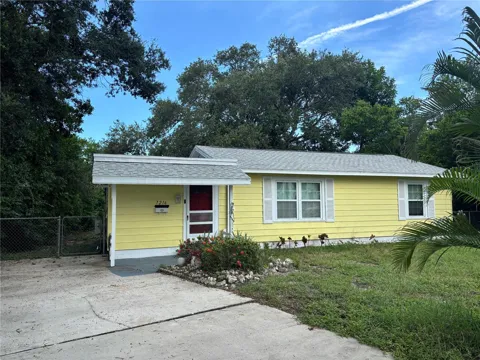
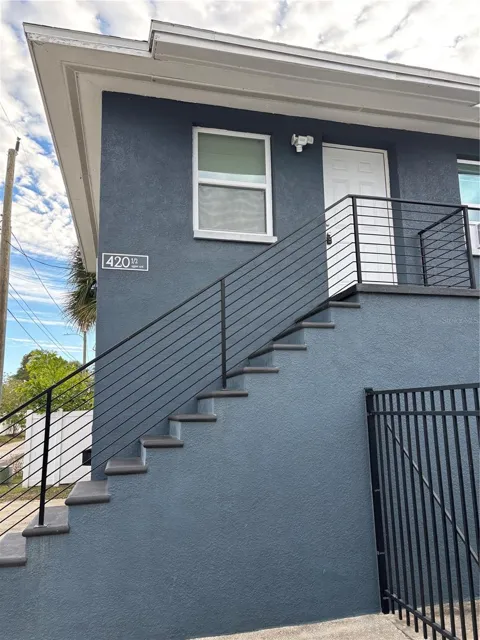
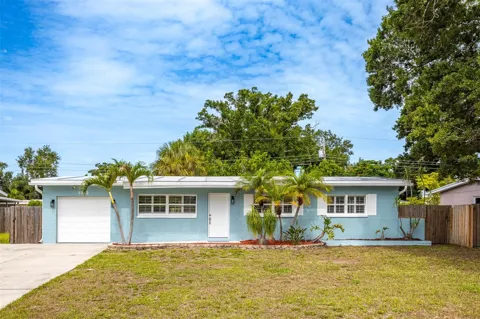
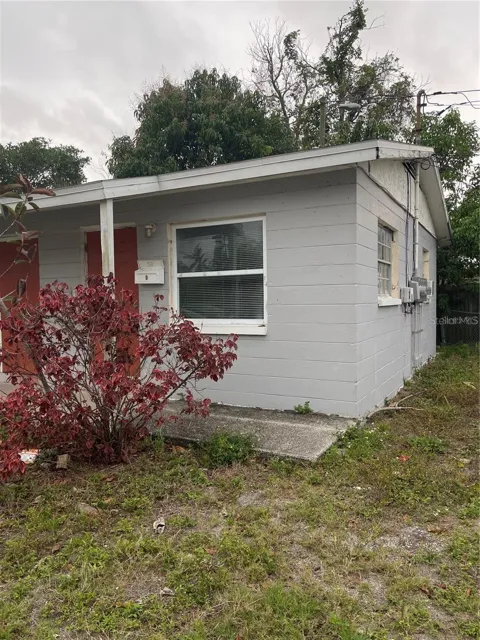
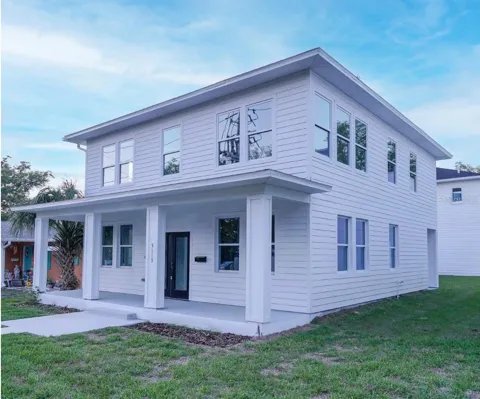
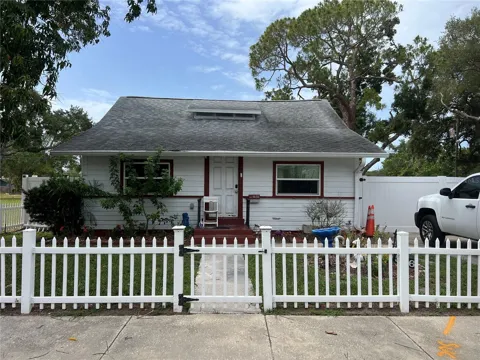
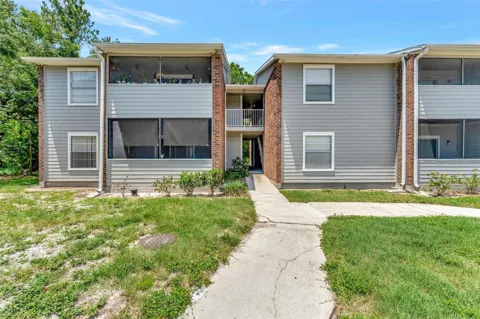
Townhouses & Duplexes in St Petersburg, FL
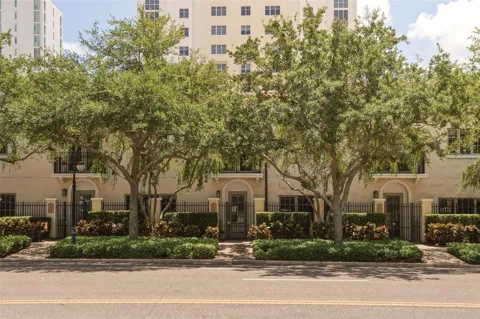
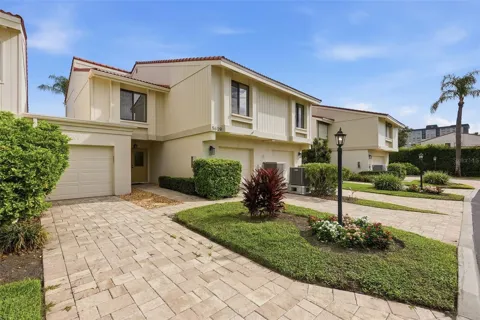
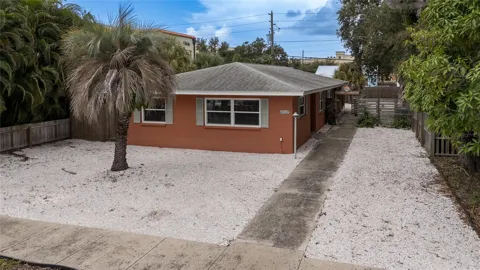
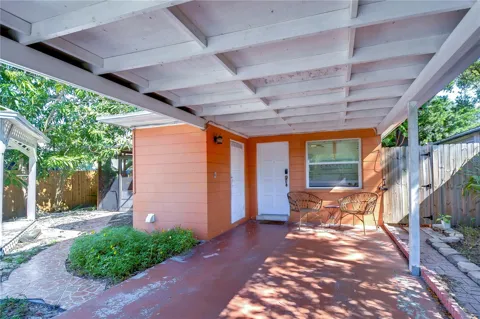
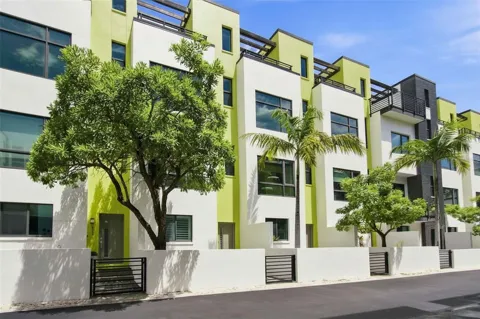
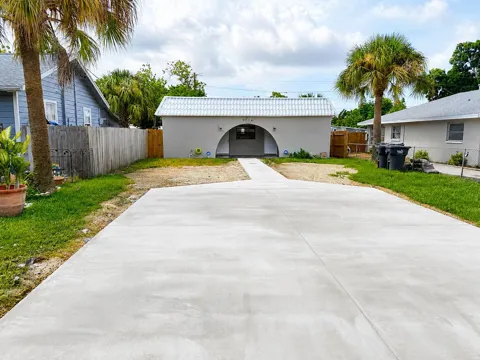
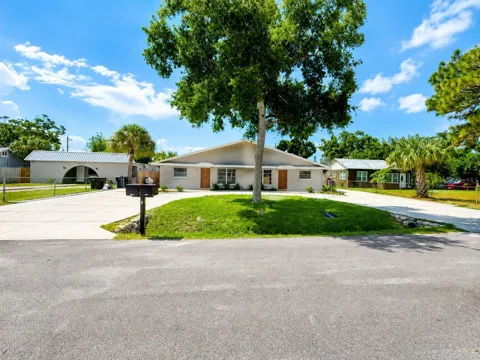
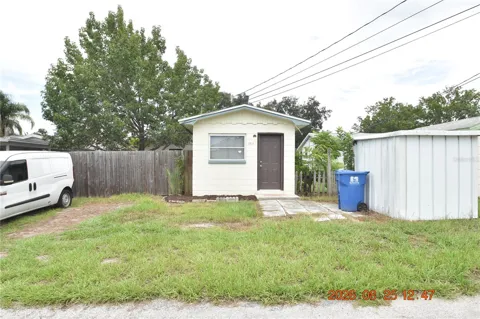
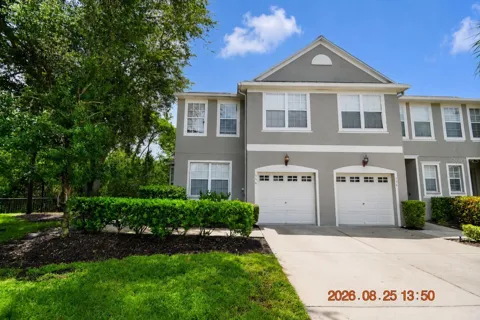
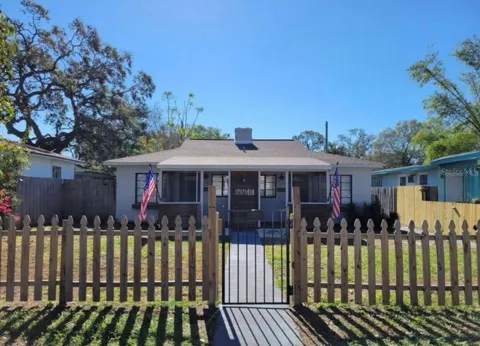
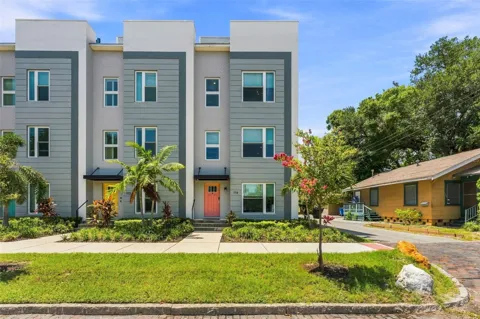
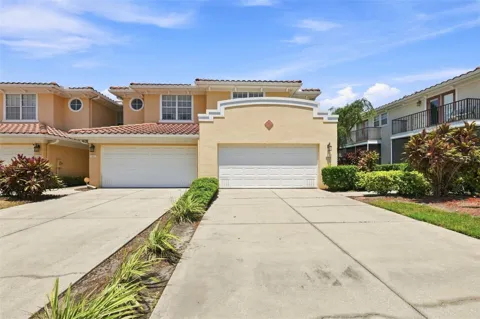
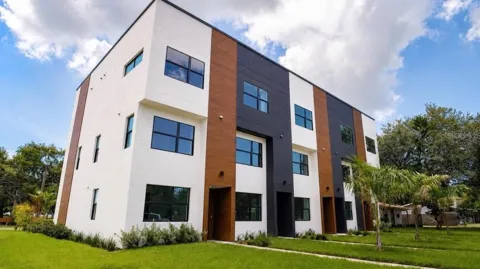
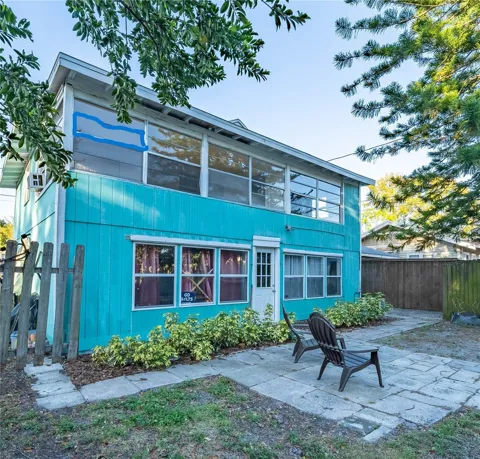
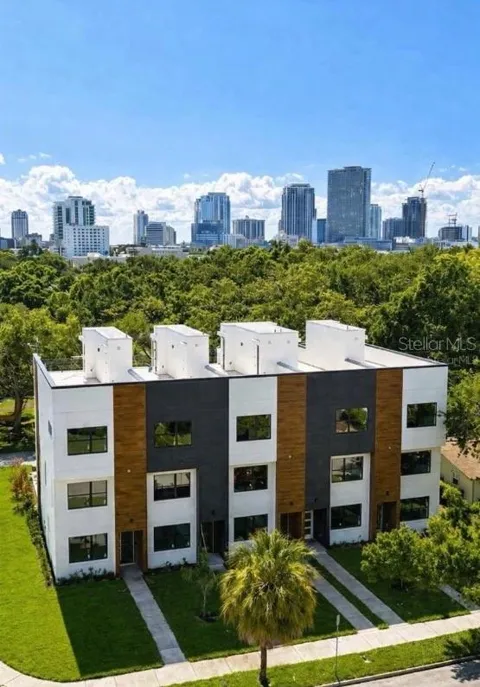
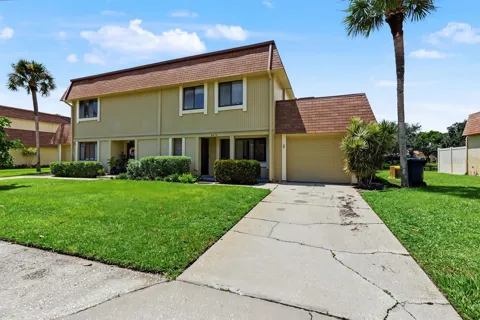
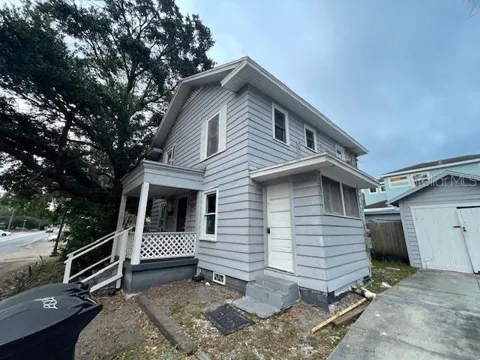
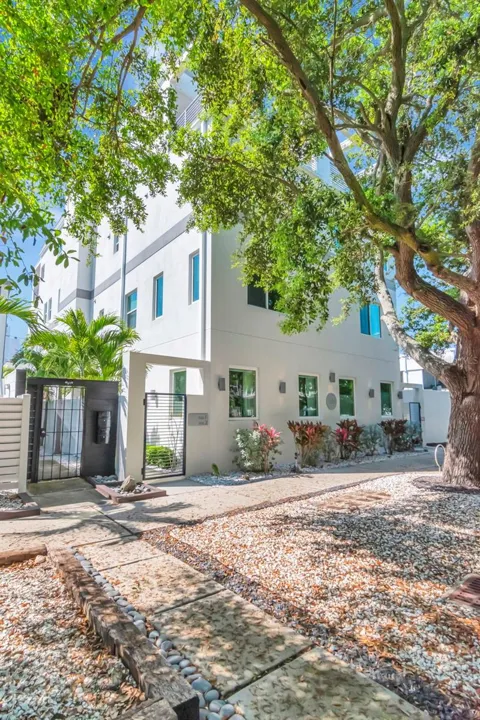
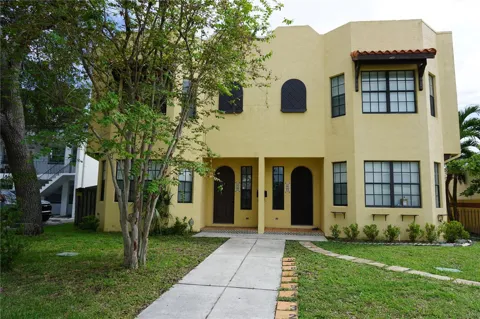
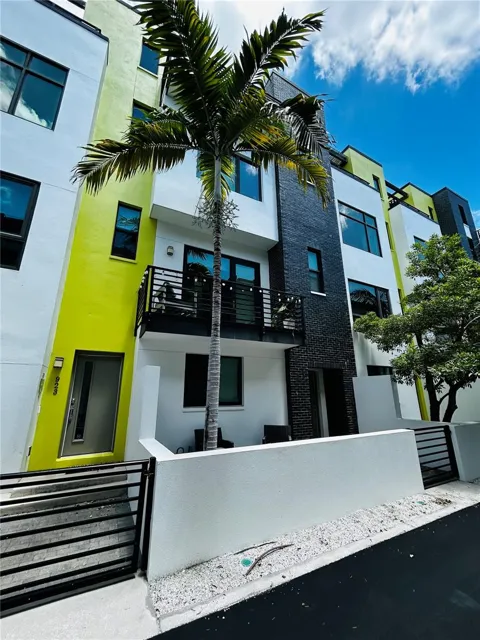
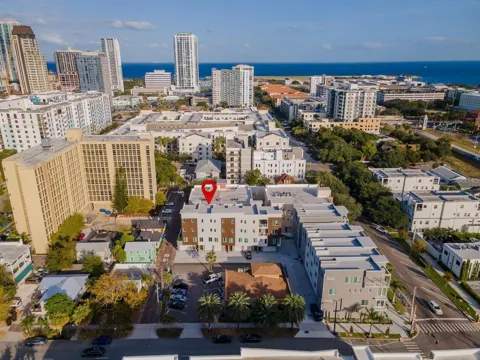
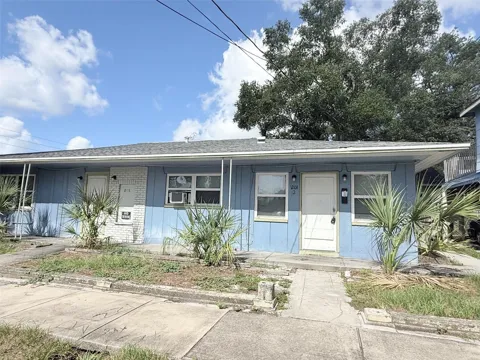
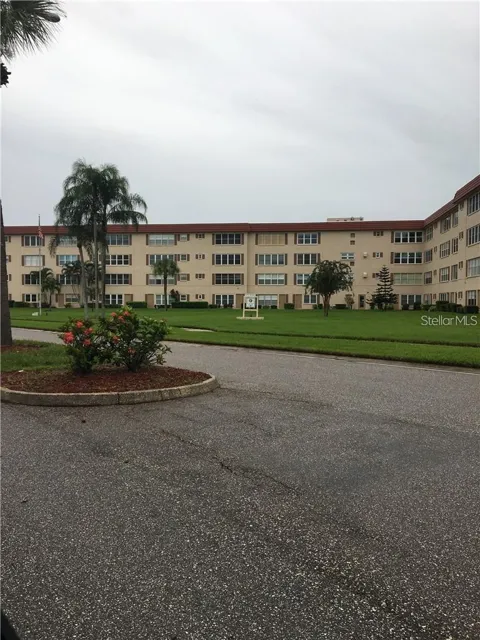
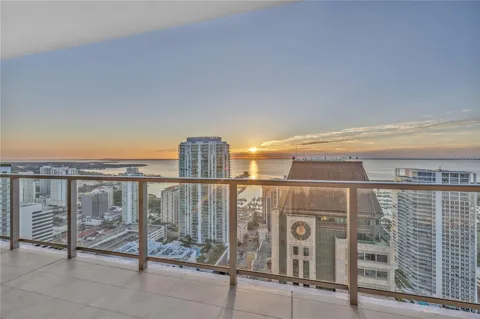
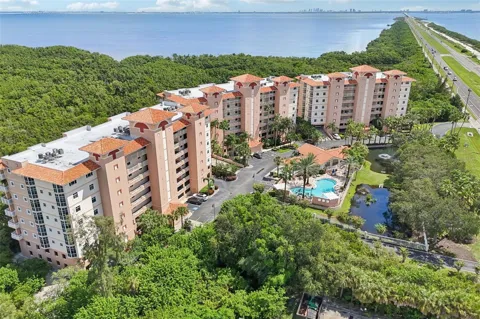
Condos & Apartments in St Petersburg, FL
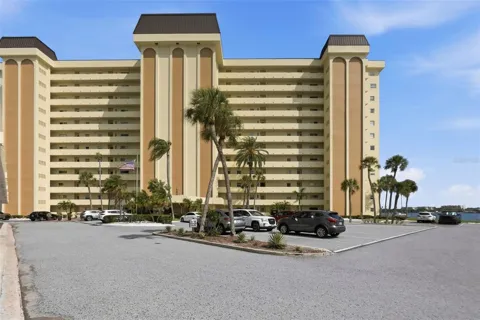
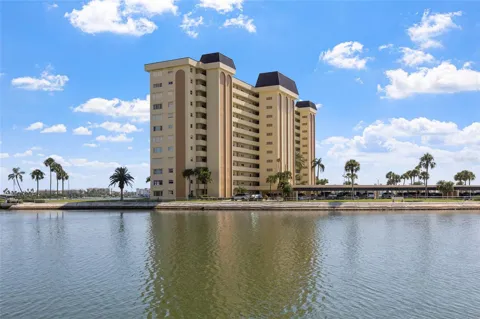
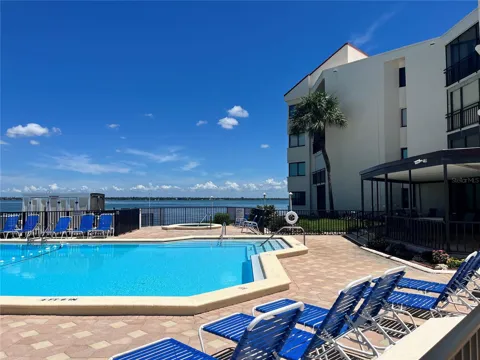
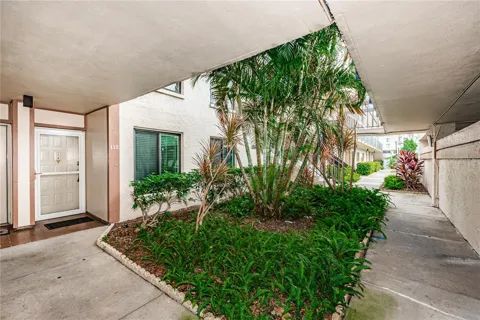
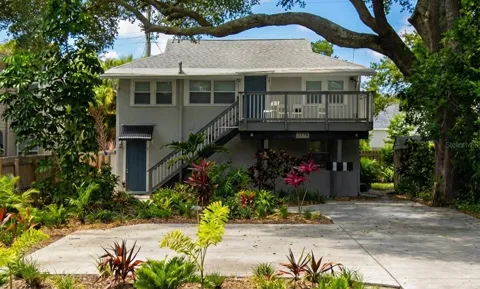
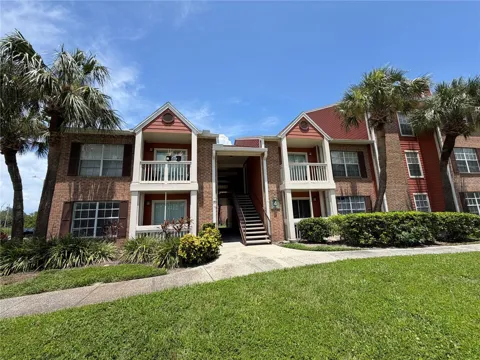
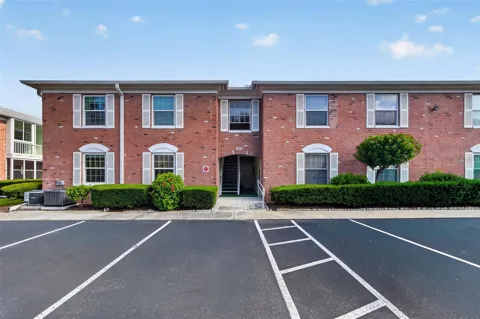
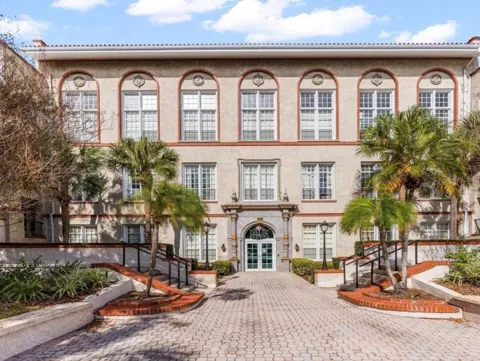
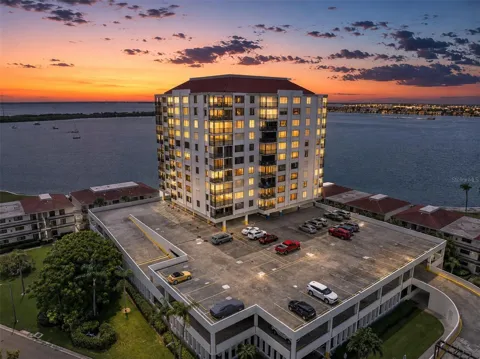
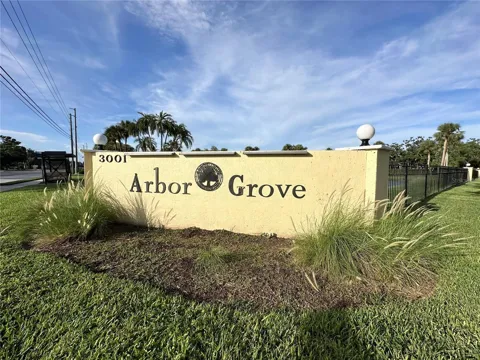
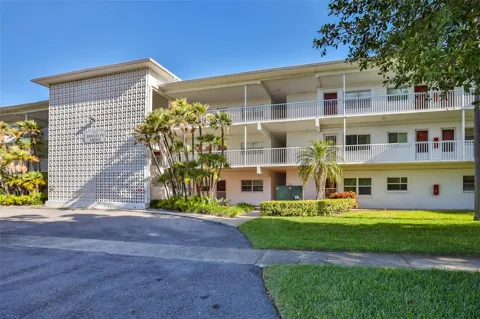
For Rent in St Petersburg, FL
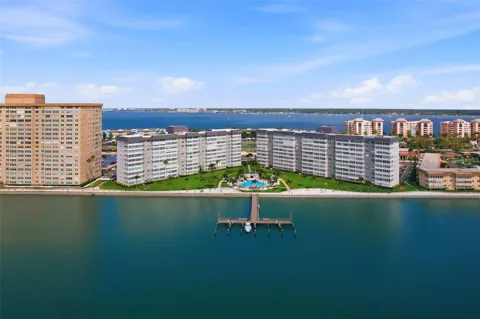
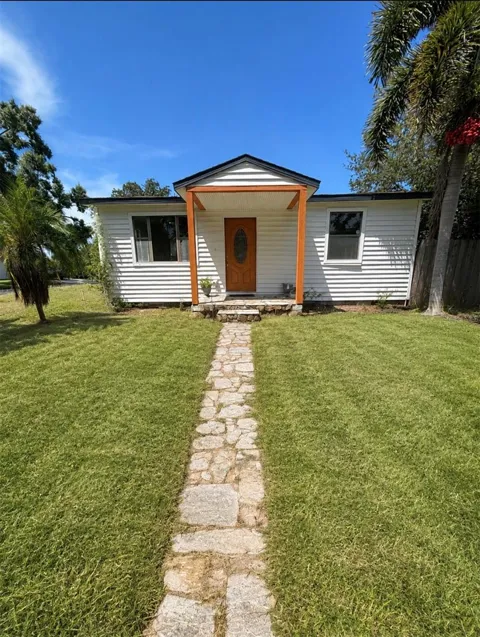
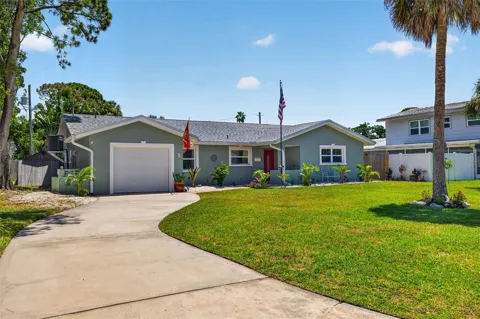
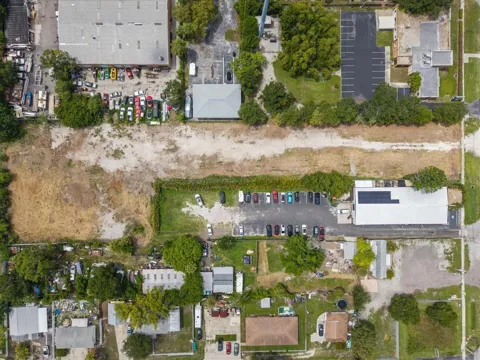
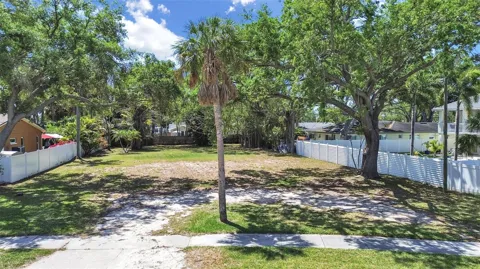
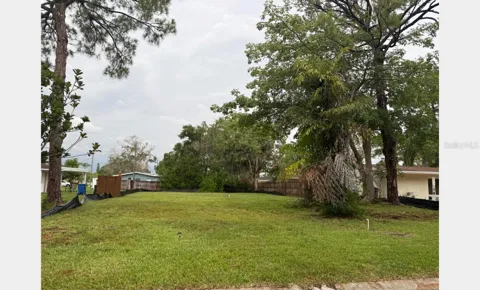
Lots & Land in St Petersburg, FL
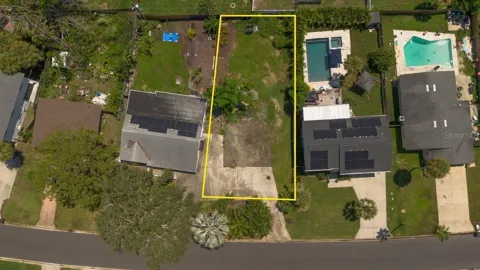
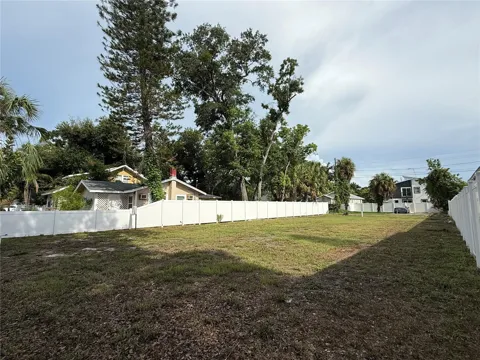

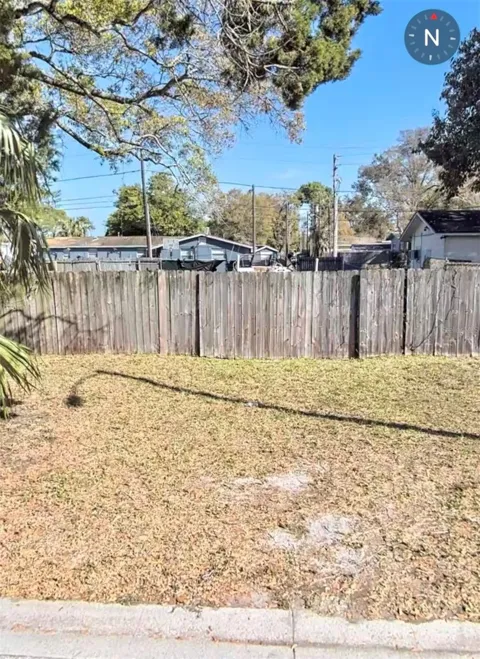
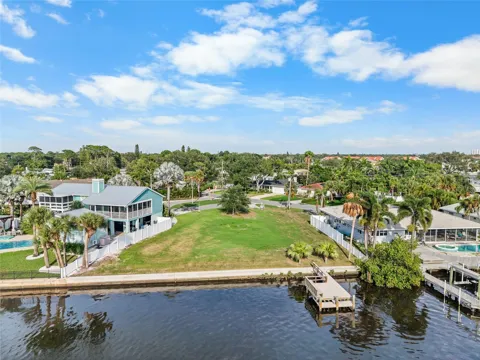
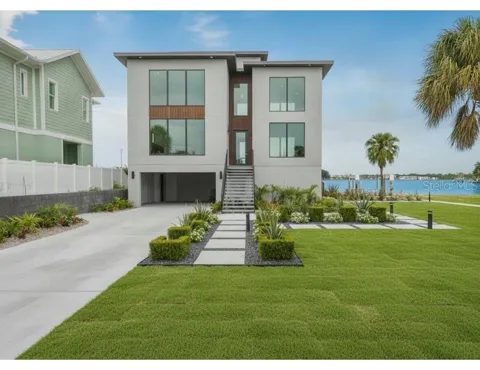
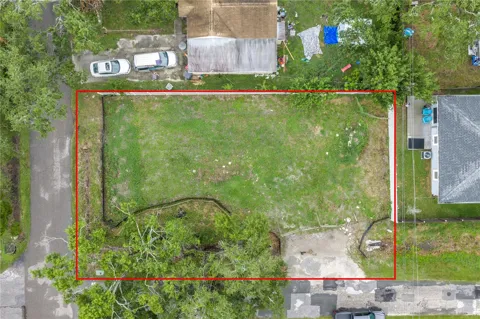
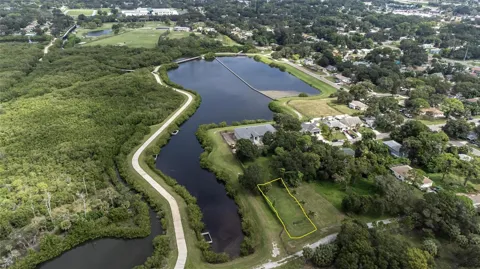
MARKET SNAPSHOT
The Market at a Glance
How homes have been selling here over the last 90 days.
Price & Sales History
Market data reflects closed sales over the last 90 days and is provided for informational purposes.
Zip Codes
BROWSE BY ZIP
Browse listings by postal code in this area.
- Grid
- Map
- List

City Guide
About St Petersburg
Real Estate & Housing
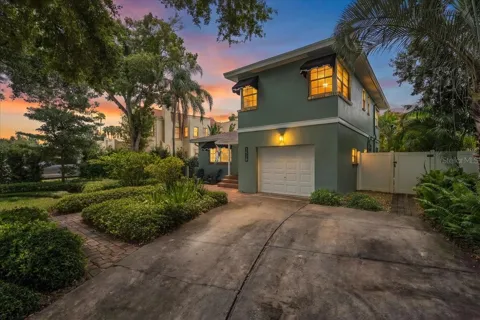
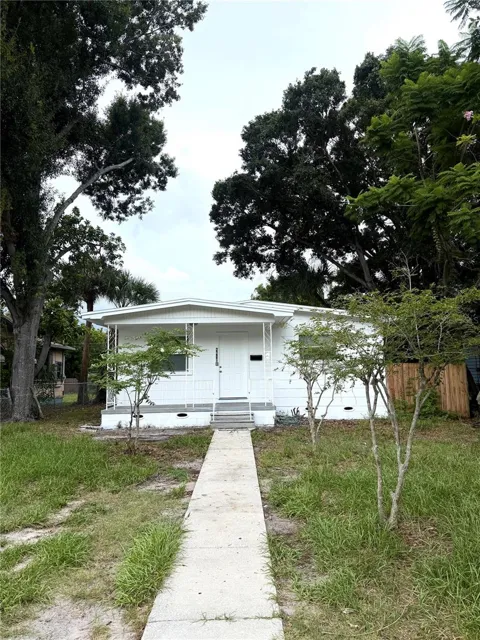
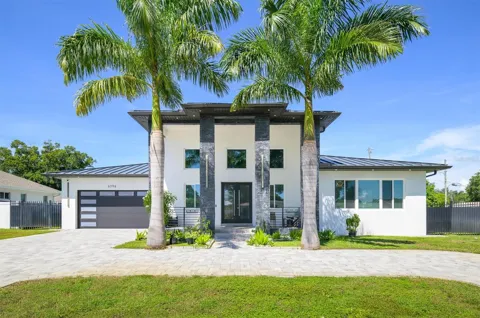
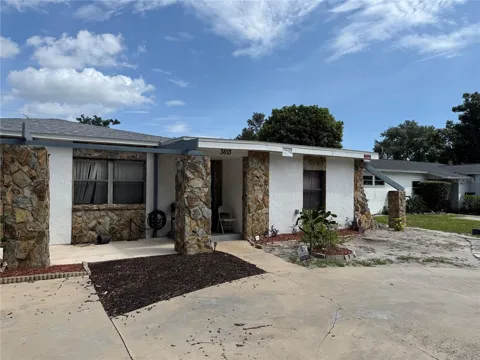
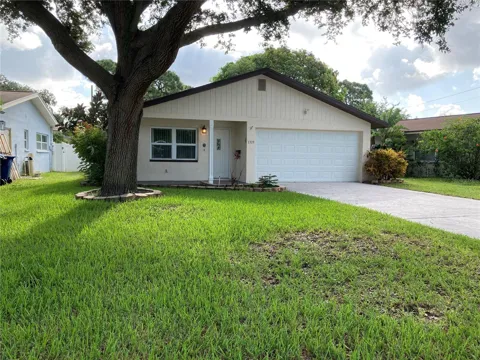
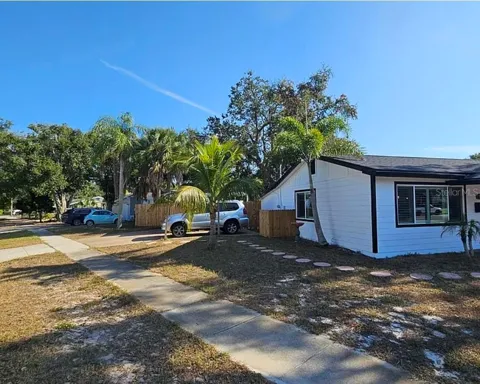
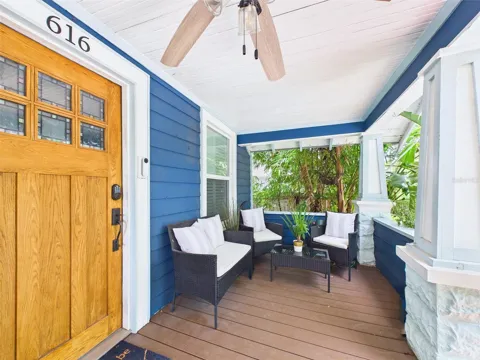
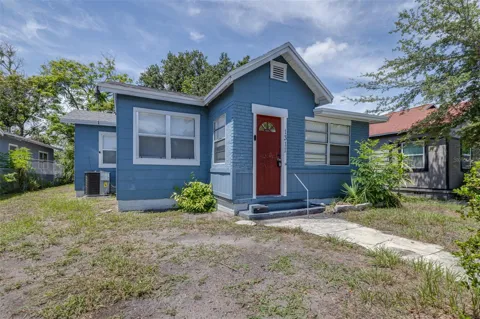
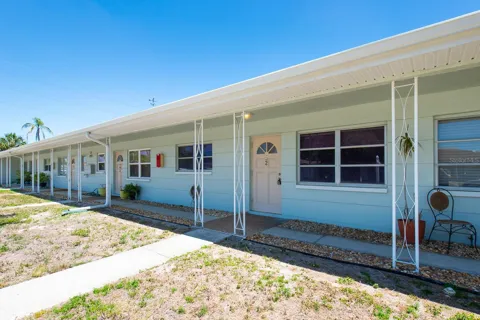
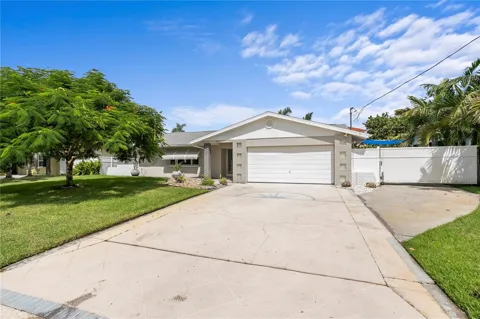
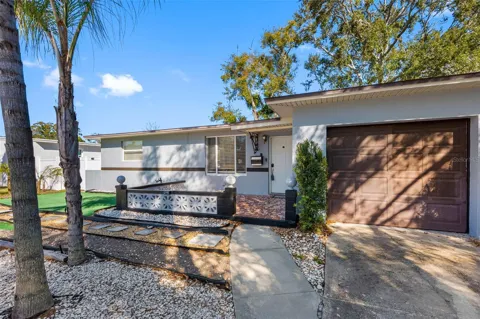
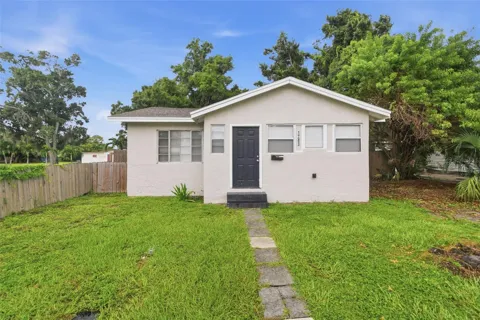
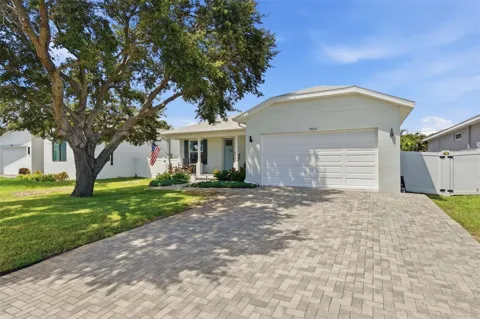
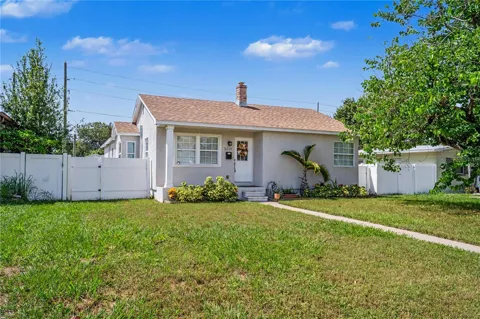
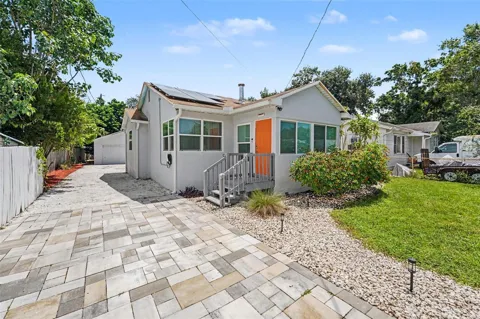
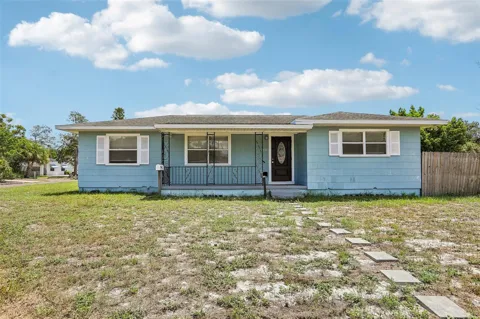
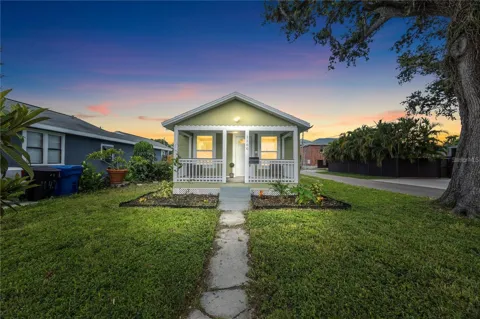
St. Petersburg's housing stock spans more than a century of building. Historic Old Northeast holds one of the largest concentrations of early-twentieth-century homes in the region, with Mediterranean Revival, bungalow, and Craftsman styles set along brick streets. Historic Kenwood is a showcase of American Craftsman bungalows and is noted for its preserved streetscapes and artist community. Away from the historic core, the city includes a broad mix of mid-century ranch homes, bungalows, and newer infill construction, while downtown and the Central Avenue corridor offer condominium buildings, townhomes, and apartments near the waterfront. Waterfront and near-beach communities add a share of higher-density residences and canal-front homes, reflecting the peninsula setting.
Neighborhoods
Historic Old Northeast, directly north of downtown, is St. Petersburg's signature residential district, with brick streets, mature trees, and thousands of historic Mediterranean Revival and bungalow homes. Historic Kenwood, west of downtown, is a Craftsman-bungalow neighborhood with several local historic districts and a strong community of artists. Downtown and the Central Avenue corridor offer a walkable, mixed-use lifestyle with condominiums, restaurants, and galleries, while the Waterfront Museum District clusters the city's major museums and the St. Pete Pier along Tampa Bay. The broader city includes a ring of mid-century residential neighborhoods, waterfront communities, and districts near the bay and the Gulf beaches.
Lifestyle in St Petersburg
St. Petersburg's lifestyle blends a walkable downtown with a nationally recognized arts scene. The Salvador Dalí Museum, the Museum of Fine Arts, and the St. Petersburg Museum of History anchor the Waterfront Museum District, while the Mahaffey Theater, American Stage, and the Palladium add performing arts. Murals and street art brighten the districts around Central Avenue, and the Saturday Morning Market draws residents downtown. Restaurants, craft breweries, and coffee shops cluster in the downtown and neighborhood districts, and Tropicana Field hosts the Tampa Bay Rays. The Gulf beaches and Fort De Soto Park are minutes away, making the outdoors a year-round part of daily life.
Schools & Education
Public education in St. Petersburg is provided by Pinellas County Schools, the district serving the entire county, which operates St. Petersburg High School and a network of elementary and middle schools across the city. The district also includes charter school options, and St. Petersburg is home to a mix of private schools serving local families. Pinellas Technical College and nearby higher-education institutions in the Tampa Bay region, including the University of South Florida's St. Petersburg campus, round out the educational landscape.
Getting Around
Interstate 275 is St. Petersburg's principal highway, running through the city and crossing Tampa Bay on the Howard Frankland Bridge to Tampa to the northeast. To the south, the Sunshine Skyway Bridge carries I-275 across the mouth of Tampa Bay toward Bradenton and Sarasota, while the Pinellas Bayway connects the city to St. Pete Beach and Fort De Soto Park. The Pinellas Suncoast Transit Authority provides local bus service, and the region is served by Tampa International Airport and St. Pete-Clearwater International Airport for air travel. The downtown waterfront is also home to Albert Whitted Airport, a general-aviation field.
Parks & Recreation
St. Petersburg's recreation is defined by water. The downtown waterfront offers parks, the St. Pete Pier, and walking and biking paths along Tampa Bay, while the Gulf beaches and Fort De Soto Park — with its beaches, nature trails, historic fort, and dog beach — lie just across the Pinellas Bayway. Boating, kayaking, and paddling trails are accessible throughout the bay and the surrounding waters. Tropicana Field hosts major-league baseball, and the city's parks system and community events, including the downtown Saturday Morning Market, keep residents connected to the outdoors and to each other year-round.
About St Petersburg
Frequently asked questions
What county is St. Petersburg in?
St. Petersburg is in Pinellas County, Florida, on a peninsula bordered by Tampa Bay to the east and the Gulf of Mexico to the west. It anchors the western side of the Tampa Bay region, opposite Tampa across the bay.
Why is St. Petersburg called the Sunshine City?
St. Petersburg earned the nickname "the Sunshine City" for its long run of sunny days and its history as a winter resort and retirement destination. The name remains a point of local pride and appears widely in the city's identity and marketing.
What school district serves St. Petersburg?
St. Petersburg is served by Pinellas County Schools, the district that covers the entire county. It operates St. Petersburg High School and a network of elementary and middle schools, along with charter school options. Higher education in the city includes the University of South Florida's St. Petersburg campus.
What is St. Petersburg known for?
St. Petersburg is known for its waterfront downtown, the Salvador Dalí Museum, the Museum of Fine Arts, and the St. Pete Pier. It is also recognized for its Gulf beaches, Fort De Soto Park, and Tropicana Field, home of the Tampa Bay Rays.
How do you get from St. Petersburg to Tampa?
Interstate 275 is the main connection, crossing Tampa Bay on the Howard Frankland Bridge into Tampa. The Gandy Bridge offers an additional crossing to the north. To the south, the Sunshine Skyway Bridge carries I-275 across the bay toward Bradenton and Sarasota.
What are St. Petersburg's main neighborhoods?
Historic Old Northeast and Historic Kenwood are the city's best-known residential districts, known for Mediterranean Revival and Craftsman bungalow homes. Downtown and the Central Avenue corridor offer an urban, walkable lifestyle, while the waterfront and near-beach communities extend across the peninsula.
Still have questions about St Petersburg?
Get in touchExplore the area