North Central Florida's Horse Capital
Listings in ocala, FL
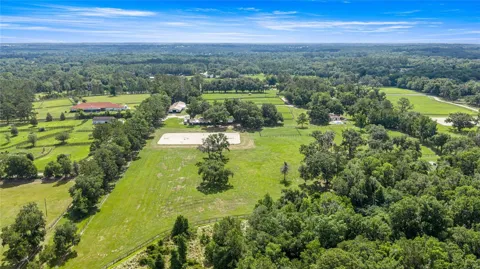
Welcome to Ocala, the Marion County seat set amid rolling Thoroughbred farms and the crystal-clear springs of north-central Florida.
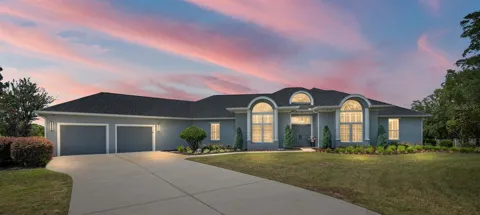
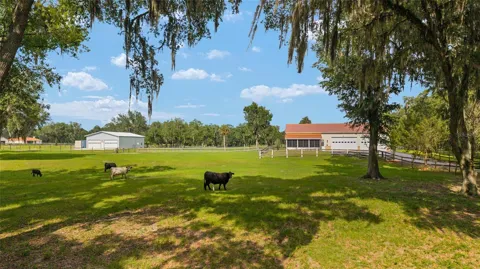
Ocala is the county seat of Marion County, in north-central Florida between Gainesville and the Orlando metropolitan area. The city sits along Interstate 75, with State Road 40 running east toward Silver Springs and the Ocala National Forest. Long a center of agriculture and limestone quarrying, Ocala developed into a nationally significant equine center, and its surrounding countryside is home to hundreds of Thoroughbred breeding, training, and sales operations. That equine industry anchors a local economy that also includes distribution, healthcare, and manufacturing. The city's residential character spans several eras. The downtown Historic District preserves Queen Anne Revival and Victorian homes from the late nineteenth century beneath mature live oaks, while established neighborhoods such as Tuscawilla-Wyomina and Ocala Highlands offer Colonial Revival and mid-century ranch houses. Newer communities on the south and west sides add Florida Mediterranean and contemporary construction. Because Marion County retains large tracts of rural land, homes often sit on larger lots than in the state's coastal metros, and equestrian properties with barns and pastures are a defining part of the regional market. Recreation centers on water and open space. Silver Springs State Park, one of Florida's oldest attractions, offers glass-bottom boat tours over its artesian springs, and the Ocala National Forest surrounds the city to the east with spring-fed swimming holes, paddling trails, and the Juniper Prairie Wilderness. Residents also have access to a network of city parks and, farther out, the lakes and campgrounds of the national forest. Public education is provided by Marion County Public Schools, headquartered in Ocala, with private and charter options alongside. For travel, Interstate 75 links Ocala southwest to Tampa and the Gulf Coast, while the Florida Turnpike corridor southeast of town provides a route toward Orlando, placing major regional airports within roughly an hour and a half to two hours by car.

Get more information about ocala
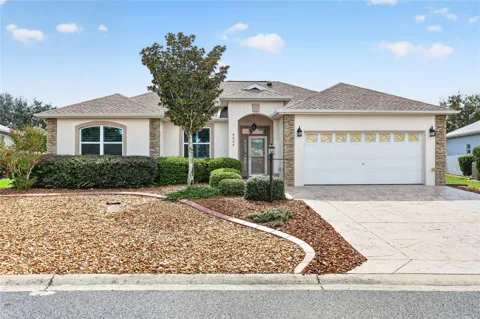
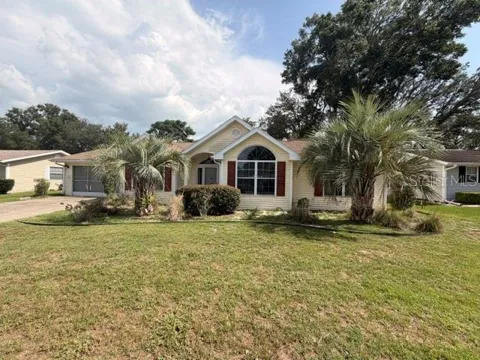
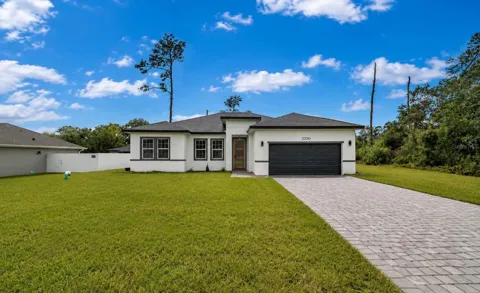
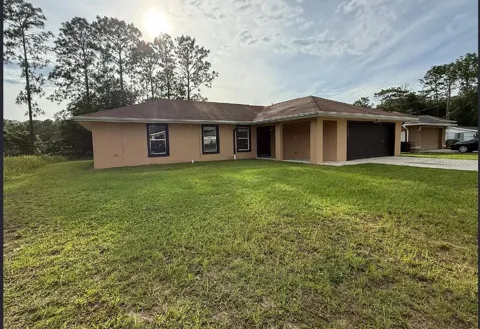
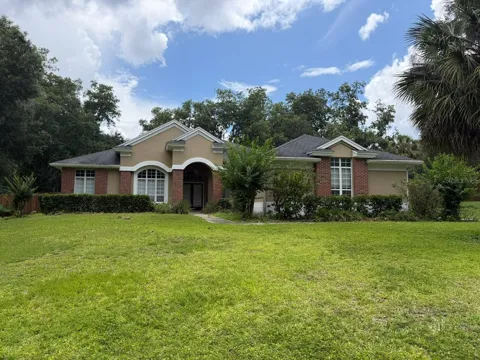
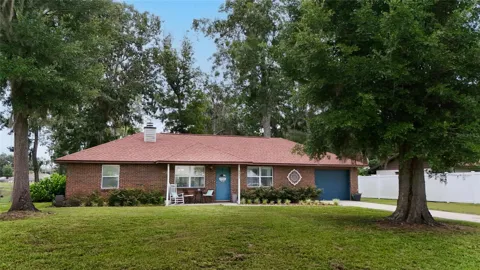
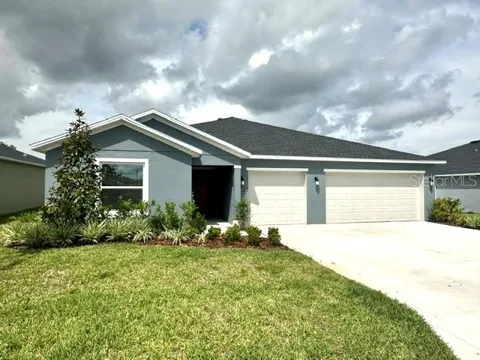
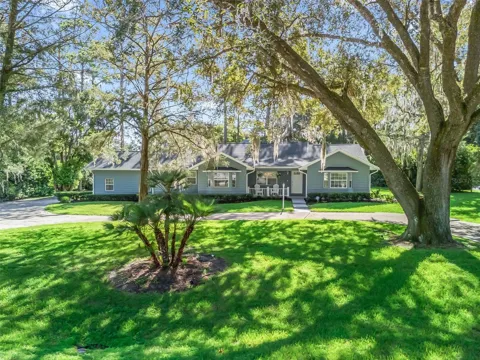
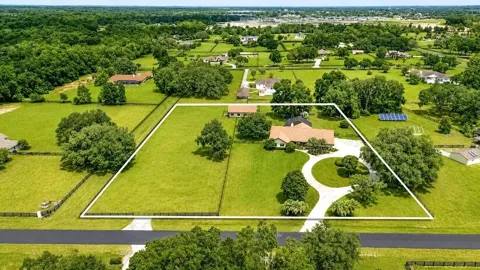
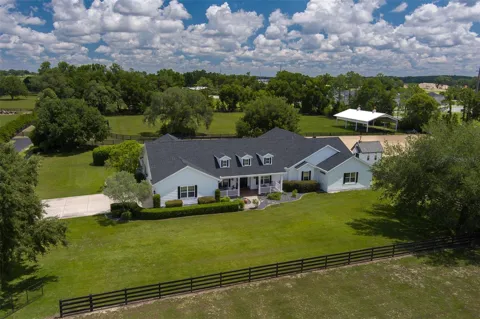
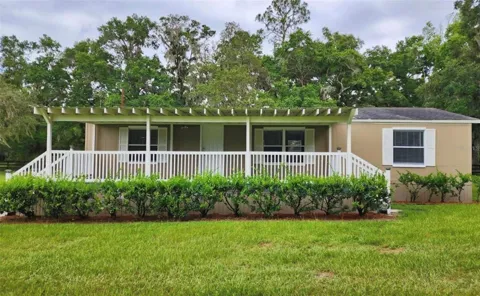
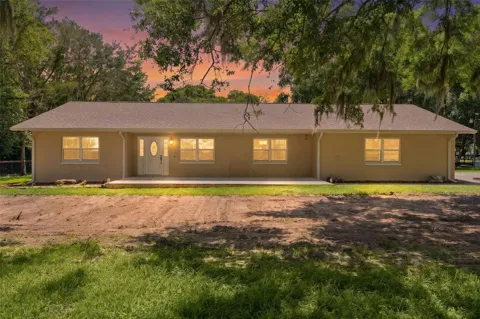
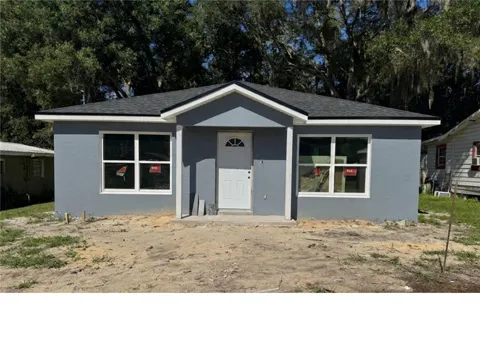
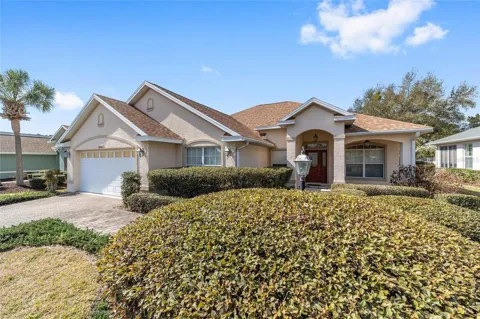
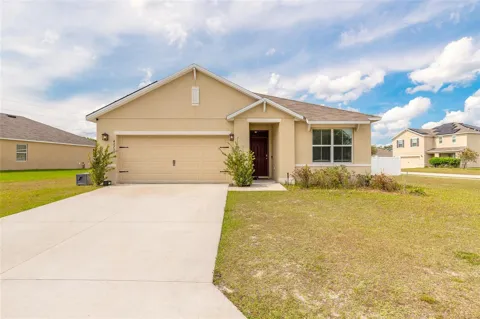
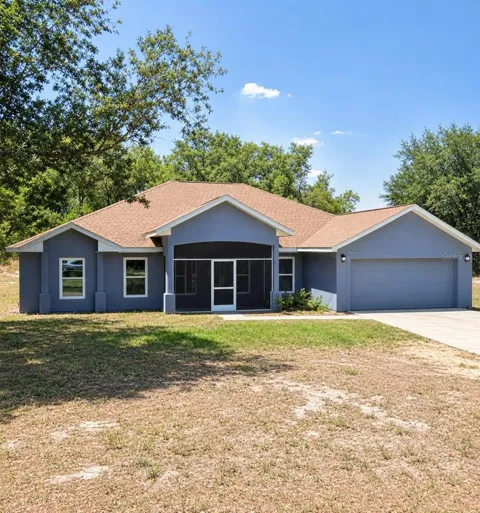
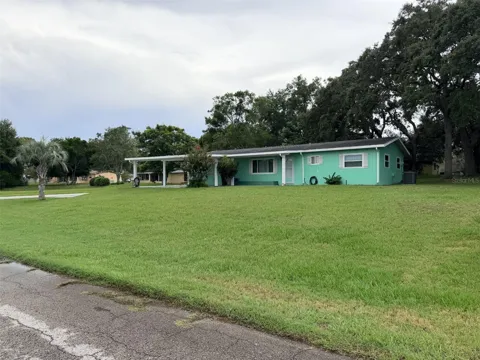
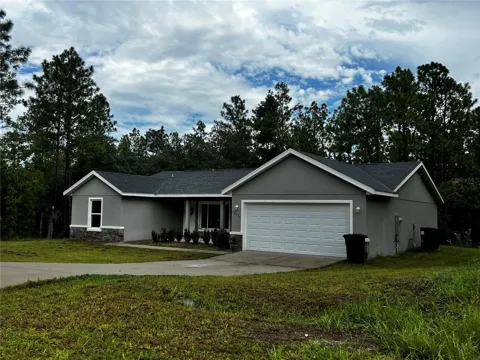
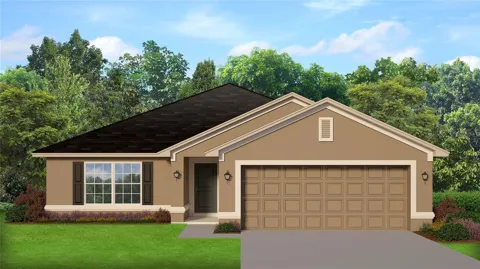
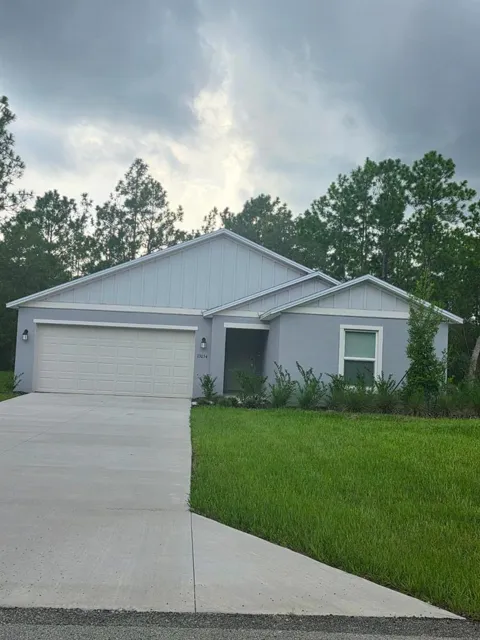
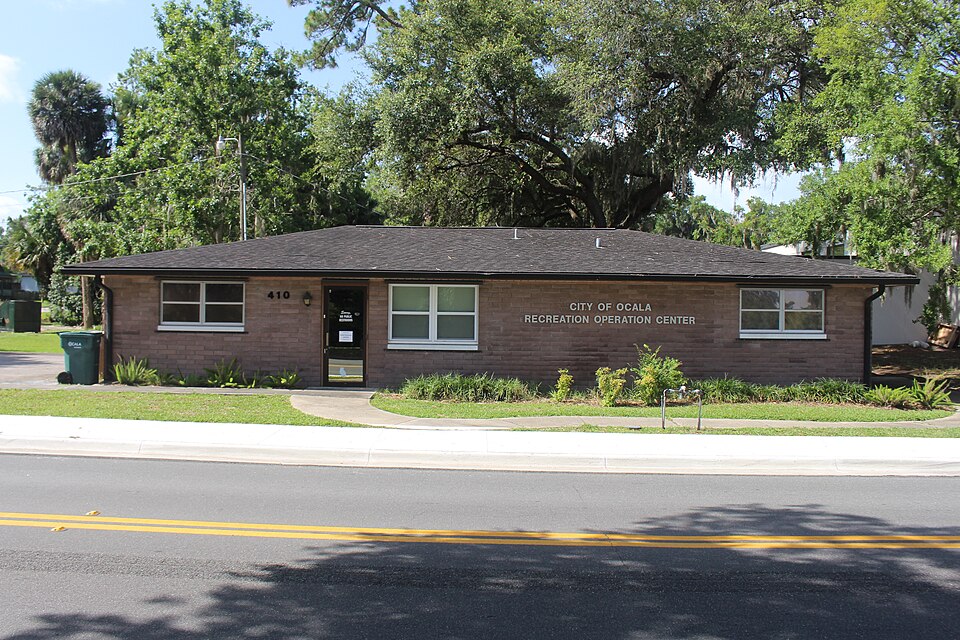 4 photos
Houses in ocala, FL
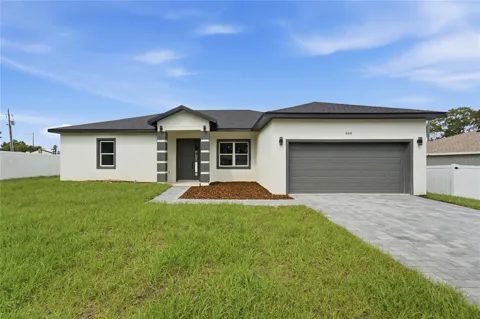

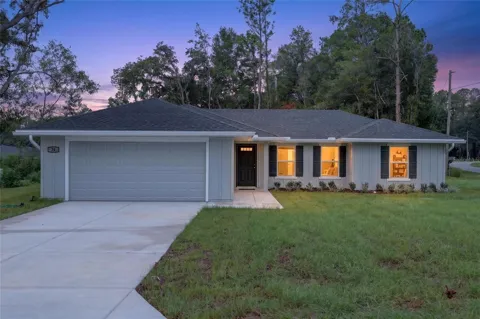
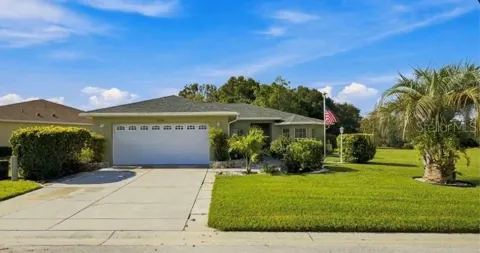
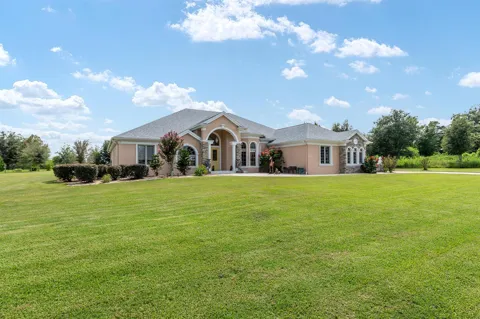
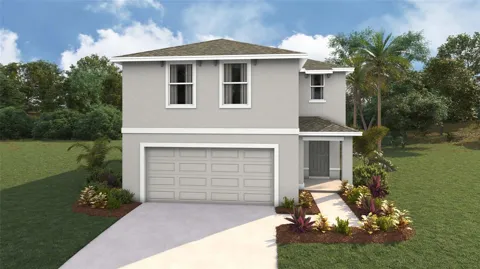
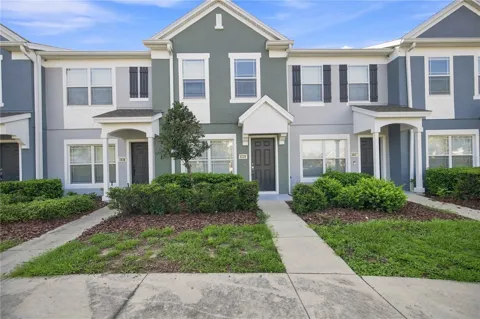
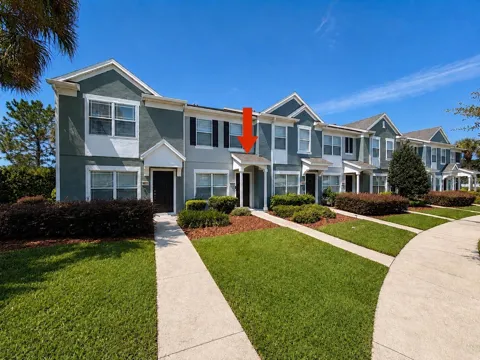
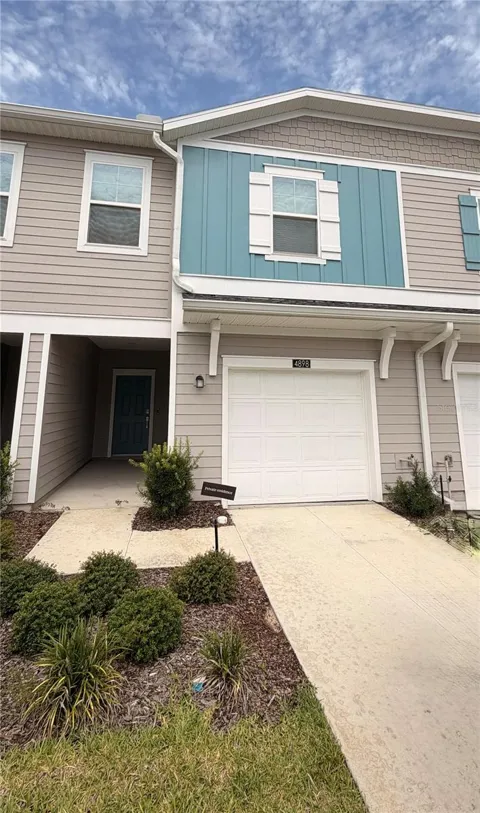
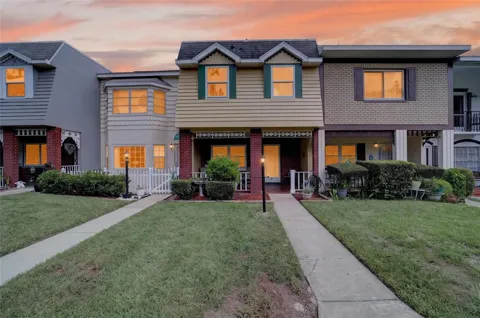
Townhouses & Duplexes in ocala, FL
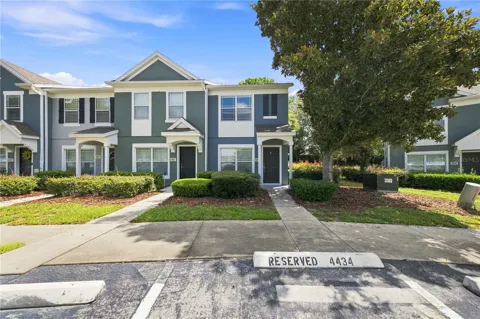
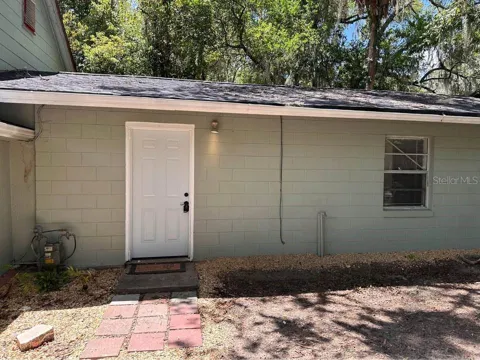
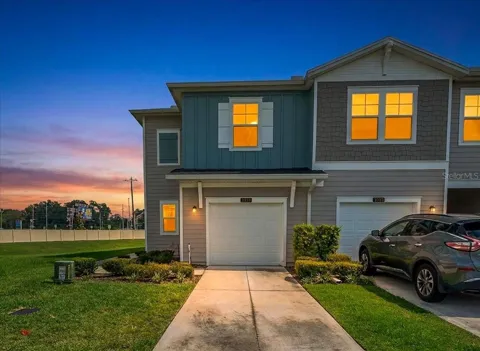
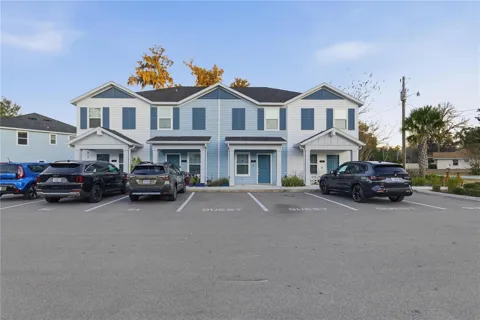
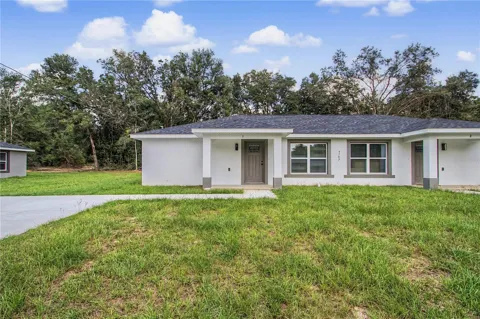
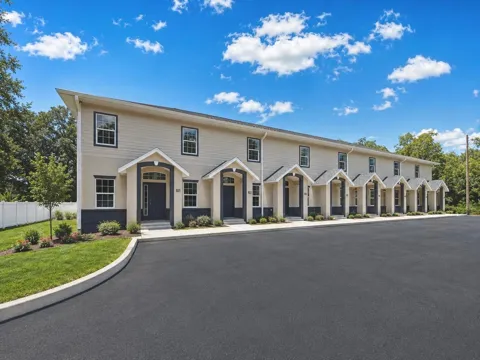
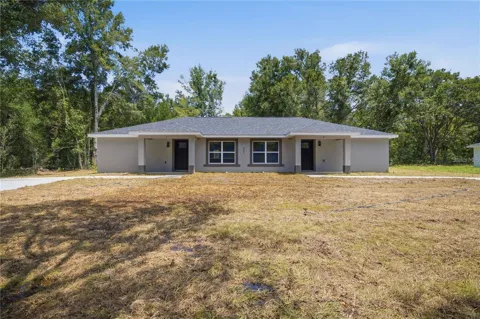
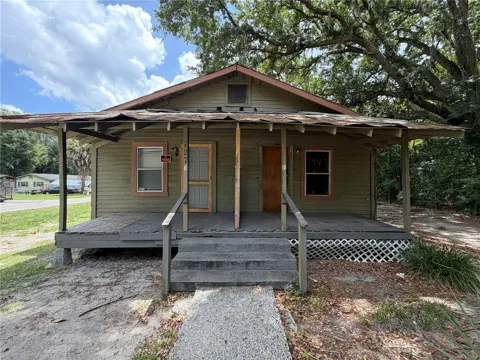
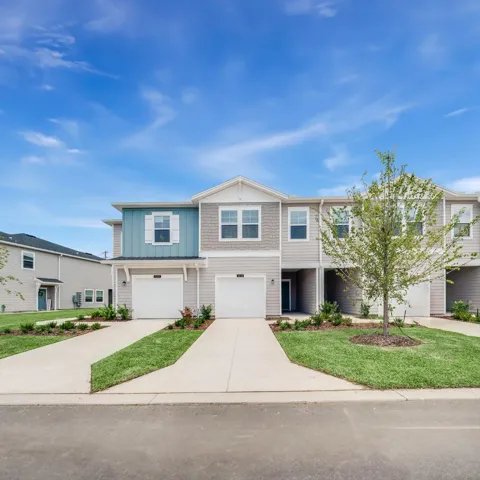
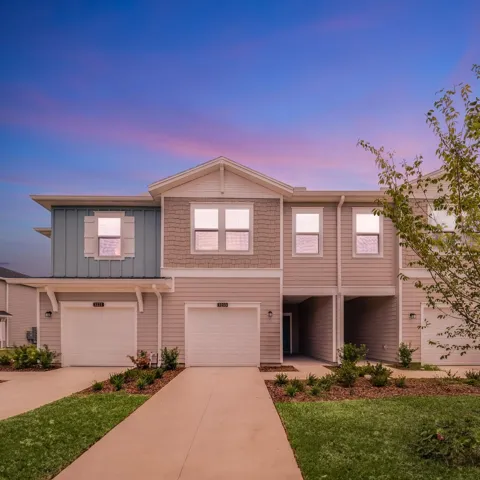
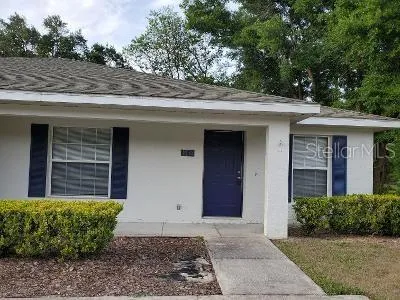
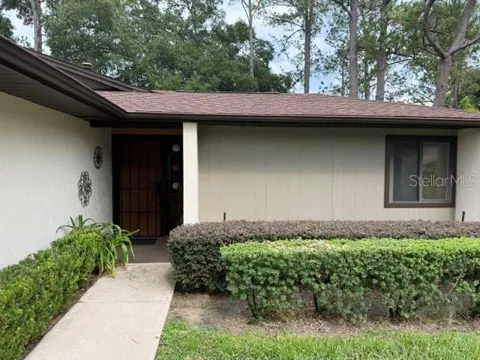
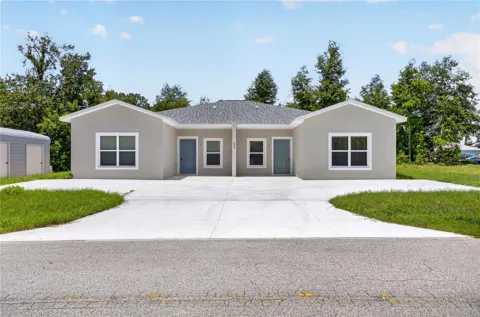
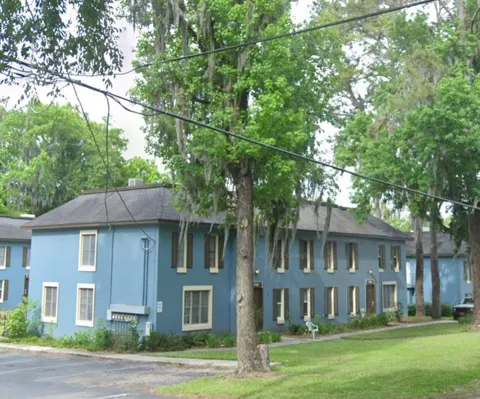
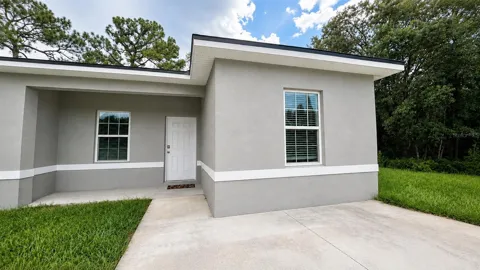
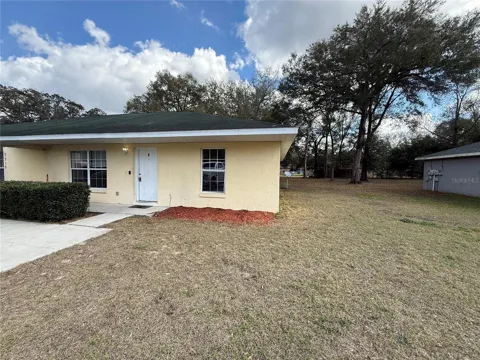
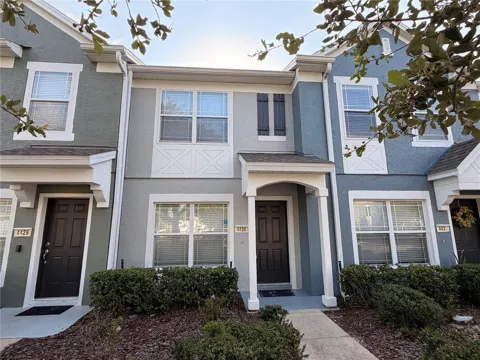
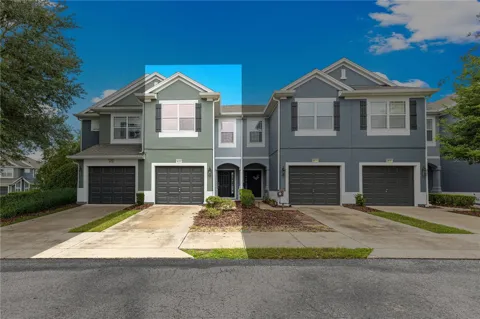
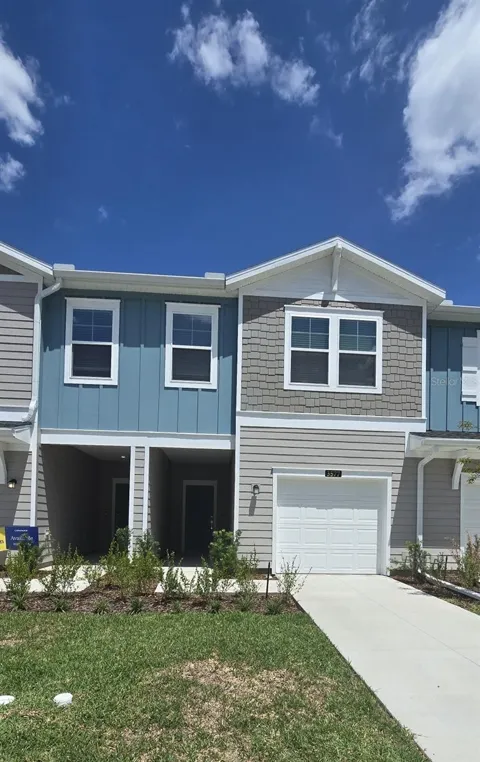
Condos & Apartments in ocala, FL
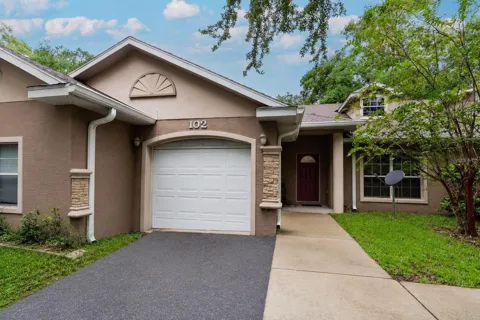
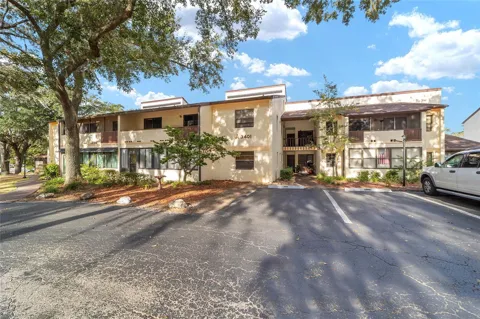
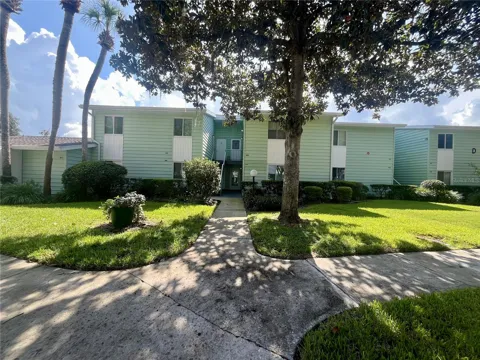
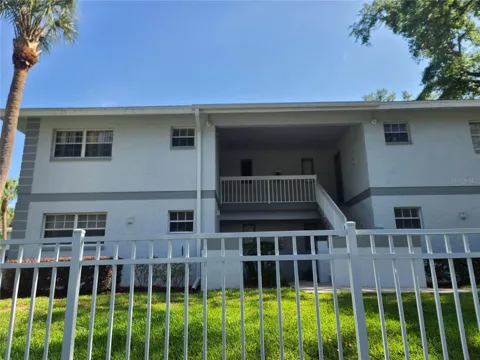

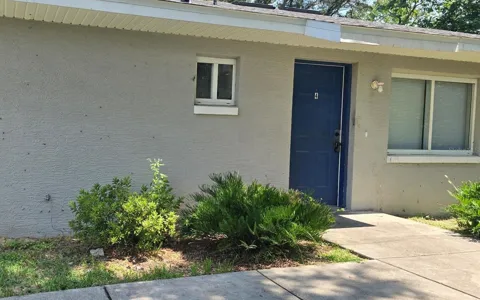
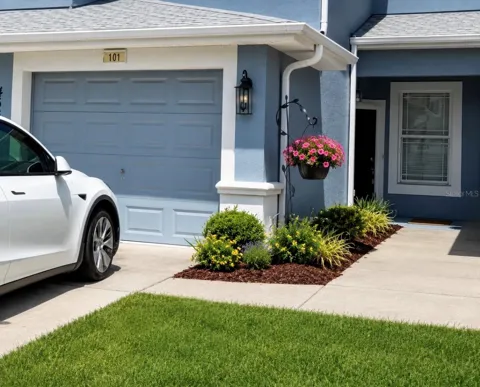
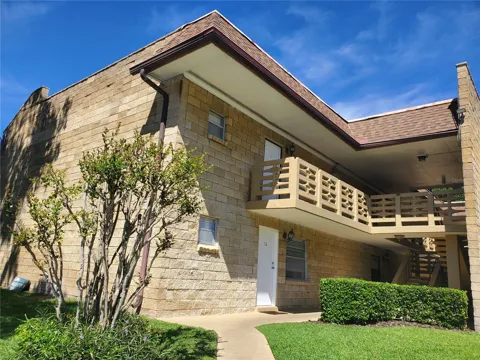
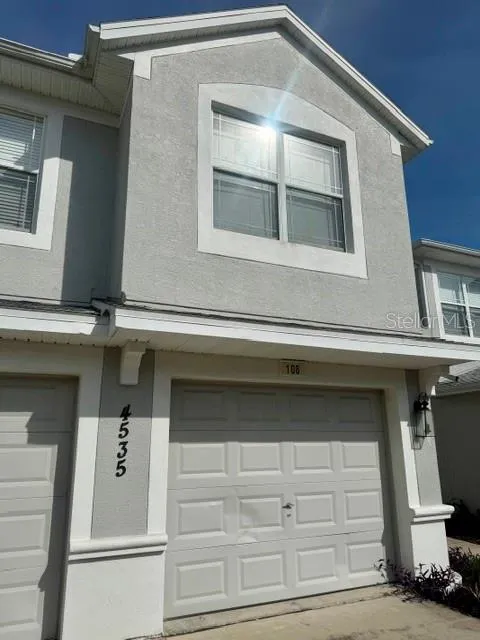
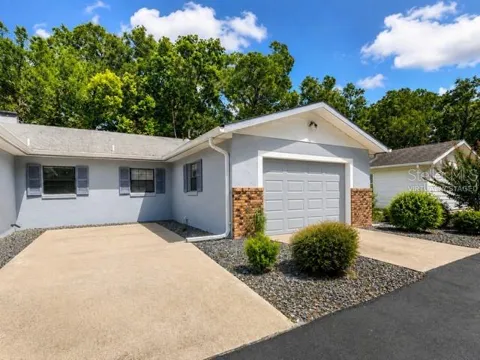
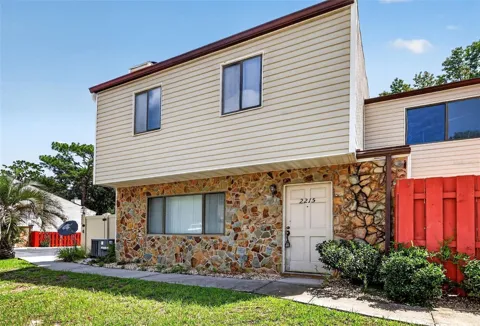
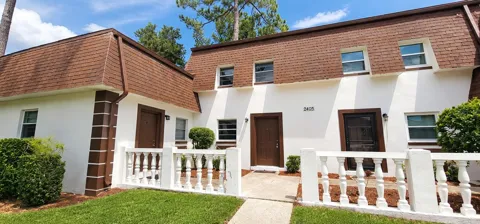
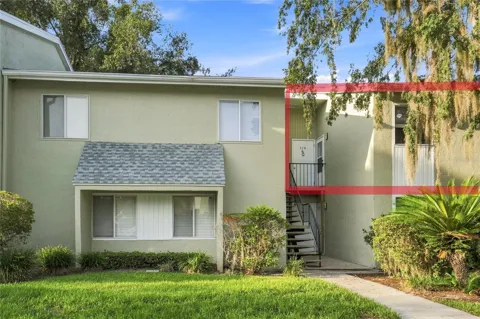
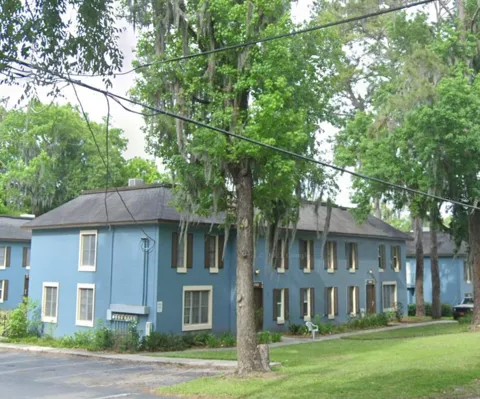
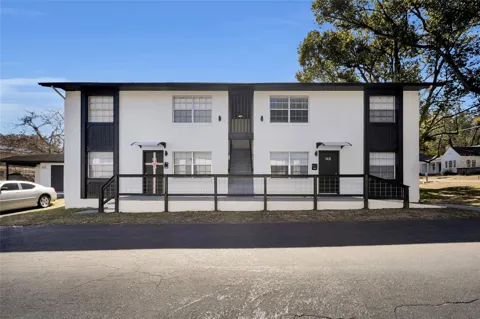
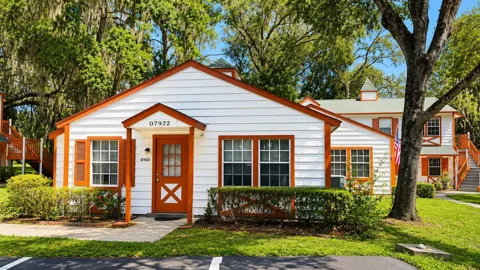
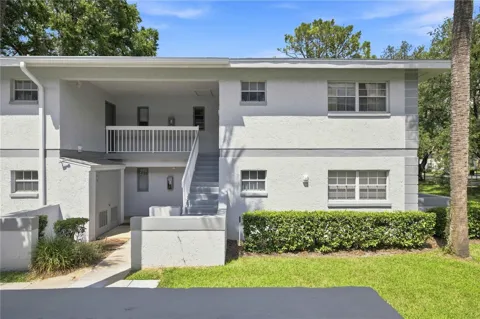
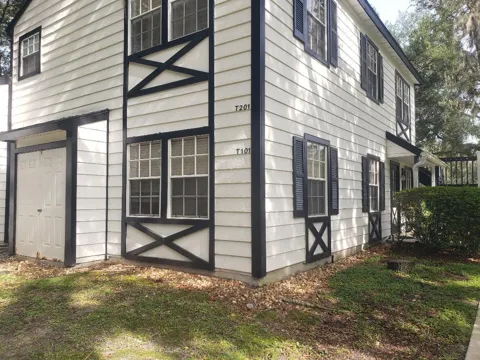
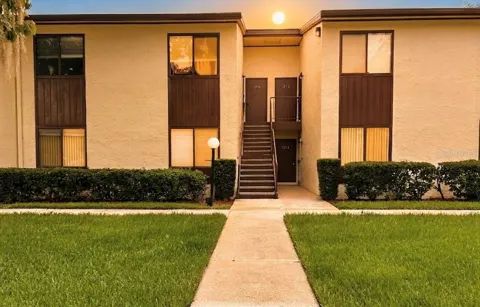
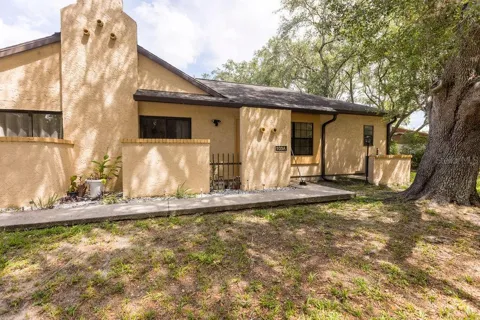
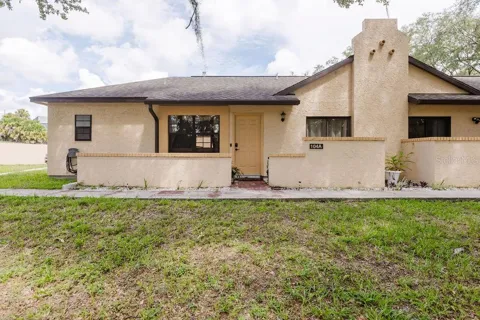
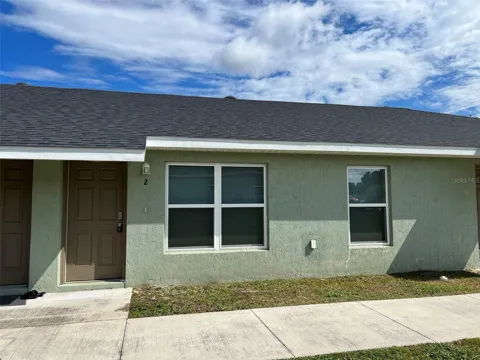
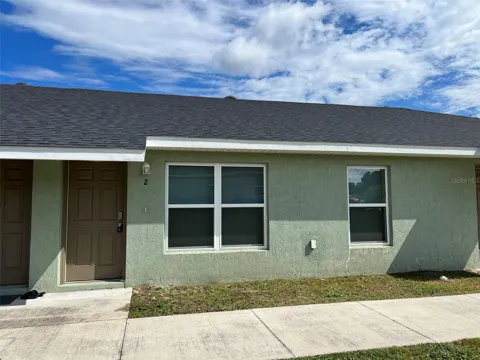
For Rent in ocala, FL
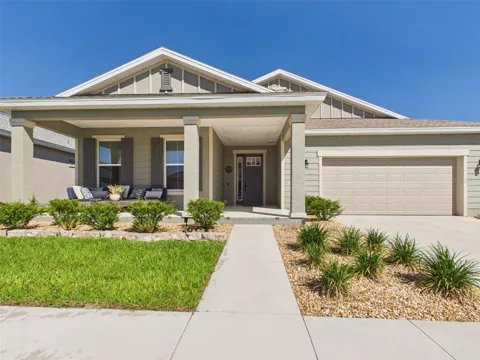
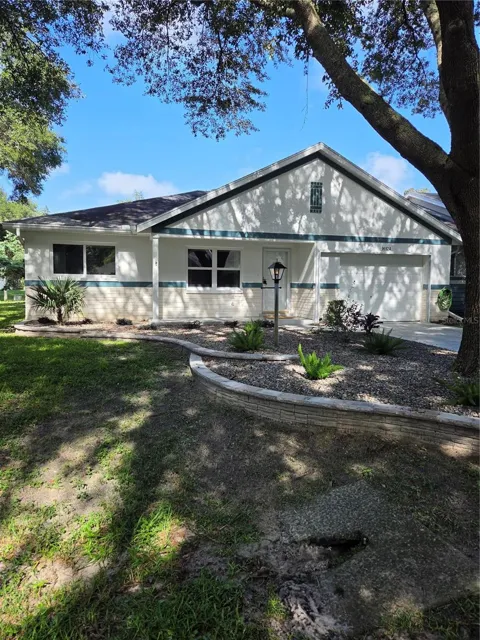
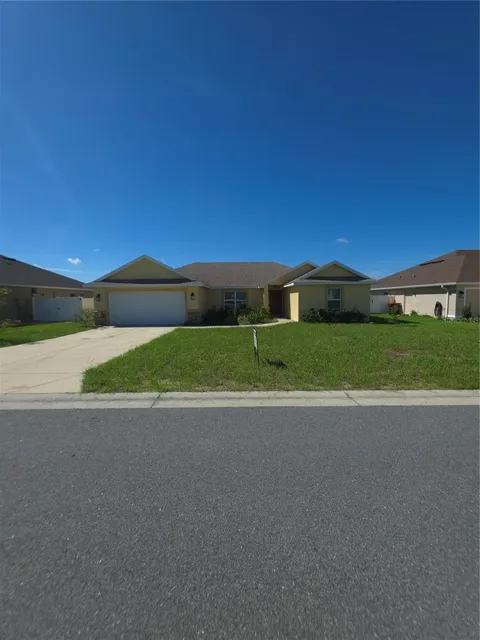
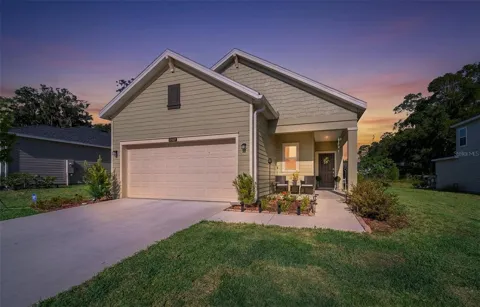
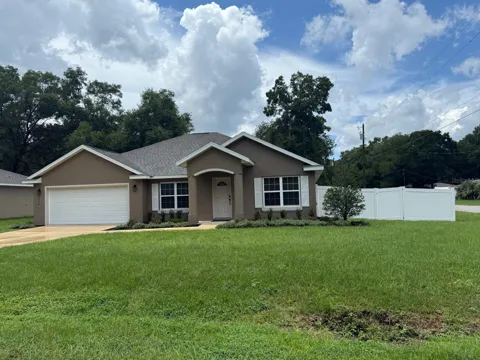
Lots & Land in ocala, FL
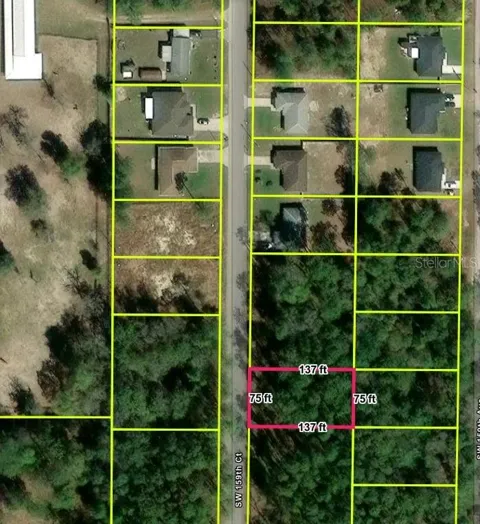
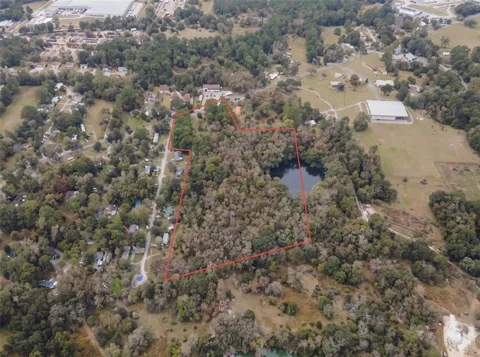

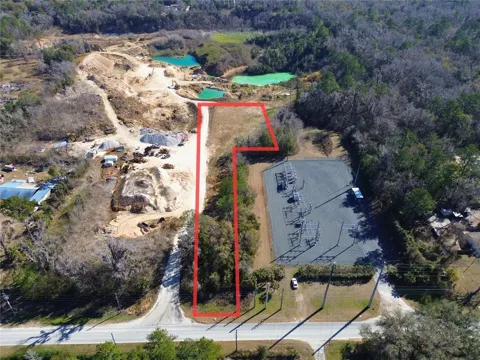
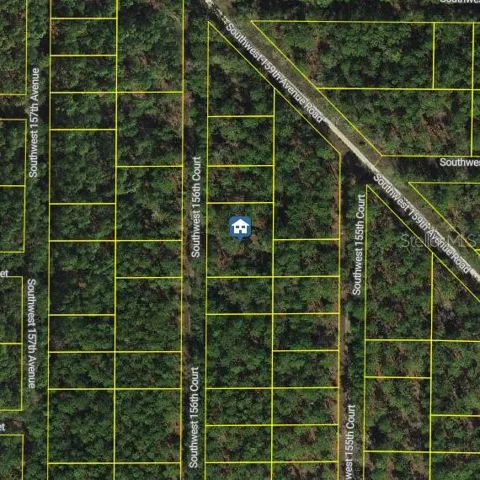
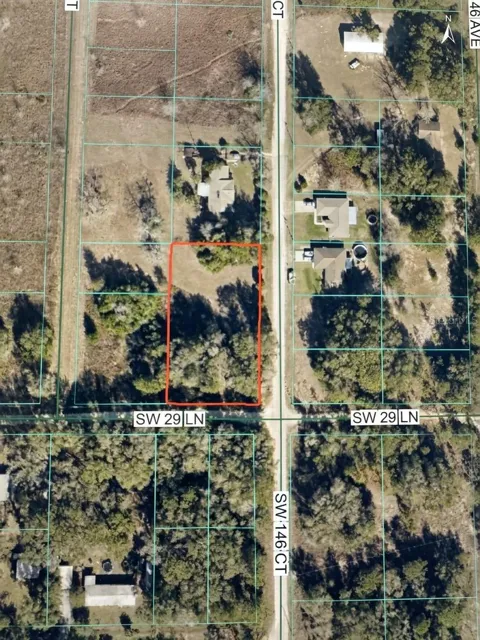
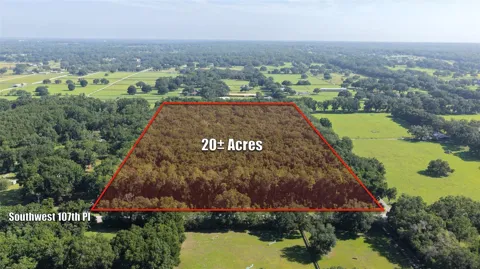
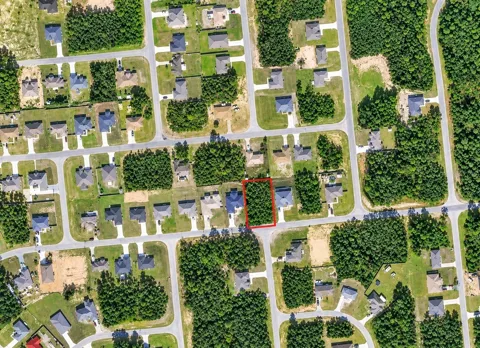
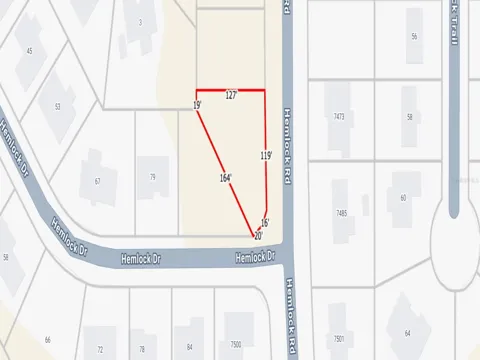
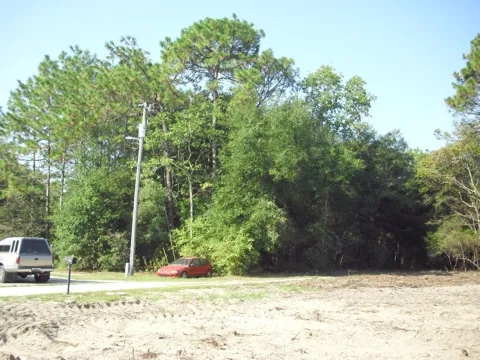
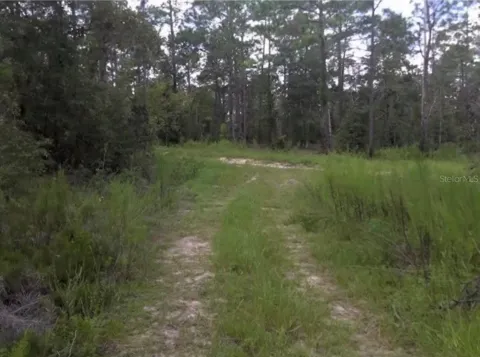
Farms & Ranches in ocala, FL
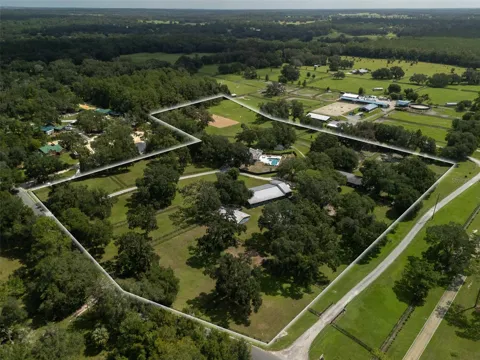
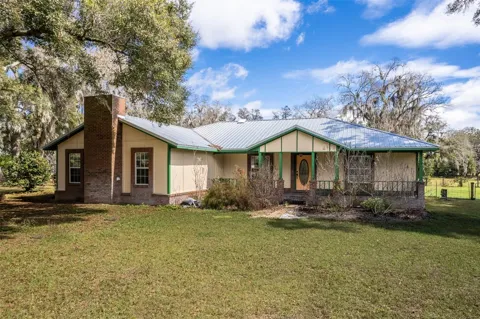
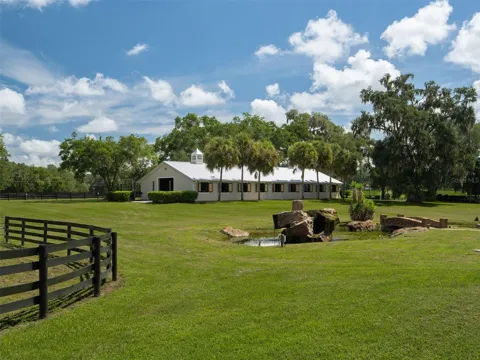
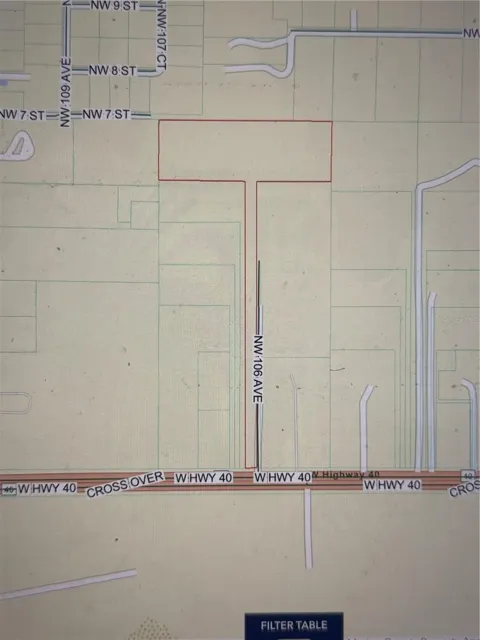
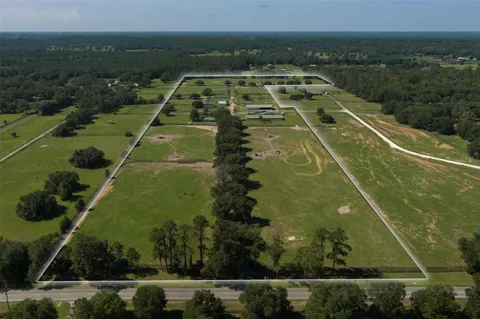
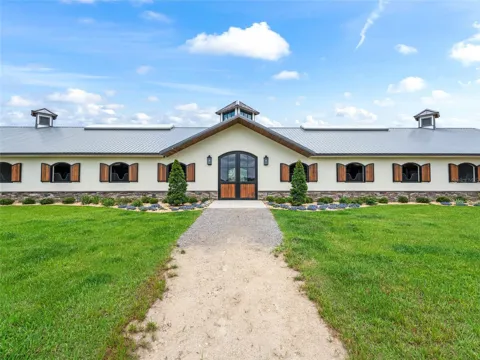
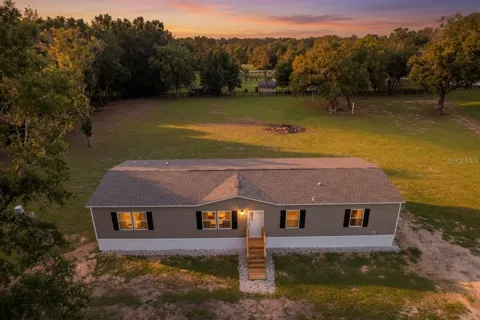
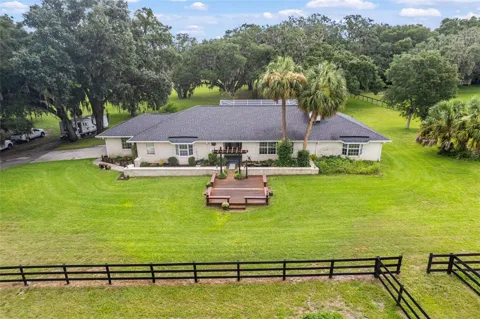
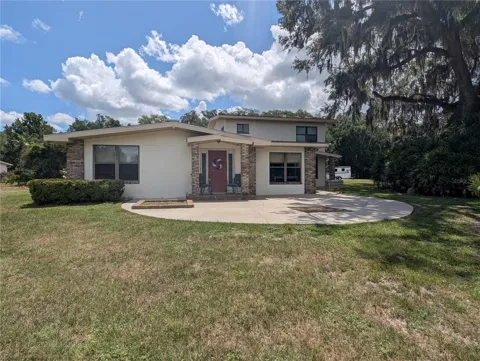
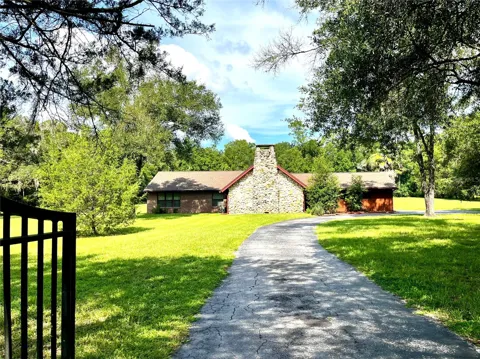
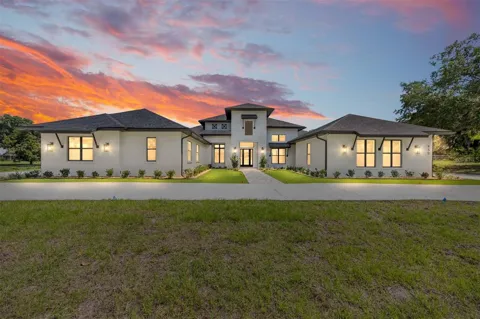
MARKET SNAPSHOT
The Market at a Glance
How homes have been selling here over the last 90 days.
Price & Sales History
Market data reflects closed sales over the last 90 days and is provided for informational purposes.
Zip Codes
BROWSE BY ZIP
Browse listings by postal code in this area.
- Grid
- Map
- List

City Guide
About ocala
Real Estate & Housing
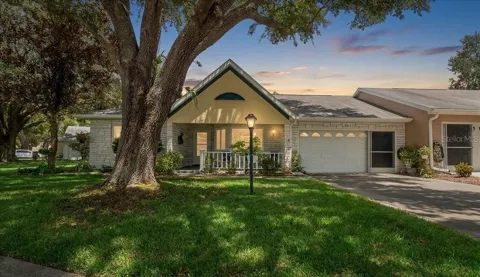
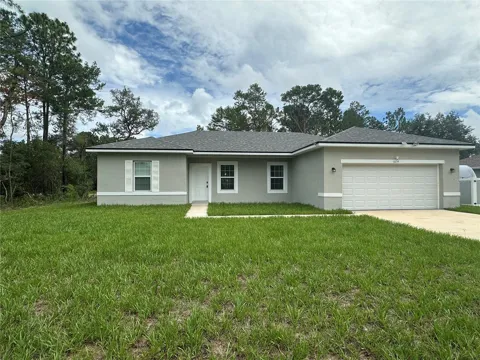
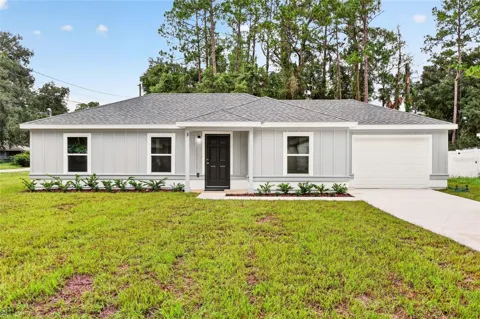
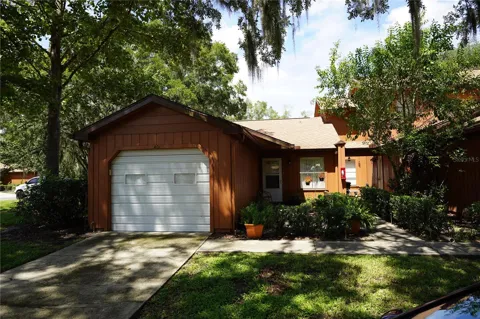
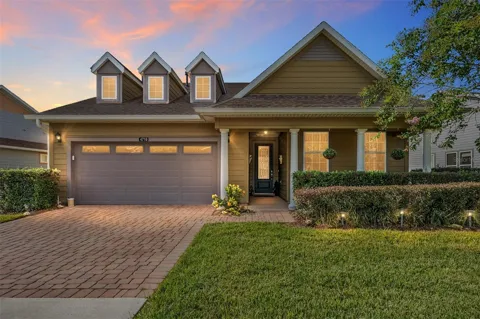
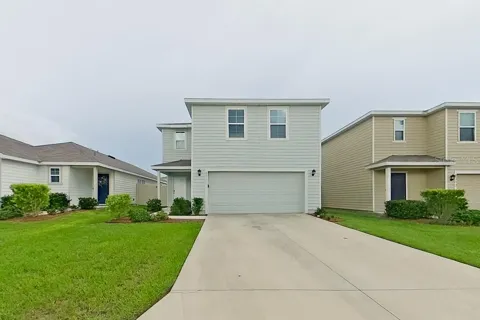
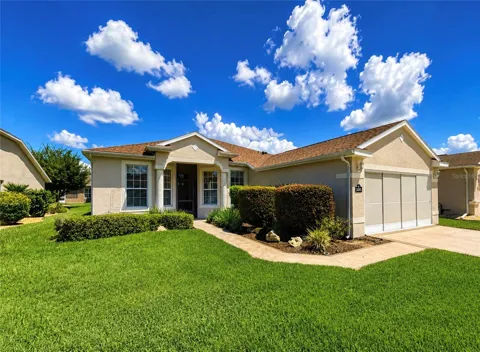
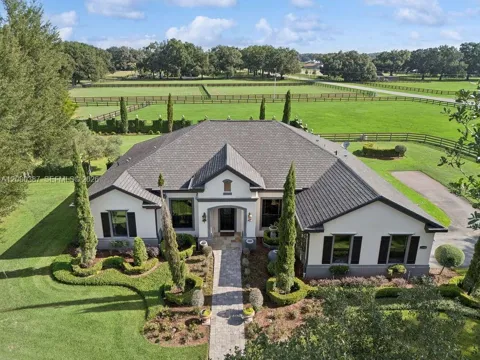
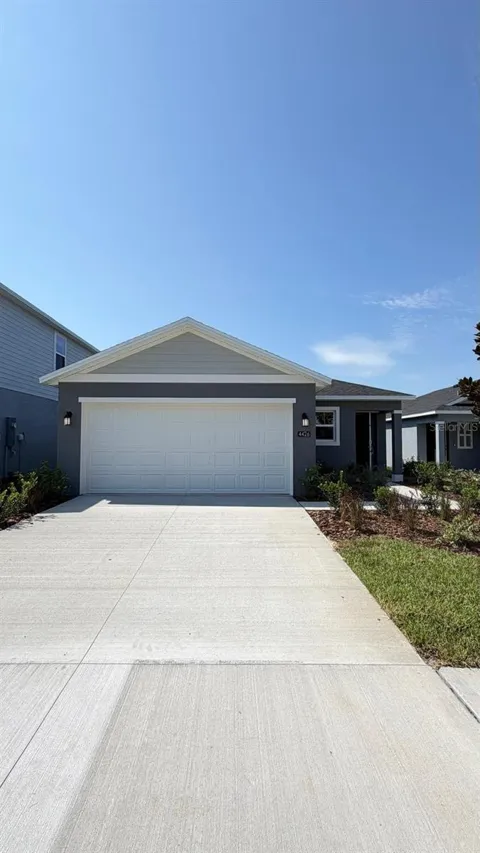
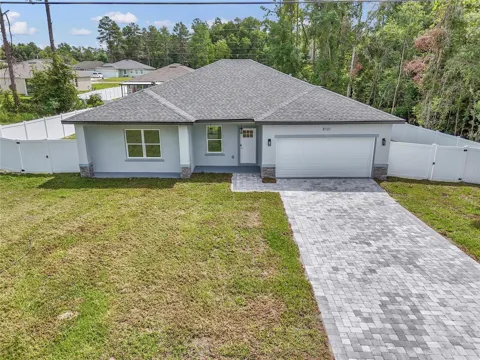
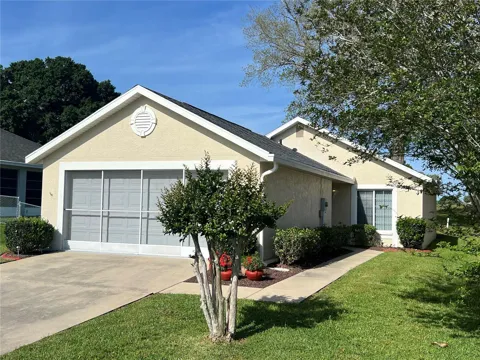
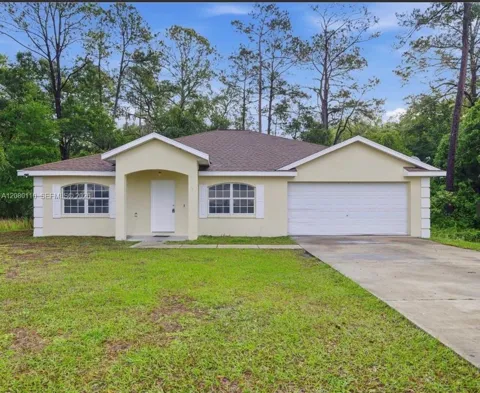
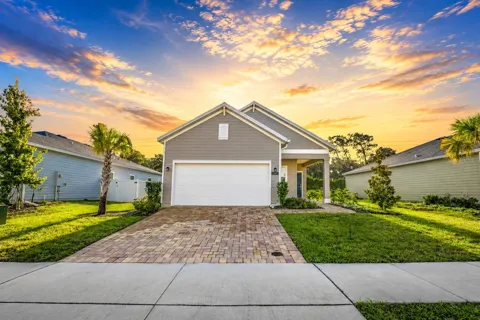
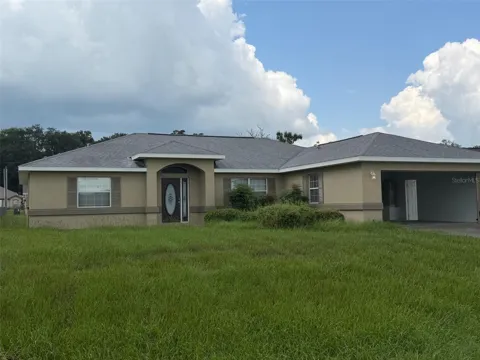
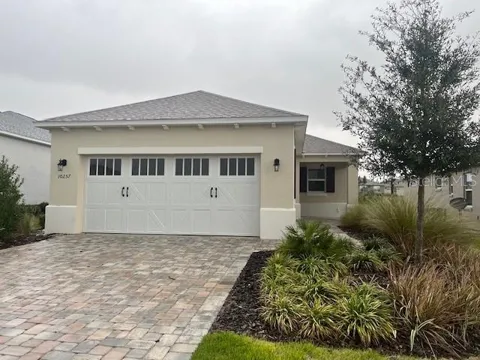
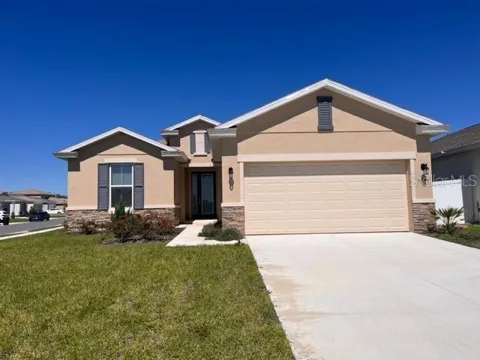
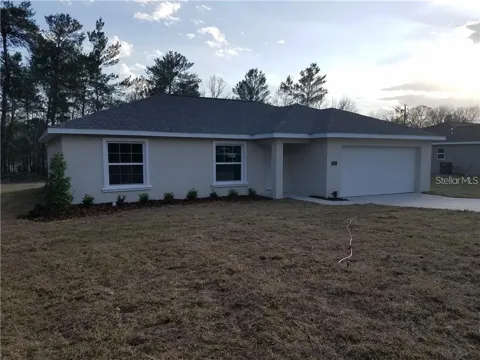
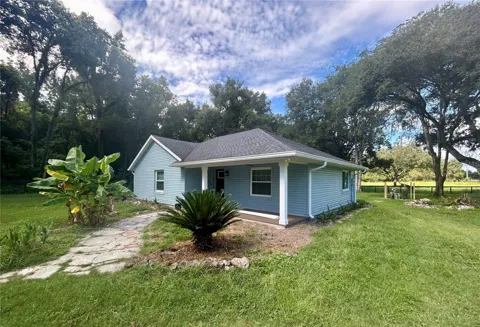
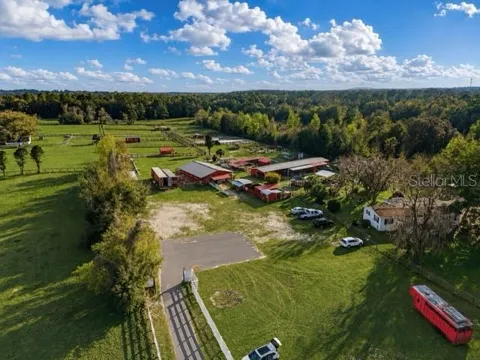
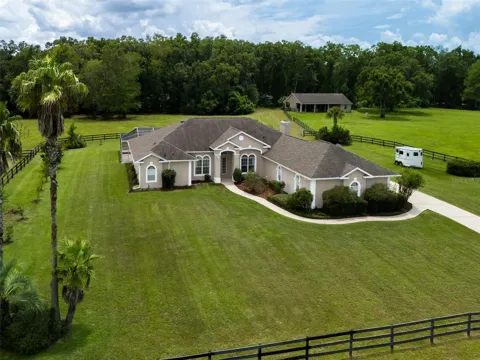
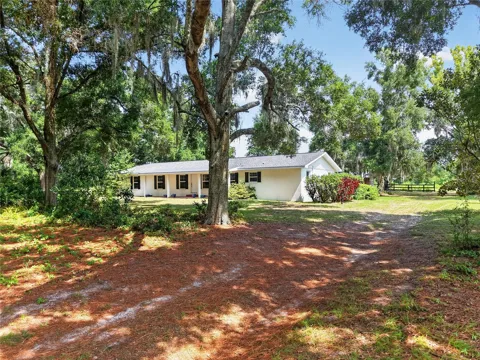
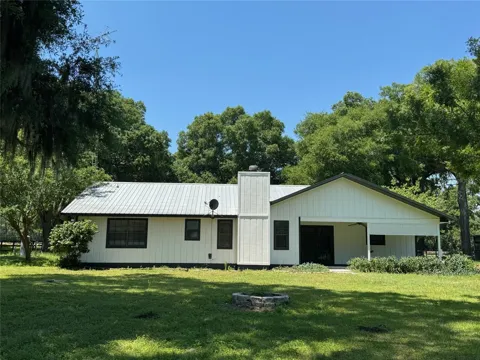
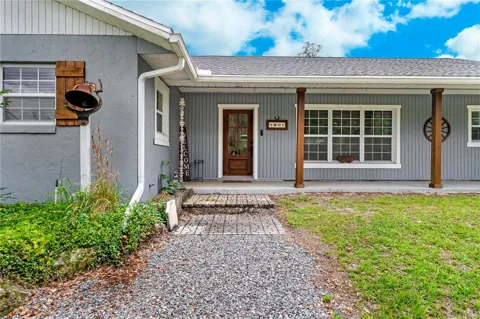
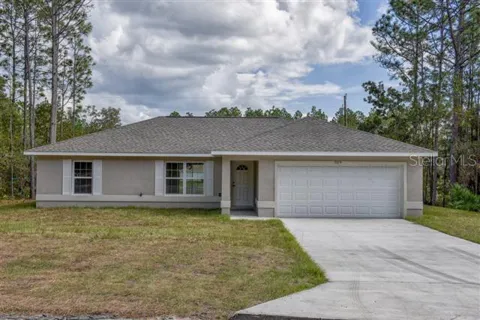
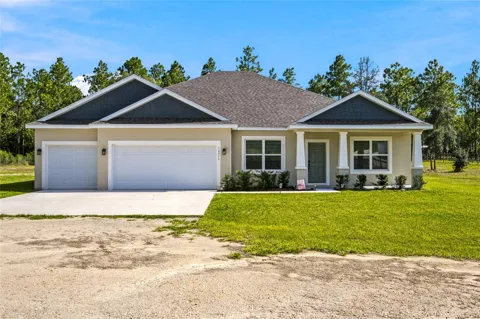
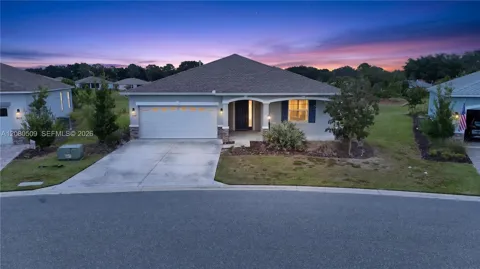
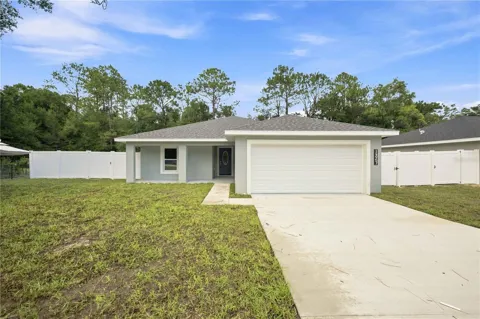
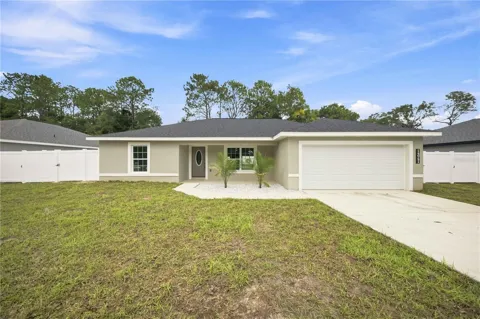
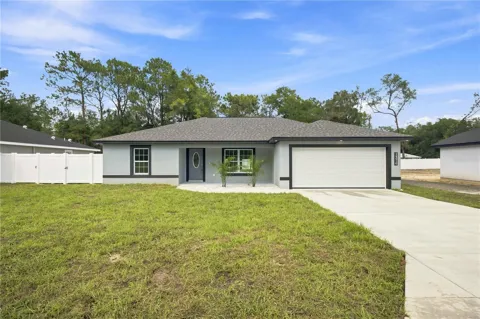
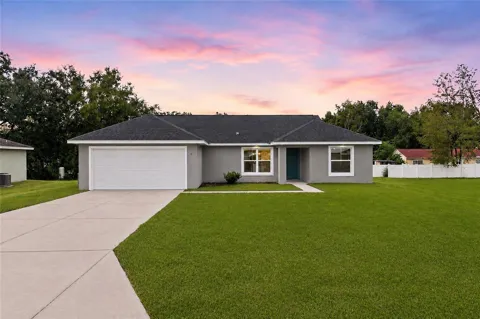
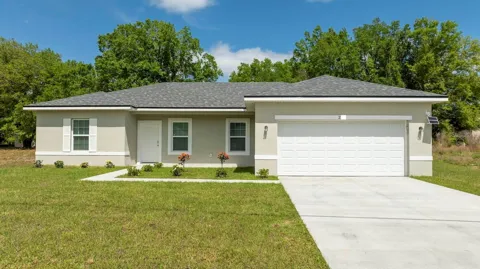
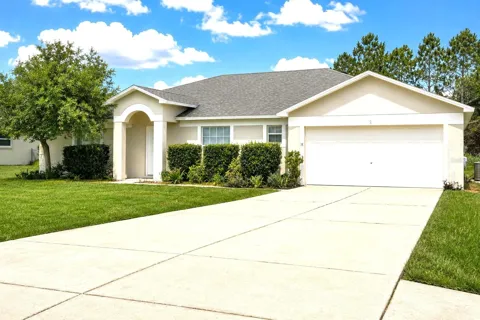
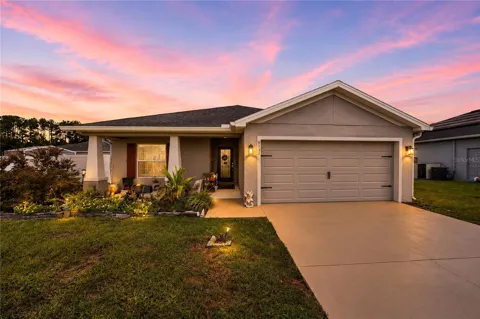
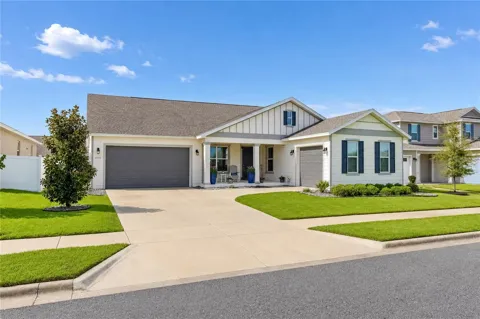
Ocala's housing stock spans more than a century of construction. The downtown Historic District, first developed in the 1880s, holds restored Queen Anne Revival and Victorian homes on shaded, oak-lined streets, while older in-town neighborhoods such as Tuscawilla-Wyomina are noted for Colonial Revival residences with transom windows and paneled doors. Mid-century subdivisions contributed traditional ranch and split-level houses, and communities built in the 1990s and 2000s on the city's south and west edges add Florida Mediterranean and contemporary single-family homes, many on quarter-acre lots. Beyond the city limits, Marion County's rural acreage supports a distinctive equestrian niche — farms with barns, fenced pastures, and training facilities that draw buyers from across the country. The market's character is thus defined by variety: historic in-town homes, conventional suburban tracts, and acreage estates in the surrounding horse country.
Neighborhoods
Ocala's neighborhoods reflect the city's layered history. The Historic District near downtown preserves late-nineteenth-century architecture beneath a canopy of live oaks, and its revival has brought restaurants, galleries, and an arts district within walking distance. Tuscawilla-Wyomina, adjacent to Tuscawilla Park, is known for Colonial Revival homes and mature landscaping. Ocala Highlands offers a mix of stately older homes and contemporary infill along oak-lined streets. On the outskirts, newer communities in the southwest and northwest corridors provide single-family housing with neighborhood amenities. For equestrian buyers, the farmland ringing the city — particularly toward the rolling pastures of horse country — offers estate properties with barns and paddocks. The variety means households can choose between walkable historic settings, established suburban streets, and rural acreage within a short drive of downtown.
Lifestyle in ocala
Ocala's identity is rooted in the horse. Dozens of Thoroughbred breeding and training farms surround the city, and the equine calendar — from yearling sales to the winter show season — shapes local life. Downtown pairs this heritage with a revived dining and arts scene, including galleries, locally owned restaurants, and the city's public squares. Silver Springs State Park, one of Florida's original tourist destinations, draws visitors for glass-bottom boat tours over its crystalline springs. The cultural reach of nearby Gainesville adds concerts, museums, and college athletics within roughly 40 minutes. Residents tend to describe Ocala as a slower-paced, land-rich alternative to the state's coastal metros, with a strong base of families, retirees, and equestrian professionals who value open space and outdoor access.
Schools & Education
Public education in Ocala is provided by Marion County Public Schools, a district of roughly 46,000 students in grades pre-K through 12 that is headquartered in the city. The district operates a network of neighborhood elementary, middle, and high schools across Marion County, alongside specialty options such as Marion Virtual School, which delivers the Florida standards-based curriculum online. Families also have access to private and charter schools throughout the Ocala area. The district's breadth — from in-town campuses to schools serving the rural reaches of the county — reflects Ocala's role as the educational hub of Marion County.
Getting Around
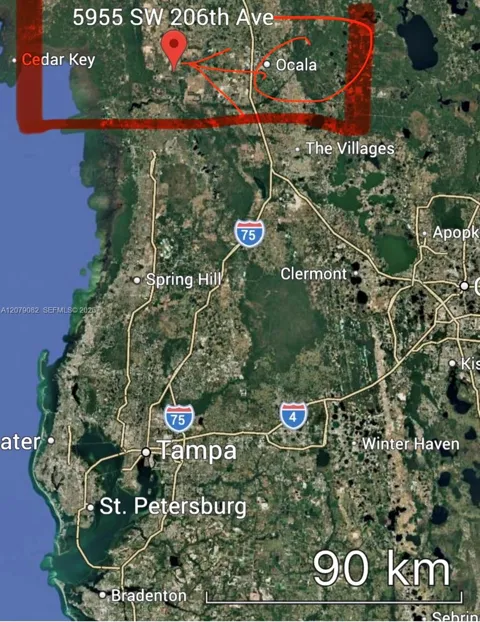
Interstate 75 runs along the west side of Ocala and is the city's primary highway spine, linking residents north to Gainesville and south toward Tampa and the Gulf Coast. State Road 40 crosses east toward Silver Springs and the Ocala National Forest, while State Road 326 forms a northern bypass connecting I-75 with SR 40 east of the city. For longer trips, the Florida Turnpike interchange south of Ocala provides a route toward Orlando. Distances put Tampa about 100 miles to the southwest and the Orlando area roughly 75 miles to the southeast, with commercial air service available through those regions' airports and shuttle services operating between Ocala and both cities. Within the county, travel is car-dependent, and the interstate corridor functions as Ocala's main link to the rest of Florida.
Parks & Recreation
Outdoor recreation defines much of Ocala's appeal. Silver Springs State Park, one of Florida's oldest attractions, features glass-bottom boat tours over an artesian spring and access to forested trails and paddling. To the east, the Ocala National Forest offers spring-fed swimming at sites such as Juniper Springs and Alexander Springs, along with canoeing, kayaking, fishing, birdwatching, and developed campgrounds. The forest also protects the Juniper Prairie Wilderness and a network of lakes suited to low-powered boats and personal watercraft. Closer to home, city parks and the horse farms that ring the area provide green space and a working agricultural landscape. For residents, the combination of springs, forest, and rolling pastures makes year-round outdoor living a central part of the community's character.
About ocala
Frequently asked questions
What county is Ocala in?
Ocala is the county seat of Marion County, in north-central Florida. The city sits between Gainesville and the Orlando area and serves as the administrative and commercial hub of the county.
Why is Ocala called the Horse Capital of the World?
The countryside around Ocala is home to hundreds of Thoroughbred breeding, training, and sales farms, making Marion County one of the nation's leading equine centers. The industry shapes the local economy and landscape, and farm tours are a popular way to see the region's rolling pastures and training facilities.
What school district serves Ocala?
Ocala is served by Marion County Public Schools, a district of roughly 46,000 students headquartered in the city. The district operates pre-K through 12 schools across the county, along with charter and virtual options.
How far is Ocala from Tampa and Orlando?
Tampa is about 100 miles southwest of Ocala, roughly a one-hour-forty-minute drive via Interstate 75. Orlando lies about 75 miles to the southeast, reached by taking I-75 south and then the Florida Turnpike, with shuttle services connecting Ocala to both cities.
What outdoor recreation is near Ocala?
Silver Springs State Park offers glass-bottom boat tours over a crystal-clear spring, and the adjacent Ocala National Forest provides spring-fed swimming, paddling, fishing, camping, and wilderness areas such as the Juniper Prairie Wilderness.
Still have questions about ocala?
Get in touchExplore the area