Treasure Coast Master-Planned City
Welcome to Port St. Lucie, a master-planned city on Florida's Treasure Coast where championship golf, spring training baseball, and Atlantic beaches converge along the I-95 corridor.
Port St. Lucie occupies a broad swath of Florida's Treasure Coast, stretching from the St. Lucie River's North Fork inland toward the savannas and ranchlands of western St. Lucie County. With roughly 232,000 residents, it is the largest city in the county and the sixth-most populous in Florida, anchoring a metropolitan area of more than half a million people along the Atlantic seaboard between West Palm Beach and Vero Beach. The city's modern form is the product of deliberate master-planning that took hold in the latter half of the 20th century. Unlike older Florida coastal cities built around a compact downtown, Port St. Lucie spread across former ranch and citrus land as a series of large, comprehensively designed communities. St. Lucie West, developed in the 1990s, established the template: a self-contained district with residential neighborhoods, golf courses, retail, and access to the newly extended I-95 corridor. Tradition, launched in the early 2000s, refined the model with a neotraditional town center, a network of parks and lakes, and the anchoring presence of Cleveland Clinic Tradition Hospital. Newer master-planned developments such as Wylder continue to build on this legacy, adding 55-plus and family-oriented neighborhoods within connected, amenity-rich frameworks. Port St. Lucie's economy is diversified across health care, retail, construction, and tourism, with the Cleveland Clinic and PGA Village among the largest institutional anchors. The New York Mets' spring training presence at Clover Park gives the city a national sports profile each February and March, and the Mets' year-round minor-league operations sustain a steady baseball economy. Manufacturing and logistics firms have expanded along the I-95 and Turnpike corridors, taking advantage of the city's central position on Florida's east coast. Geographically, Port St. Lucie offers varied terrain by Florida standards: riverfront neighborhoods along the North Fork, canal-front homes with dock access in older eastern sections, lake-dotted master plans across the central city, and larger rural-residential tracts in the still-developing western reaches. The Atlantic Ocean beaches are approximately 10 to 15 miles east via Port St. Lucie Boulevard or the North Causeway, giving residents beach access without the density and price premium of direct oceanfront living.
Port St. Lucie is located in St. Lucie County on Florida's Treasure Coast. It is the largest city in the county, accounting for the majority of St. Lucie County's population, and anchors a metropolitan area that also includes Fort Pierce and the surrounding communities.
St. Lucie Public Schools serves Port St. Lucie and the broader county, operating elementary, K–8, middle, and high schools across the district. Charter options including Renaissance Charter School of St. Lucie and magnet programs such as the Creative Arts Academy provide alternatives to traditional neighborhood-school placements. Indian River State College offers associate and bachelor's degrees within the city.
The New York Mets hold spring training at Clover Park in the St. Lucie West section of Port St. Lucie, drawing fans each February and March. The facility also hosts the St. Lucie Mets, the organization's Single-A Florida State League affiliate, throughout the summer. The surrounding complex includes practice fields and training facilities that operate year-round.
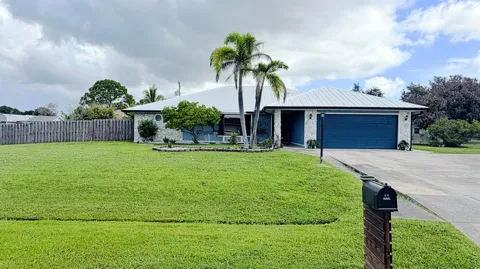
Tradition is the city's largest master-planned community, built around a walkable town center with retail, dining, and Cleveland Clinic Tradition Hospital. St. Lucie West, developed in the 1990s, offers established neighborhoods with mature landscaping and proximity to I-95 and Clover Park. PGA Village anchors the golf-oriented western corridor with three championship courses, while Wylder integrates family neighborhoods, 55-plus living, and golf sections within a single connected plan.
Port St. Lucie sits roughly 10 to 15 miles inland from the Atlantic Ocean. Popular area beaches include Walton Rocks Beach, a dog-friendly stretch of sand; Fort Pierce Inlet State Park, which offers swimming, surfing, and fishing; and Frederick Douglass Memorial Park Beach. All are reachable within 15 to 20 minutes by car via Port St. Lucie Boulevard or the North Causeway.
City Guide
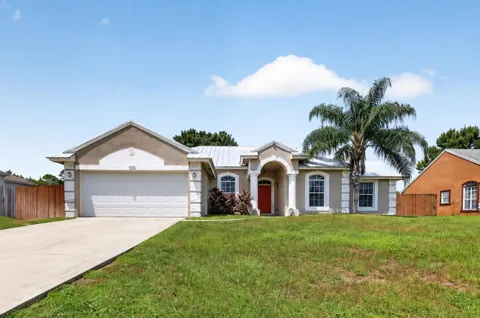
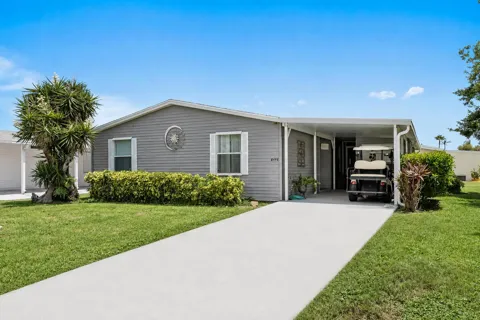
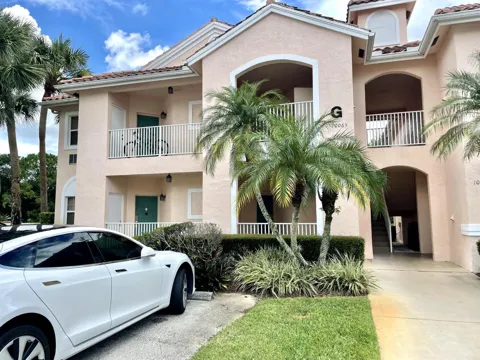
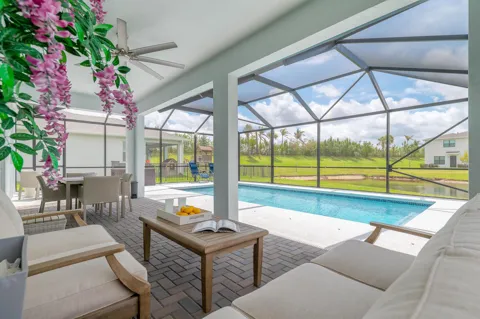
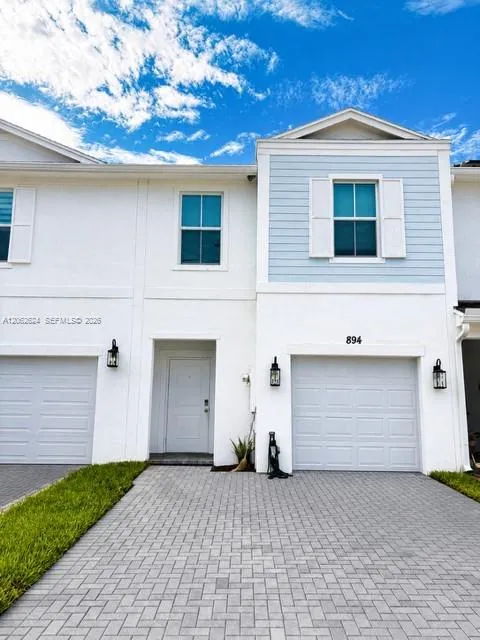
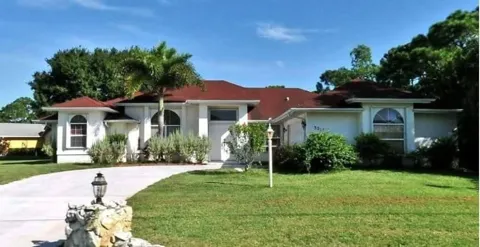
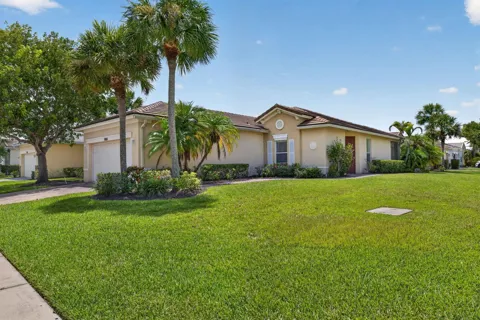
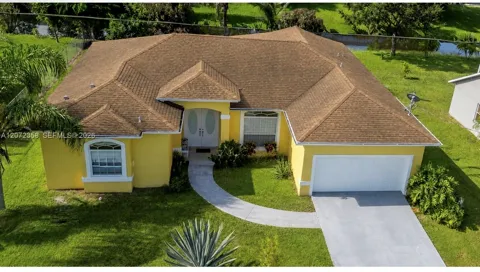
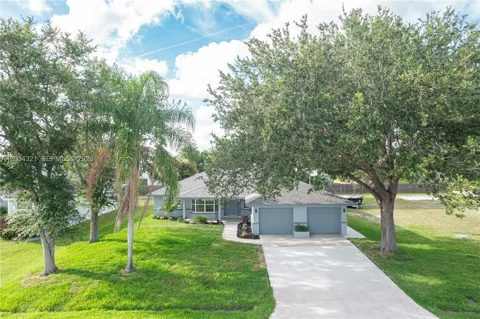
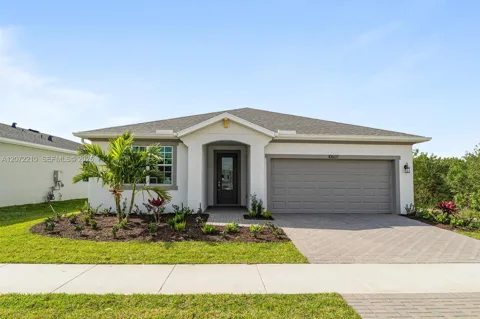
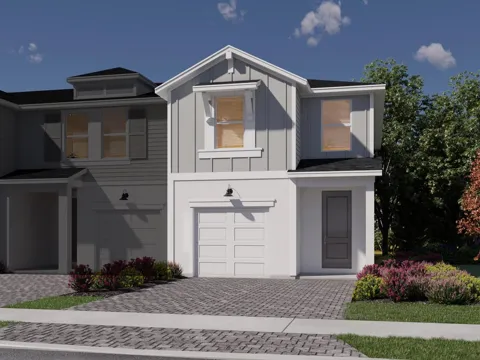
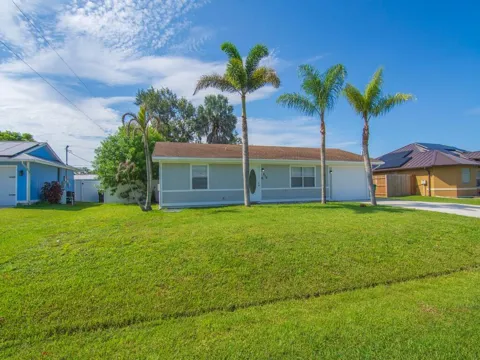
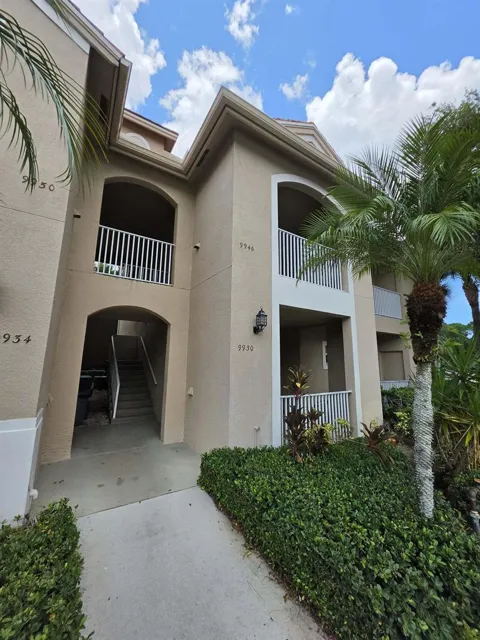
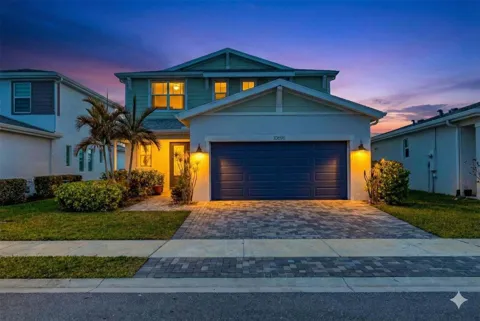
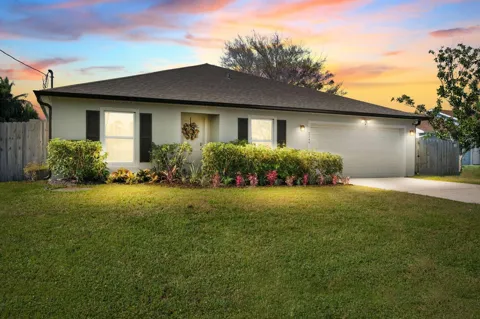
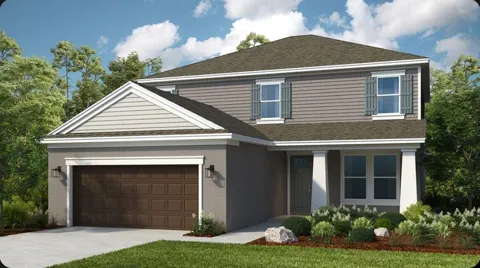
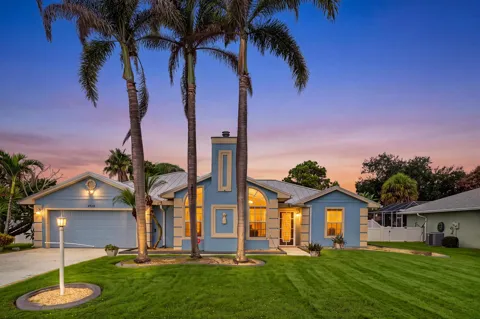
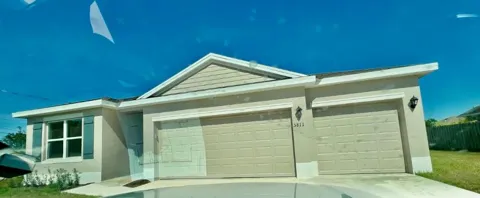
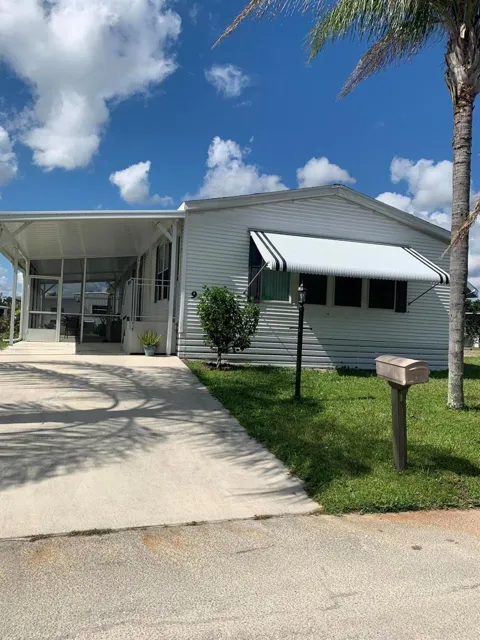
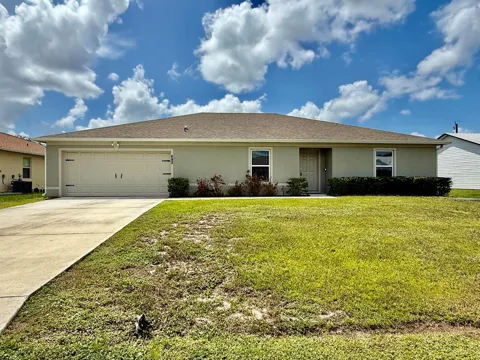
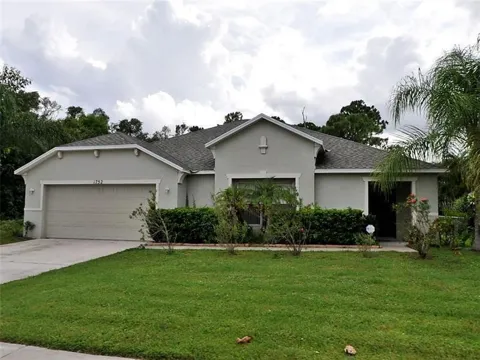
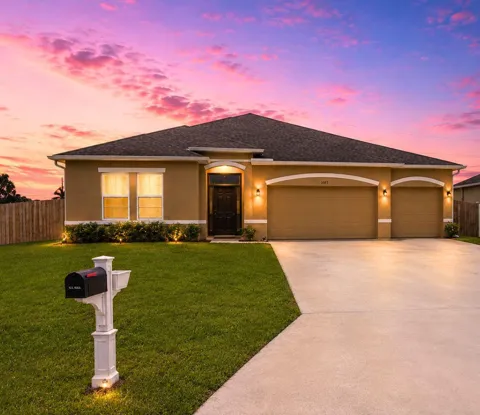
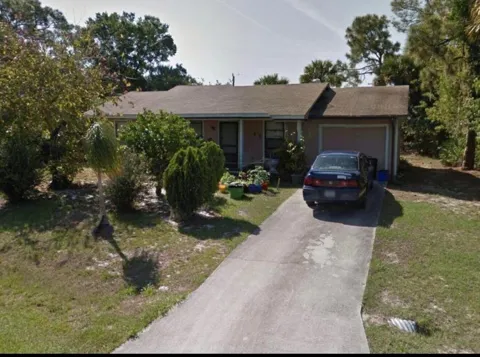
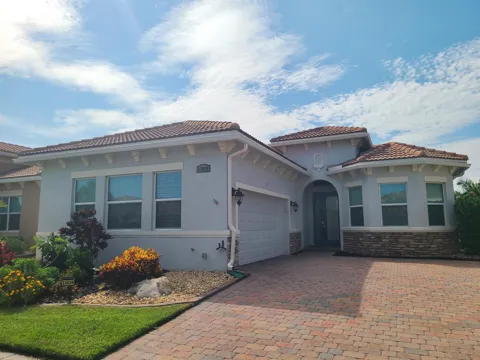
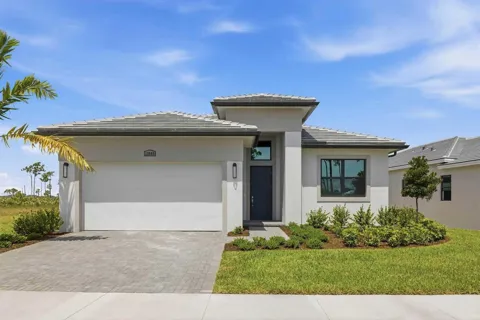
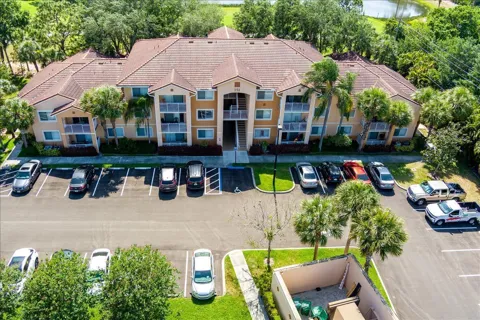
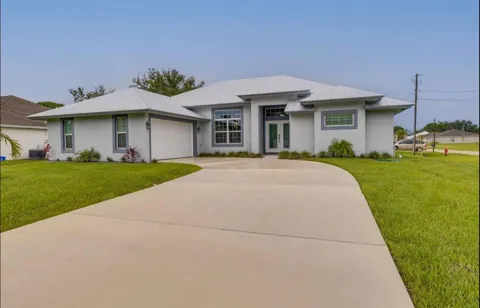
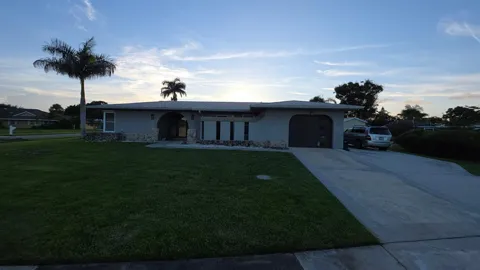
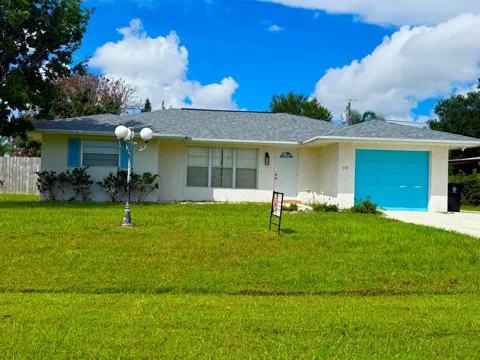
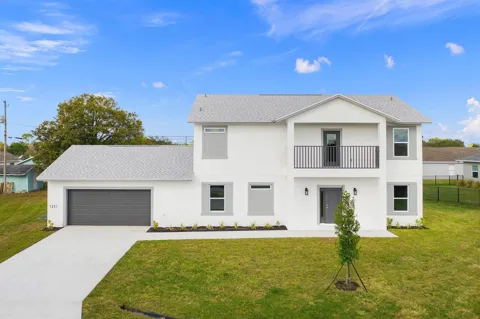
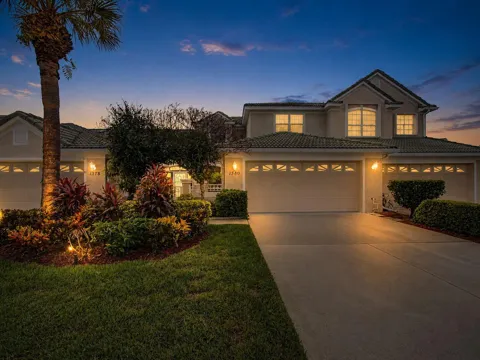
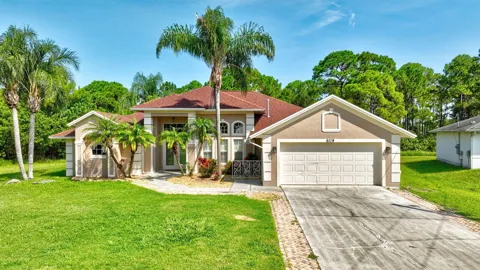
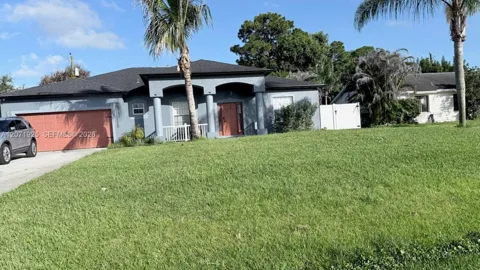
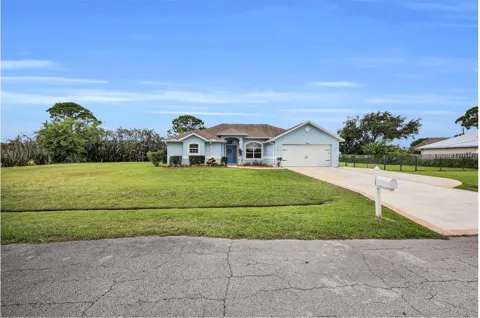
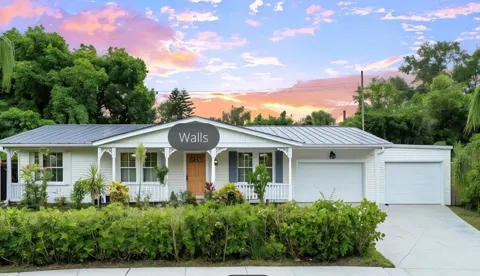
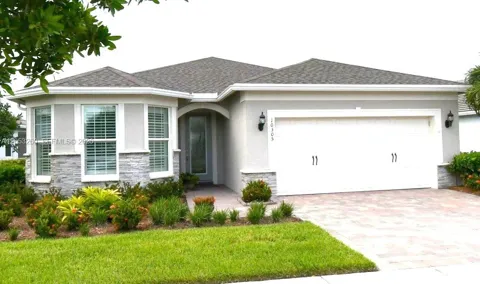
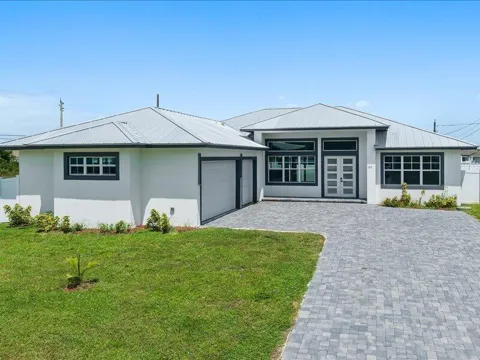
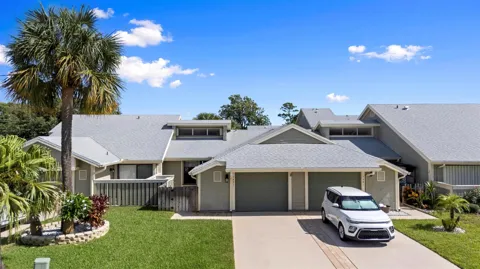
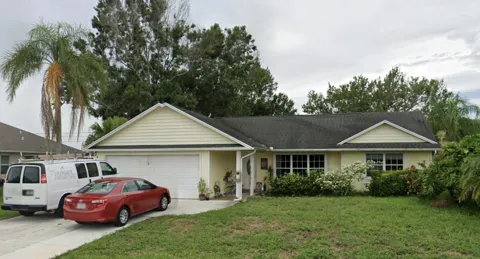
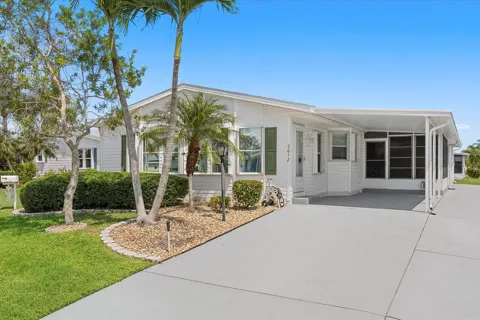
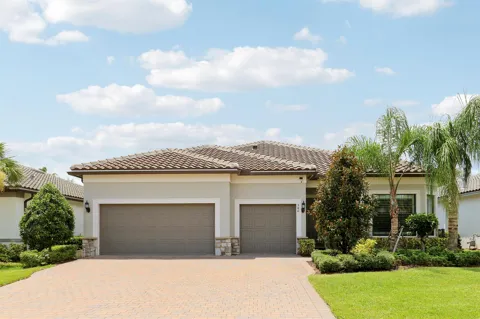
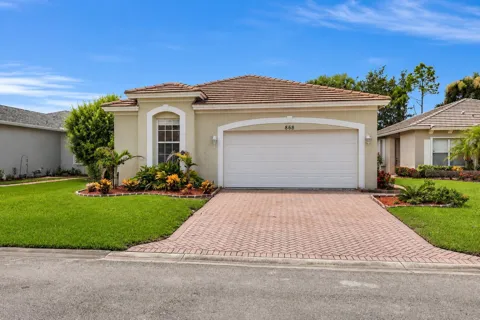
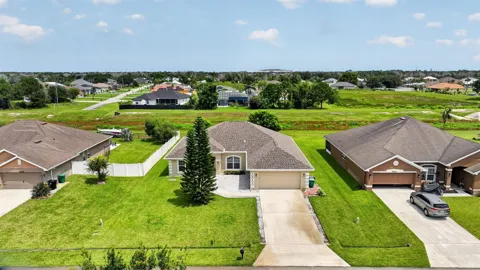
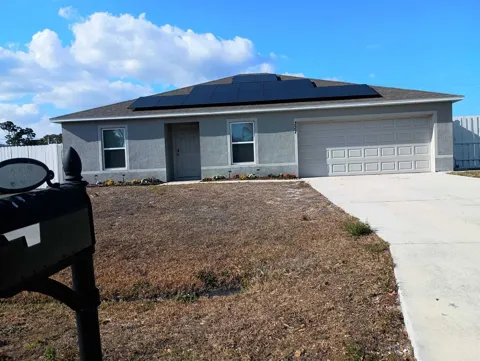
Port St. Lucie's housing stock is overwhelmingly shaped by master-planned development, with the majority of homes built since the 1990s. Single-family homes dominate, typically in Mediterranean, Florida ranch, and contemporary styles, with tile roofs, stucco exteriors, and screened pool enclosures as common features. The prevalence of homeowners' associations across most communities means well-maintained common areas, consistent architectural standards, and bundled amenities such as pools, fitness centers, and clubhouses. The city's master-planned communities span a wide range. Tradition offers a mix of family-oriented neighborhoods, active-adult sections, and townhome villages connected by walking paths to Tradition Square. St. Lucie West provides established neighborhoods with mature landscaping, golf course and lakefront homes, and proximity to retail and I-95. PGA Village and PGA Verano cater to golf enthusiasts with club memberships and course views. Wylder, one of the newer entrants, integrates family neighborhoods, 55-plus living, and golf-oriented sections within a single master plan. Canal-front homes in areas such as Sandpiper Bay and Southbend Lakes appeal to boaters seeking direct water access to the St. Lucie River and Intracoastal Waterway. The older eastern sections of the city, developed before the master-planned era, offer more modest block-built homes on larger lots with fewer deed restrictions, often at more accessible price points. Throughout the city, new construction continues at a steady pace, with builders active across most master-planned communities and along the city's expanding western edge.
Tradition is Port St. Lucie's most recognizable community, a 8,300-acre master-planned development built around a walkable town center. Tradition Square anchors the community with a central green, restaurants, boutiques, medical offices, and a year-round events calendar. Residential sections span single-family neighborhoods, townhome villages, and active-adult enclaves, all linked by a network of parks, lakes, and trails. Cleveland Clinic Tradition Hospital sits within the community, making it a regional health care destination. St. Lucie West, developed in the 1990s, remains one of the city's most established and convenient areas. Its neighborhoods feature mature oak canopies and landscaping, with homes ranging from golf course estates to smaller patio homes. The area benefits from direct I-95 access, proximity to the Mets' Clover Park, and a concentration of retail along St. Lucie West Boulevard. PGA Village occupies a golf-centered niche in the city's western corridor. The community surrounds the PGA Golf Club's championship courses and includes both traditional neighborhoods and the gated PGA Verano active-adult section. Wylder, a newer multi-neighborhood master plan, offers family neighborhoods, 55-plus living, golf-oriented homes, and townhomes organized around a central amenity complex. For waterfront living, Sandpiper Bay and the neighborhoods lining the C-24 Canal provide direct boat access to the North Fork of the St. Lucie River and onward to the Intracoastal Waterway and Atlantic. The older eastern neighborhoods — including areas near Floresta Drive and Port St. Lucie Boulevard — offer established, often larger lots with mature vegetation and a quieter pace.
Port St. Lucie's lifestyle reflects its master-planned structure: amenity-driven, family-oriented, and seasonally animated by baseball. During spring training, Clover Park fills with Mets fans, and the surrounding restaurants and bars in St. Lucie West take on an energetic, visiting-crowd atmosphere. The St. Lucie Mets, the organization's Single-A affiliate, play through the summer, maintaining baseball as a year-round local presence. Tradition Square functions as the city's de facto downtown, hosting weekly farmers' markets, outdoor concerts, holiday celebrations, and a seasonal tree-lighting ceremony. The surrounding restaurants and cafés spill onto the central green, creating a pedestrian-oriented gathering space that is rare among Florida cities of Port St. Lucie's size. The broader dining scene has matured considerably, with establishments such as Oak and Ember Steakhouse and Fernando's Dockside Grille on the river offering date-night destinations alongside a growing range of casual and ethnic restaurants. Golf is woven into daily life, from the PGA Golf Club's 54 holes of championship public play to the private and semi-private courses integrated into the city's residential communities. The Port St. Lucie Botanical Gardens provide a quiet horticultural retreat, and the Savannas Preserve State Park, just east of the city, protects a rare freshwater marsh ecosystem with hiking trails, canoe launches, and an environmental education center. The Atlantic beaches at Walton Rocks, Frederick Douglass Memorial Park, and Fort Pierce Inlet are a short drive east, while the city's own riverfront parks offer fishing piers, kayak launches, and picnic pavilions along the North Fork.
St. Lucie Public Schools serves Port St. Lucie and the broader county, operating a network of elementary, K–8, middle, and high schools across the district. The district is the largest employer in St. Lucie County, with a staff of approximately 5,800 serving a diverse student population. Several magnet and choice programs operate within the district, including the Creative Arts Academy of St. Lucie and the Mosaic Digital Academy virtual-instruction program, giving families alternatives to traditional neighborhood-school pathways. Port St. Lucie High School, St. Lucie West Centennial High, and Treasure Coast High School are the primary comprehensive high schools serving the city's residential areas. Newer K–8 campuses in the Tradition and western growth corridors have been built to accommodate the city's residential expansion. Charter school options, including the Renaissance Charter School of St. Lucie, provide additional choice within the public system. Higher education access is available through Indian River State College, which maintains a campus in Port St. Lucie and offers associate and bachelor's degree programs, workforce training, and dual-enrollment opportunities for high school students. Florida Atlantic University's main campus in Boca Raton and its Harbor Branch Oceanographic Institute in Fort Pierce are within commuting range for those pursuing graduate study or research careers.
Interstate 95 is Port St. Lucie's primary north-south artery, providing toll-free highway access to West Palm Beach roughly 50 miles to the south and to Vero Beach, Melbourne, and the Space Coast to the north. Key exits serving the city include Becker Road, Gatlin Boulevard, Crosstown Parkway, and St. Lucie West Boulevard. Florida's Turnpike runs roughly parallel to I-95 a few miles to the west, offering a tolled alternative with exits at Becker Road and Port St. Lucie Boulevard that provide faster access to Orlando and points south. U.S. Highway 1 runs through the eastern edge of the city as a traditional coastal highway, connecting to downtown Fort Pierce to the north and the Martin County line to the south. Within the city, Crosstown Parkway provides a major east-west connection linking the western master-planned communities to US-1 and the river crossings, while Port St. Lucie Boulevard serves as the primary commercial spine through the central city. Commuting patterns in Port St. Lucie extend well beyond city limits. A significant portion of the workforce travels south to Martin and Palm Beach counties for employment, making I-95 reliability a key quality-of-life factor. For air travel, Palm Beach International Airport is approximately 50 miles south, while Orlando International Airport is roughly two hours northwest via the Turnpike. The nearest passenger rail service is the Brightline station in West Palm Beach, providing high-speed rail connections to Fort Lauderdale, Miami, and Orlando.
Golf defines Port St. Lucie's recreational identity at a national level. The PGA Golf Club, owned and operated by the PGA of America, features three championship courses — the Ryder, Wanamaker, and Dye — on a 430-acre campus open to the public. The facility also includes the PGA Center for Golf Learning and Performance, a comprehensive practice and instruction venue. Additional courses integrated into St. Lucie West, PGA Verano, and other communities give the city one of the highest concentrations of golf in Florida. The New York Mets' spring training operations at Clover Park, located in St. Lucie West, draw thousands of visitors each February and March. The facility also hosts the St. Lucie Mets throughout the Florida State League season, and the surrounding complex includes practice fields, training facilities, and fan areas open year-round. Beyond golf and baseball, the Savannas Preserve State Park protects more than 6,000 acres of basin marsh, scrub, and pine flatwoods with hiking and equestrian trails, canoe and kayak launches, and guided eco-tours. The Port St. Lucie Botanical Gardens occupies a 20-acre site along the North Fork of the St. Lucie River, with themed garden rooms, a pavilion, and riverfront views. Atlantic beaches are reachable within 15 to 20 minutes: Walton Rocks Beach offers a dog-friendly stretch of sand, while Fort Pierce Inlet State Park provides swimming, surfing, and shoreline fishing. The St. Lucie River and its North Fork support kayaking, paddleboarding, and inshore fishing with multiple city-maintained boat ramps and riverfront parks dispersed across the eastern neighborhoods.
MARKET SNAPSHOT
How homes have been selling here over the last 90 days.
Market data reflects closed sales over the last 90 days and is provided for informational purposes.
BROWSE BY ZIP
Browse listings by postal code in this area.