Broward County City Near Fort Lauderdale
Welcome to Oakland Park, an established Broward County city just north of Fort Lauderdale, where mid-century canal-front neighborhoods meet a revitalized downtown.
Oakland Park is a city in Broward County, Florida, positioned just north of Fort Lauderdale and squarely within the Miami metropolitan area. It traces its roots to the early 1900s, when farmers settled the land beside the Florida East Coast Railway and sold produce to nearby towns. In the 1920s land boom the community was platted as Floranada, a portmanteau of Florida and Canada, but the hurricanes of 1926 and 1928 devastated the young town and forced it into bankruptcy. When residents reincorporated, they chose the name Oakland Park, after the native oaks that lined the area's canals. Today Oakland Park is home to roughly 44,000 residents within an area of about eight square miles, making it one of Broward County's more established, largely built-out cities. The Florida East Coast Railway still bisects the city, and its grid of canals and mature tree-lined streets gives it a distinctive, leafy character that differs from the newer, more sprawling communities to the west. The city's growth came in waves — small homes for returning veterans in the 1940s and 1950s, then annexations of neighborhoods such as Twin Lakes and Sleepy River Acres in the 1970s — producing a varied patchwork of residential districts. Oakland Park's defining advantage is location. It sits roughly five miles north of downtown Fort Lauderdale, with Fort Lauderdale-Hollywood International Airport and the Atlantic beaches within a short drive, and Broward County Transit routes connect it to the wider county. The city has cultivated its own identity in recent years, investing in a walkable downtown with new green space and public gathering areas, while a growing arts, brewing, and independent-food scene has added energy. For buyers and renters seeking a central South Florida address with an established, community-minded feel, Oakland Park offers a practical and increasingly lively alternative to Fort Lauderdale's higher-density core.
Oakland Park is in Broward County, Florida, and is part of the Miami metropolitan area. It sits just north of Fort Lauderdale, about five miles from downtown Fort Lauderdale and within a short drive of the Atlantic beaches.
Oakland Park is served by Broward County Public Schools, one of the largest school districts in the country. Oakland Park Elementary School, a historic campus that opened in 1926 and is listed on the National Register of Historic Places, anchors the city's public schools.
Oakland Park is roughly five miles north of downtown Fort Lauderdale, a drive of about 15 minutes, and is close to Fort Lauderdale-Hollywood International Airport. Broward County Transit buses connect the city to Fort Lauderdale and the wider county.
Oakland Park is known as an established, centrally located Broward County city with mid-20th-century neighborhoods, canal-front streets, and a revitalizing downtown. It was originally platted as Floranada, a blend of Florida and Canada, before taking its current name after the 1926 hurricane.
City Guide
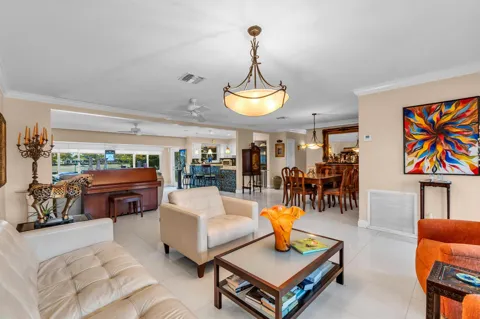
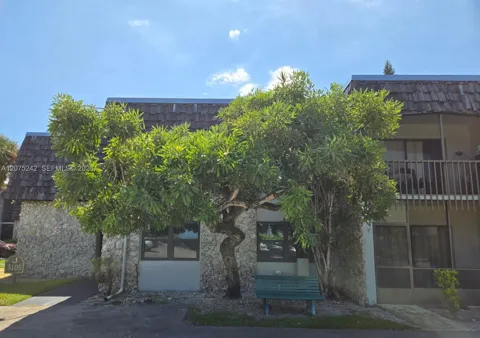
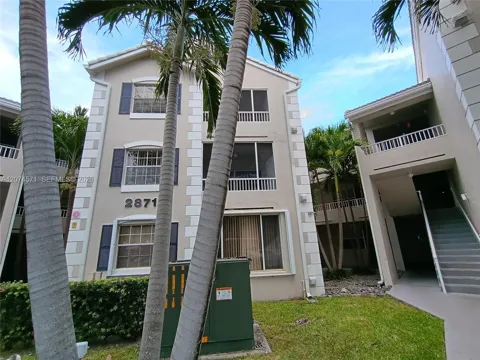
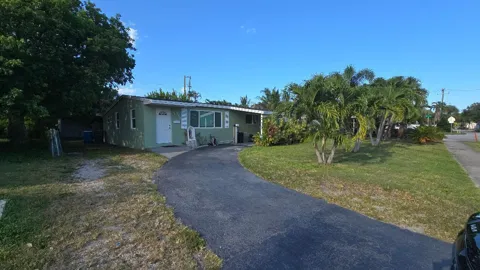
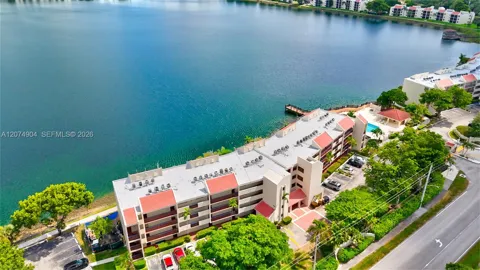
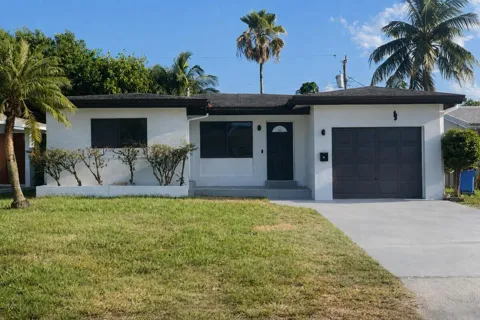
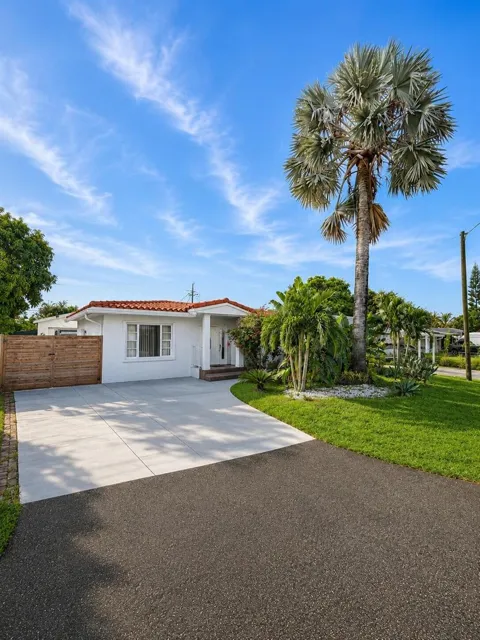
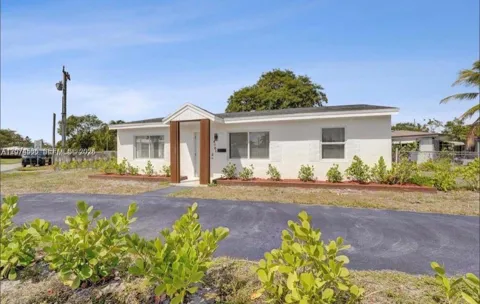
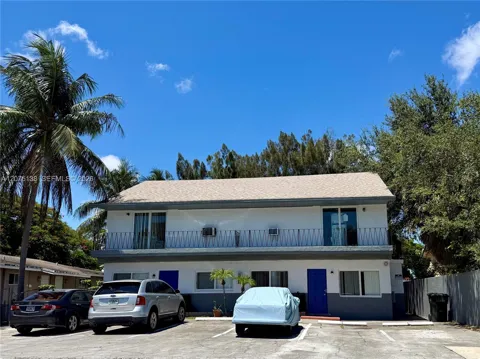
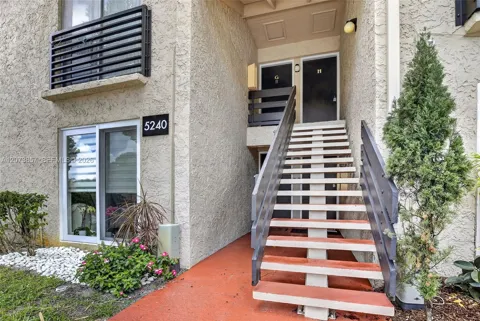
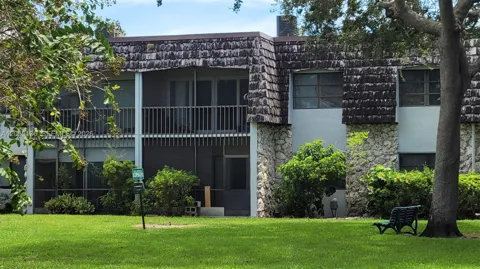
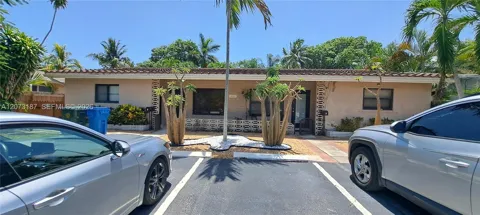
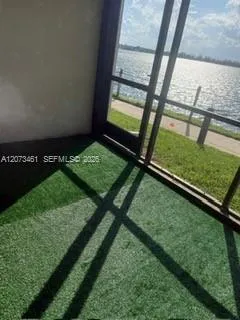
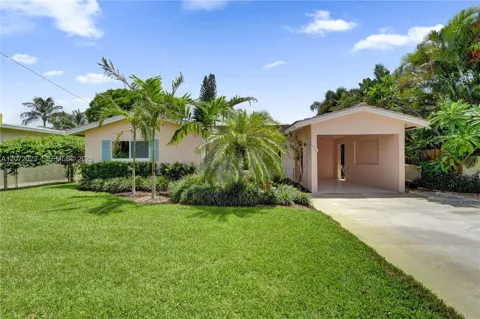
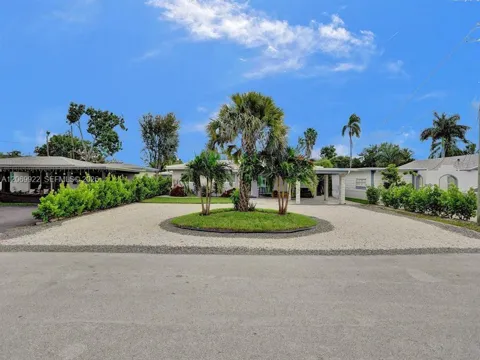
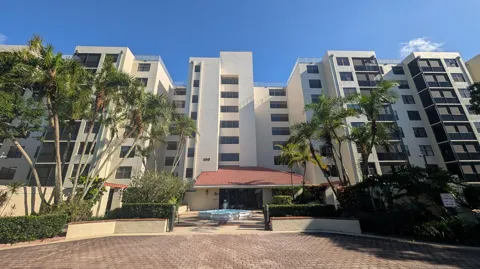
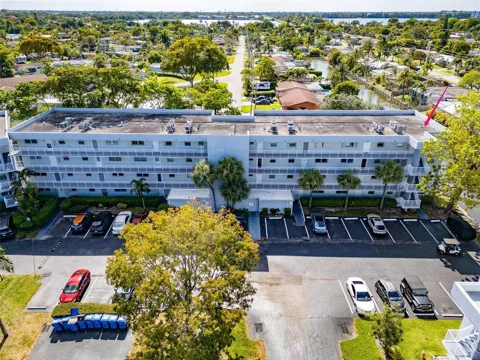
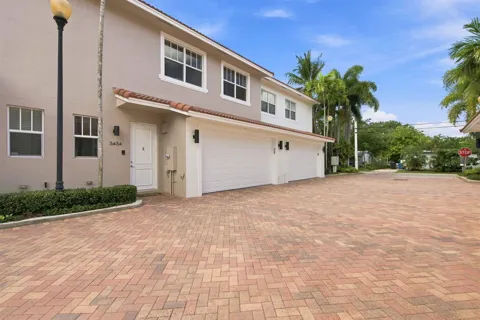
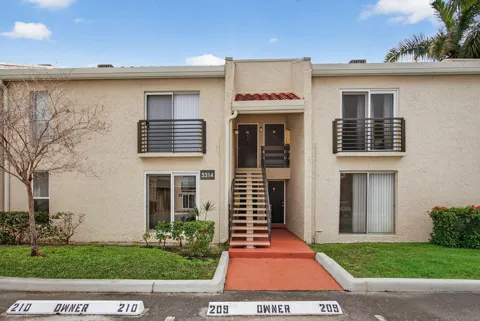
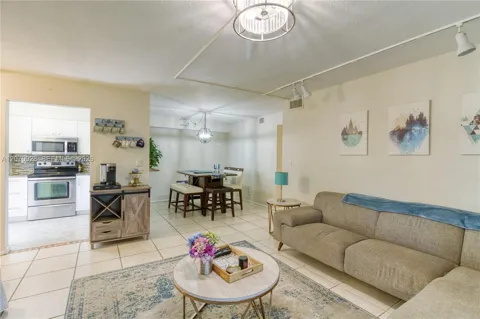
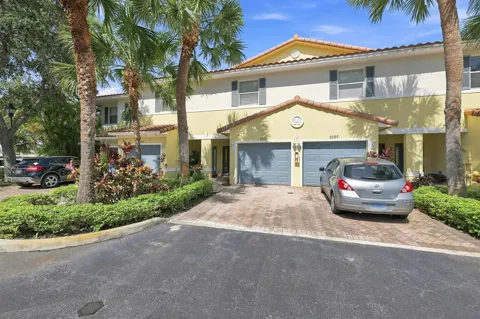
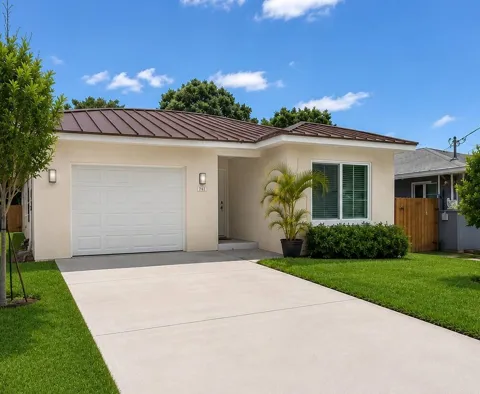
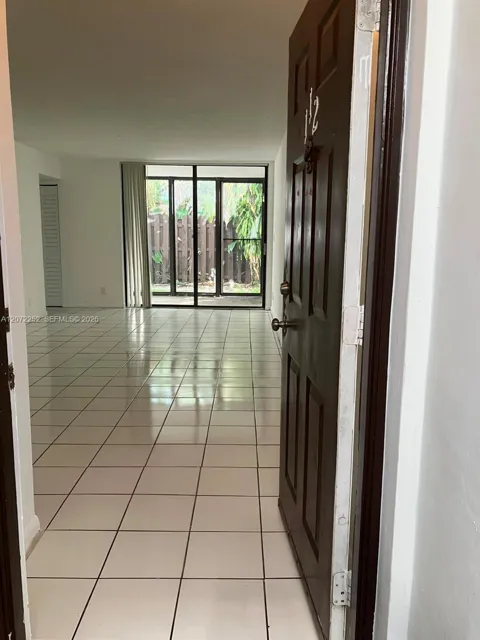
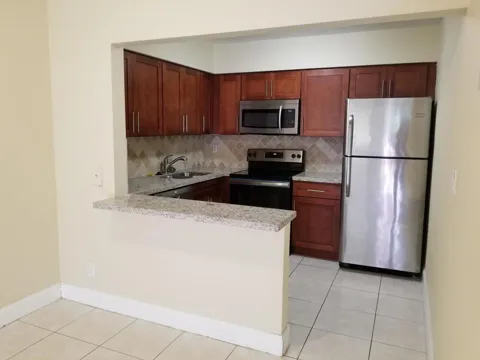
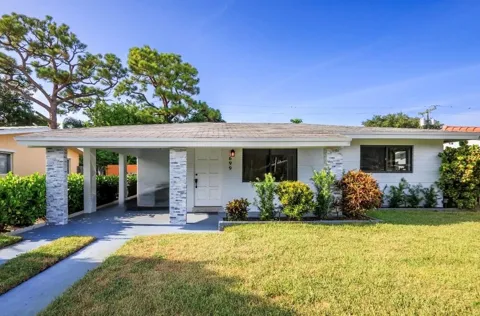
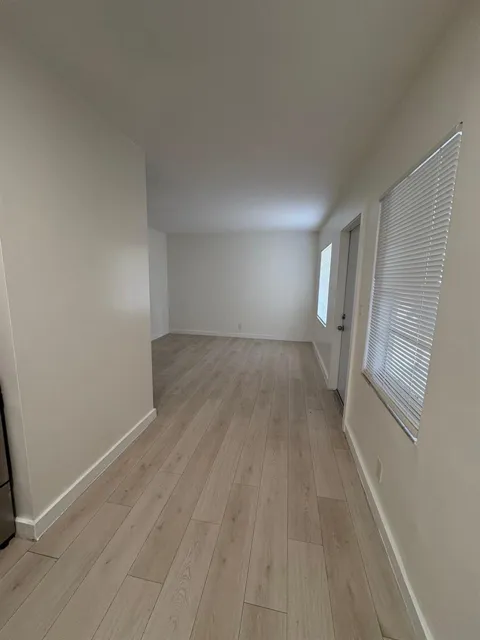
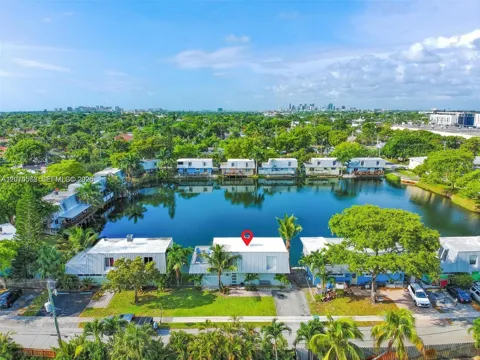
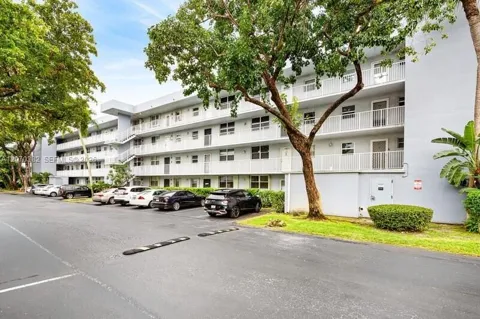
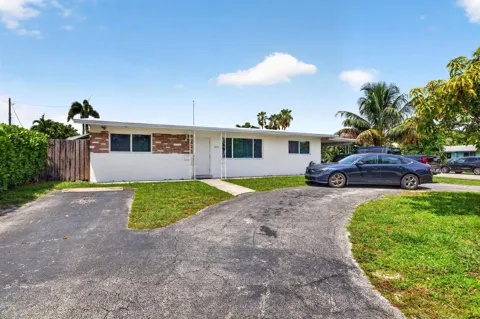
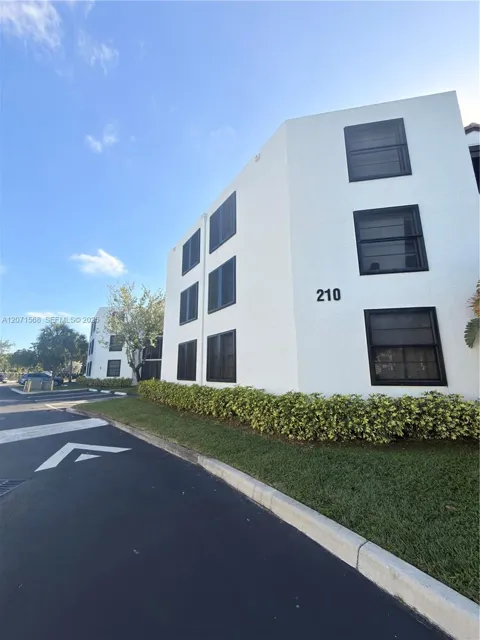
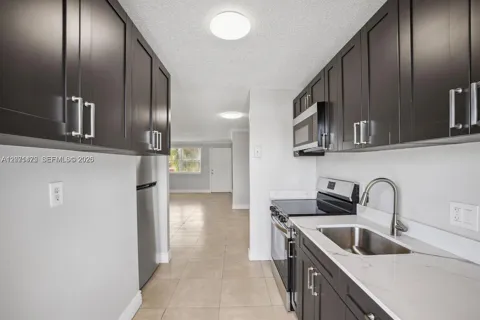
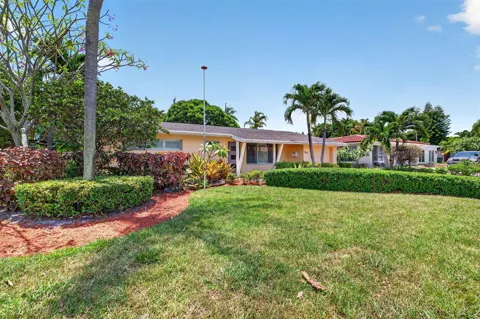
Oakland Park's housing stock tells a mid-century Broward County story, with concrete-block stucco homes built largely from the 1950s through the 1980s forming the core of the city's residential fabric. Many of these homes were built for returning veterans and their families in the 1940s and 1950s, and the city's age gives it one of the older median build years in the area. The mix includes single-family homes, duplexes, condominiums, and townhouses, with canal-front and lakefront properties adding a distinct South Florida dimension in neighborhoods such as Royal Palm Acres. As one of the region's more established, largely built-out cities, Oakland Park offers character and location rather than large tracts of new construction.
Oakland Park's neighborhoods reflect its history of steady expansion and annexation. Twin Lakes South and North Andrews Gardens are well-known residential areas, while Royal Palm Acres is recognized for its lakes and canal-front properties, offering a quieter suburban feel with easy access to highways and shopping. The city also absorbed areas such as Sleepy River Acres during its 1970s growth. Along the Florida East Coast Railway corridor and the city's main boulevards, older residential blocks give way to newer infill and a revitalizing downtown. This patchwork of established neighborhoods gives Oakland Park a varied, street-by-street character within its compact eight-square-mile footprint.
Oakland Park offers a central Broward County lifestyle with a distinctly local, community-oriented feel. The city's canal-lined streets and mature oaks give it a leafy, established character, while a growing downtown district has brought new walkways, green space, and gathering places. The arts and maker scene has added craft breweries, studios, and independent food spots to the mix. Residents are a short drive from Fort Lauderdale's dining, nightlife, and beaches, yet the city itself maintains a more residential, unhurried pace. Its diversity and proximity to employment centers make it a practical, lively choice for those who want urban convenience without being in the center of downtown Fort Lauderdale.
Oakland Park is served by Broward County Public Schools, one of the nation's largest school districts, which gives families access to a wide range of programs, magnet options, and specialty schools. Oakland Park Elementary School anchors the city's public education landscape; the historic campus opened in 1926 and is listed on the National Register of Historic Places. The city also coordinates a School Advisory Board to connect local families with district resources. With 29 schools located in or near the city, students have options spanning traditional, magnet, and charter programs, and the district's size supports a broad set of extracurricular and advanced academic offerings.
Oakland Park is exceptionally well connected for a Broward County community. It sits about five miles north of downtown Fort Lauderdale, and Fort Lauderdale-Hollywood International Airport lies just to the south, putting air travel within a short drive. The Florida East Coast Railway corridor and major arterials such as Oakland Park Boulevard and Dixie Highway run through the city, while Interstate 95 provides quick access along the coast. Broward County Transit operates bus service along Oakland Park Boulevard and Dixie Highway, linking residents to Fort Lauderdale and the wider county. The compact, gridded street layout also makes much of the city walkable and bike-friendly.
Oakland Park maintains a network of city parks and recreation facilities, with recent investments adding trails, green space, and downtown gathering areas such as Greenleaf Park. The city's canal system and proximity to the Intracoastal Waterway and Atlantic Ocean place boating, fishing, and beach outings within easy reach, while regional recreation extends to Fort Lauderdale's waterfront parks and the county's larger natural areas. The city's parks division also supports recreation programming and a library, and the ongoing expansion of walkable, landscaped corridors through the downtown connects residents to shops, dining, and public spaces on foot. The mild South Florida climate supports year-round outdoor activity.
MARKET SNAPSHOT
How homes have been selling here over the last 90 days.
Market data reflects closed sales over the last 90 days and is provided for informational purposes.
EXPLORE COMMUNITIES
Browse the neighborhoods and subdivisions in this area.
BROWSE BY ZIP
Browse listings by postal code in this area.