Southwest Broward County Suburb
Welcome to Miramar, a southern Broward County city named for a Havana neighborhood and known for its planned neighborhoods, regional park, and convenient Miami-area location.
Miramar is a city in southern Broward County, Florida, part of the Miami metropolitan area and one of the region's larger suburbs. Incorporated in 1955, the city began as a planned residential development on former agricultural land in southwestern Broward County, conceived by developer A.L. Mailman to provide affordable housing for Miami-area commuters. At incorporation it held fewer than 200 residents; it was named for the Miramar neighborhood of Havana, Cuba, where Mailman kept a summer home. The Spanish name translates to 'look at the sea,' even though the city lies inland. From that modest start, Miramar grew into a diverse, family-oriented community of roughly 135,000 people, ranking as the fourth-largest city in Broward County. Its growth accelerated as Broward County's suburbs expanded westward. The city's neighborhoods span mid-century single-family subdivisions in the older eastern sections and newer gated and lakefront communities such as SilverLakes and Monarch Lakes in the west. The Miramar Town Center area has emerged as a downtown-style focal point with civic buildings and nearby residential development. Education is provided by Broward County Public Schools, one of the nation's largest districts, and recreation centers on the 173-acre Miramar Regional Park, which offers sports fields, an aquatics complex, and an amphitheater, plus more than forty neighborhood parks. Major roadways including Interstate 75 and Florida's Turnpike place Miami, Fort Lauderdale, and the region's airports and seaports within convenient reach. For families and professionals, Miramar offers a suburban setting with strong highway access, a large park system, and a diverse community, positioning it as a practical and growing corner of Broward County.
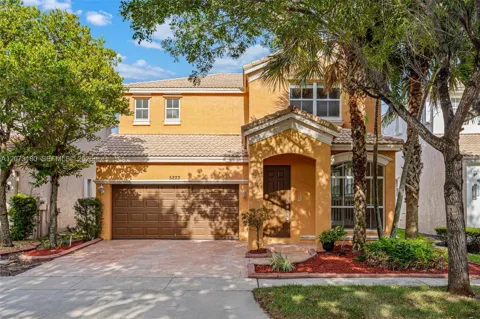
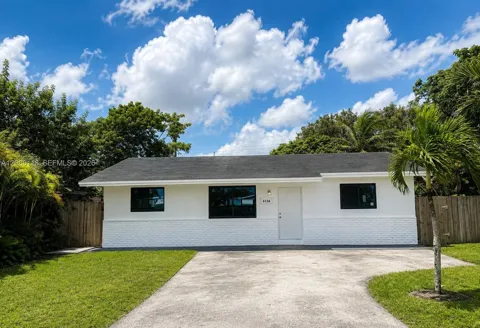
Miramar is located in southern Broward County, Florida, within the Miami metropolitan area. It is a suburb that sits inland, south of Fort Lauderdale and northwest of Miami, and ranks as the fourth-largest city in Broward County.
Miramar was named for the Miramar neighborhood of Havana, Cuba, where founder and developer A.L. Mailman had a summer home. The Spanish name translates to 'look at the sea,' even though the Florida city is inland.
Miramar's public schools are part of Broward County Public Schools, the sixth-largest school district in the nation and the second-largest in Florida. The district operates neighborhood and choice programs throughout the city.
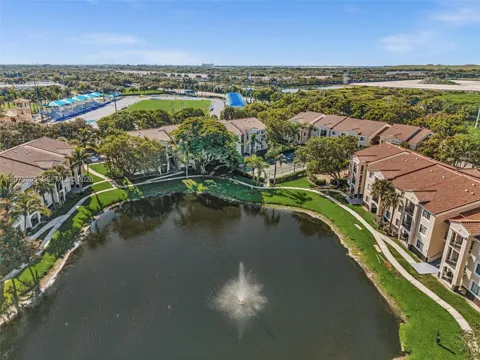
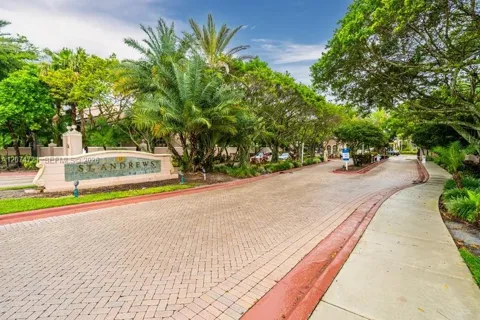
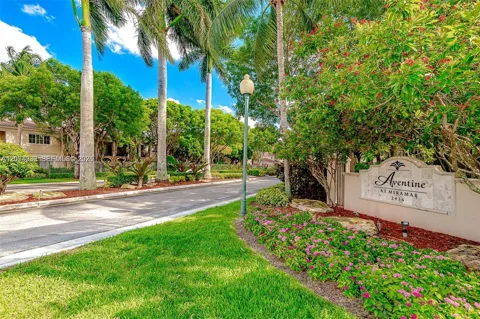
Notable Miramar neighborhoods include SilverLakes, known for its gated communities and lakes, and Monarch Lakes, plus older mid-century areas such as Miramar Tropical and Welwyn Park, and newer communities like Riviera Isles and the Miramar Town Center area.
Miramar Regional Park is a 173-acre facility with fields for soccer, football, cricket, and baseball, playgrounds, a dog park, volleyball courts, an aquatics complex, and an amphitheater. The city also maintains more than forty smaller parks.
City Guide
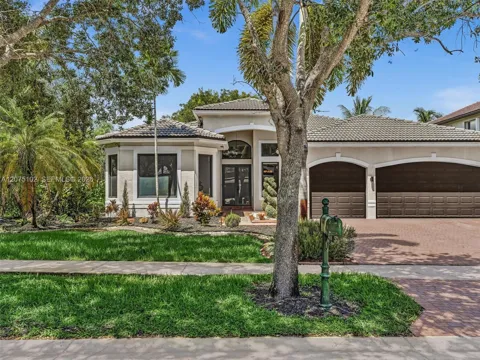
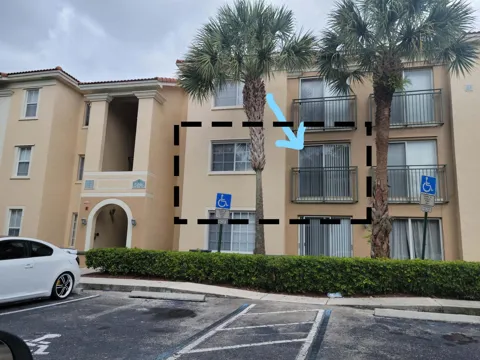
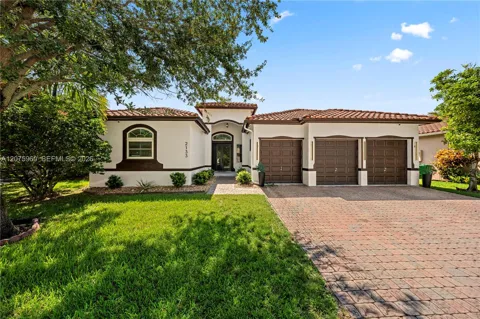
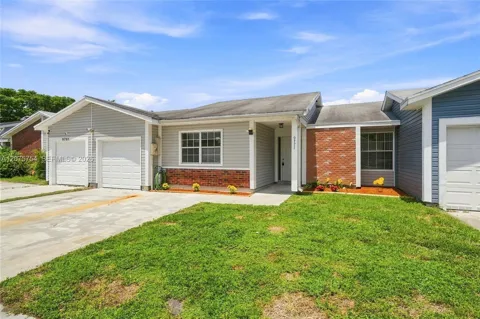
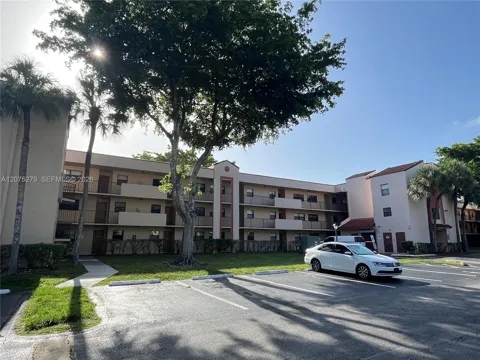
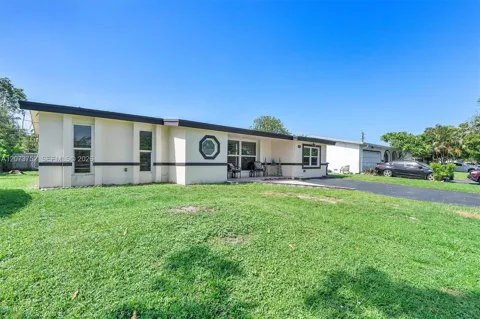
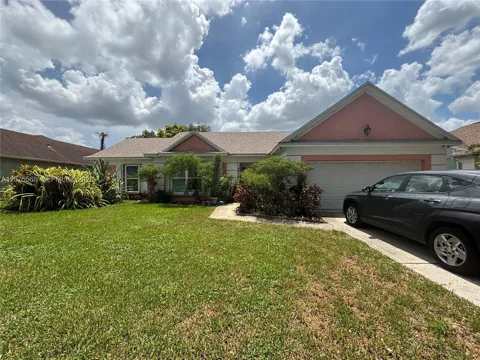
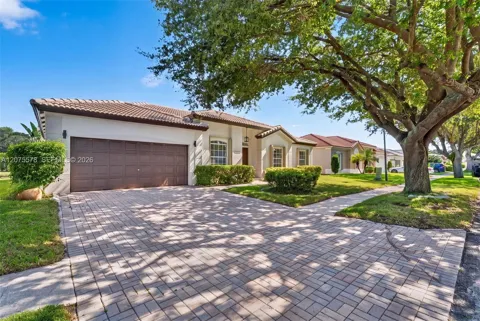
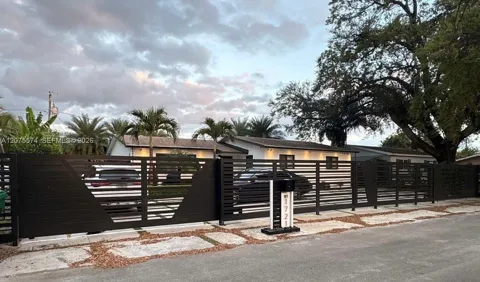
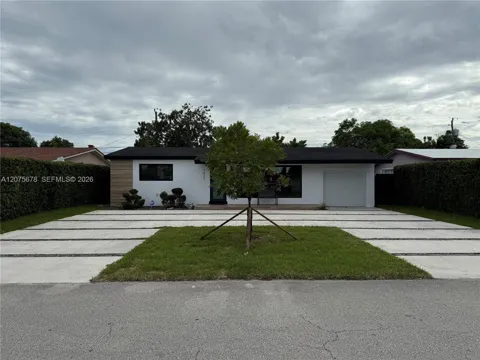
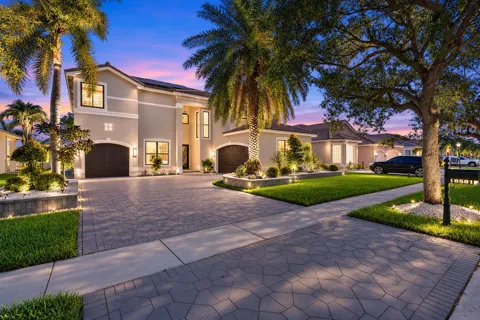
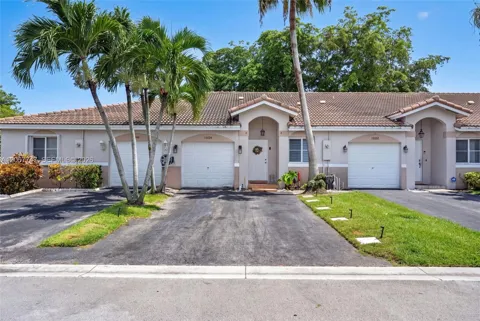
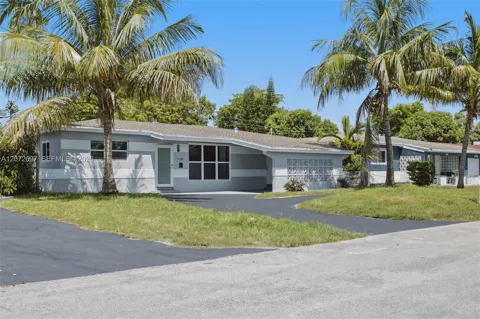
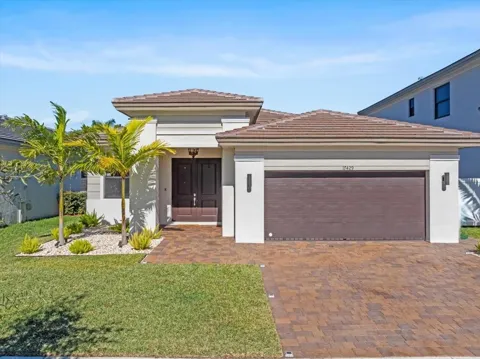
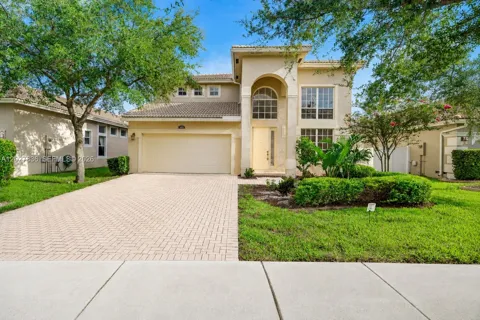
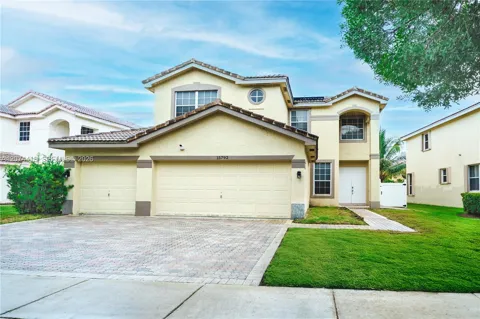
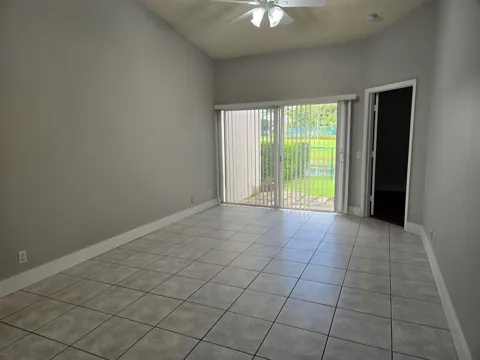
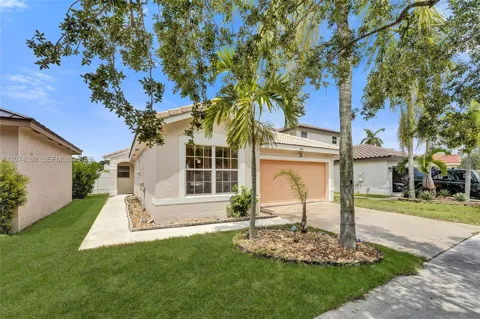
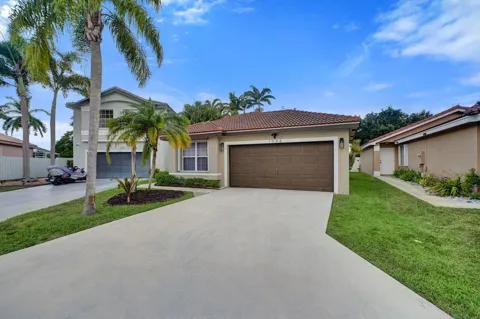
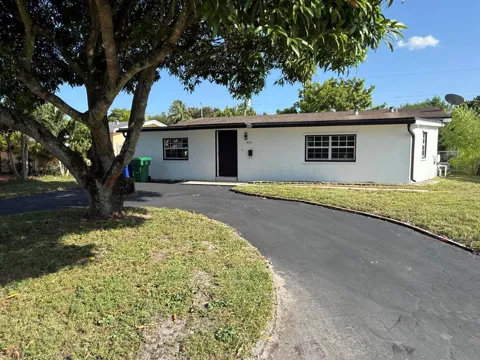
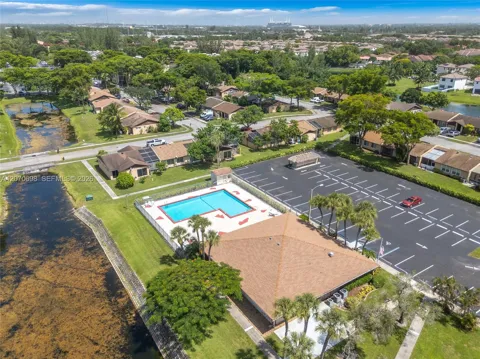
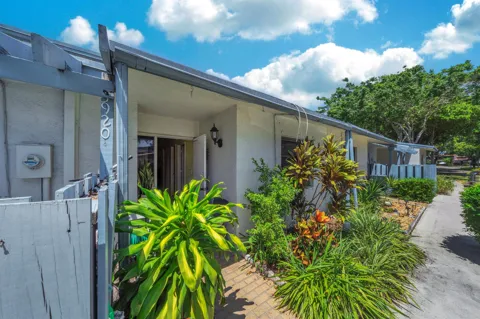
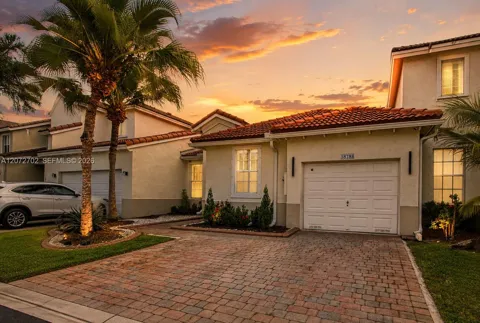
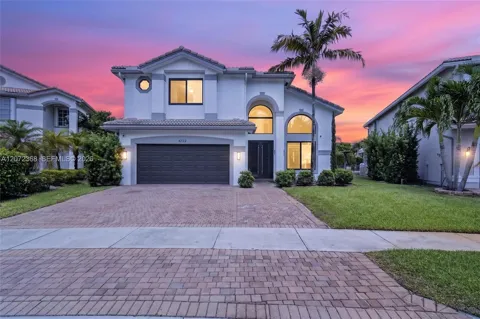
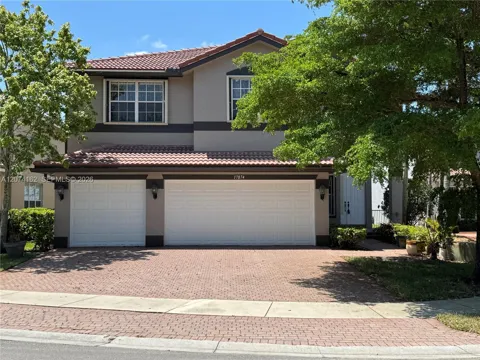
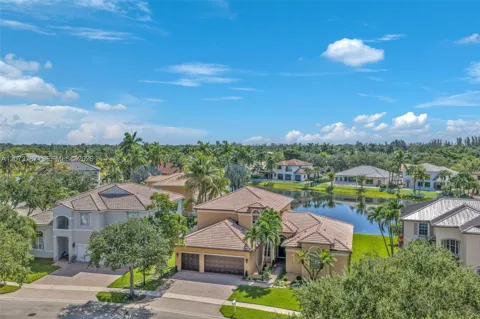
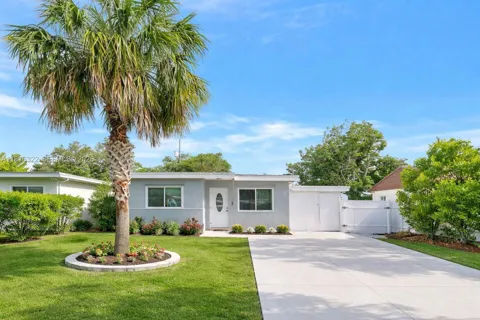
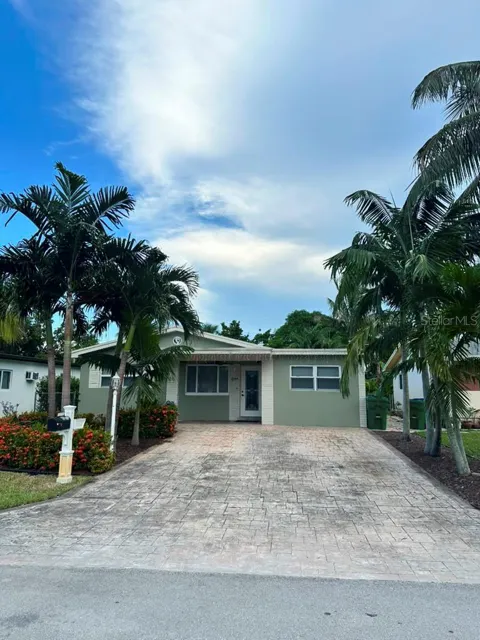
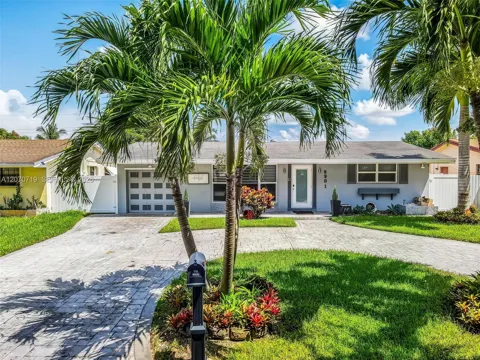
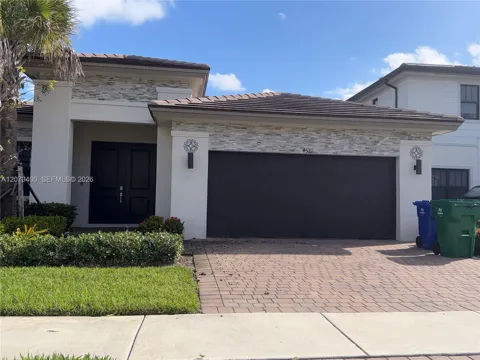
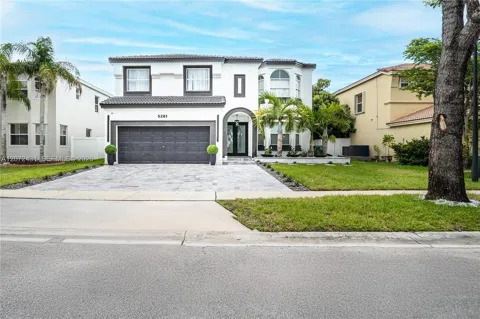
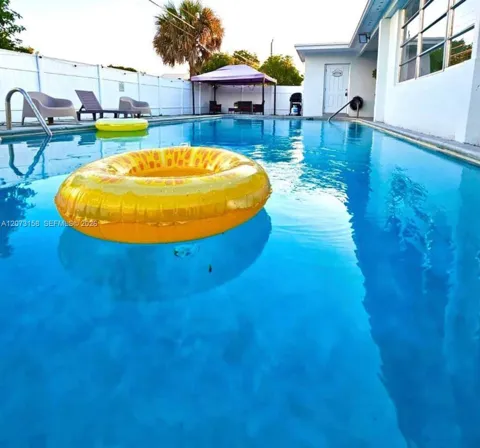
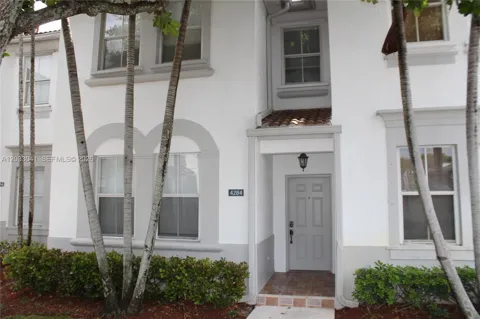
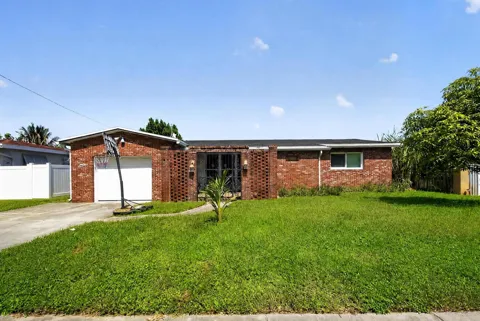
Miramar's housing reflects its decades of growth. The older eastern side of the city holds traditional, single-level mid-century homes in neighborhoods such as Miramar Tropical and Welwyn Park, while the western side features newer gated and lakefront communities including SilverLakes, Monarch Lakes, and Riviera Isles. The Miramar Town Center area adds more recent construction near a developing civic and commercial core. Overall, the market offers a broad spectrum from established single-family houses to newer planned communities, serving a largely family-oriented population across the city.
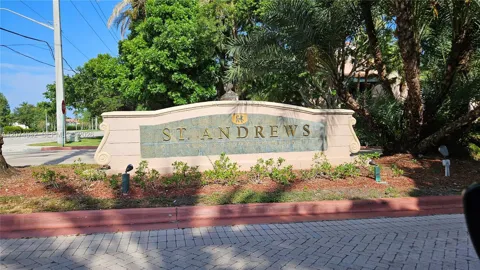
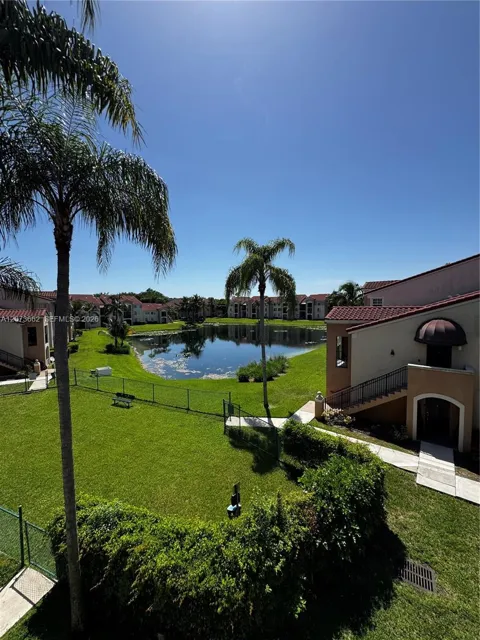
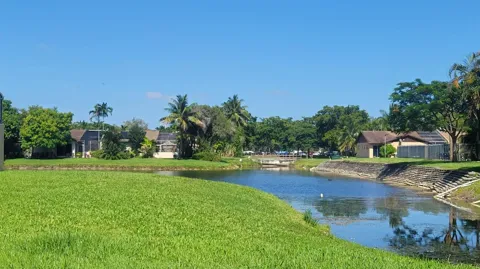
Miramar's neighborhoods divide roughly between its older east side and newer west side. Miramar Tropical and Welwyn Park represent the mid-century, single-story housing of the city's early years, set in traditional street grids near parks and local dining. To the west, SilverLakes stands out for its gated communities, tree-lined streets, and scenic lakes, while Monarch Lakes and Lakeshore at University Park continue the lakefront theme. Riviera Isles and Miramar Park are also among the city's most active neighborhoods. The Miramar Town Center area anchors a newer civic and commercial district, blending residential and downtown-style uses.
Miramar offers a suburban, family-oriented lifestyle within the Miami metro. The city's diversity is reflected in its restaurants, shops, and community events, with Caribbean cuisine a notable local staple. Miramar Town Center serves as a gathering point for civic life, while the regional park's amphitheater hosts concerts and cultural programming. Residents benefit from quick access to the larger retail, dining, and entertainment options of Miami and Fort Lauderdale, along with a strong local park system. The result is a practical, community-centered way of life that balances suburban space with metropolitan convenience.
Miramar's public schools are part of Broward County Public Schools, the sixth-largest school district in the nation and the second-largest in Florida. The district operates elementary, middle, and high schools throughout the city, including Miramar Elementary and Miramar High, and has been fully accredited for decades. Because the district covers the entire county, families in Miramar access a large network of magnet, choice, and neighborhood programs. The city's own schools and recreation programs form a core part of community life for its many families.
Miramar sits in southern Broward County with direct access to major regional roadways, including Interstate 75 and Florida's Turnpike, which connect the city to Miami to the south and Fort Lauderdale to the north. Commuter patterns reflect its position within the Miami-Fort Lauderdale metro, with many residents traveling to employment centers across Broward and Miami-Dade counties. The region's airports — Miami International and Fort Lauderdale-Hollywood International — are within a reasonable drive. Local travel is largely by car, typical of South Florida's suburban communities.
Miramar's recreation is anchored by the 173-acre Miramar Regional Park, which offers fields for soccer, football, cricket, and baseball, playgrounds, a dog park, volleyball courts, an aquatics complex, and an amphitheater that hosts concerts and cultural events. Beyond it, the city maintains more than forty parks spread across its neighborhoods, providing playgrounds, trails, and green space within easy reach of most homes. The combination of a major regional facility and extensive neighborhood parks gives Miramar one of the stronger park systems in southwest Broward County.
MARKET SNAPSHOT
How homes have been selling here over the last 90 days.
Market data reflects closed sales over the last 90 days and is provided for informational purposes.
BROWSE BY ZIP
Browse listings by postal code in this area.