Mile Square City on the Hudson
Listings in Hoboken, NJ
Welcome to Hoboken, the Mile Square City on the Hudson River, where historic brownstones and a celebrated waterfront terminal put Manhattan within minutes.
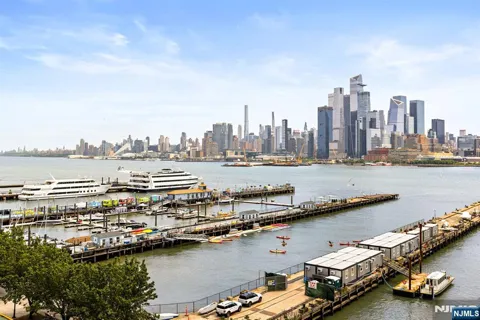
Hoboken is a city in Hudson County, New Jersey, sitting on the Hudson River directly across from Manhattan's West Side. Known as the Mile Square City for its compact footprint, it packs roughly 60,000 residents into about 1.25 square miles, making it one of the densest cities in the United States. The city rose as a 19th-century port, shipbuilding, and manufacturing center, and much of that era survives in the brownstones and brick row houses that line its streets. The city's waterfront was long dominated by piers, docks, and industry before a decades-long transformation opened the riverfront to parks and recreation. Today the Hudson River Waterfront Walkway threads through a string of parks from the terminal north to the Weehawken line, and the skyline across the river provides a constant backdrop to daily life. Transportation defines the city. Hoboken Terminal, a historic Beaux-Arts landmark at the southern edge of the city, brings together PATH rapid transit, eight NJ Transit commuter rail lines, the Hudson-Bergen Light Rail, NY Waterway ferries, and numerous bus routes. That abundance of transit options makes a Manhattan commute measured in minutes rather than hours and is one of the principal reasons people choose Hoboken. The city is home to Stevens Institute of Technology, a research university whose campus crowns Castle Point overlooking the river. Frank Sinatra was born in Hoboken, and the city honors its native son with Sinatra Park along the waterfront. The population skews young and professional, drawn by walkability, transit access, and a dense concentration of restaurants, bars, and shops, particularly along Washington Street. That blend of old-world streets, a rebuilt riverfront, and immediate proximity to New York gives Hoboken its distinctive, energetic character.

Get more information about Hoboken
Houses in Hoboken, NJ



Townhouses & Duplexes in Hoboken, NJ
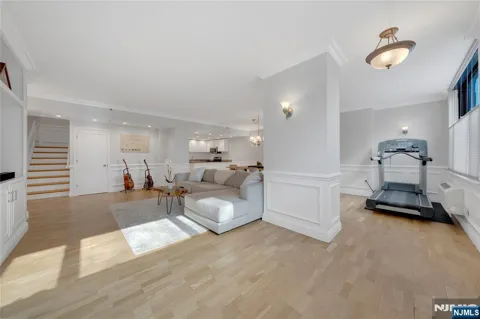
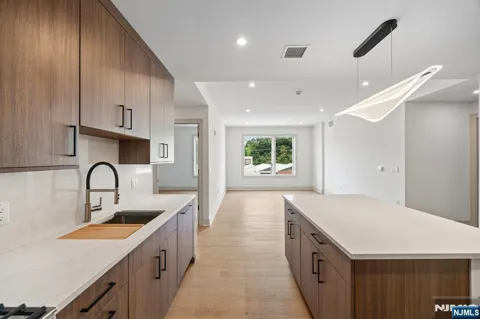
Condos & Apartments in Hoboken, NJ
MARKET SNAPSHOT
The Market at a Glance
How homes have been selling here over the last 90 days.
Price & Sales History
Market data reflects closed sales over the last 90 days and is provided for informational purposes.
Zip Codes
BROWSE BY ZIP
Browse listings by postal code in this area.
- Grid
- Map
- List
City Guide
About Hoboken
Real Estate & Housing
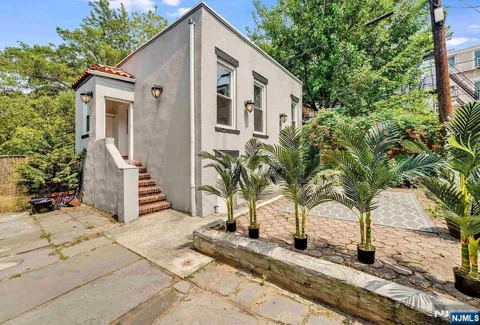
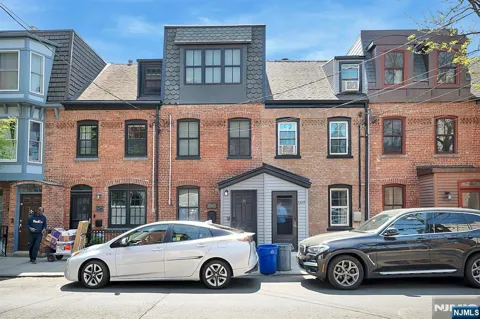
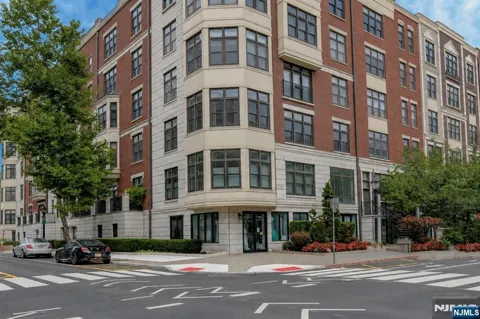
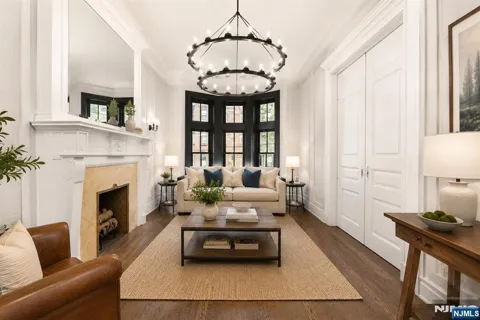
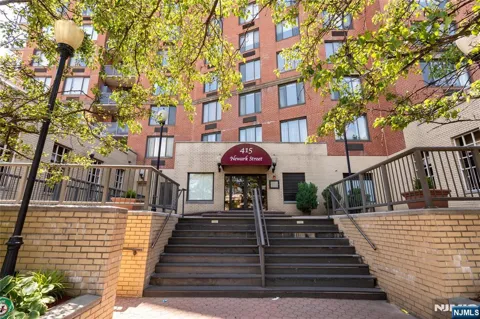
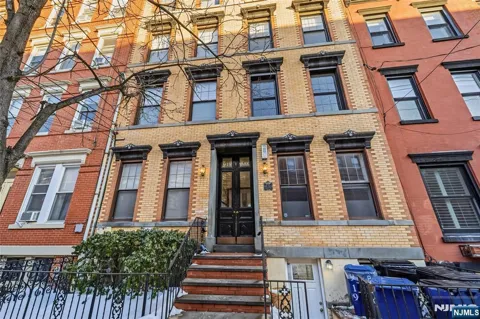
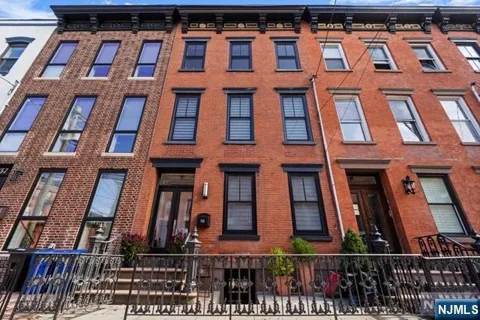
Hoboken's housing stock is defined by its 19th- and early-20th-century row houses and brownstones, many of which have been carefully restored and occupy entire blocks in the city's northern half. These one- and two-family homes give the streets their signature brick and brownstone facades. Along the waterfront and near the terminal, newer condominium and high-rise buildings offer river and skyline views. The mix means buyers encounter everything from historic single-family townhomes to modern apartments, all within a dense, walkable grid where on-street parking is tight and much daily life happens on foot.
Neighborhoods
Hoboken's neighborhoods run in a rough north-south gradient. The uptown section, from roughly Fourteenth Street north, holds many of the city's restored brownstone blocks and quieter residential streets, with the waterfront nearby. Downtown, around Washington Street and the terminal, is denser and more commercial, with shops, restaurants, and transit access. The southwest side, near the Jersey City line, includes converted industrial buildings and newer construction. Washington Street functions as the city's main spine, lined with storefronts, while the Hudson River Waterfront Walkway ties the whole city to the river.
Lifestyle in Hoboken
Hoboken offers a dense, walkable, urban lifestyle shaped by its waterfront setting and proximity to Manhattan. Washington Street anchors the retail and dining scene, and the city is known for its concentration of bars, restaurants, and Italian-American food culture, a legacy of its immigrant history. The riverfront is a daily amenity: residents walk, run, and gather along the promenade and in the string of parks that face the Manhattan skyline. Community events, from waterfront festivals to the Hoboken Arts and Music Festival, fill the calendar, and the population skews young and professional, with many residents commuting into New York for work.
Schools & Education
Hoboken Public School District operates the city's public schools, including elementary schools and Hoboken High School. The district serves a relatively small student population for a city of its density, reflecting the large share of young adult and professional households. Stevens Institute of Technology, a private research university founded in 1870, is a defining presence, its campus perched above the Hudson on Castle Point and drawing students and faculty from around the world. Charter and private options supplement the public system within the compact city limits.
Getting Around
Hoboken is one of the New York region's best-connected commuter cities. Hoboken Terminal combines PATH rapid transit to Manhattan, eight NJ Transit commuter rail lines, the Hudson-Bergen Light Rail, and NY Waterway ferries in a single historic hub, with bus service layered on top. PATH trains reach Manhattan in roughly 10-15 minutes, and ferries cross the Hudson with unobstructed skyline views. Within the city, most errands are walkable, and the light rail and buses connect to Jersey City, Weehawken, and points along the Hudson waterfront. Major airports in Newark and New York are accessible by rail and road.
Parks & Recreation
Hoboken's waterfront is its great recreational asset. Pier C Park extends over the river with playgrounds and views, while Sinatra Park, named for the city's native son, offers green space and a boathouse along the promenade. Church Square Park anchors the city center beside the public library, and Stevens Park and Elysian Park provide neighborhood gathering spots. In all, the city maintains dozens of parks and playgrounds across roughly 53 acres, and the Hudson River Waterfront Walkway connects them into a continuous route for walking, running, and cycling along the Manhattan skyline.
About Hoboken
Frequently asked questions
What county is Hoboken in?
Hoboken is in Hudson County, New Jersey, directly across the Hudson River from Manhattan. It is part of the New York metropolitan area, bordered by Jersey City to the south and west, Weehawken to the north, and the Hudson River to the east.
How do commuters get from Hoboken to New York City?
Hoboken Terminal, a historic multimodal hub, brings together PATH rapid transit, NJ Transit commuter rail, the Hudson-Bergen Light Rail, NY Waterway ferries, and buses. PATH trains reach Manhattan in roughly 10-15 minutes, and ferries cross the river with views of the skyline.
What is Hoboken known for?
Hoboken is known as the Mile Square City for its compact, walkable footprint, and as the birthplace of Frank Sinatra. It is also known for its restored 19th-century brownstones and row houses, its waterfront parks, and the Stevens Institute of Technology campus overlooking the Hudson.
What kind of housing does Hoboken have?
Hoboken's housing stock mixes restored 19th- and early-20th-century brownstones and brick row houses with newer condominiums and waterfront high-rises. Many blocks in the northern part of the city are lined with one- and two-family row houses.
What parks are in Hoboken?
Hoboken maintains roughly 35 parks and playgrounds across about 53 acres, including the waterfront Pier C Park, Church Square Park, Stevens Park, Elysian Park, and Sinatra Park. The Hudson River Waterfront Walkway links many of these spaces along the river.
Still have questions about Hoboken?
Get in touchExplore the area