Bergen County River City
Welcome to Garfield, a densely built Bergen County city on the Passaic River, about nine miles west of Manhattan.
Garfield is a city in Bergen County, New Jersey, situated along the Passaic River about nine miles west of Manhattan. It is one of the most densely populated municipalities in Bergen County, with roughly 32,700 residents living within a compact, urban-suburban street grid. The area's European settlement dates to the late 17th century, but Garfield emerged as an industrial center in the late 19th and early 20th centuries, built around woolen mills and manufacturing along the river. The city was named in honor of President James A. Garfield following his 1881 assassination, reflecting the era's political currents. That industrial heritage shaped the city's dense housing stock of single- and two-family homes and its working- and middle-class character, which persists today. Garfield's population is notably diverse. A long-established Polish-American community has anchored the city for generations, with churches, bakeries, delicatessens, and a Polish language school reflecting that heritage, while more recent arrivals have added substantial Hispanic and other communities. This cultural mix shapes the city's restaurants, shops, and civic life, and ethnic festivals mark the local calendar. Transportation is a core asset. An NJ Transit rail station on the Main/Bergen County Line — with service on the Port Jervis Line — provides direct trains toward Hoboken and connections to New York City, and bus routes and nearby highways such as Interstate 80 and Route 21 extend regional access. For residents, Garfield offers a walkable, transit-connected, and relatively affordable alternative within Bergen County, close to employment centers in the Meadowlands and New York City while retaining a distinct, tight-knit urban character. Its dense streets, corner businesses, and multicultural dining scene distinguish it from the county's more suburban municipalities.
Garfield is located in Bergen County, New Jersey, along the Passaic River roughly nine miles west of Manhattan. It is a densely built urban-suburban city within the New York metropolitan area.
Garfield has an NJ Transit rail station on the Main/Bergen County Line, with service on the Port Jervis Line as well, providing direct trains to Hoboken and connections into New York City. Bus routes and nearby highways supplement transit access.
Garfield is served by the Garfield Public Schools district for K-12 education, with campuses that include Garfield High School. Private and parochial school options reflecting the city's diverse community provide additional choices for families.
Garfield is known for its history as a woolen-mill and manufacturing town on the Passaic River, its diverse population with a long-established Polish-American community, and its dense, walkable residential character about nine miles from Manhattan.
City Guide
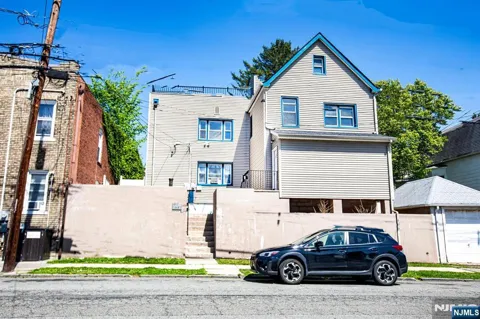
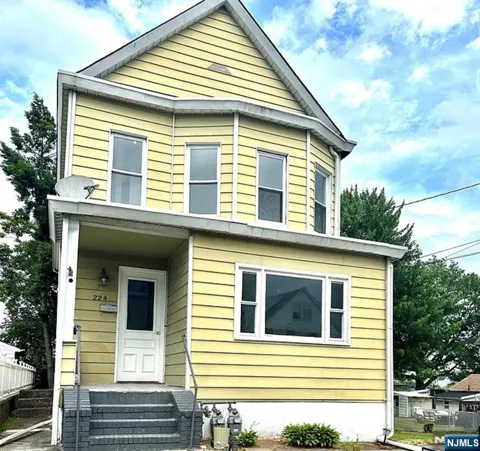
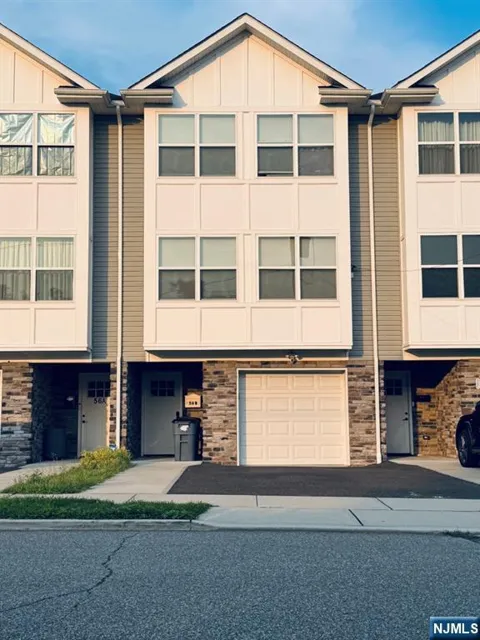
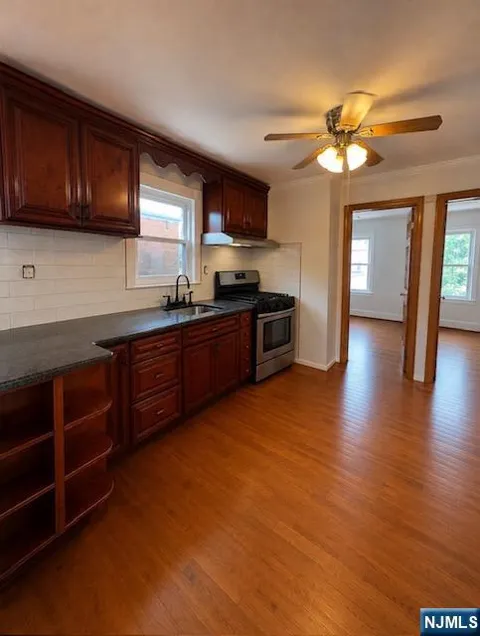
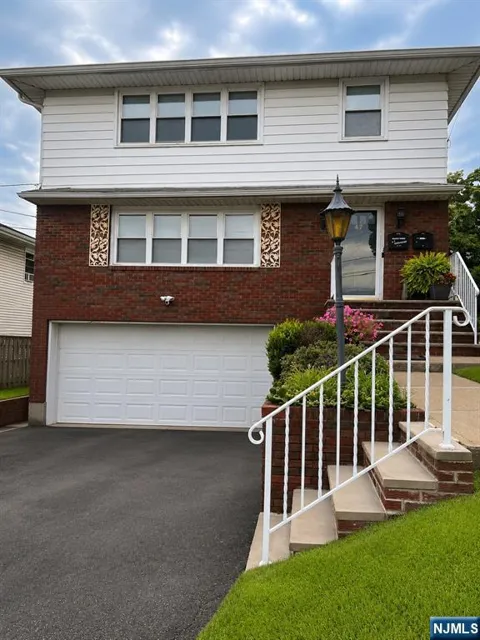
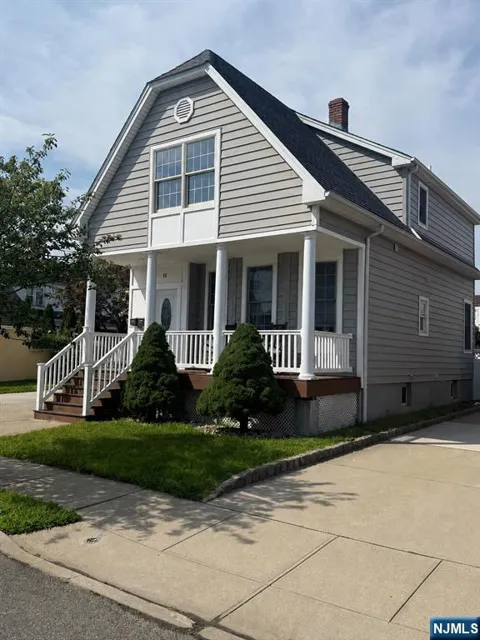
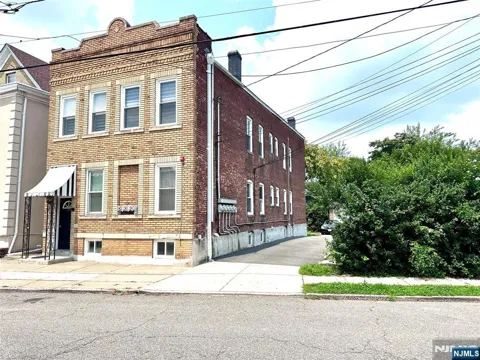
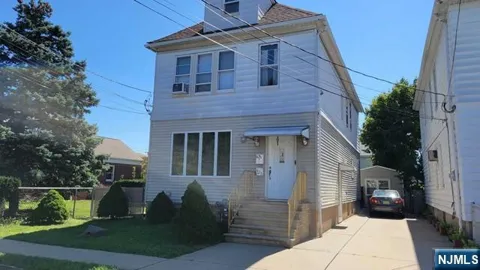
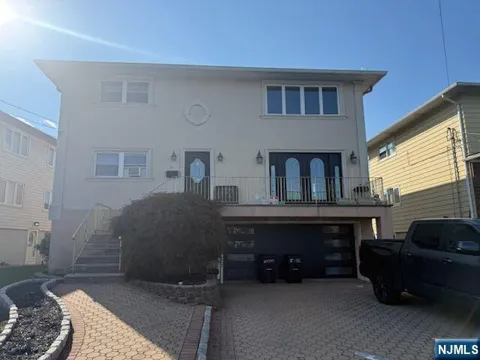
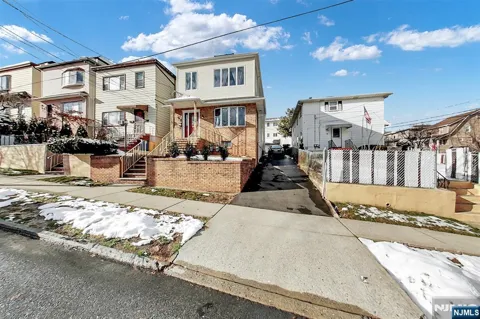
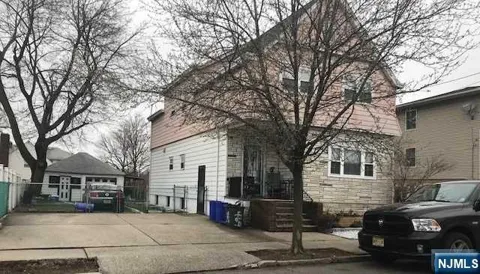
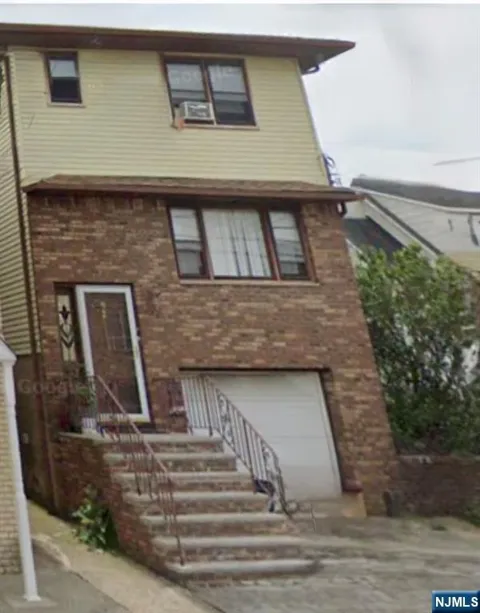
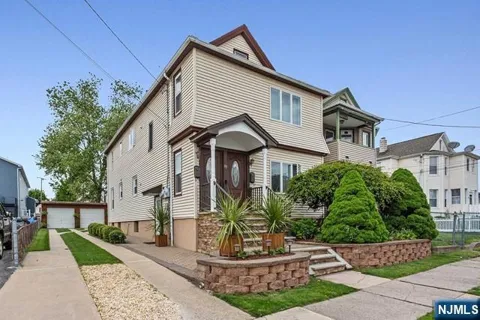
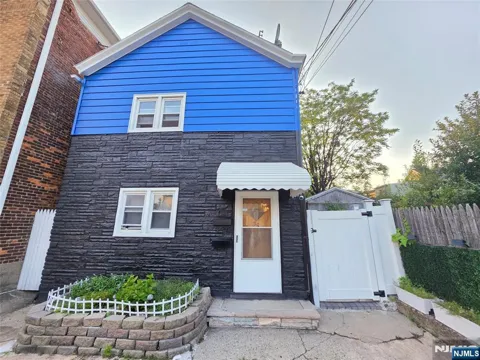
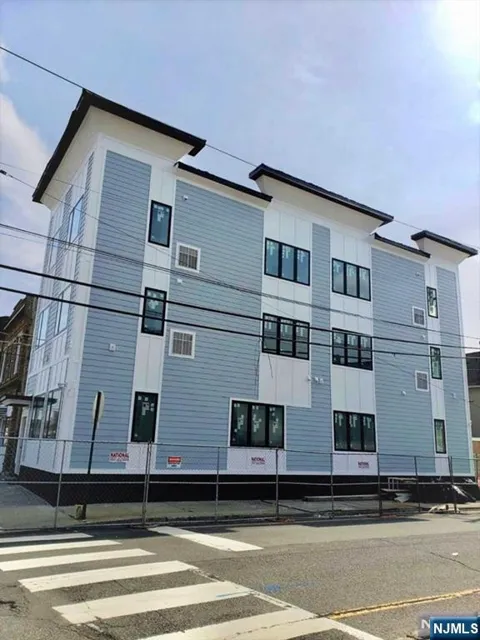
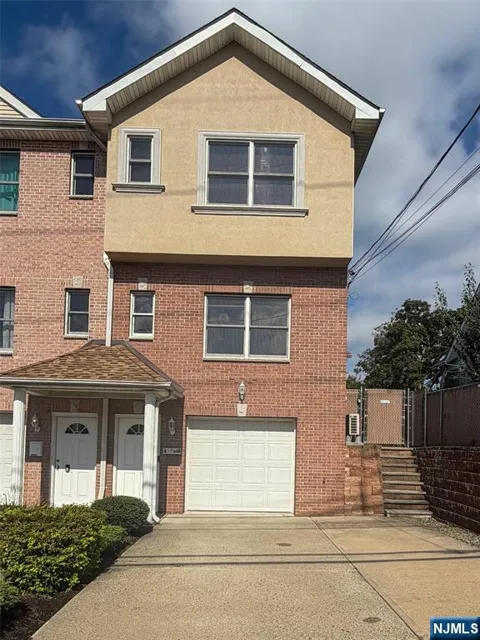
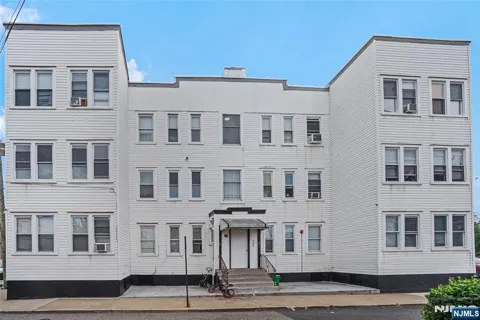
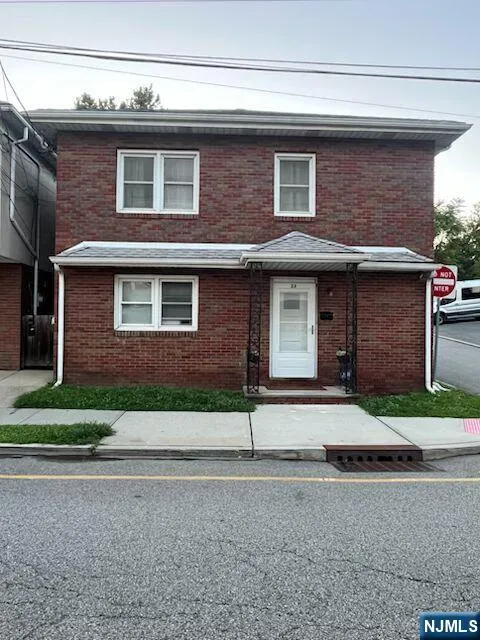
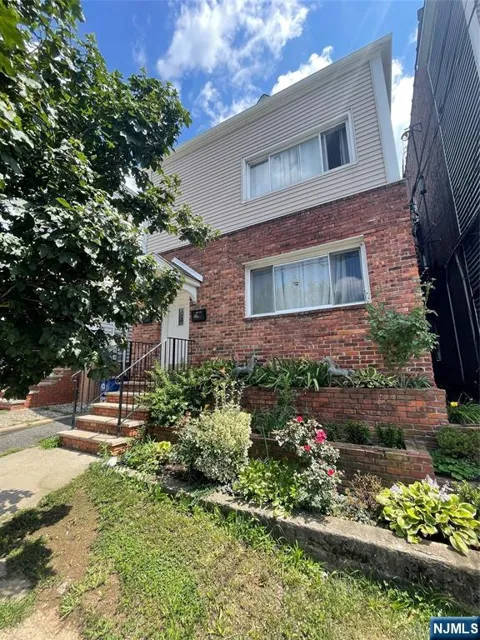
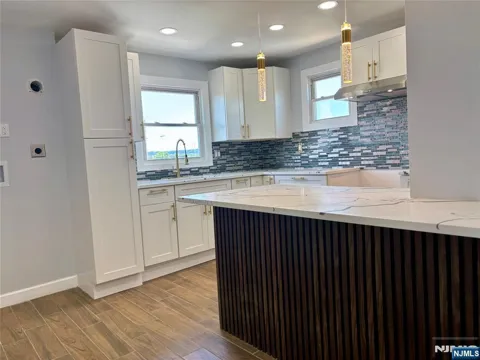
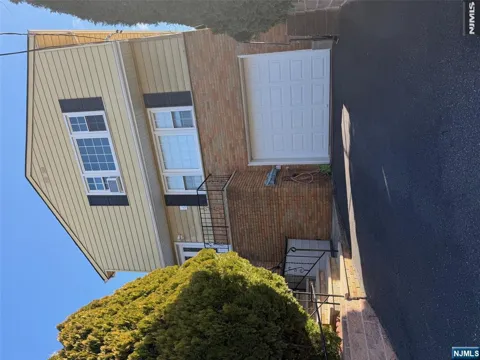
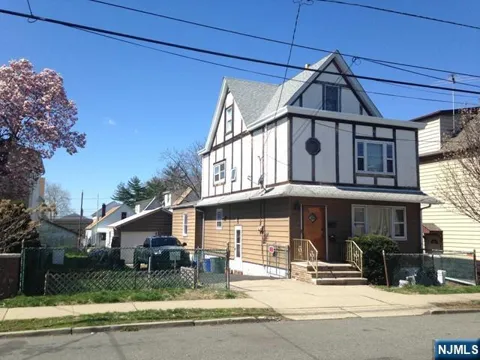
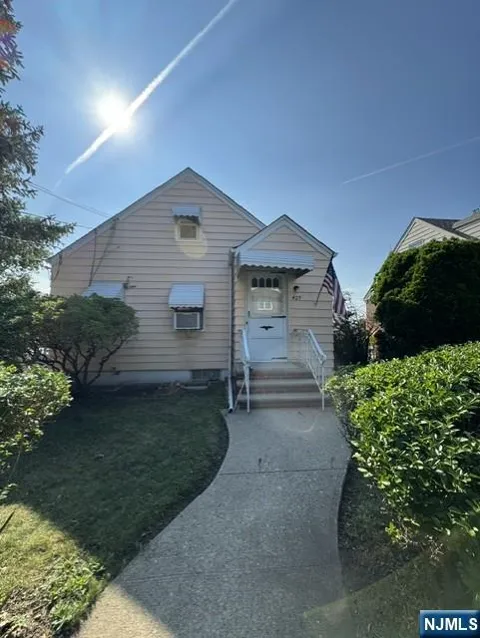
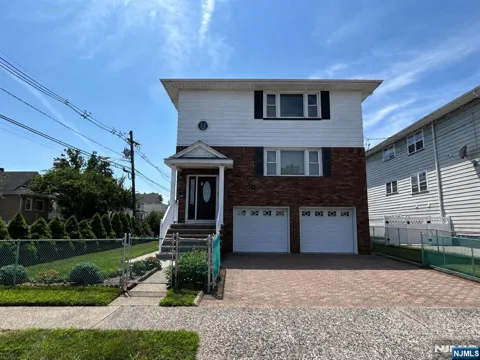
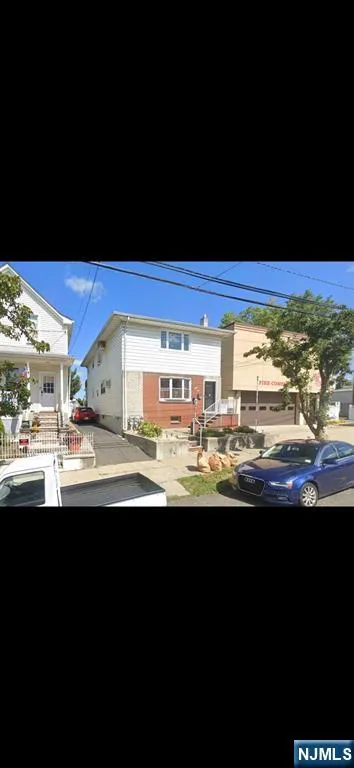
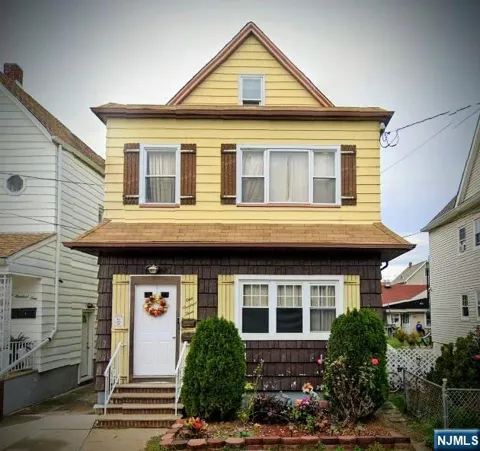
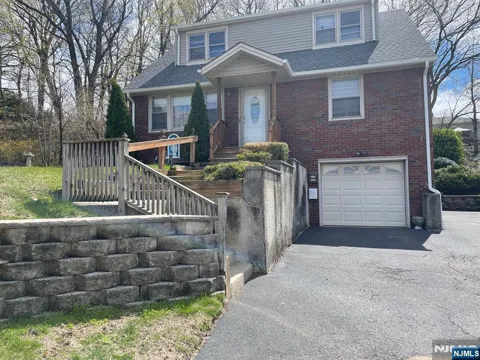
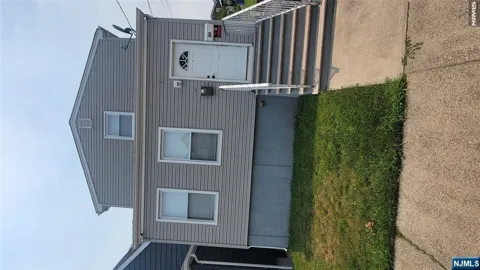
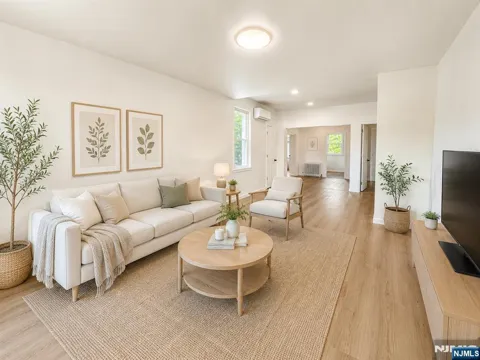
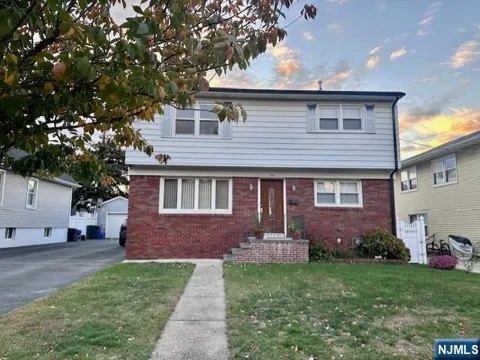
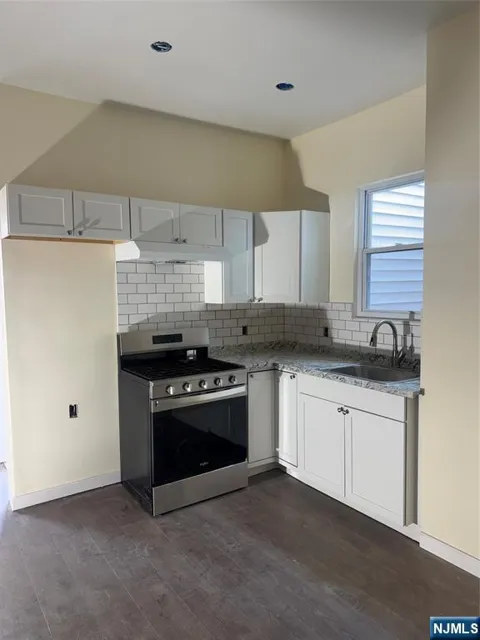
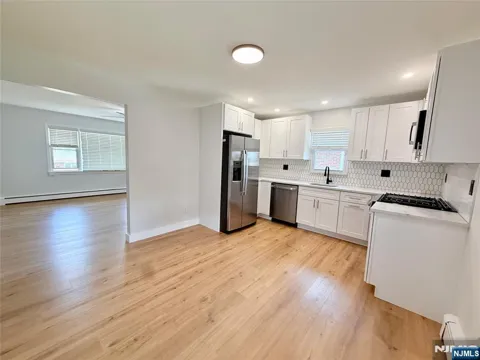
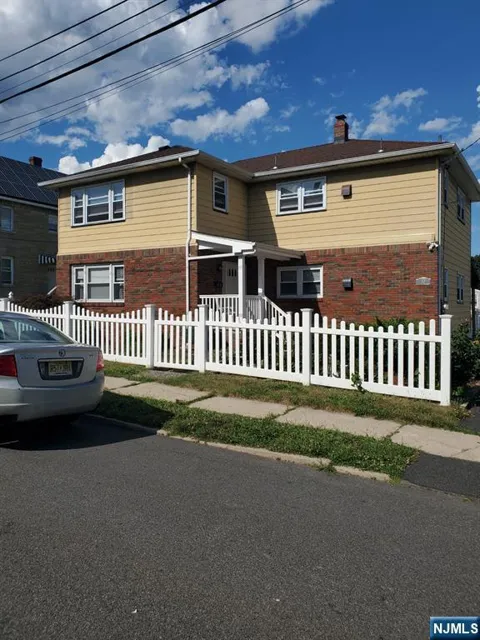
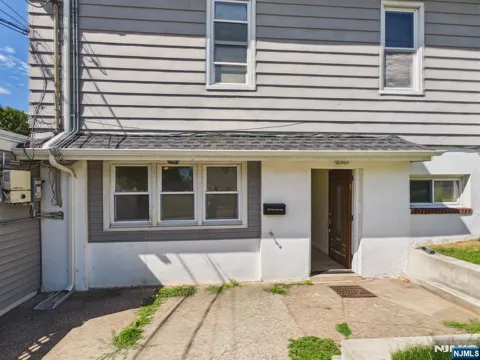
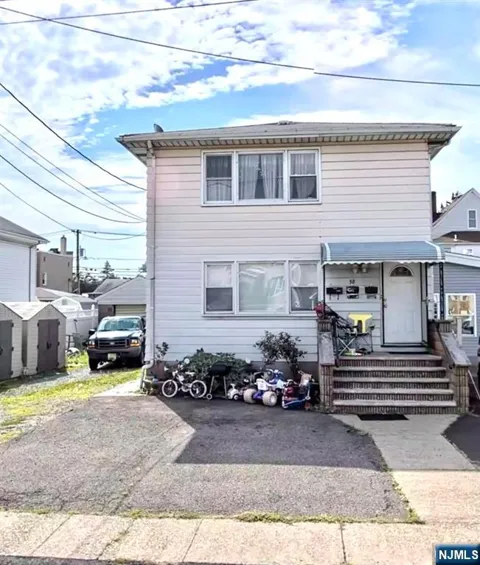
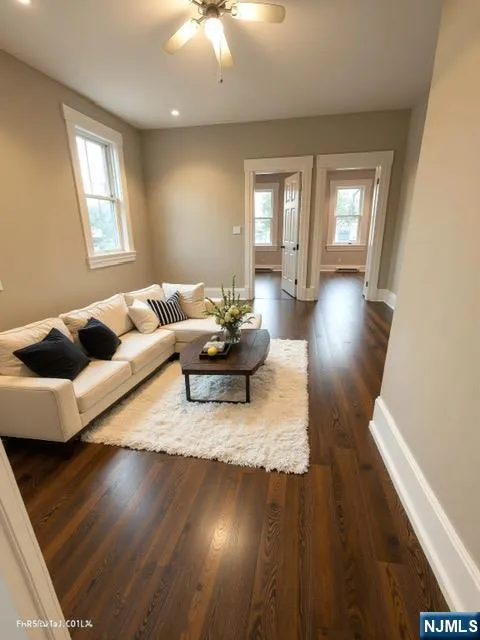
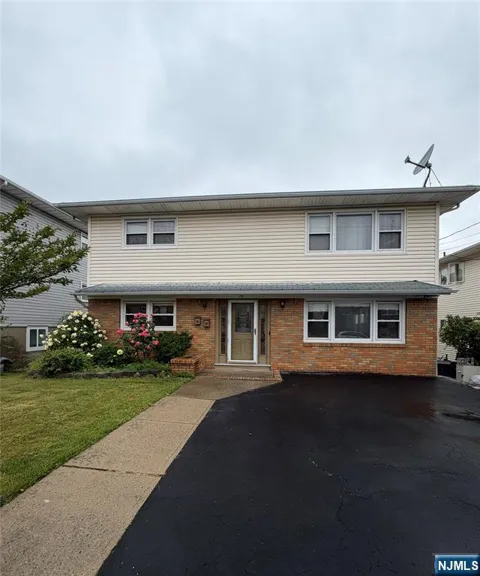
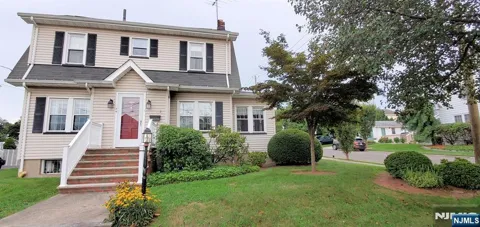
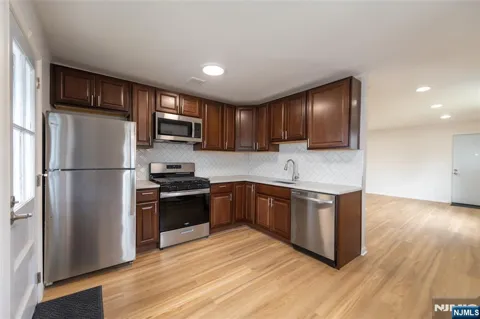
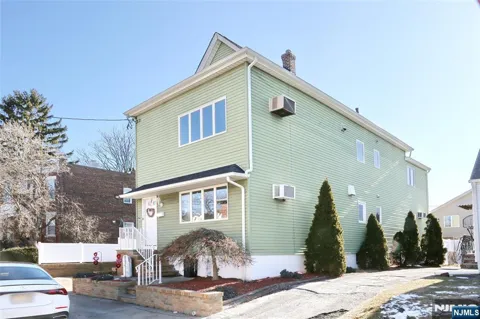
Garfield's housing stock is dense and predominantly older, reflecting its industrial-era growth. Single-family and two-family homes — many built in the early-to-mid 20th century — line narrow lots across the city, alongside small apartment buildings and multi-family conversions. The housing is generally more affordable than in most of Bergen County, which draws first-time buyers and households priced out of neighboring towns. Lot sizes are modest, and off-street parking can be limited in older sections. The market's character is urban-suburban: tightly built, walkable, and transit-accessible, with a mix of owner-occupied and rental properties serving a working- and middle-class community.
Garfield is organized more by its street grid and corridors than by sharply defined named neighborhoods. The city extends from the Passaic River on its western edge, where some riverside parks and industrial remnants remain, through dense residential blocks to its commercial avenues. The area around the NJ Transit station and the main shopping streets forms the commercial core, while surrounding streets hold the city's older single- and two-family homes. Because Garfield is compact — with one of the highest population densities in Bergen County — most residents live within walking distance of schools, shops, and transit, giving the city a consistent, tightly knit urban character throughout.
Garfield's lifestyle reflects its dense, walkable, and culturally diverse character. The city's streets are lined with older homes, corner delis, bakeries, and small businesses, and its dining scene blends Polish and Eastern European traditions — bakeries, butcher shops, and delicatessens — with Latin American and other cuisines. Community life centers on churches, civic organizations, and ethnic festivals that mark the calendar. The Passaic River and neighborhood parks offer green space within the urban fabric, while the NJ Transit station and bus network connect residents to the broader region. For those seeking an affordable, transit-connected, urban-suburban setting near New York City, Garfield offers a distinct alternative to pricier Bergen County towns.
Garfield is served by the Garfield Public Schools district, which operates elementary and middle schools and Garfield High School for the city's K-12 students. The district serves a diverse, densely settled student population and offers standard academic, athletic, and extracurricular programming. Private and parochial school options — including institutions tied to the city's Polish-American and other faith communities — provide additional choices. Bergen County's vocational-technical schools and community college system offer further educational pathways nearby. For families, Garfield's schools are part of a broader Bergen County educational landscape that includes both district programs and access to regional resources.
Garfield is well connected for a city of its size. An NJ Transit rail station on the Main/Bergen County Line, with service on the Port Jervis Line, provides direct trains toward Hoboken and Secaucus Junction, where passengers connect to New York City. Local bus routes, including NJ Transit Route 707, serve the city's streets, and major highways — Interstate 80, Route 21, Route 46, and the Garden State Parkway — run nearby. The George Washington Bridge and Lincoln Tunnel are both within roughly 10 miles, making automobile access to Manhattan and the Meadowlands straightforward. This combination of rail, bus, and highway access anchors Garfield's role as a commuter city.
Recreation in Garfield centers on its municipal parks and the Passaic River corridor. City parks provide playgrounds, sports fields, and community gathering spaces within the dense urban fabric, and riverside areas offer walkable green space along the water. Nearby regional amenities expand options: Saddle River County Park, with its paved multi-use paths, lies just north of the city, and the Meadowlands region offers larger open-space and recreation destinations. The city's recreation facilities, schools, and community organizations host youth sports and events. Garfield's location also places residents within easy reach of Manhattan's and the broader region's cultural and recreational attractions by rail or bus.
MARKET SNAPSHOT
How homes have been selling here over the last 90 days.
Market data reflects closed sales over the last 90 days and is provided for informational purposes.
BROWSE BY ZIP
Browse listings by postal code in this area.