Home of the University of Florida
Welcome to Gainesville, the Alachua County seat and home of the University of Florida, set among springs, sinkholes, and Paynes Prairie.
Gainesville is a mid-sized city in north-central Florida and the county seat of Alachua County. It sits along Interstate 75 in a region of rolling terrain, hardwood forests, freshwater springs, and prairies — a landscape distinct from the state's coastal flatlands. Gainesville is best known as the home of the University of Florida, one of the largest and most prominent public research universities in the United States, and the university is inseparable from the city's identity, economy, and daily rhythm. The University of Florida employs a large share of the local workforce and anchors a growing innovation economy. UF Innovate and the surrounding Innovation District host dozens of startups and established technology companies, building on research licensed from the university. Healthcare is the city's other major pillar, with UF Health Shands Hospital serving as a regional academic medical center for much of north-central Florida. Gainesville's population is young and highly educated relative to the state, reflecting the university's influence. Students, faculty, researchers, and healthcare professionals form the core of the community, alongside a long-standing local population and families drawn by the schools and quality of life. The city has a strong arts and music culture, an active local food scene, and a civic identity closely tied to Gators athletics. For residents, Gainesville offers an unusual combination: the intellectual and cultural resources of a major university town, a comparatively low cost of living by Florida standards, and immediate access to some of the state's most distinctive natural areas, including Paynes Prairie and Devil's Millhopper. It is a city where academic ambition, innovation, and outdoor recreation coexist.
Gainesville is located in Alachua County, Florida, in the north-central part of the state, and serves as the county seat. It sits along Interstate 75, roughly midway between Ocala and Lake City.
Gainesville is best known as the home of the University of Florida, one of the largest and highest-ranked public research universities in the United States. The university shapes the city's economy, culture, and identity, from Gators athletics to its research and startup ecosystem.
Gainesville is served by Alachua County Public Schools, a district with 68 schools and roughly 28,000 students. The district offers magnet and choice programs alongside traditional neighborhood schools, giving families multiple educational pathways.
Gainesville is close to several natural landmarks, including Devil's Millhopper Geological State Park, a large limestone sinkhole with a miniature rainforest, and Paynes Prairie Preserve State Park, home to wild horses, alligators, and extensive trails. Freshwater springs are also within a short drive.
Gainesville sits along Interstate 75, with Orlando roughly two hours to the southeast and Jacksonville about 90 minutes to the northeast. U.S. Highways 441 and 301 provide additional regional connections, and the city operates a municipal bus system.
City Guide
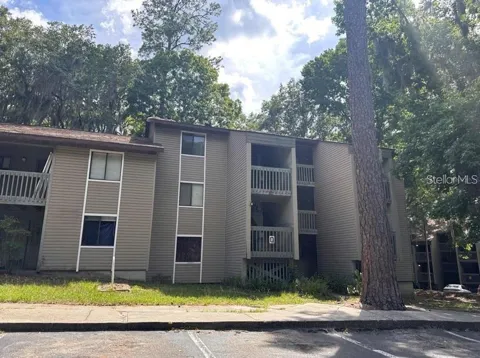
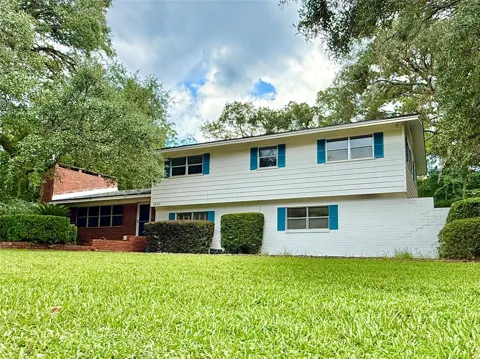
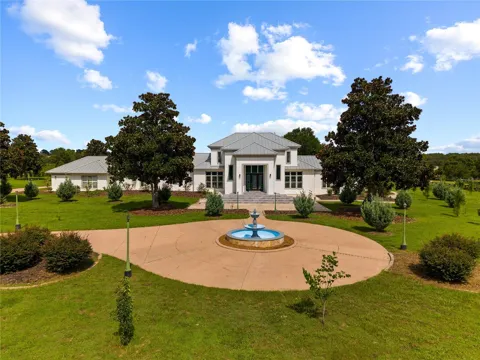
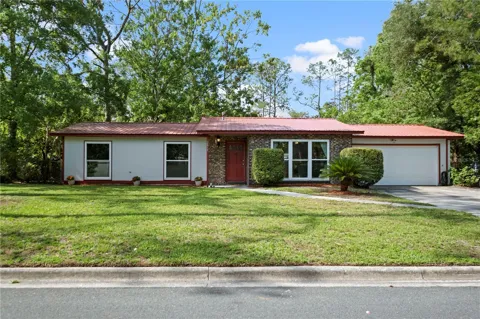
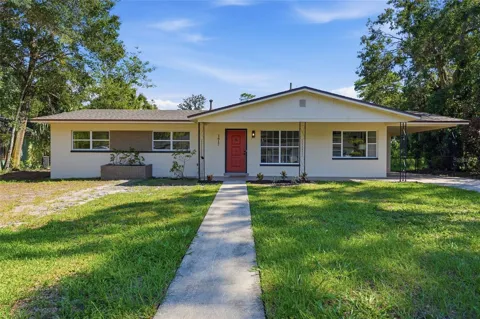
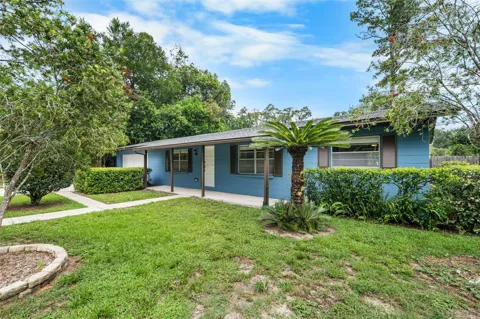
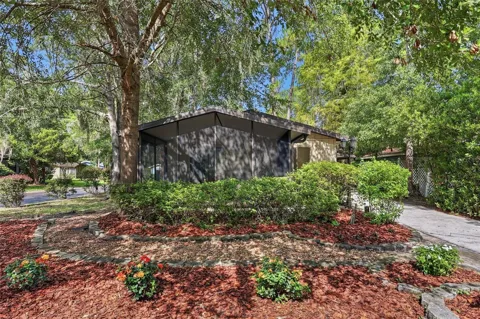
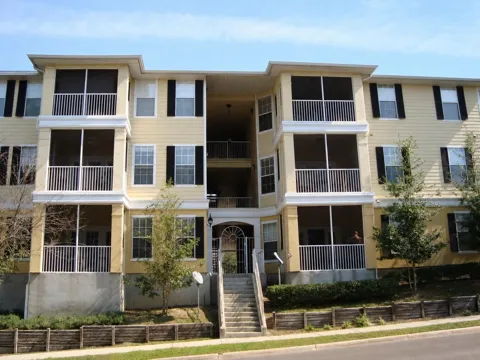
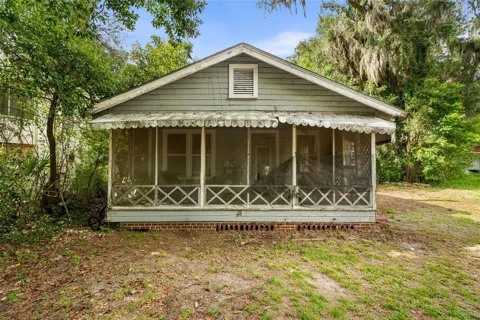
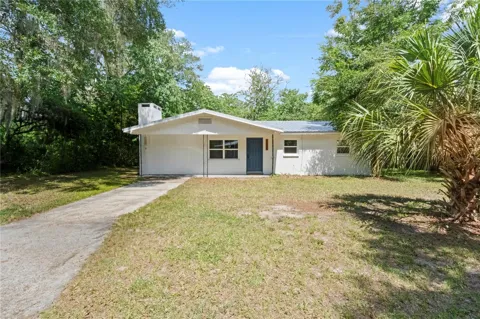
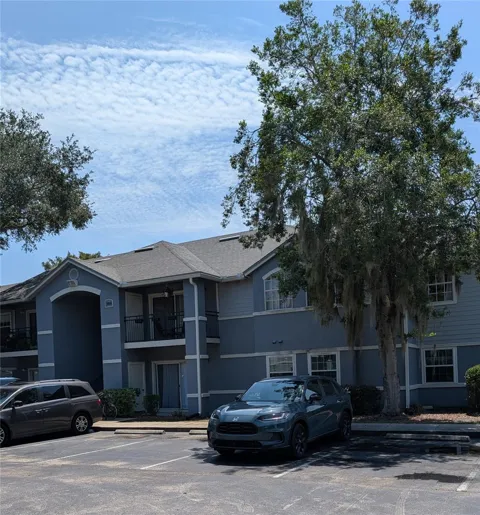
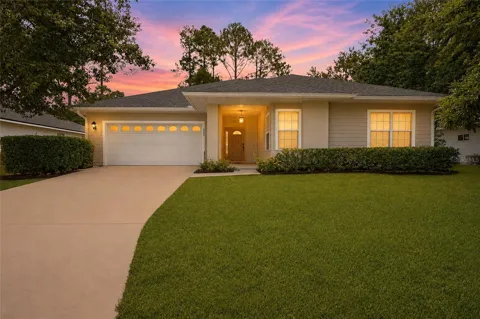
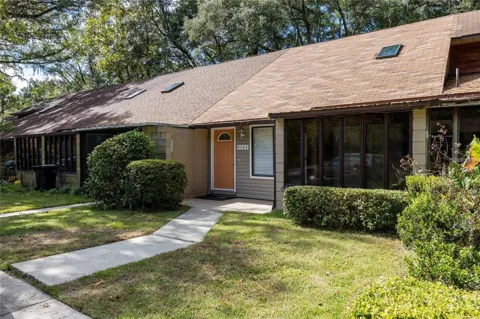
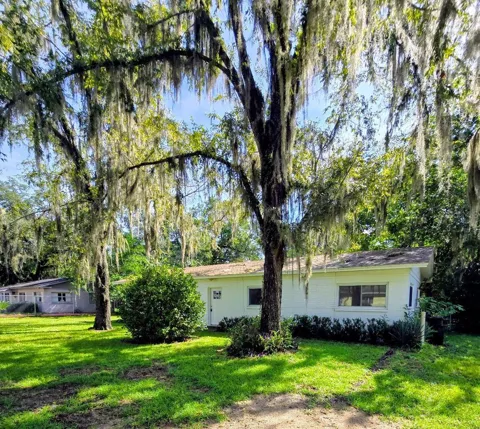
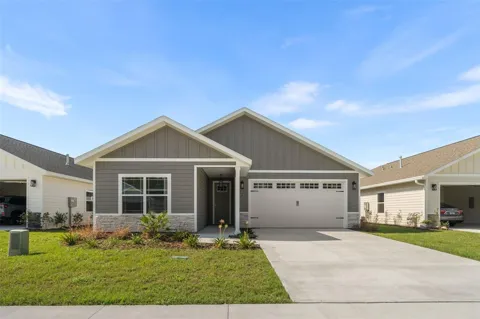
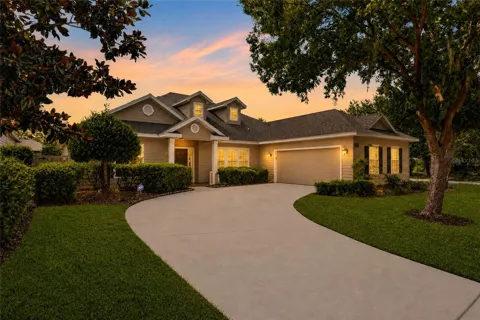
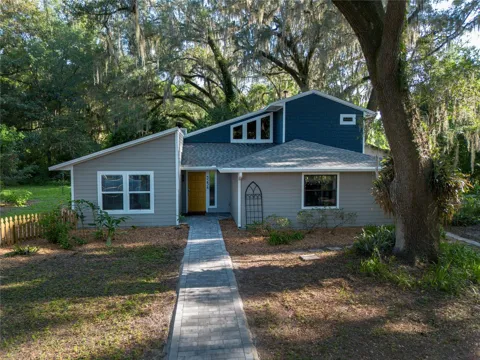
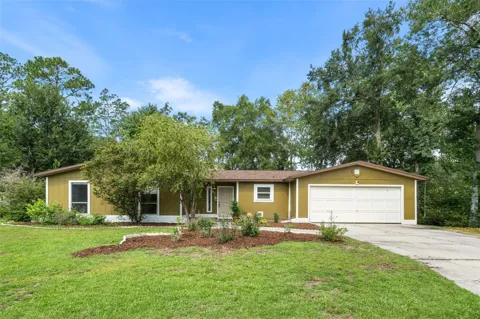
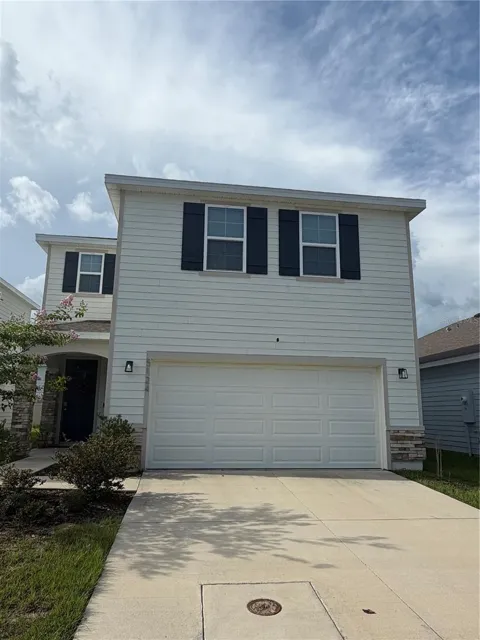
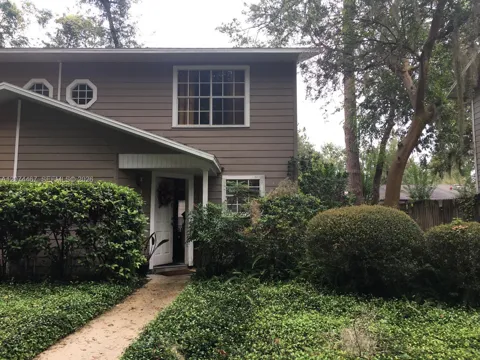
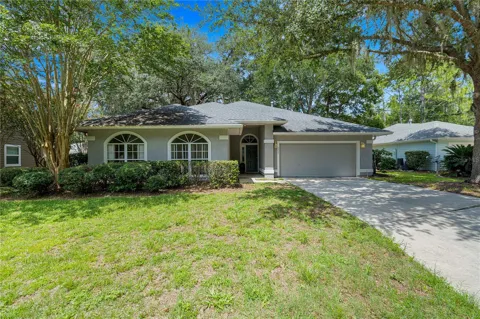
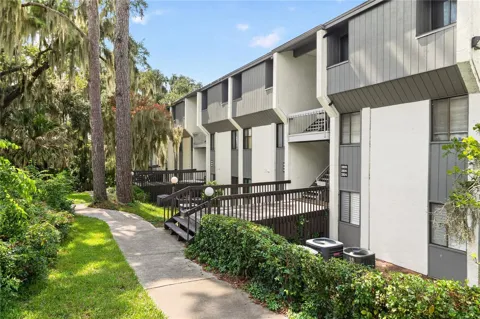
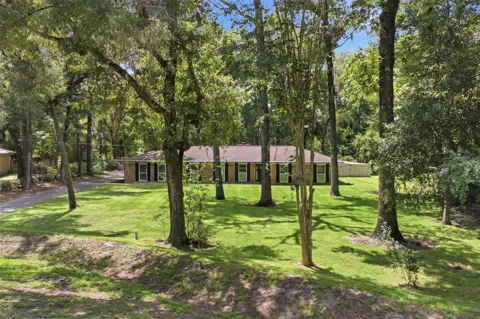
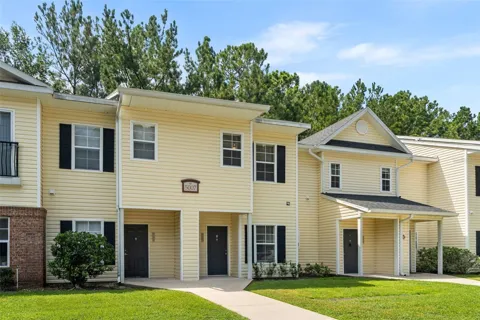
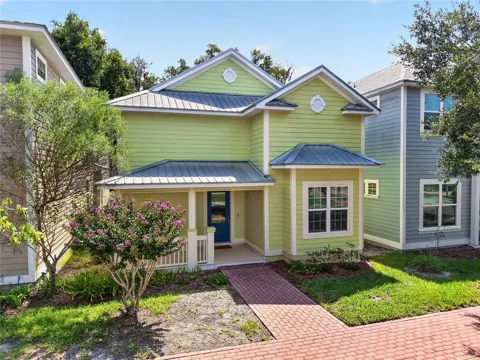
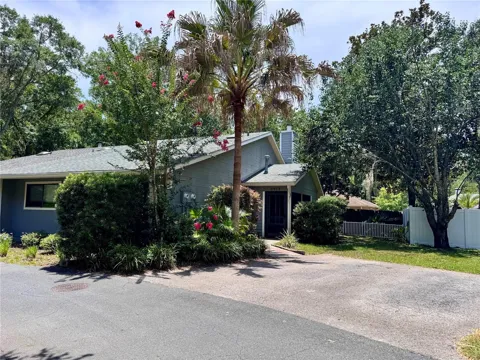
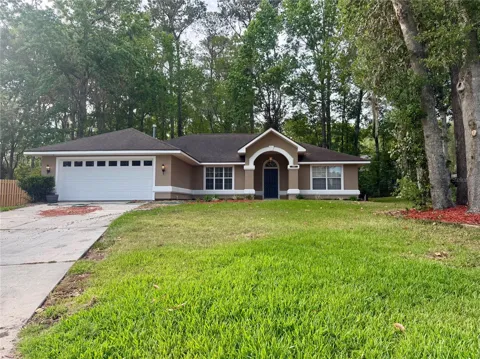
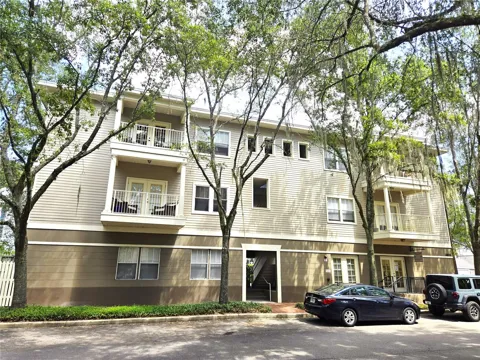
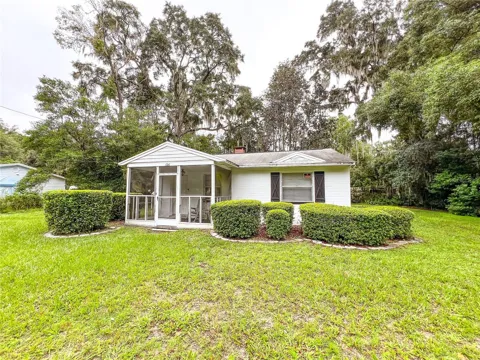
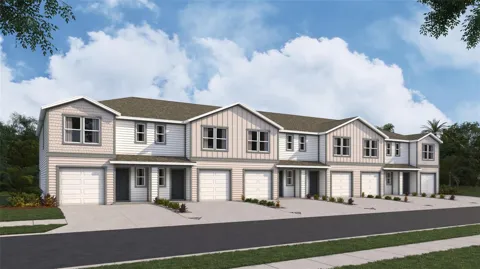
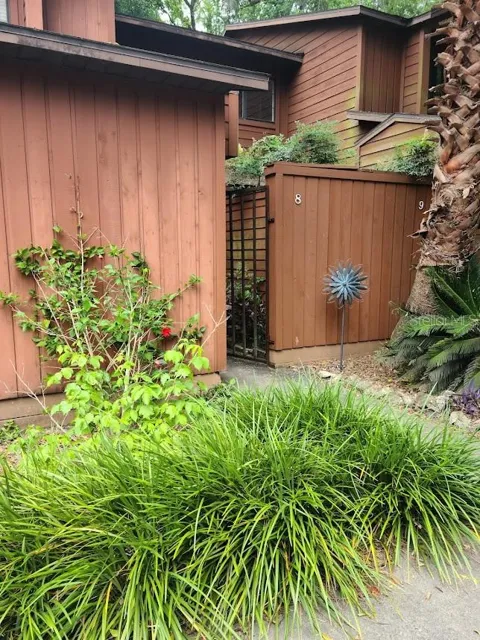
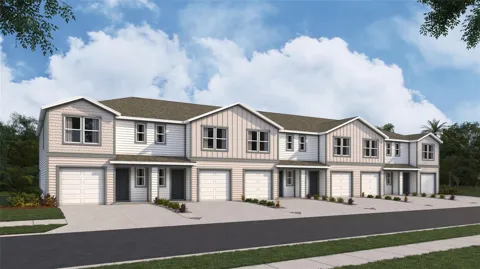
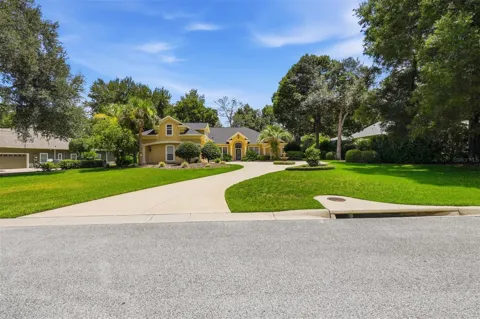
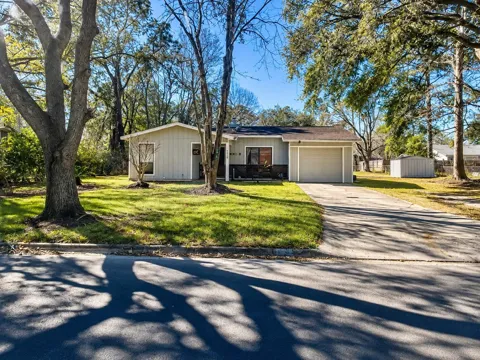
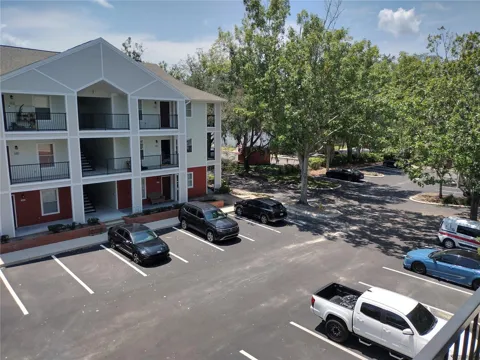
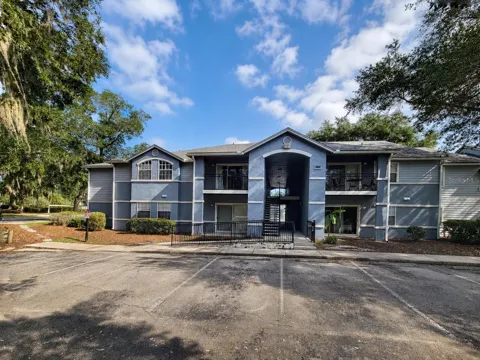
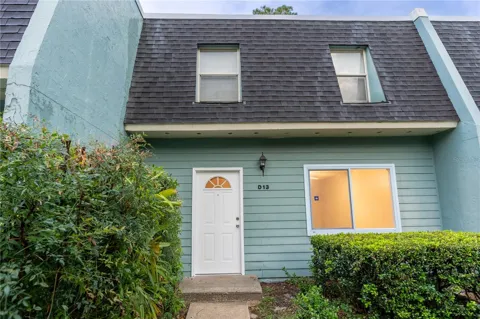
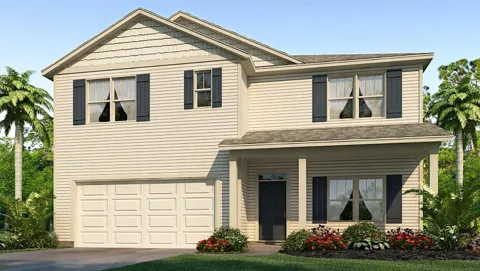
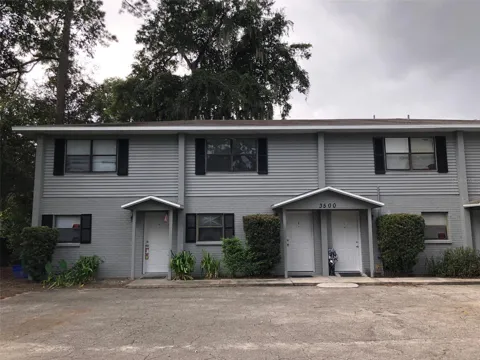
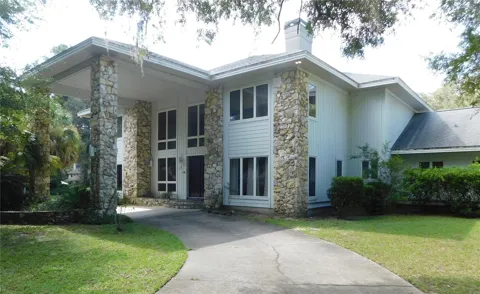
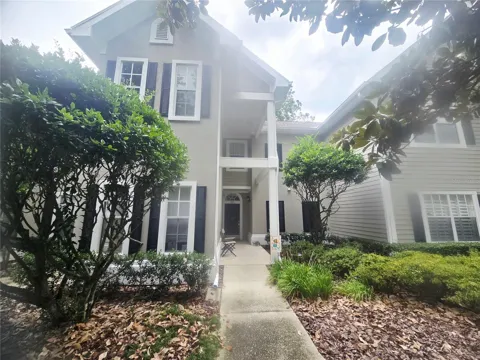
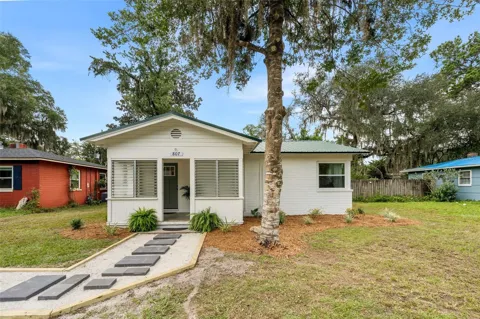
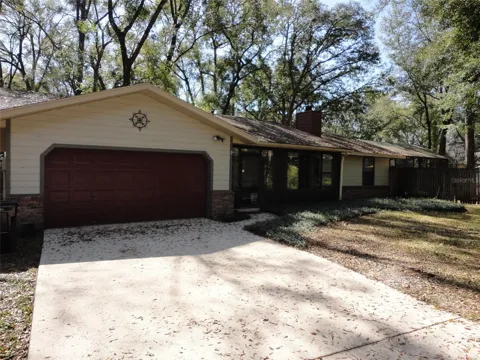
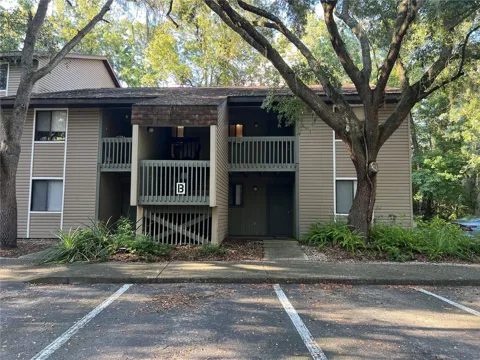
Gainesville's housing stock spans a wide range tied to its role as a university city. Near campus, the Midtown and University Heights areas hold a dense mix of apartments, older homes converted to rentals, and student-oriented housing. Away from the university, established mid-century neighborhoods such as Northwood offer ranch-style homes built between the 1950s and 1970s on mature lots. The city's growth areas feature planned and master-planned communities. Haile Plantation, a New Urbanism development in the southwest, is known for its village center, tree-lined streets, and range from condos to custom homes. Tioga, also southwest, offers a similar small-town, amenity-rich feel. Historic districts like Duckpond preserve early-20th-century homes in the northeast, while the Millhopper area in the northwest holds a mix of established and newer housing. The result is a market that accommodates students, faculty, professionals, and families at many price points and building styles.
Gainesville's neighborhoods are often grouped by direction. The Duckpond district, northeast of downtown, is the city's signature historic neighborhood, with early-20th-century homes, tree-canopied streets, and a strong neighborhood association. Northwood and other northwest neighborhoods offer established mid-century ranch homes near hospitals, parks, and shopping. In the southwest, Haile Plantation is a large New Urbanism community of roughly 2,600 homes centered on a village commercial district, while Tioga provides a smaller planned town-center community and Gainesville Country Club anchors another established enclave. The Millhopper area in the northwest blends established subdivisions with newer construction. Closer to campus, Midtown and University Heights serve the student market. Together, these areas give buyers clear choices between historic character, university proximity, and planned suburban amenities.
Gainesville's lifestyle is defined by the University of Florida, which infuses the city with a youthful, intellectually engaged energy. Downtown Gainesville offers a walkable mix of restaurants, breweries, music venues, and locally owned shops, with a thriving arts and live-music scene that draws on both the student population and the broader community. The Bo Diddley Plaza and area theaters host regular events, and Gators athletics provide a shared civic ritual each fall. Beyond campus, the city has a laid-back, nature-oriented character shaped by its setting among springs, prairies, and forests. Residents take advantage of nearby hiking, paddling, and spring swimming, while a strong local food movement and regular farmers markets reflect the region's agricultural surroundings. The combination of a major research university, an active arts scene, and easy access to wild Florida gives Gainesville a distinct identity among the state's larger cities.
Gainesville is served by Alachua County Public Schools, a district operating 68 schools and enrolling roughly 28,000 students. The district includes a range of elementary, middle, and high schools as well as magnet and choice programs, giving families options beyond traditional neighborhood assignments. Gainesville High School, Buchholz High School, and Eastside High School are among the district's larger campuses. The presence of the University of Florida elevates the educational landscape, contributing dual-enrollment opportunities, academic partnerships, and a pipeline of educational talent. Private and parochial schools supplement the public system. For families, the combination of district choice programs and proximity to a flagship research university makes Gainesville a distinctive education-oriented community within the state.
Interstate 75 is Gainesville's principal highway, running along the city's western edge and providing direct routes to Orlando, roughly two hours southeast, and Jacksonville, about 90 minutes northeast. U.S. Highways 441 and 301 serve as additional regional corridors, while State Roads 20, 24, and 26 fan out across the county. The city's grid of numbered streets simplifies local navigation. Public transportation is provided by the Regional Transit System, a municipal bus network with extensive service to the University of Florida campus and surrounding neighborhoods. Gainesville Regional Airport offers regional commercial flights, with larger airports in Jacksonville, Orlando, and Tampa serving longer-distance travel. Most residents rely on cars for daily travel, though the university's centrality makes transit and biking practical for many students and staff.
Gainesville's recreation is distinguished by its access to unusual natural features. Devil's Millhopper Geological State Park, just minutes from downtown, preserves a large limestone sinkhole with a lush, rainforest-like environment at its base and a boardwalk descending into the bowl. Paynes Prairie Preserve State Park, immediately south of the city, protects a vast freshwater savanna where wild horses, bison, and alligators roam, with the La Chua Trail a favorite for wildlife viewing. The region's famous freshwater springs, including several within a short drive, offer swimming, snorkeling, and paddling in clear, cool water. Within the city, an extensive network of parks, sports fields, and the Gainesville-Hawthorne State Trail, a converted rail trail, support biking, running, and organized athletics. These assets make Gainesville one of Florida's more outdoors-oriented cities despite its inland location.
MARKET SNAPSHOT
How homes have been selling here over the last 90 days.
Market data reflects closed sales over the last 90 days and is provided for informational purposes.
EXPLORE COMMUNITIES
Browse the neighborhoods and subdivisions in this area.
BROWSE BY ZIP
Browse listings by postal code in this area.