Gilded Age Island Resort Town
Welcome to Palm Beach, the Gilded Age barrier-island town of Palm Beach County, framed by the Atlantic, the Intracoastal, and a legacy shaped by Henry Flagler.
Palm Beach is a town in Palm Beach County, Florida, occupying a narrow barrier island between the Atlantic Ocean and the Intracoastal Waterway, directly east of West Palm Beach. With a population of roughly 9,500, it is a small, low-density community whose national profile far exceeds its size, built on more than a century as a winter resort destination. The town's identity was forged in the Gilded Age. Henry Flagler, the railroad and oil magnate, transformed the island in the 1890s, opening the Royal Poinciana Hotel in 1894 and The Breakers in 1896, and later building Whitehall, his private estate, which now operates as the Flagler Museum. That era set the architectural and social tone that still defines Palm Beach, from its Mediterranean Revival buildings to its carefully landscaped streets. Today the town balances residential exclusivity with a functioning resort economy. Worth Avenue, running from the ocean toward the Intracoastal, is among the country's best-known shopping streets, lined with boutiques, galleries, and restaurants. The beaches — including Phipps Ocean Park, R.G. Kreusler Park, and the Town of Palm Beach Municipal Beach — anchor recreation along the Atlantic, while the Intracoastal side supports boating, fishing, and the waterside Lake Trail. Schools fall under the School District of Palm Beach County, which serves the entire county and ranks among the ten largest districts in the United States, with roughly 235 schools and about 190,000 students. A short bridge crossing connects residents to West Palm Beach, with its downtown, airport, and cultural and transit options, giving the island both seclusion and convenience. Palm Beach suits those drawn to an oceanfront, historically layered setting with a quiet, resort-town pace, where the water is always close and the amenities of a major coastal county lie just across the bridge.
Palm Beach is located in Palm Beach County, Florida, on a barrier island along the Atlantic coast. It sits directly east of West Palm Beach, separated from the mainland city by the Intracoastal Waterway.
Palm Beach is the barrier-island town on the Atlantic side, while West Palm Beach is the larger mainland city directly across the Intracoastal Waterway. The two are connected by bridges and form a single metropolitan area along the county's coast.
Palm Beach is served by the School District of Palm Beach County, which encompasses all of Palm Beach County and ranks among the ten largest school districts in the United States, with about 235 schools and roughly 190,000 students.
Worth Avenue is Palm Beach's signature shopping street, lined with boutiques, galleries, and restaurants, running from the ocean side of the island toward the Intracoastal Waterway. It grew out of the town's early-20th-century resort development.
Palm Beach was developed as a winter resort by Henry Flagler, who built the Royal Poinciana Hotel in 1894 and The Breakers hotel in 1896, and later made the island his home at Whitehall, his Gilded Age estate that is now the Flagler Museum.
City Guide
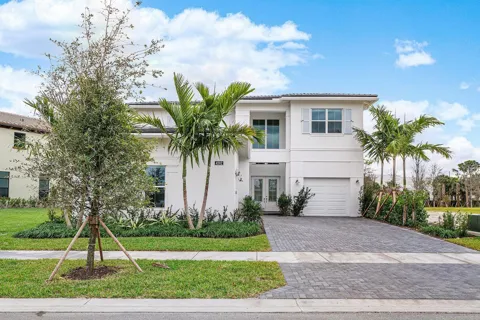
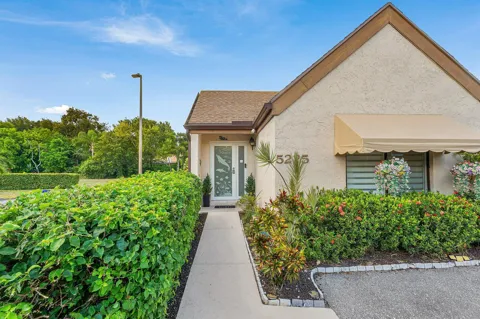
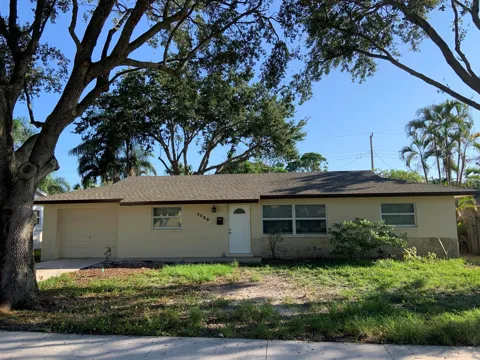
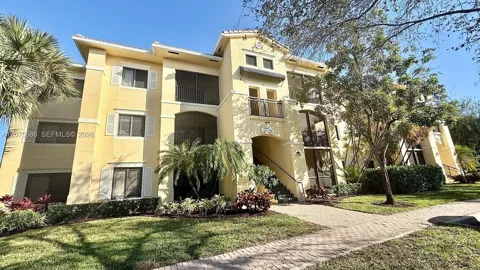
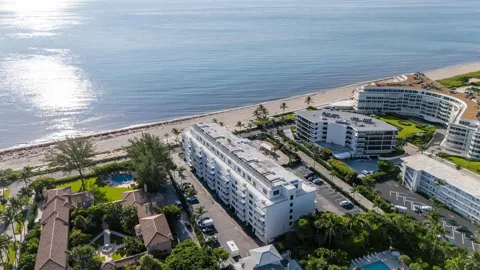
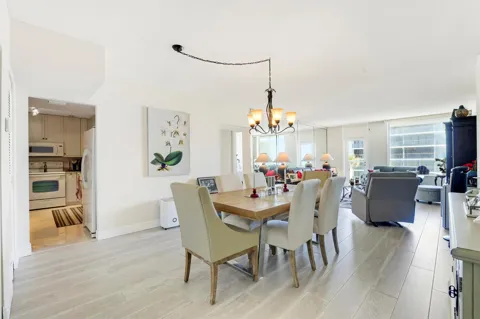
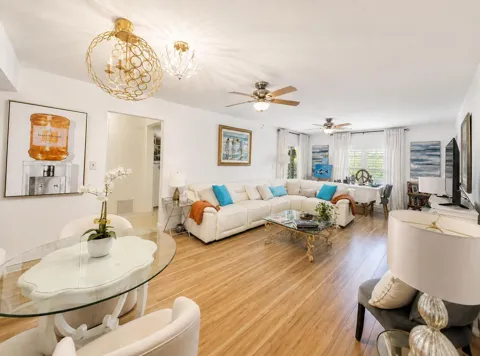
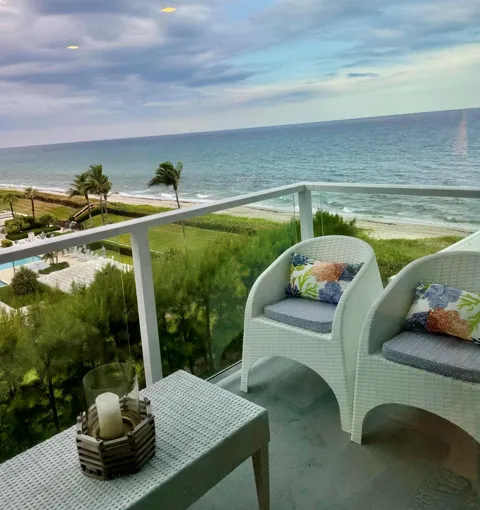
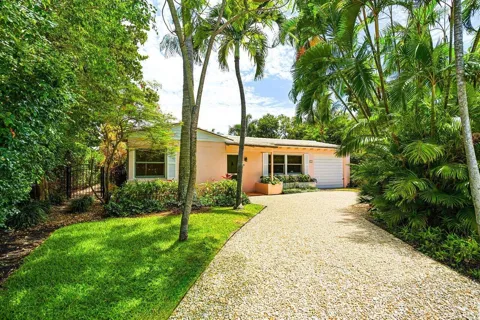
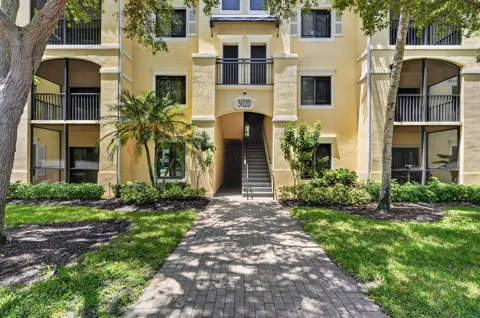
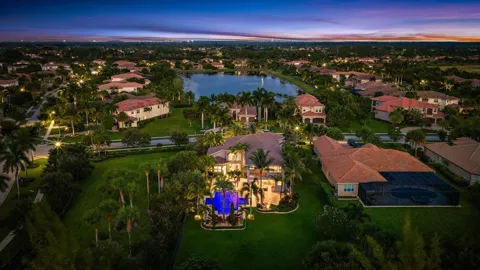
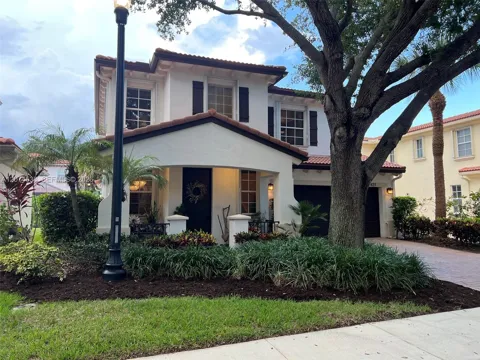
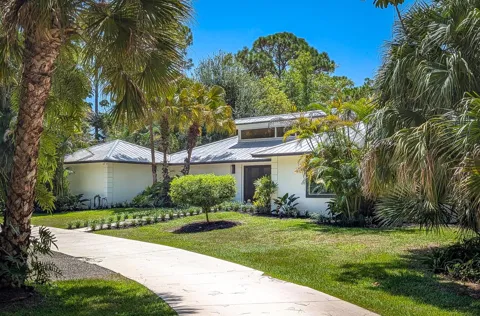
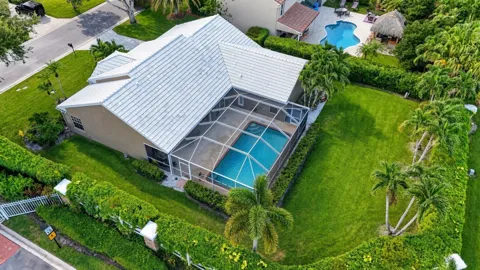
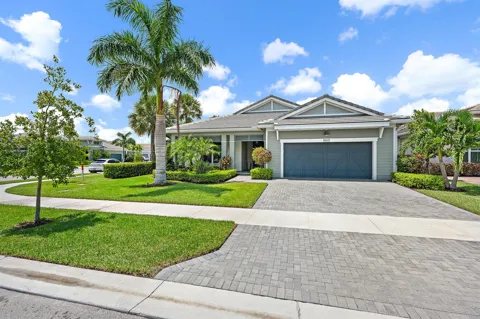
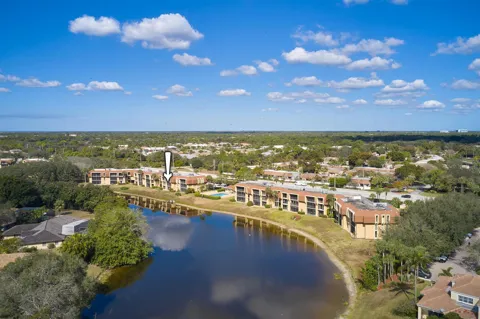
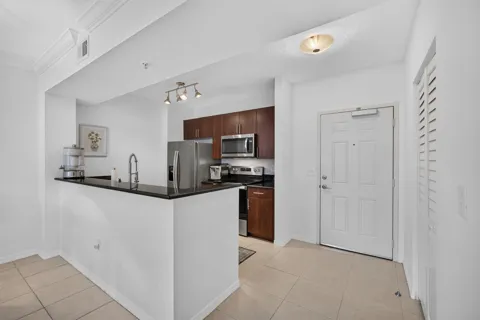
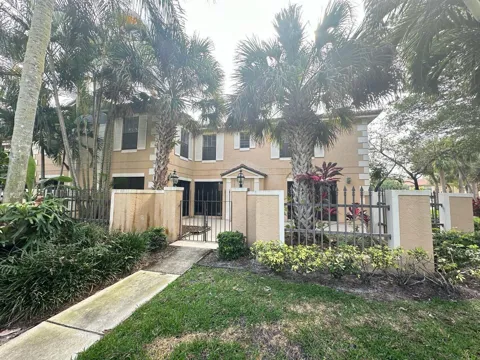
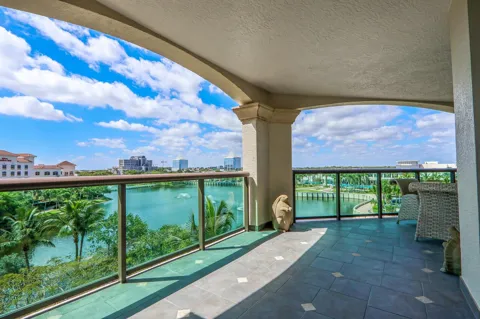
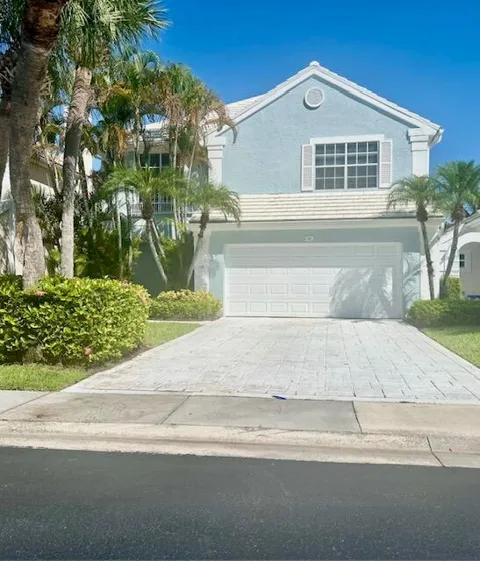
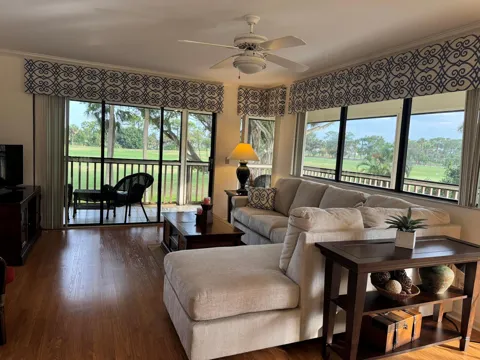
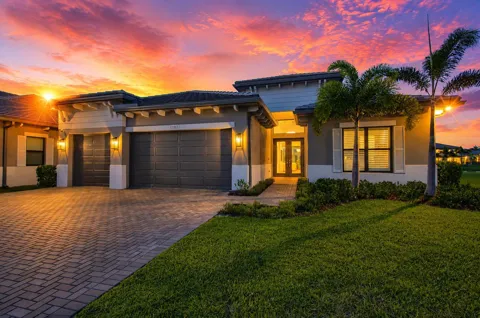
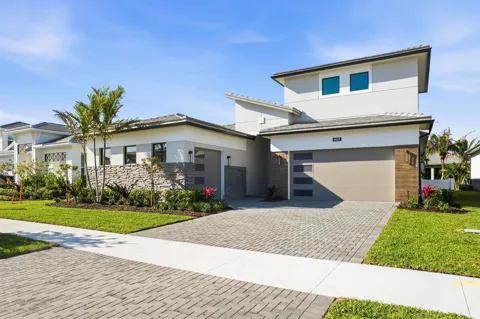
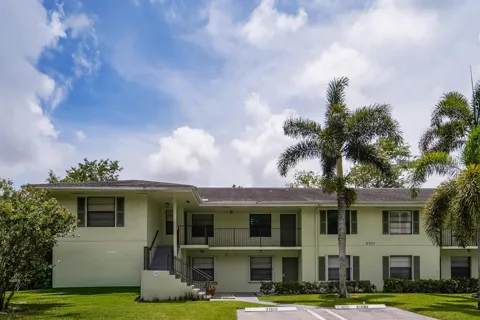
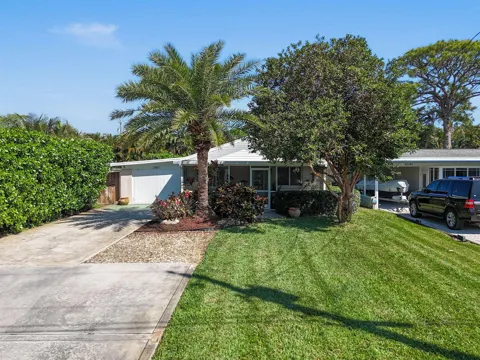
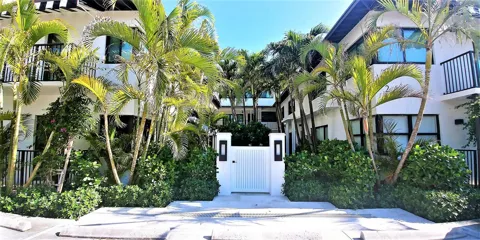
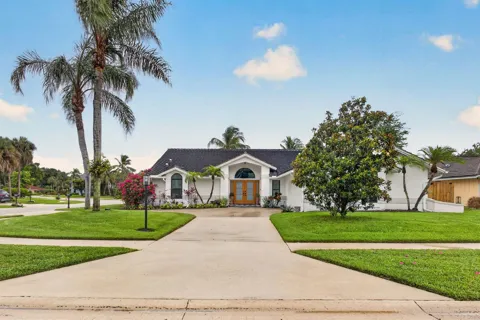
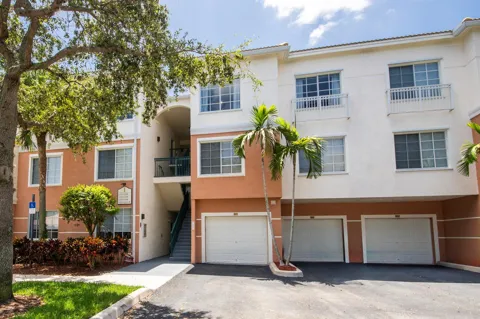
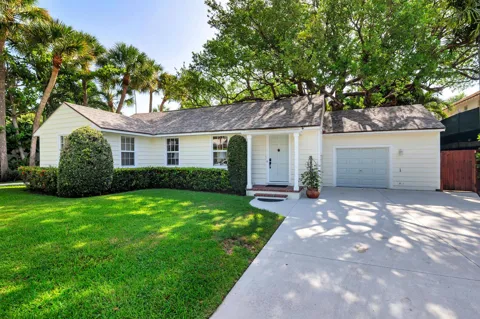
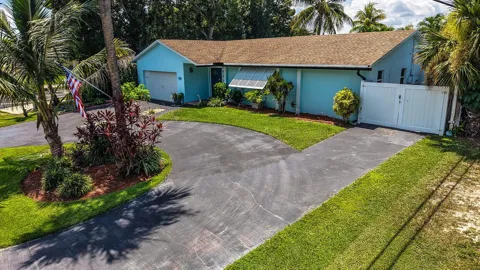
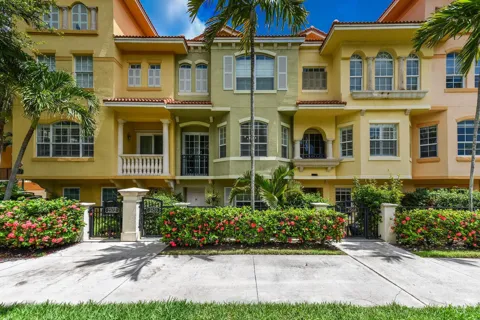
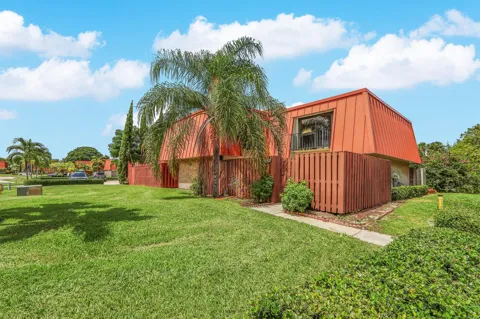
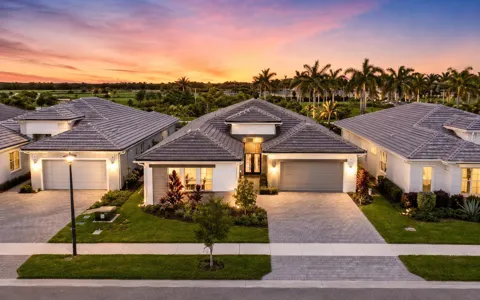
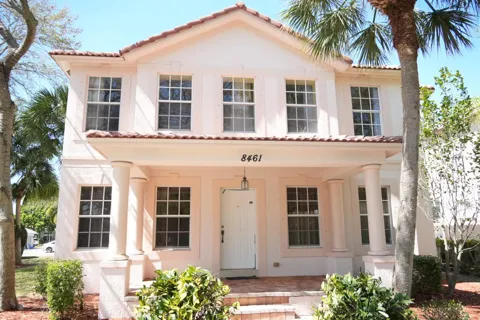
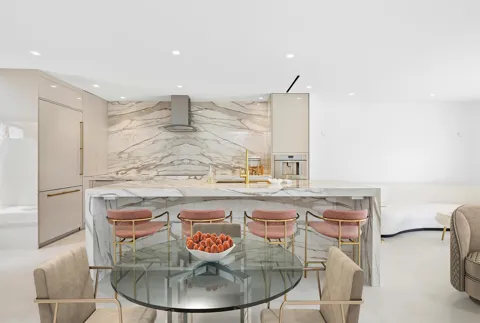
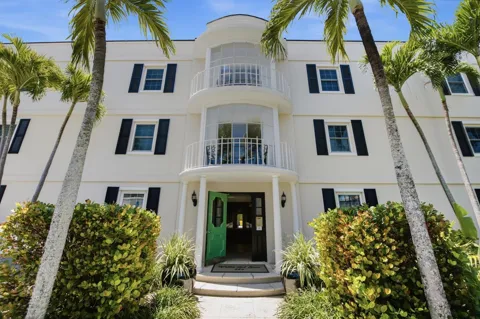
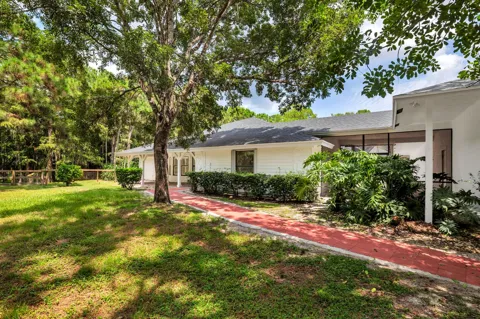
Palm Beach's housing stock is defined by its island setting and Gilded Age roots. The town is known for Mediterranean Revival and Spanish-influenced architecture, with oceanfront estates, Intracoastal-fronted properties, and a stock of condominium and townhouse residences along the island's in-town corridors. Characteristically, the market is low-density and high-end, with a long-standing emphasis on architectural pedigree and water views rather than large-scale new development. The estate areas near Worth Avenue and the ocean stand apart from the more varied mid-island and north-end residential blocks.
Palm Beach is organized along a north-south island spine rather than a grid of separate towns. The area around Worth Avenue forms the commercial and social center, with the grand estate district extending along the oceanfront and Intracoastal sides nearby. Farther north, residential streets grow quieter and more private, while mid-island blocks mix single-family homes with condominium buildings. The Town Docks and Lake Trail run along the Intracoastal, giving much of the island a waterside connection, and municipal beaches and parks mark the Atlantic edge.
Palm Beach's lifestyle is refined and resort-oriented, rooted in its history as a winter retreat for the wealthy. Worth Avenue provides a concentrated stretch of boutiques, galleries, and dining, while the Flagler Museum preserves the island's Gilded Age heritage in Henry Flagler's Whitehall estate. Daily life revolves around the beach, the Intracoastal Waterway, and a walkable, manicured setting. Across the bridges, West Palm Beach supplies a broader downtown, cultural venues, and regional services, giving island residents the convenience of the larger city while retaining Palm Beach's quieter, exclusive character.
Palm Beach is served by the School District of Palm Beach County, which encompasses all of Palm Beach County and is one of the ten largest public school districts in the United States, with about 235 schools and roughly 190,000 students. The district provides the public-school framework for the town's families, while Palm Beach's long tradition of private schooling and seasonal residency also shapes the local education landscape.
Palm Beach is connected to West Palm Beach by a series of bridges across the Intracoastal Waterway, making the mainland city's downtown, Palm Beach International Airport, and regional rail connections directly accessible. The town itself is compact and low-speed, with much of daily movement by car or bicycle. This island-mainland link gives residents access to a major coastal county's transportation network — including an international airport — while keeping the island's quiet, residential character intact.
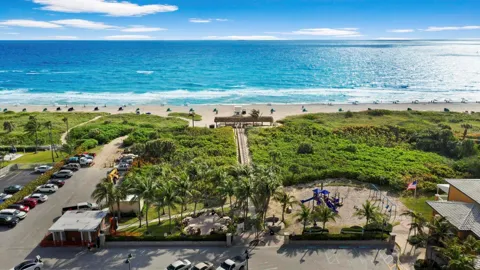
Recreation in Palm Beach centers on the water. The Atlantic side offers public beaches at Phipps Ocean Park, R.G. Kreusler Park, and the Town of Palm Beach Municipal Beach, while the Intracoastal Waterway supports boating, paddleboarding, and fishing. The Lake Trail provides a scenic, waterside route for walking and biking along the island's western edge. Worth Avenue adds a walkable shopping and dining experience, and the Flagler Museum and other cultural institutions round out the town's leisure offerings. Across the bridge, West Palm Beach extends the options with parks, a waterfront, and a larger events scene.
MARKET SNAPSHOT
How homes have been selling here over the last 90 days.
Market data reflects closed sales over the last 90 days and is provided for informational purposes.
EXPLORE COMMUNITIES
Browse the neighborhoods and subdivisions in this area.
BROWSE BY ZIP
Browse listings by postal code in this area.