Polk County Phosphate Capital
Welcome to Mulberry, a small Polk County city south of Lakeland known as Florida's phosphate capital, with a historic downtown and easy access to Tampa and Orlando.
Mulberry is a small city in west-central Polk County, Florida, located south of Lakeland within the Lakeland–Winter Haven metropolitan area. With a 2020 census population of roughly 3,950 residents, it offers a mixed suburban-rural character that stands apart from the larger cities that surround it. The community sits at the crossroads of Highway 60 and State Road 37, a strategic position that places residents about forty-five minutes east of Tampa and roughly an hour west of the Orlando area and its theme parks. Mulberry's identity is inseparable from phosphate, the mineral industry that has defined Polk County's economy for more than a century. The city is widely known as the phosphate capital of the world, and its history is closely tied to the mining, processing, and shipping of the mineral beneath central Florida's Bone Valley. That heritage is preserved at the Mulberry Phosphate Museum, where visitors can view mining equipment, a historic train car, and fossil specimens pulled from the region's phosphate deposits. The Mulberry Cultural Center, opened in 2015, adds a contemporary arts and programming venue downtown. The town's name comes from a mulberry tree that once stood as a local landmark, and its early growth followed the arrival of the railroad and the expansion of the phosphate industry in the late nineteenth century. Today, Mulberry functions primarily as a residential community for people working in Lakeland, Bartow, and the wider Polk County economy, while the mining operations of the surrounding area remain a visible part of the landscape. Daily life in Mulberry centers on its compact downtown, local schools, and community parks such as Loyce E. Harpe Park. Residents benefit from proximity to Lakeland's shopping, employment, and cultural amenities, while the Tampa and Orlando metros are within commuting reach. For homebuyers, the city represents a small-town option in a region known for rapid growth, with a housing stock that ranges from older single-family homes to newer subdivisions and manufactured-home communities.
Mulberry is in Polk County, located in west-central Florida. The city lies within the Lakeland–Winter Haven metropolitan area, just south of Lakeland at the crossroads of Highway 60 and State Road 37.
Mulberry is known as the phosphate capital of the world, reflecting its long association with central Florida's phosphate mining industry. The Mulberry Phosphate Museum preserves that heritage with mining exhibits, a historic train car, and fossil specimens, while the Mulberry Cultural Center hosts arts programming downtown.
Mulberry sits roughly nine miles south of downtown Lakeland, a drive of about ten to fifteen minutes via State Road 37. Lakeland provides the nearest major shopping, dining, employment, and cultural amenities for Mulberry residents.
Mulberry is served by Polk County Public Schools. The town has its own Mulberry Senior High School, serving grades nine through twelve, and Mulberry Middle School, with younger students attending nearby Polk County elementary campuses.
The 2020 census recorded Mulberry's population at about 3,950 residents. The city offers a small-town, semi-rural character within the Lakeland–Winter Haven metro area, about forty-five minutes east of Tampa and an hour west of Orlando.
City Guide
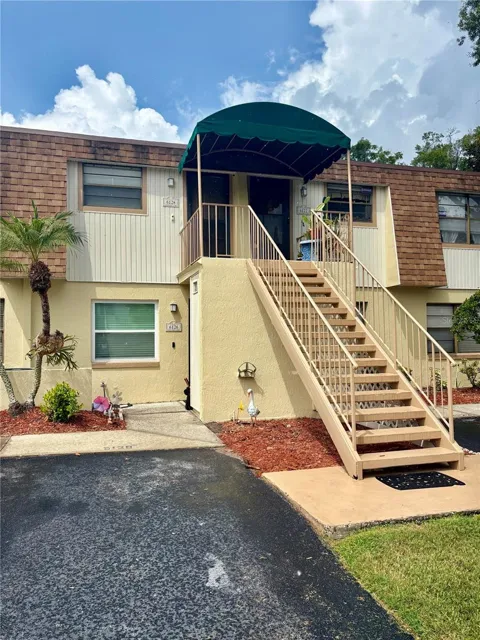
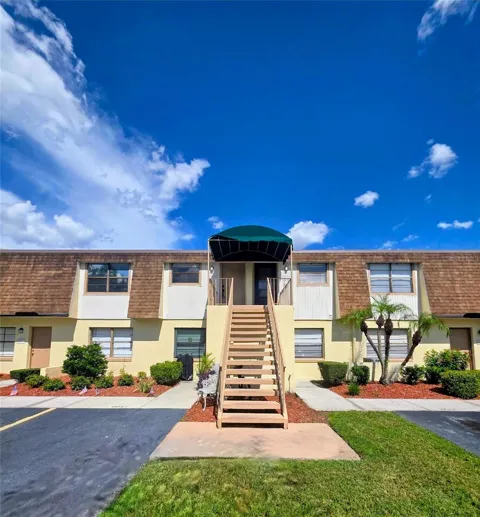
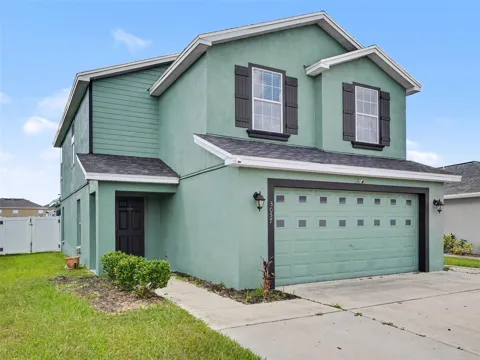
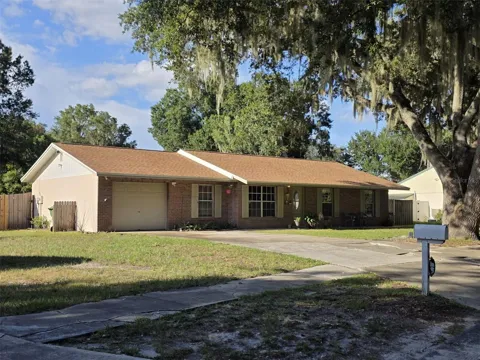
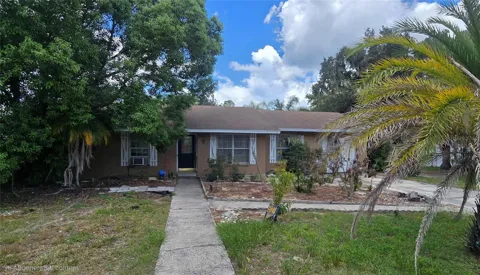
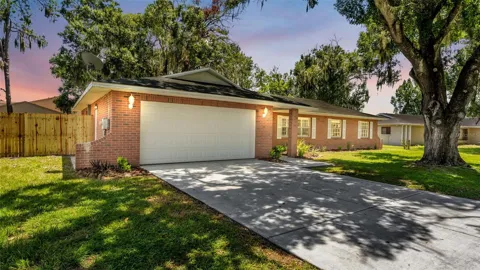
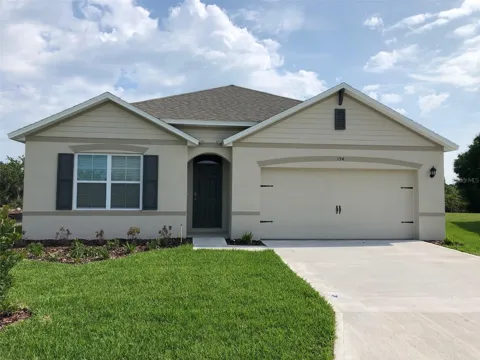
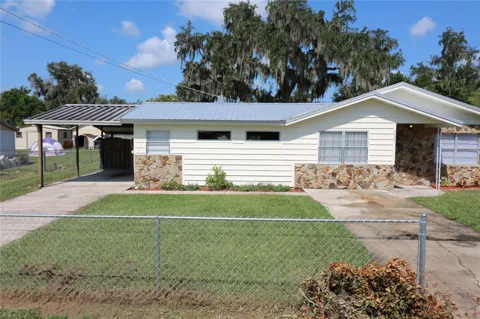
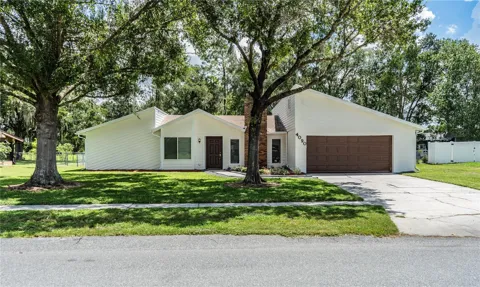
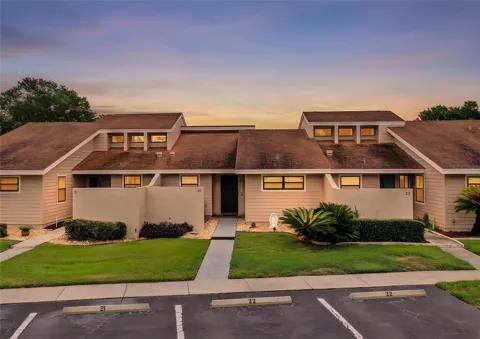
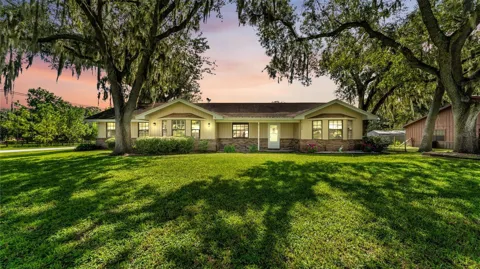
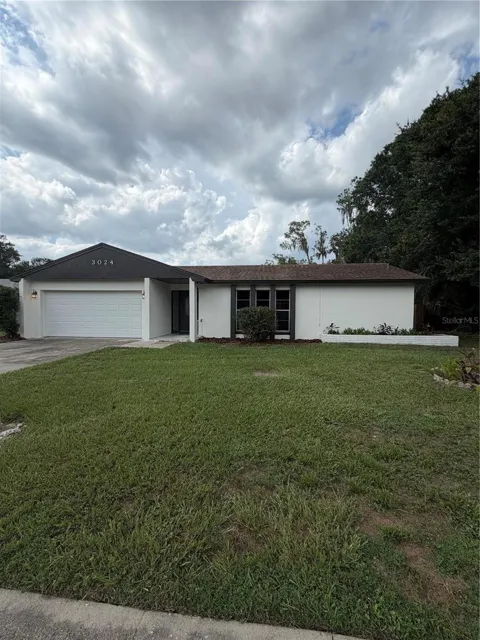
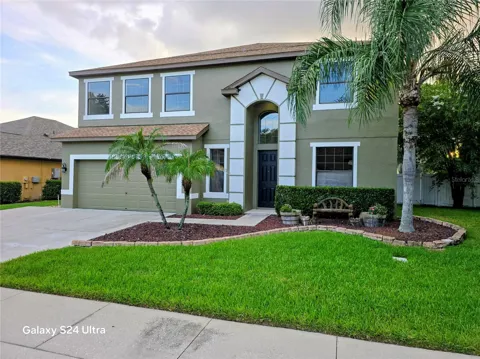
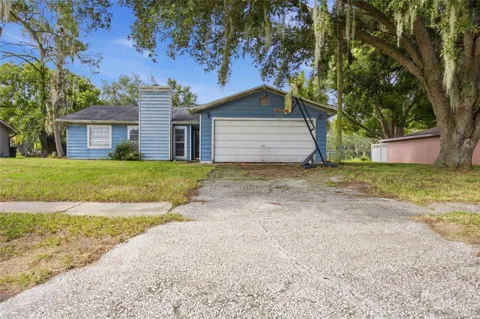
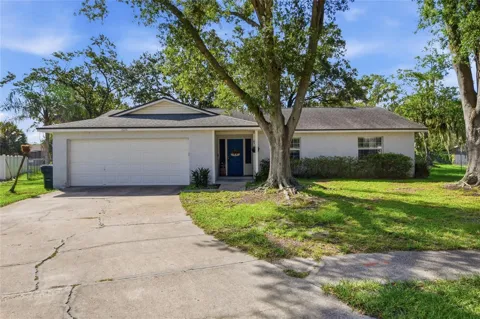
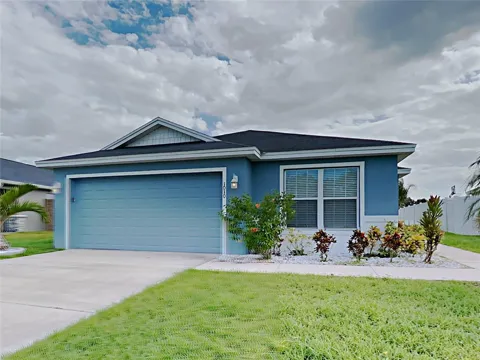
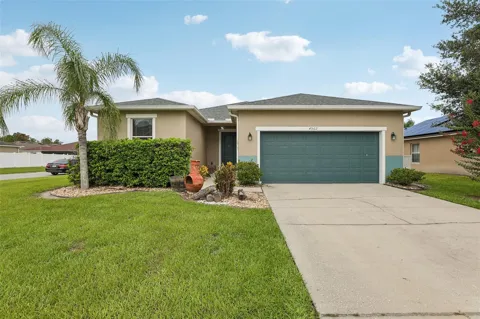
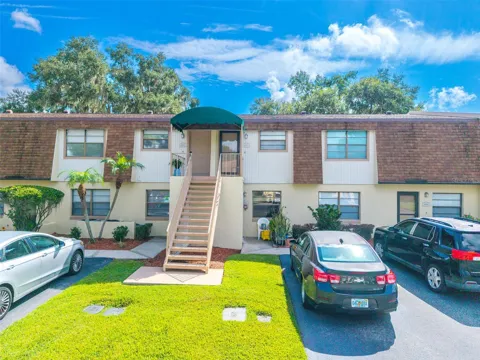
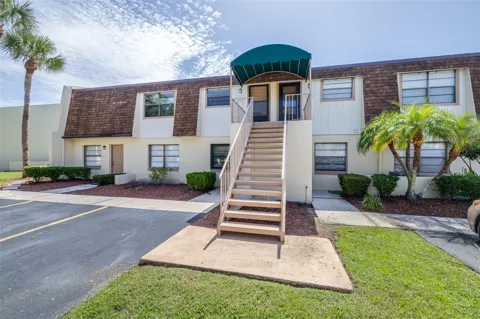
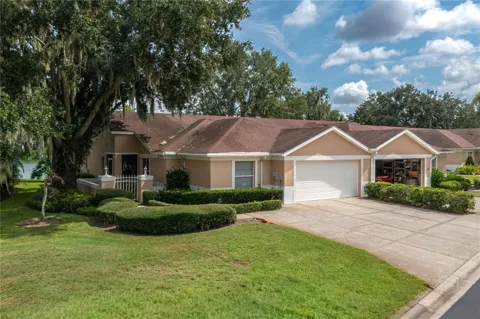
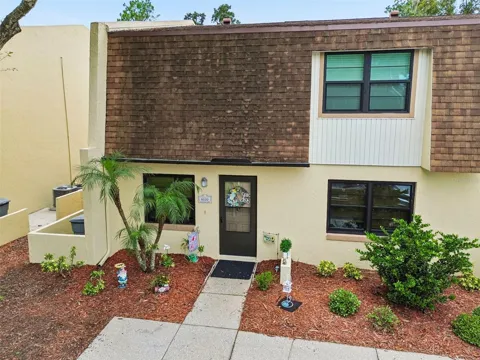
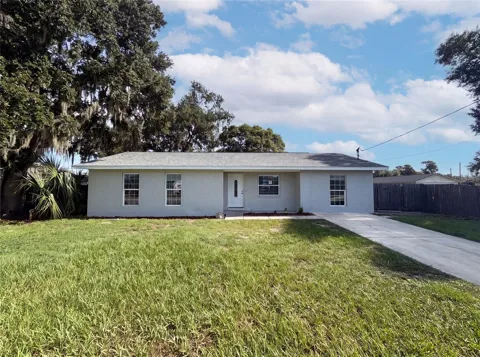
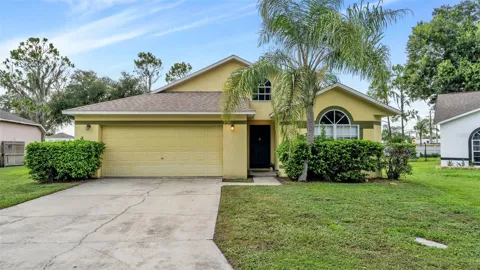
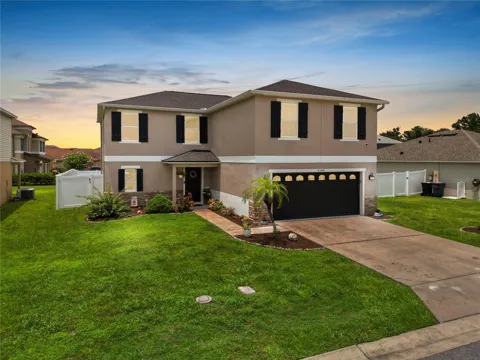
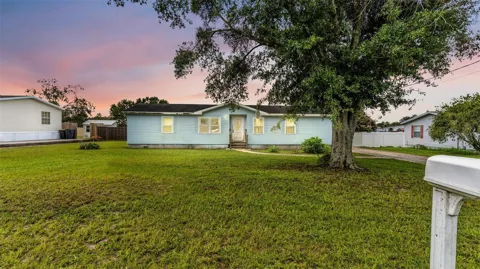
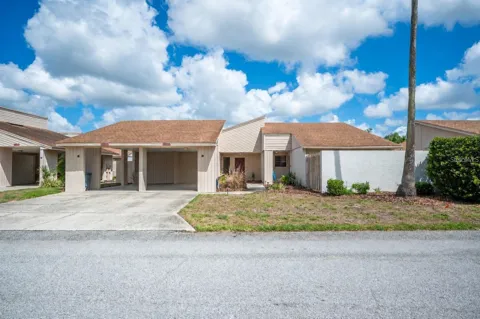
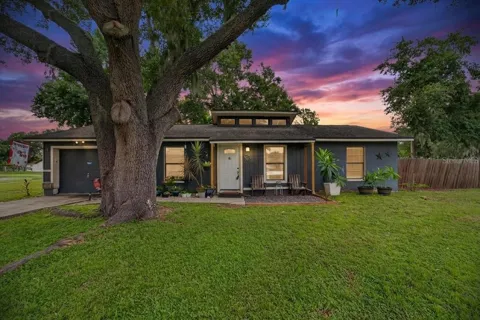
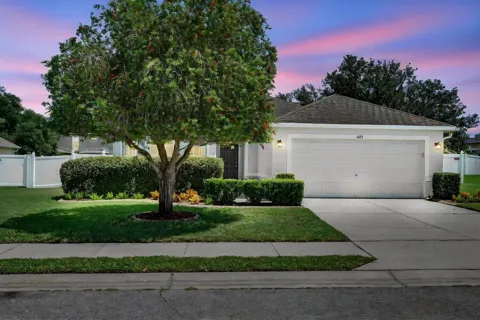
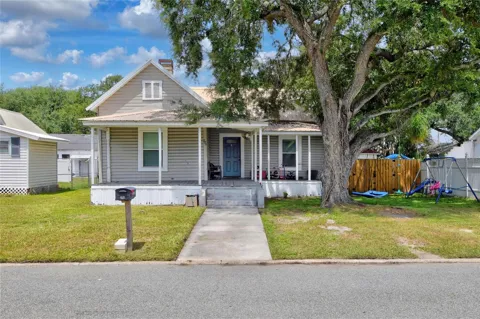
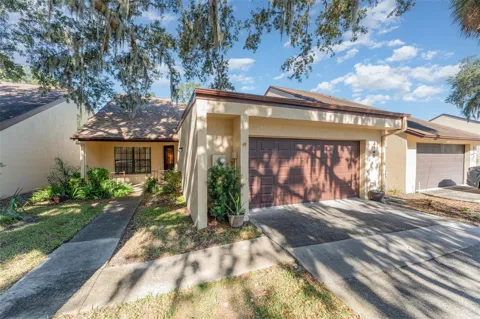
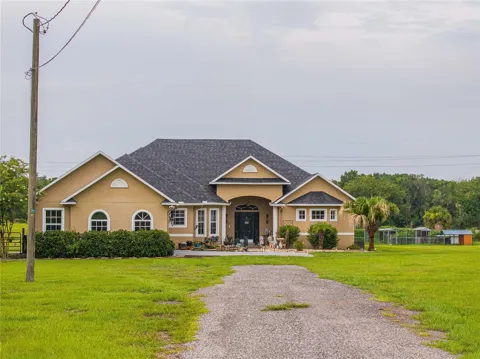
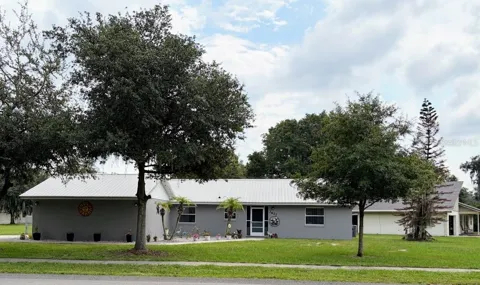
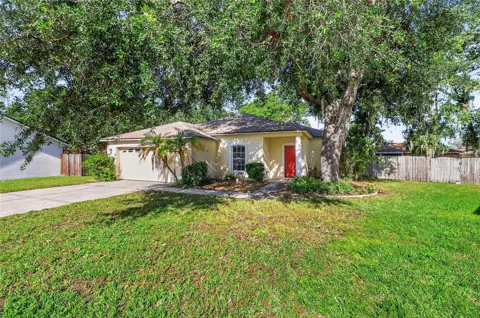
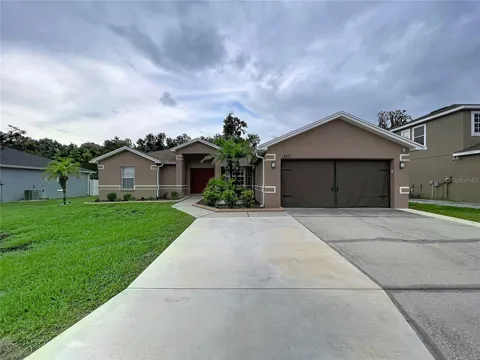
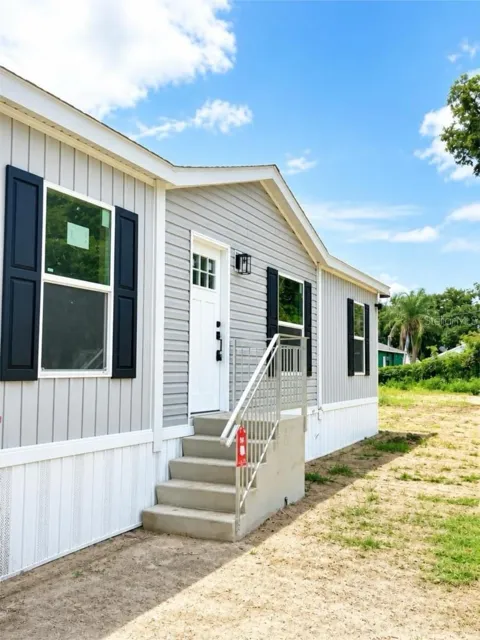
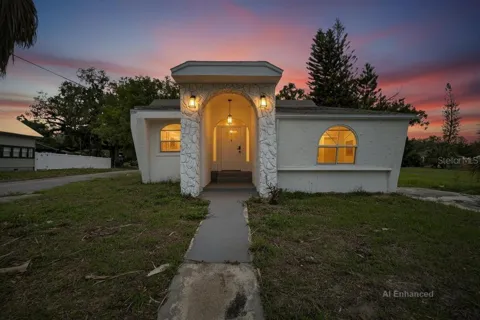
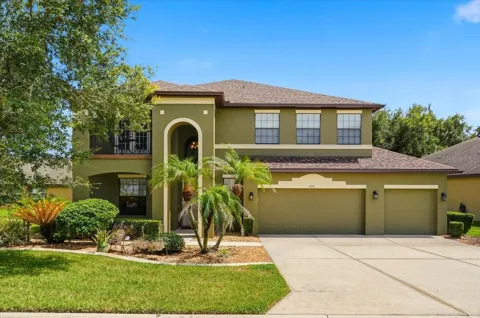
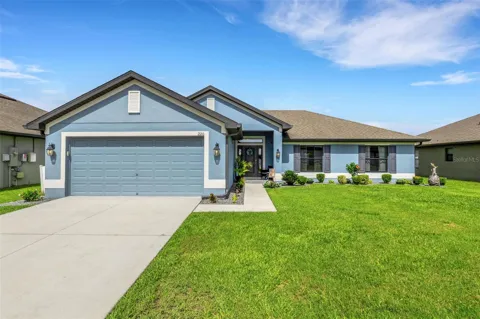
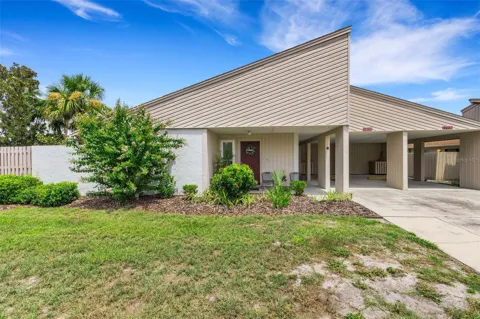
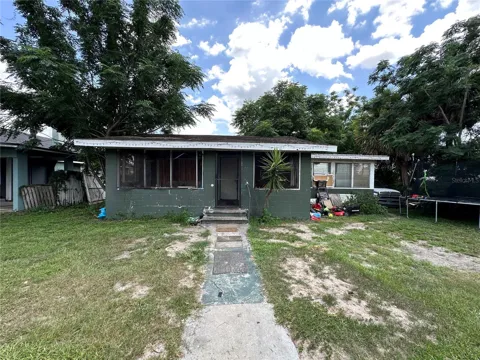
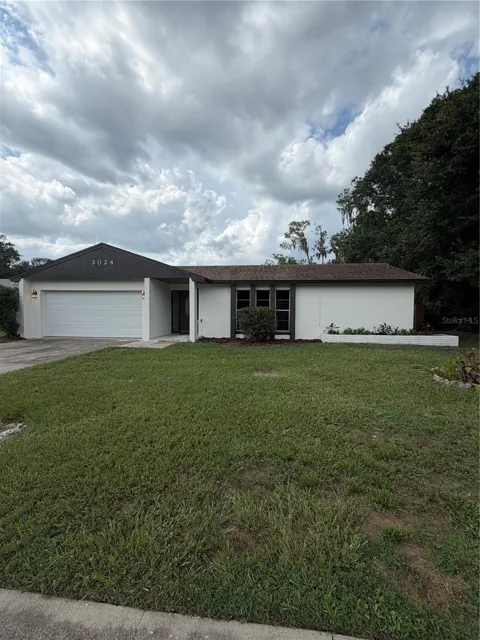
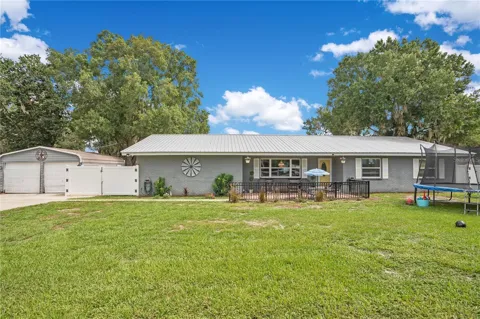
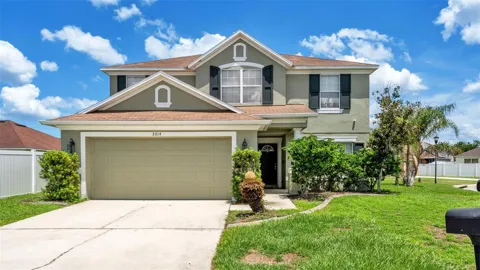
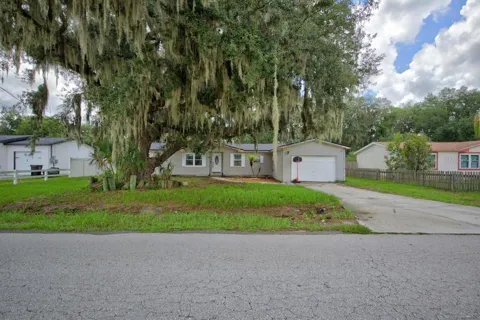
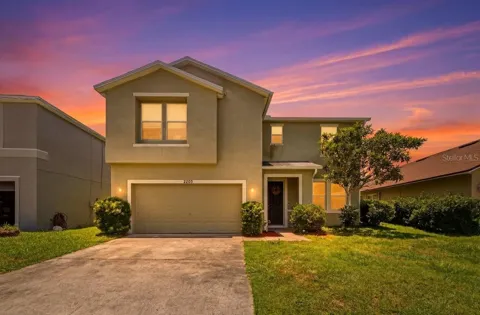
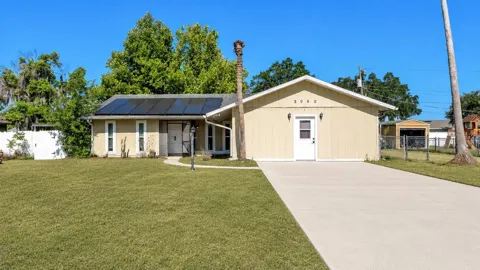
Mulberry's housing reflects its small-town, semi-rural setting. The city's stock is anchored by older single-family homes in established neighborhoods near the historic downtown, complemented by a growing number of newer subdivisions on the town's edges as development pushes south from Lakeland. Manufactured-home communities and more rural acreage parcels also form part of the local mix, giving the area a broader range of living arrangements than a typical suburb. Lot sizes tend to be larger than in denser Polk County cities, and the overall feel leans toward the mixed suburban-rural character common in central Florida's smaller municipalities. Buyers drawn to Mulberry typically find traditional detached homes with yards in a quiet, small-town setting.
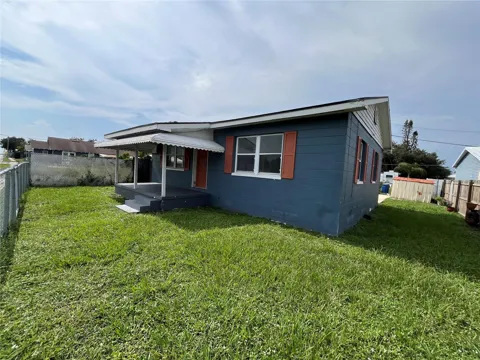
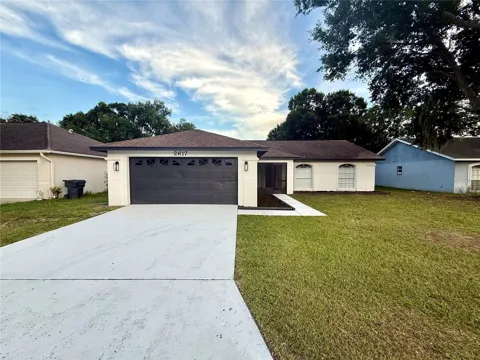
As a small city, Mulberry's neighborhoods flow together around a compact downtown rather than forming sharply separated districts. The historic core near downtown holds the community's older homes and the landmarks of its phosphate-era past, while established residential streets extend outward in every direction. To the north, where Mulberry borders unincorporated Lakeland, newer subdivisions have brought additional single-family construction as growth moves south. Manufactured-home communities and scattered acreage properties on the outskirts add a semi-rural element to the housing mix. The overall pattern gives residents a choice between the character of the older town center, the newer developments near the Lakeland boundary, and the more spacious, country-style parcels at the city's edges.
Mulberry offers a quiet, small-town pace with the conveniences of central Florida within reach. Downtown Mulberry is the community's gathering point, home to the Phosphate Museum, the Cultural Center, and local businesses, while the city's parks host recreation and community events. Residents look to Lakeland, about ten minutes north, for larger shopping, dining, and cultural options, and the Tampa and Orlando metro areas are each within about an hour. The town's phosphate heritage gives it a distinctive local identity and a sense of place rooted in working history. For those who prefer a slower rhythm with space around them, Mulberry provides a laid-back alternative to the busier growth corridors along Interstate 4.
Mulberry is served by Polk County Public Schools, one of Florida's larger districts. Mulberry Senior High School serves grades nine through twelve, offering Advanced Placement coursework and a range of extracurricular programs, while Mulberry Middle School serves the town's middle grades. Younger students attend nearby Polk County elementary campuses. The district's size provides families access to magnet and choice programs across the county, and students benefit from proximity to institutions of higher learning in Lakeland, including Polk State College and Florida Southern College. The local schools give Mulberry families a complete K-12 pathway within their own community.
Mulberry sits at the junction of State Road 60 and State Road 37, giving it direct highway access across central Florida. State Road 37 runs north into Lakeland, roughly nine miles from downtown, and connects to the broader Polk County road network, while Highway 60 heads east toward Lake Wales and west toward Tampa's eastern suburbs. Tampa is approximately forty-five minutes away by car, and the Orlando area, including its theme parks and international airport, lies roughly an hour to the east. Tampa International Airport is the nearest major commercial airport. Personal vehicles are the primary means of travel, as is typical across Polk County.
Mulberry's recreation is anchored by Loyce E. Harpe Park, a spacious community park with a lake, open fields, and a dog park. The Mulberry Phosphate Museum offers an unusual and engaging local attraction, where visitors can explore mining history, climb aboard a historic train car, and search for fossils in the phosphate rock pile. The Mulberry Cultural Center presents rotating exhibits and classes. For larger attractions, LEGOLAND Florida in nearby Winter Haven and the theme parks of Orlando and Tampa are within about an hour's drive. The city's location also places Polk County's lakes, trails, and natural areas within easy reach for outdoor recreation.
MARKET SNAPSHOT
How homes have been selling here over the last 90 days.
Market data reflects closed sales over the last 90 days and is provided for informational purposes.
BROWSE BY ZIP
Browse listings by postal code in this area.