Columbia County Seat
Welcome to Lake City, the Columbia County seat in north-central Florida, where Interstate 75 and Interstate 10 meet amid pine forests, spring-fed lakes, and Civil War history.
Lake City anchors Columbia County in north-central Florida, a landscape of pine flatwoods, cypress wetlands, and spring-fed lakes that marks the transition from the peninsula to the interior of the northern part of the state. The city occupies one of Florida's most significant highway junctions: Interstate 75, the north-south corridor linking the Midwest to Tampa and South Florida, crosses Interstate 10, the east-west route connecting Jacksonville to Tallahassee and points west. That position has long made Lake City a commercial and travel crossroads for the region and earned it a reputation as a gateway to the state. The area's recorded settlement reaches back to the 1820s, when a community known as Alligator developed along a stagecoach and later railroad corridor. Columbia County was formed in 1832 from portions of Duval and Alachua counties, and Alligator became its seat. The name remained until 1858, when the growing town was incorporated and renamed Lake City, reflecting the many lakes that surround it. The Battle of Olustee, fought a few miles to the east in February 1864, was the largest Civil War engagement in Florida and is remembered through an annual commemoration. Today Lake City serves as the regional hub for government, education, health care, and retail across a predominantly rural county. The historic downtown keeps a walkable, small-town character of brick storefronts and civic buildings, while commercial activity concentrates along the interstate interchanges and major U.S. highways. The city functions as the center of the Lake City Micropolitan Statistical Area, drawing shoppers and workers from the surrounding countryside. For homebuyers, Lake City pairs lower-density living with direct interstate access to Gainesville, Jacksonville, and both coasts, making it a practical base for families, commuters, and those drawn to North Florida's forests and springs.
Lake City is the county seat of Columbia County, in north-central Florida. Columbia County was formed in 1832 from portions of Duval and Alachua counties, and the community of Alligator became its seat before being renamed Lake City upon incorporation in 1858.
Lake City is served by the Columbia County School District, which is headquartered in the city and covers the entire county. The district operates elementary, middle, and high schools, serving students from Lake City and the surrounding rural communities.
Lake City sits at the junction of Interstate 75 and Interstate 10, a major crossroads in North Florida. Interstate 75 runs north-south toward Georgia and Gainesville, while Interstate 10 runs east-west between Jacksonville and Tallahassee. U.S. Highways 90, 41, and 441 also serve the area.
Lake City is known for its proximity to the Battle of Olustee, fought in February 1864 a few miles east of town. It was the largest Civil War engagement in Florida and is commemorated annually at Olustee Battlefield Historic State Park. The city itself was renamed from Alligator in 1858.
Lake City lies about 65 miles west of Jacksonville via Interstate 10, and Gainesville is south along Interstate 75. This central position between two of North Florida's larger cities makes Lake City a practical base for commuters and travelers alike.
City Guide
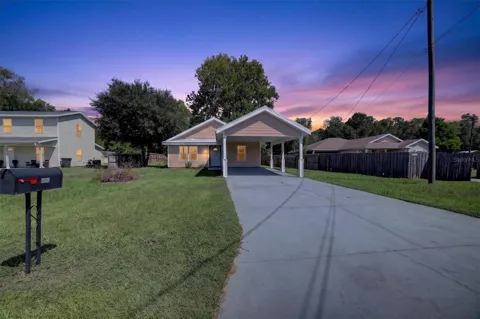
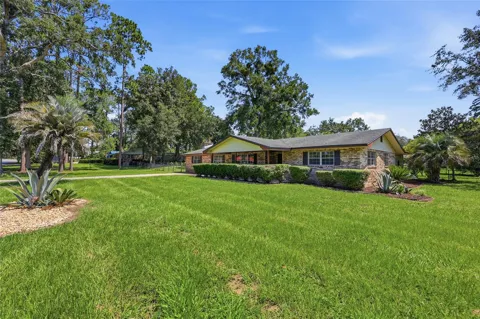
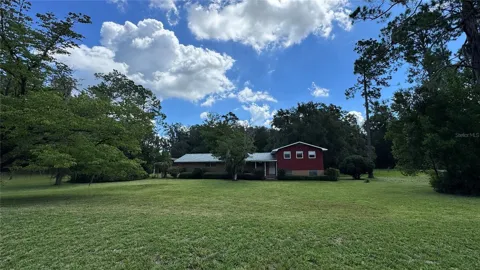
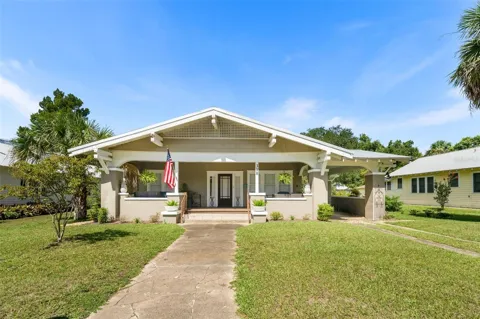
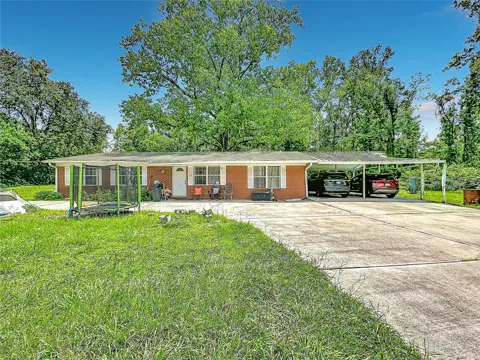
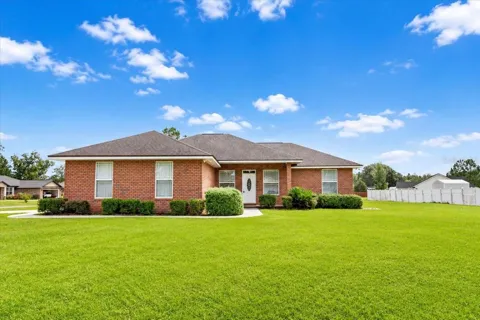
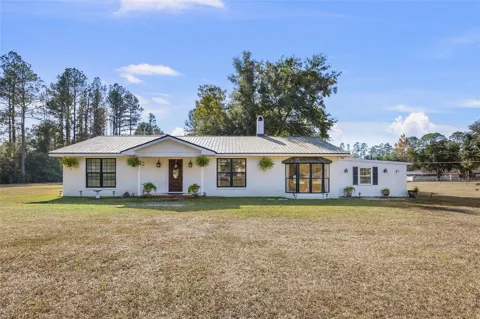
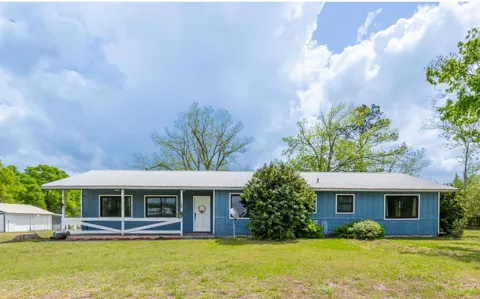
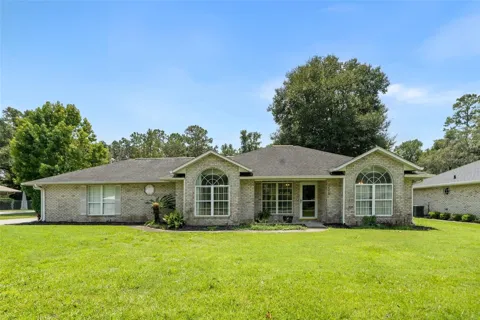
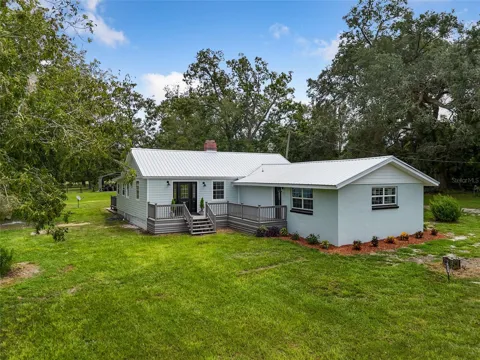
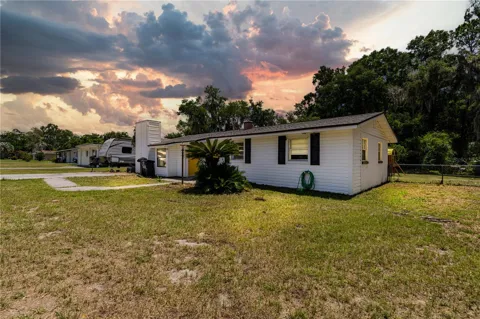
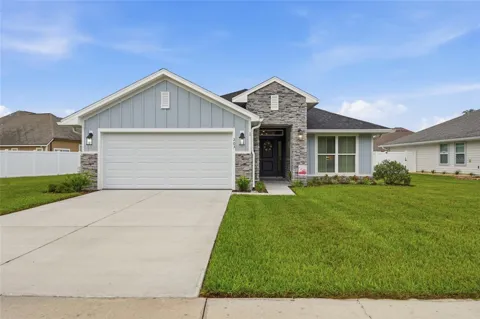
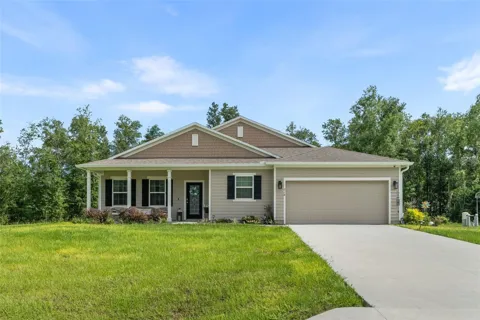
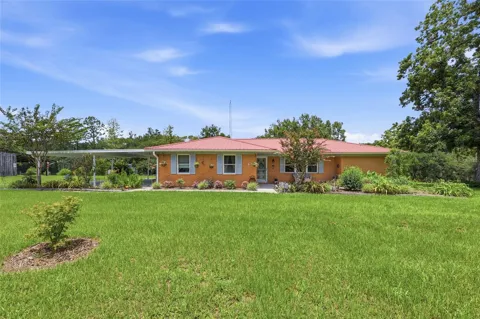
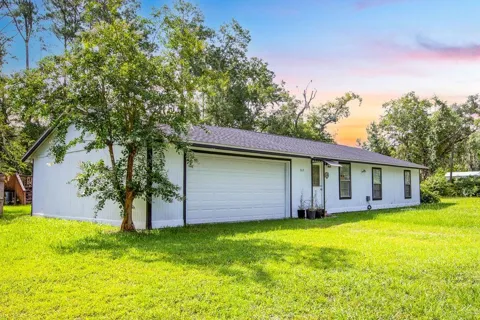
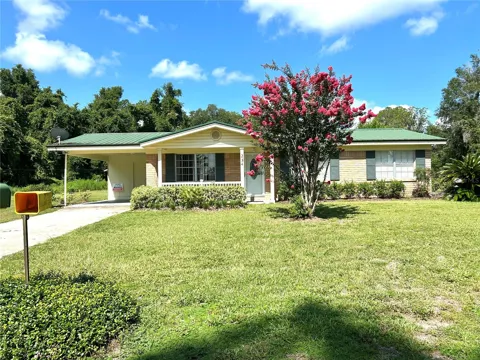
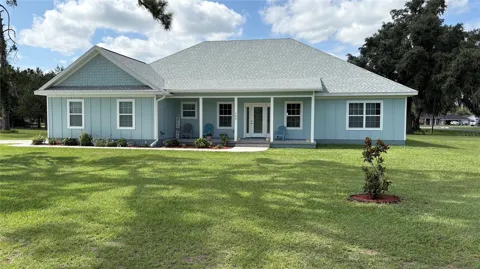
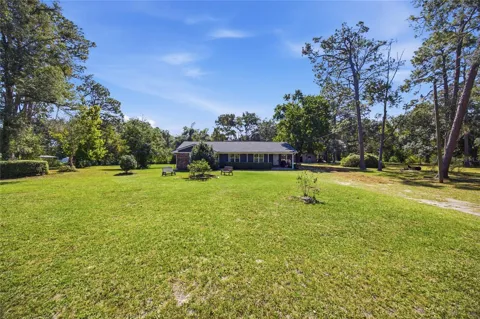
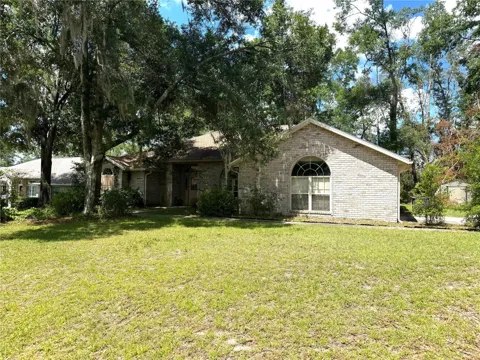
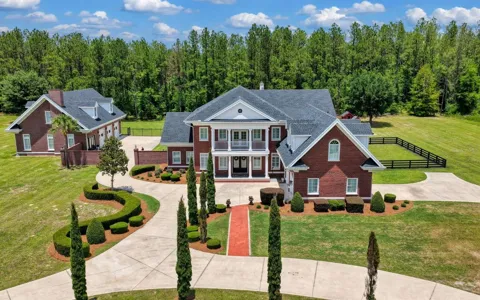
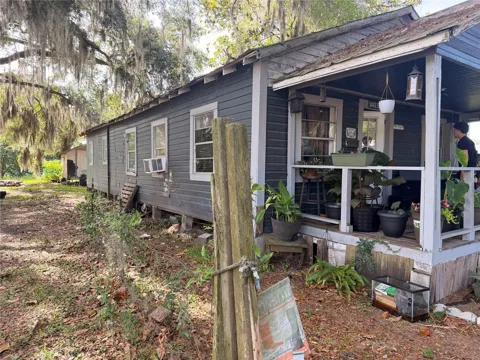
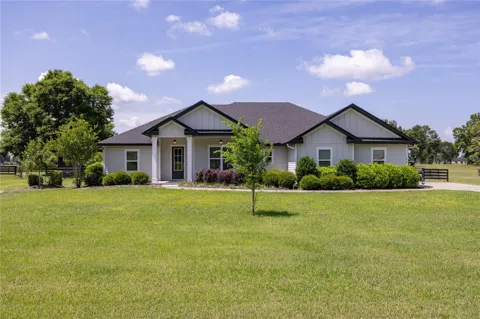
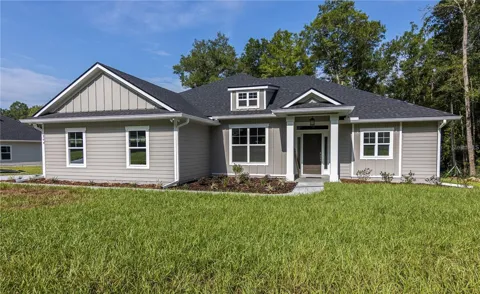
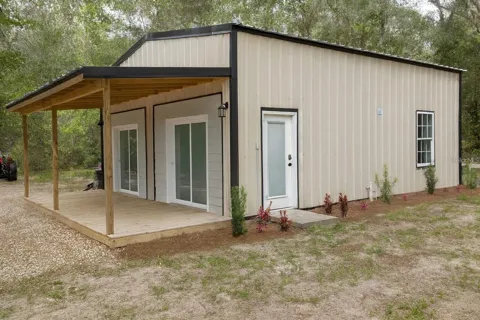
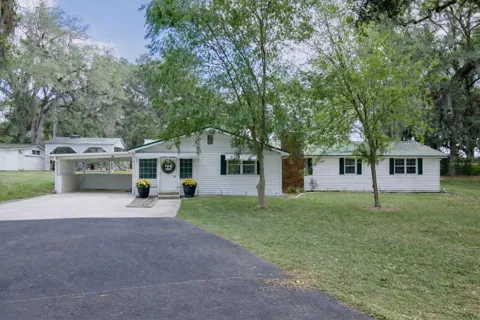
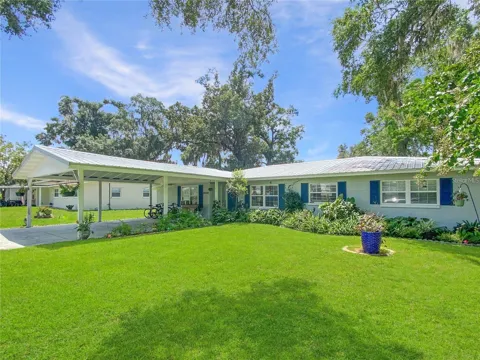
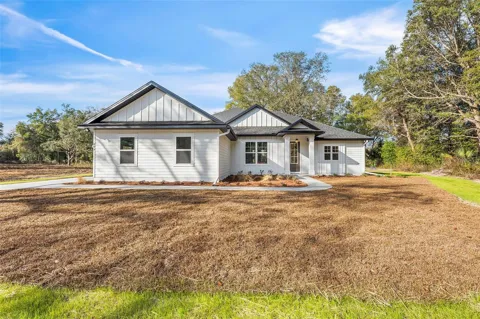
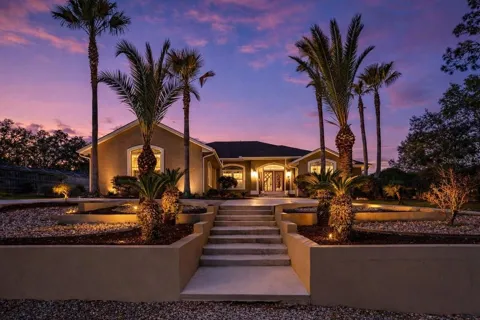
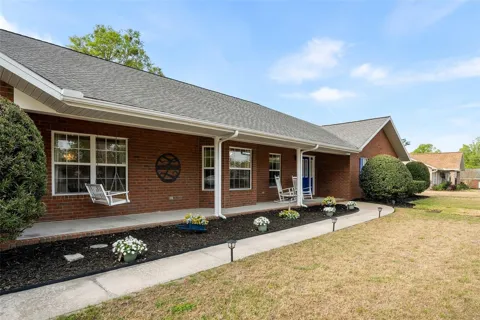
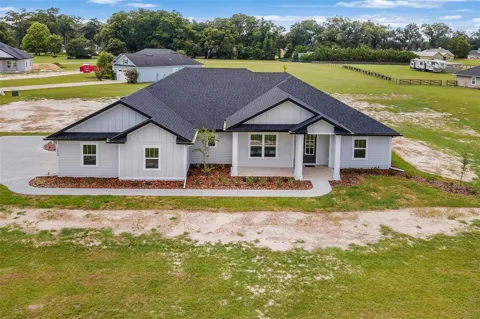
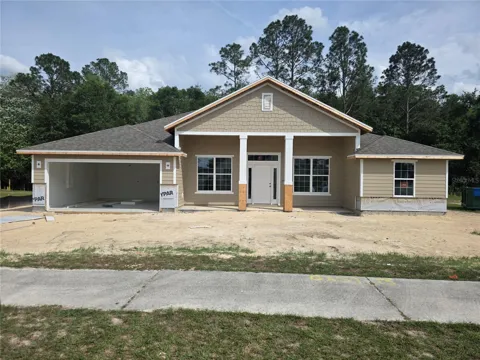
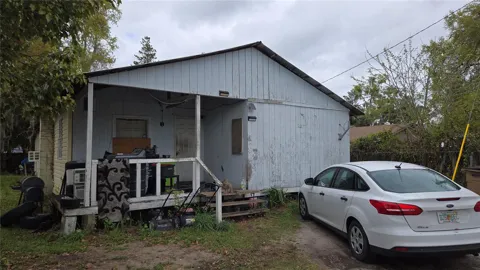
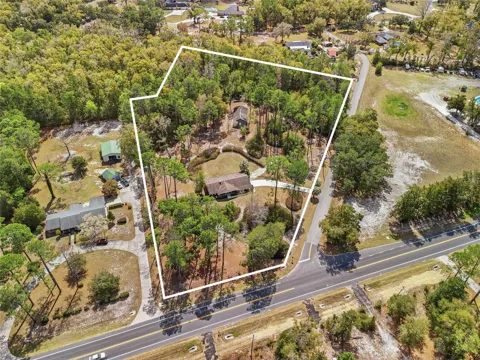
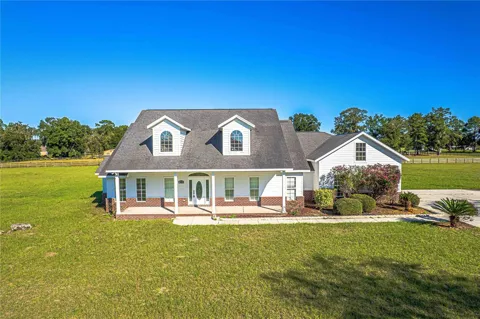
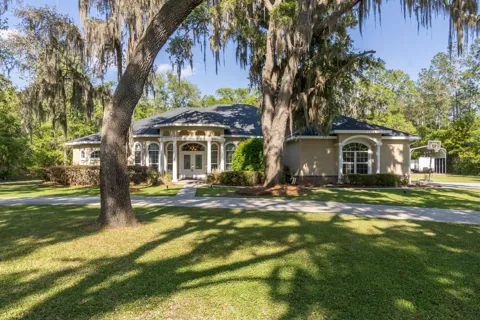
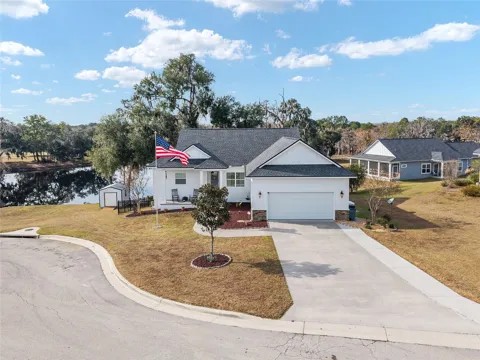
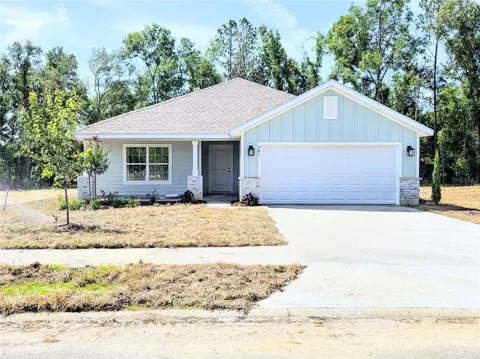
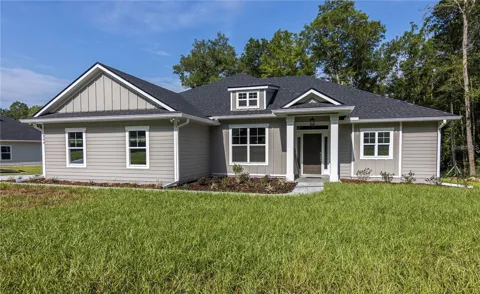
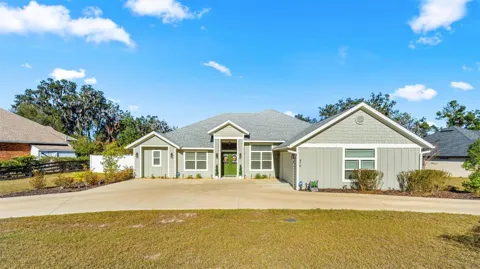
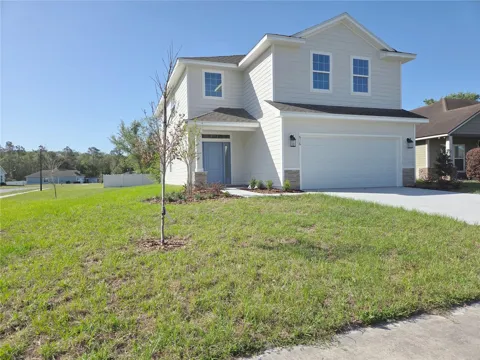
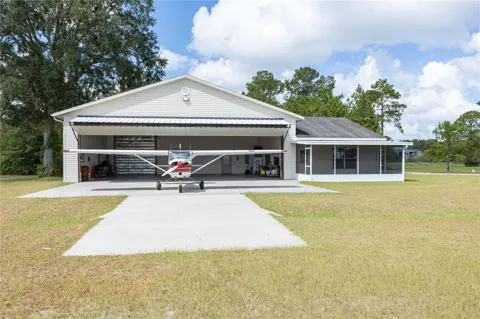
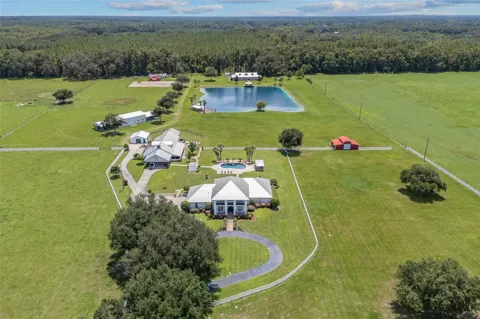
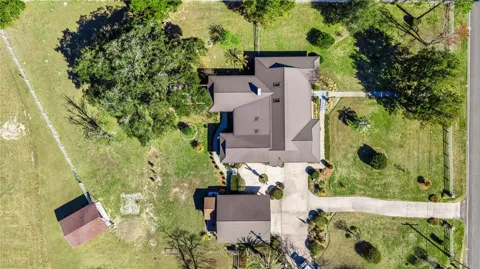
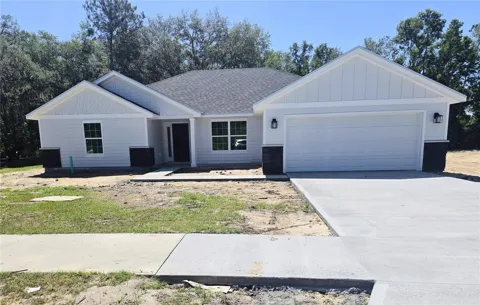
Lake City's housing stock reflects its long history as a county seat. The older neighborhoods near downtown contain early-twentieth-century frame homes, bungalows, and modest cottages set on tree-shaded streets, while mid-century ranch houses fill the residential blocks that grew outward after the interstates arrived. Newer subdivisions and larger-lot properties spread toward the city's edges, and rural acreage surrounds the incorporated limits, offering room for horse properties and small farms. As a county seat with a hospital, government offices, and retail, the city provides a range of housing from compact in-town homes to spacious suburban and semi-rural parcels, appealing to buyers seeking affordability and space within reach of larger North Florida cities.
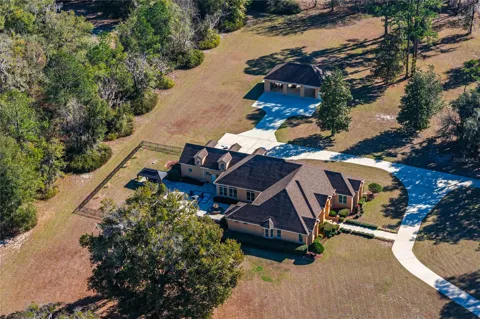
Lake City's historic downtown district forms the community's heart, with storefronts, the county courthouse, and civic institutions arranged around the original street grid. Established residential streets fan out from the center, characterized by mature trees and a mix of older and mid-century homes. Toward the I-75 and I-10 interchanges, commercial corridors and newer developments cluster, while the outer fringes transition into quieter, semi-rural subdivisions. The community's lakes, including Alligator Lake on the city's outskirts, shape the landscape and give several areas a distinctly North Florida, water-oriented setting rather than the dense suburban pattern found closer to the coast.
Life in Lake City moves at the measured pace of a small Southern county seat. The walkable downtown hosts civic events, locally owned shops, and the annual Olustee Festival, which commemorates the 1864 Battle of Olustee with reenactments and heritage programming. Because the city is a regional retail and services center, residents find everyday needs close at hand while still living minutes from pine forest and open countryside. The community's identity is rooted in its history as a railroad and highway crossroads, and that sense of being a hub for North Florida persists in its role as a gathering place for Columbia County's residents.
Public education in Lake City is provided by the Columbia County School District, which is headquartered in the city and serves the entire county. The district operates a network of elementary, middle, and high schools, giving families continuity from kindergarten through graduation. Because Lake City is the county seat, students from surrounding rural areas attend schools in and around the city, making the district a central part of community life. For families considering a move, the district's broad geographic reach and its position as the county's educational anchor are key considerations alongside the city's interstate access and North Florida setting.
Lake City is defined by its crossroads location at the junction of Interstate 75 and Interstate 10, one of the few places in Florida where two major interstates intersect. I-75 links the city north to Valdosta, Georgia, and south to Gainesville, Ocala, and Tampa, while I-10 runs east about 65 miles to Jacksonville and west toward Tallahassee. U.S. Highways 90, 41, and 441 also pass through or near the city, reinforcing its role as a regional road hub. The nearest passenger rail and commercial air service are found in Jacksonville and Gainesville, but the city's highway network places much of North Florida within an easy drive.
Outdoor recreation around Lake City centers on the Osceola National Forest, which lies just east of town and offers flatwoods hiking, hunting, fishing, and the Florida National Scenic Trail. The Olustee Battlefield Historic State Park preserves the site of Florida's largest Civil War battle and hosts annual reenactments. Alligator Lake, on the city's edge, provides a local spot for fishing and wildlife viewing, while the region's spring-fed waterways and the Suwannee River basin lie within reach to the west. For residents, the combination of national forest access and a network of lakes gives the area an outdoors-oriented character uncommon in more heavily developed parts of the state.
MARKET SNAPSHOT
How homes have been selling here over the last 90 days.
Market data reflects closed sales over the last 90 days and is provided for informational purposes.
BROWSE BY ZIP
Browse listings by postal code in this area.