Bergen County Rail Suburb
Welcome to Glen Rock, a compact Bergen County borough named for a glacial boulder, known for its commuter rail links, strong schools, and tree-lined streets about 20 miles from Midtown Manhattan.
Glen Rock is a small residential borough in central Bergen County, New Jersey, occupying roughly 2.7 square miles about 20 miles northwest of Midtown Manhattan. It is an affluent commuter suburb whose identity is tied to both its rail connections to New York City and a distinctive geological feature: the Glen Rock, a large gneiss boulder deposited by the Wisconsin Glacier around 15,000 years ago. The Lenape people knew the rock as Pamachapuka, meaning "stone from the sky," and used it as a trail marker and signal site; the boulder later gave the borough its name. Incorporated in 1894, Glen Rock developed largely as a railroad suburb as train service made daily commutes to the city practical. The arrival of rail through the area allowed farmland to be subdivided into residential lots, and the borough grew in waves through the early and mid-twentieth century as Manhattan commuters sought homes beyond the city. Today it remains a primarily single-family-home community with a population of about 12,100, and it consistently ranks among New Jersey's more desirable municipalities on measures such as income, safety, and school performance. The borough's median household income is among the highest in the state for communities of its size. The community is laid out around two train stations that divide the borough into convenient commuting zones, a small but active downtown near Rock Road, and a network of tree-shaded residential streets. Single-family homes, local parks, and a highly regarded school district define the daily landscape. The population skews toward families and established professionals, many of whom choose Glen Rock specifically for the combination of a short rail ride to Manhattan, strong public schools, and a low-crime, small-town atmosphere. Life in Glen Rock centers on the public schools, youth sports, and civic life, with recreation anchored by the Thielke Arboretum and the borough's park system. Residents also draw on the larger commercial corridors of neighboring Ridgewood and Paramus for shopping and dining. For households weighing a move to Bergen County, Glen Rock represents a stable, well-connected, and walkable suburb where the commute to New York City is a defining everyday advantage rather than an afterthought.
Glen Rock is a borough located in Bergen County, in the northeastern part of New Jersey. It sits in the central portion of the county, about 20 miles northwest of Midtown Manhattan, and is served by two NJ Transit rail stations.
Glen Rock is roughly 20 miles northwest of Midtown Manhattan. Two NJ Transit rail stations serve the borough, providing direct service to Hoboken and connections to New York Penn Station via Secaucus Junction.
Glen Rock is named for a large glacial gneiss boulder deposited by the Wisconsin Glacier roughly 15,000 years ago. The Lenape people called the rock Pamachapuka, meaning stone from the sky, and used it as a trail marker before it gave the borough its name.
Glen Rock is served by the Glen Rock Public Schools, a pre-K through 12th grade district that operates the borough's elementary, middle, and high schools, including Glen Rock High School on Hamilton Avenue.
Yes. Glen Rock has two NJ Transit stations, Glen Rock–Main Line and Glen Rock–Boro Hall, on the Main Line and Bergen County Line respectively. Both provide commuter rail access toward Hoboken and connections into Manhattan.
City Guide
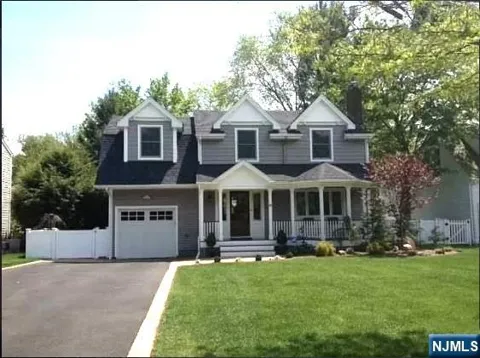
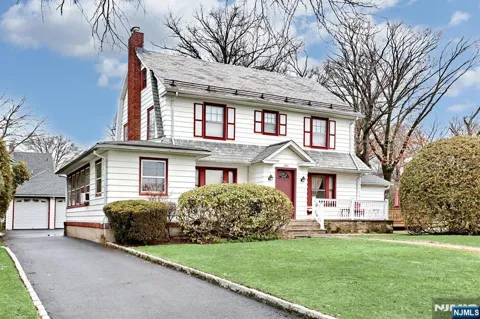
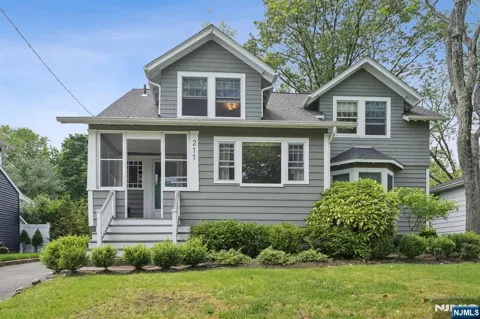
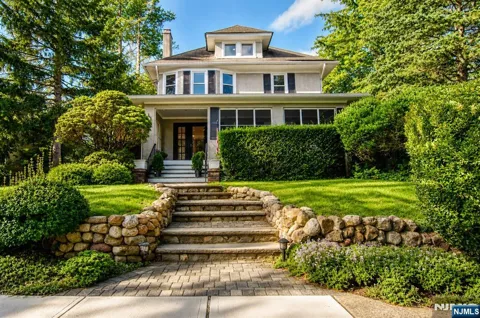
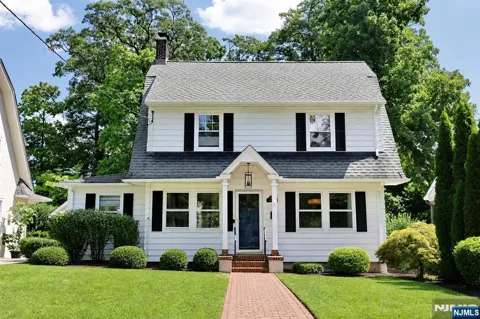
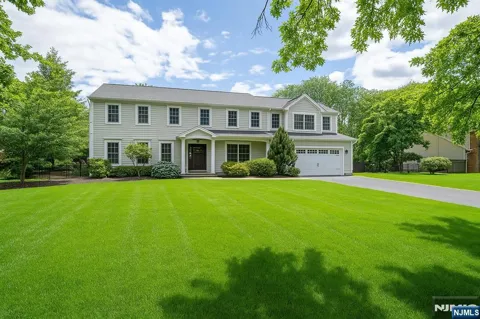
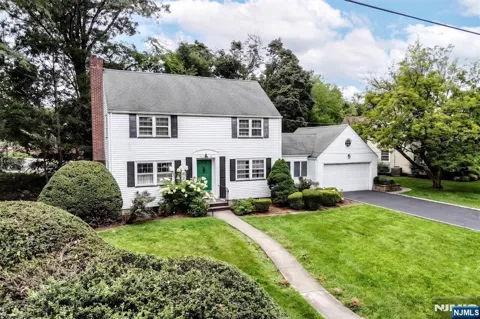
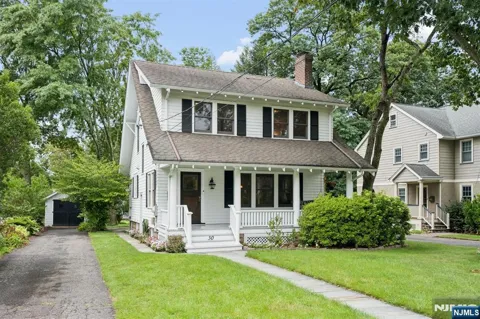
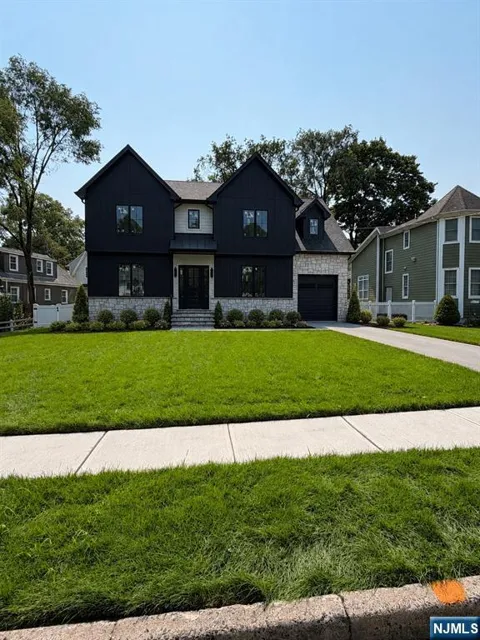
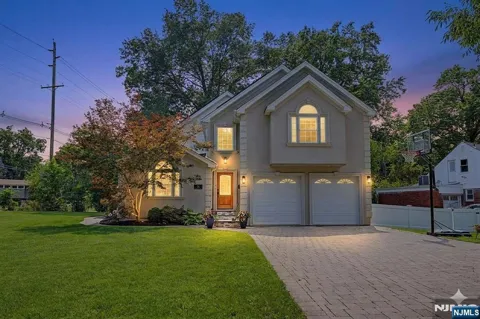
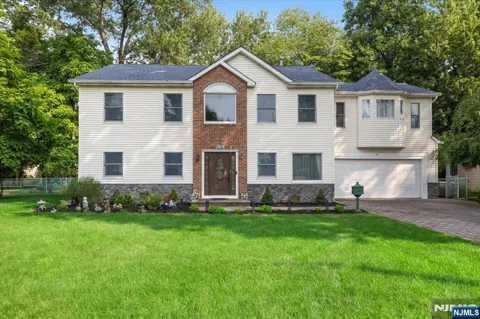
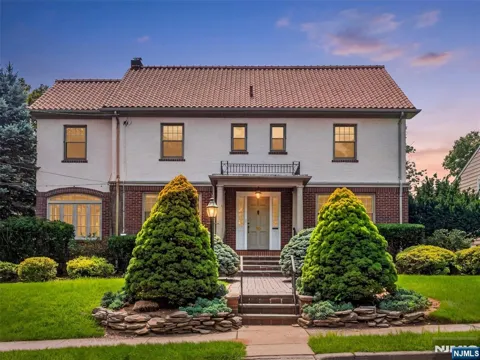
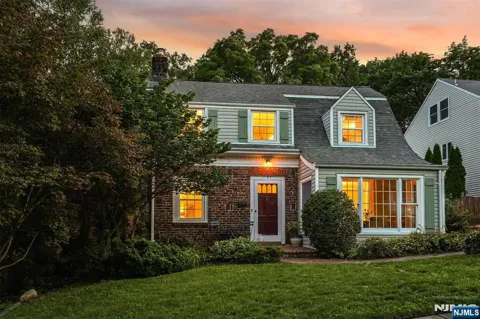
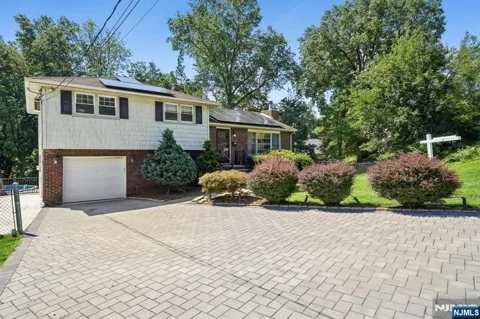
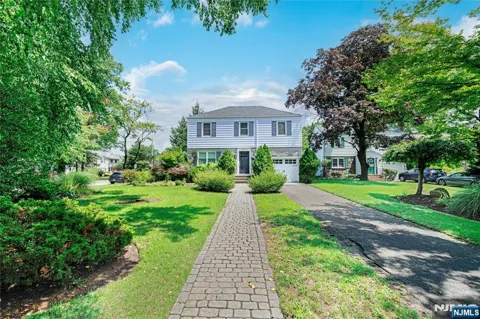
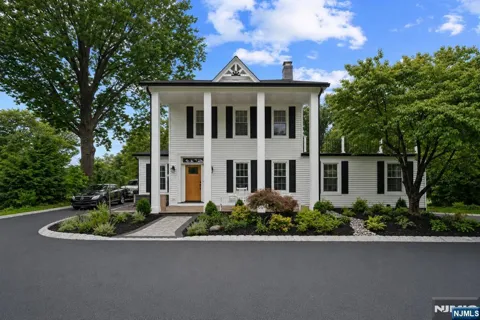
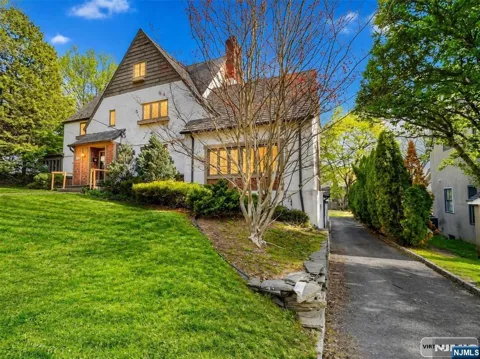
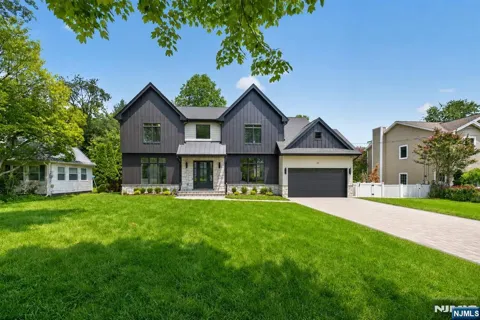
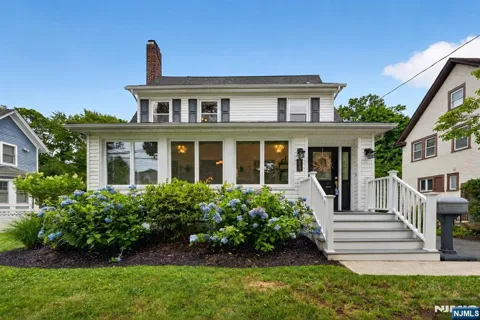
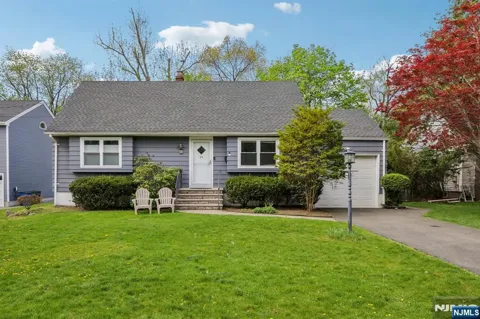
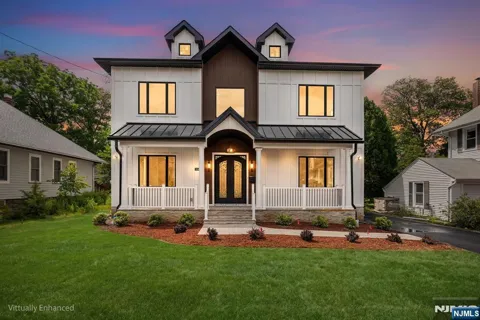
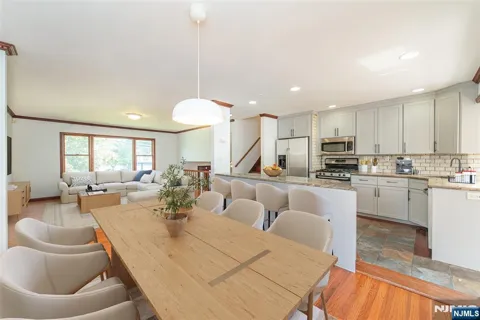
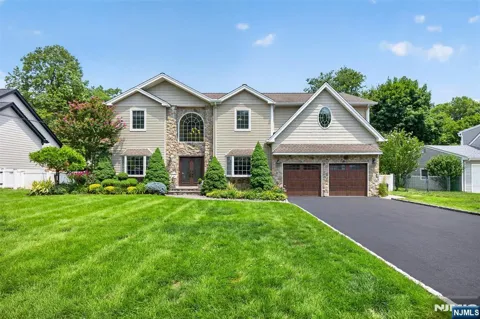
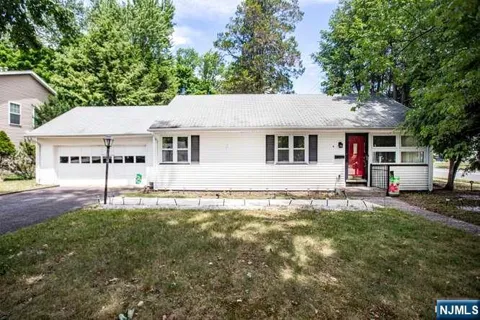
Glen Rock's housing stock is dominated by detached single-family homes on tree-lined, often narrow streets, reflecting the borough's development as an early railroad suburb. Architectural styles span colonial revivals, Tudors, Cape Cods, and split-levels, with many homes dating from the first half of the twentieth century alongside some newer construction and limited multifamily options near the downtown and transit corridors. The market is characterized by high demand and limited inventory, a pattern common to well-regarded Bergen County rail towns. Homes are typically on modest, landscaped lots, and proximity to one of the two train stations is a meaningful factor for buyers. The borough's strong school reputation and low crime profile underpin consistent desirability, and turnover tends to be limited as residents stay for school years and beyond. Buyers should expect a competitive market where walkability to transit and schools often outweighs lot size.
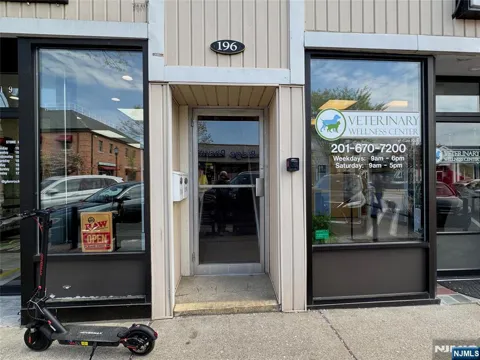
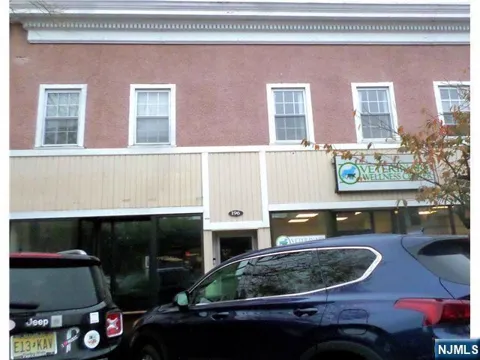
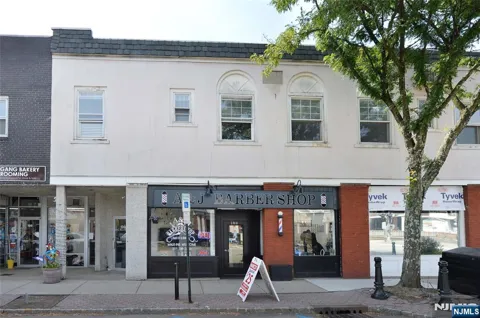
Glen Rock offers the quiet, family-oriented rhythm of a mature North Jersey suburb, with a walkable core that keeps daily conveniences close at hand. The downtown district around Rock Road and Main Street hosts a mix of local shops, restaurants, and services, and the community maintains an active calendar of events, recreation programs, and civic organizations. The Glen Rock Inn and other long-standing local businesses anchor the small-town commercial feel. The borough's close-knit character is reinforced by its schools, sports leagues, and volunteer fire and community groups. Residents enjoy easy access to the shopping and dining of nearby Ridgewood and Paramus, and the proximity to New York City means cultural and professional opportunities are a short train ride away. Overall, Glen Rock appeals to households that want a low-key, safe, and convenient suburban base within commuting distance of Manhattan.
Public education in Glen Rock is provided by the Glen Rock Public Schools, a pre-kindergarten through twelfth-grade district serving the borough. The system includes elementary and middle schools plus Glen Rock High School on Hamilton Avenue, and the district is a central reason many families choose the town. Glen Rock's schools are consistently regarded as among the stronger performers in Bergen County and New Jersey, contributing to the borough's reputation as a desirable place to raise children. Because the district serves only the borough, enrollment is modest and community involvement in the schools runs high. Families relocating to Glen Rock generally evaluate the district's programs and the town's small scale, which offers a single cohesive school system rather than a network of regional options. The borough's location also places private and parochial schooling within reach in neighboring communities.
Glen Rock's transportation story is built around its two New Jersey Transit rail stations: Glen Rock–Main Line on the Main Line and Glen Rock–Boro Hall on the Bergen County Line, which pass through the center of the borough. Both provide direct service to Hoboken and, with a transfer, to Secaucus Junction and Penn Station New York, making the borough a practical base for Manhattan commuters. The two stations effectively give much of the town convenient walking or short-driving access to the rails. NJ Transit bus routes supplement the trains, and parking is available at both stations for residents and commuters. The borough sits near major Bergen County corridors, including Route 208 and the Garden State Parkway, providing road access to the rest of North Jersey and the region. For most residents, the defining commuting question is proximity to one of the two stations, and the short ride into the city is a core part of Glen Rock's appeal.
Glen Rock's signature green space is the Thielke Arboretum, a 16-acre wetland forest with nature trails, perennial and shade gardens, a spring-fed pond, and a collection of more than 250 tree and woody plant species. The arboretum functions as a quiet natural oasis within the surrounding suburbs and is a popular spot for walking, birding, and community programs. Beyond the arboretum, the borough maintains neighborhood parks, athletic fields, playgrounds, and a community pool that anchors summer recreation. Youth sports leagues and recreation department programs are woven into town life. Residents also draw on the broader regional outdoors of Bergen County, including nearby county parks and the Ramapo Mountains a short drive to the west, while the arboretum and local fields provide the everyday, close-to-home recreational backbone.
MARKET SNAPSHOT
How homes have been selling here over the last 90 days.
Market data reflects closed sales over the last 90 days and is provided for informational purposes.
BROWSE BY ZIP
Browse listings by postal code in this area.