Queens Chinatown and World's Fair Park
Welcome to Flushing, the north-central Queens neighborhood where one of the world's largest Chinatowns meets Flushing Meadows–Corona Park, home of Citi Field, the U.S. Open, and the Unisphere.
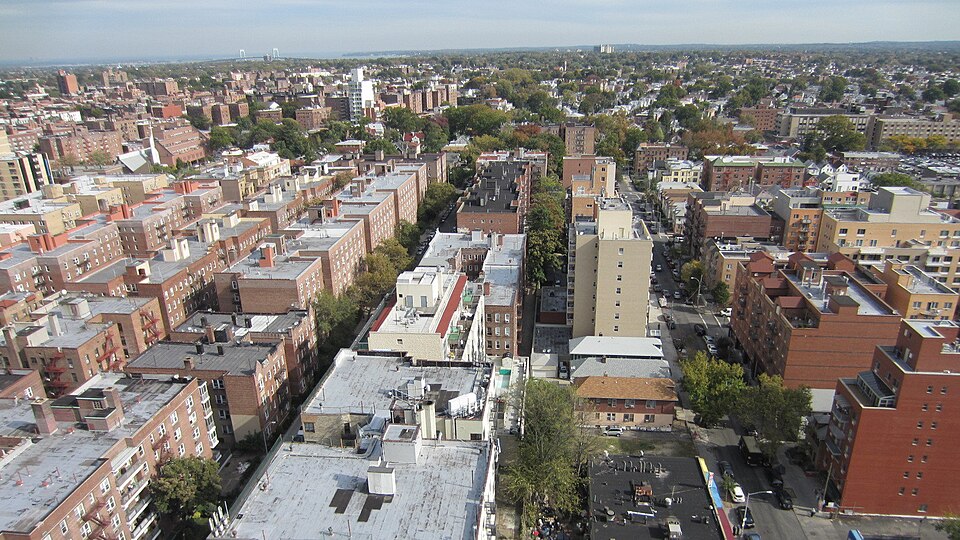
Flushing sits in the north-central part of Queens, one of the most transit-connected and commercially intense corners of New York City. Its dense downtown core, centered on the intersection of Main Street and Roosevelt Avenue, ranks among the busiest pedestrian and transit interchanges in the city and anchors the fourth-largest central business district in New York. Around that core, a patchwork of quieter residential subsections — Broadway–Flushing, Murray Hill, Linden Hill, Pomonok, Queensboro Hill, and Waldheim among them — stretches north toward Whitestone, east toward Bayside, and south toward the Long Island Expressway. The neighborhood's roots run deep. Established as the Dutch settlement of Vlissingen in 1645, Flushing was one of the original five towns of Queens County before its consolidation into the City of Greater New York in 1898. In 1657 its residents signed the Flushing Remonstrance, a landmark protest for religious liberty that has led historians to call the area a birthplace of religious freedom in the New World. The John Bowne House, the Old Quaker Meeting House, and the Kingsland Homestead still stand as reminders of that era, joined by a 19th-century horticultural legacy — Flushing was home to North America's first commercial tree nurseries and later supplied trees to Central Park. In the late 20th century, successive waves of immigration turned Flushing into one of the most culturally layered neighborhoods in the city. Its Chinatown, centered along Main Street and expanding along Kissena Boulevard, is among the largest outside Asia; a long-established Koreatown runs along Union Street and Northern Boulevard; and a South Asian commercial district south of Franklin Avenue counts among North America's oldest Little India enclaves. The result is a multilingual, multigenerational community where Mandarin, Korean, Spanish, and English mingle on the same blocks. Flushing's economy runs on that density — restaurants, markets, banks, malls, and major medical institutions such as NewYork–Presbyterian/Queens and Flushing Hospital Medical Center. To the west, Flushing Meadows–Corona Park, the largest park in Queens and the site of two World's Fairs, brings Citi Field, the U.S. Open tennis center, the Queens Museum, and the New York Hall of Science to the neighborhood's edge. Flushing suits buyers who want genuine urban density, a world-class food culture, and a one-seat subway ride into Manhattan.
Get more information about Flushing
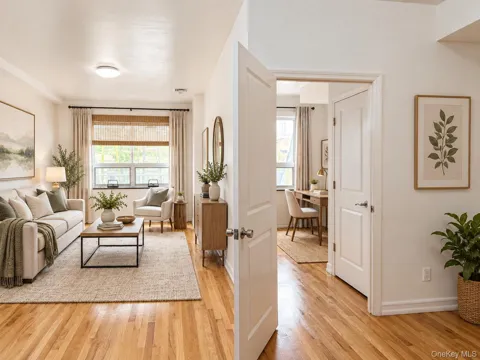
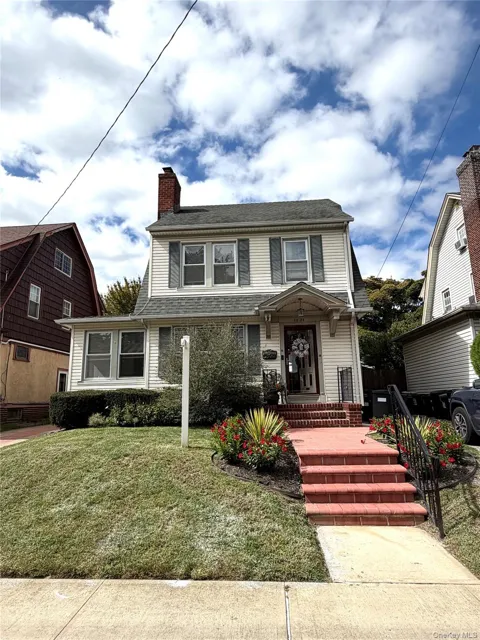
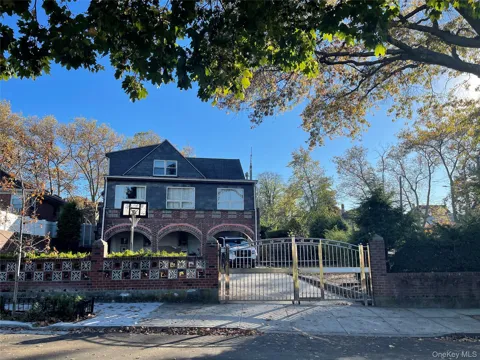
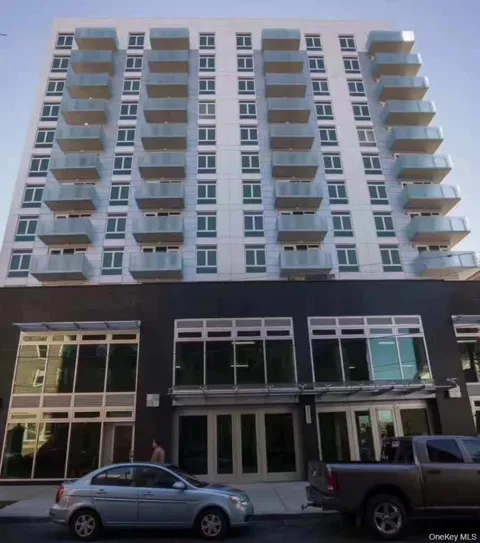
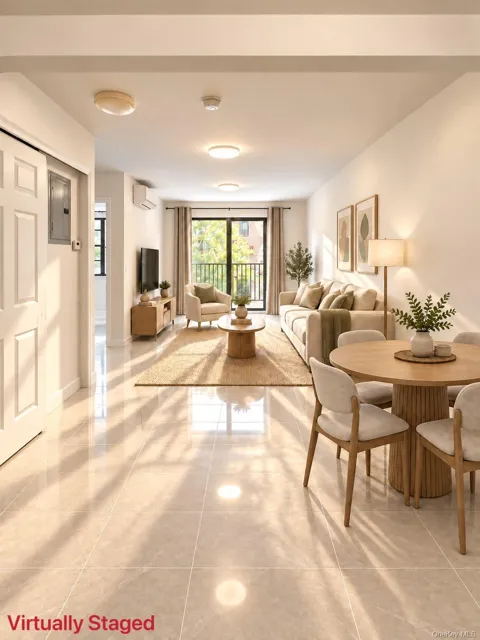
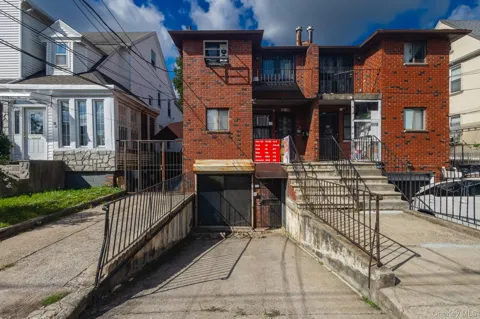
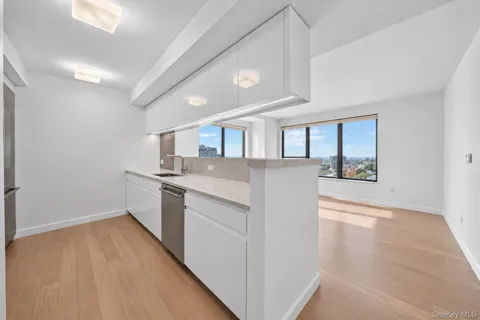
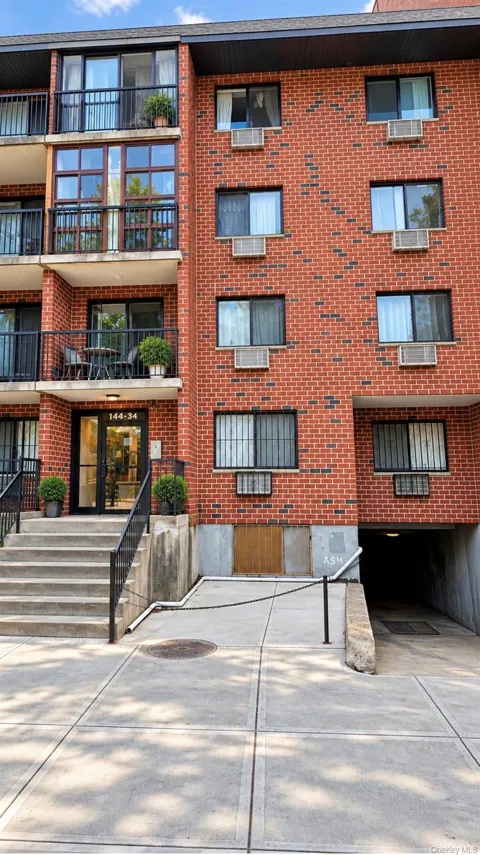
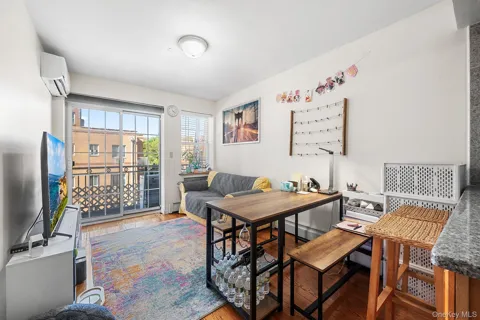
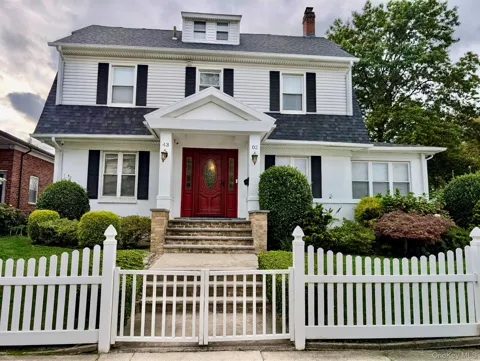
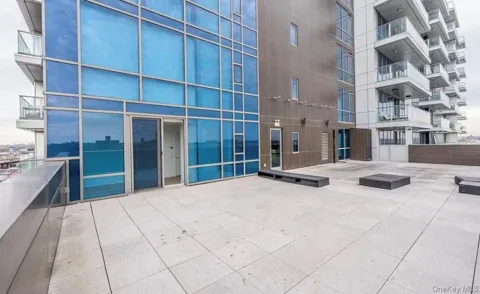
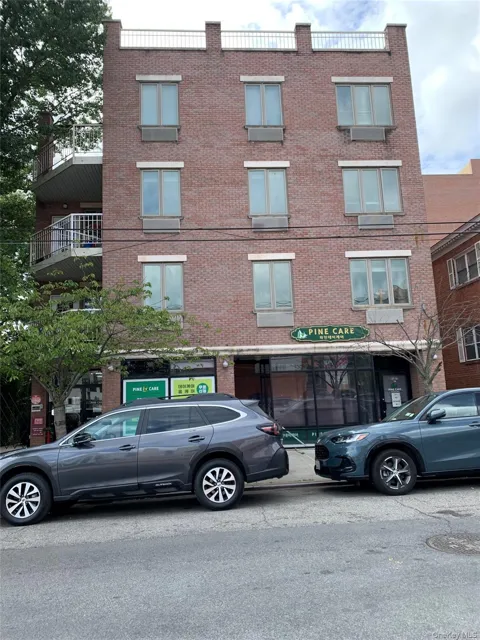
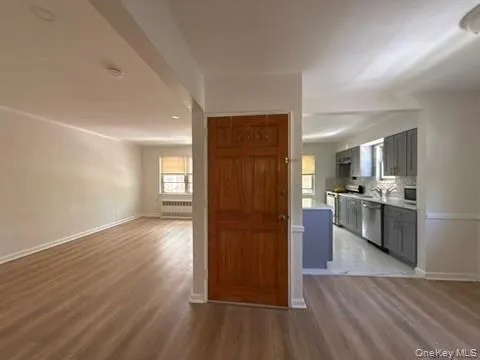
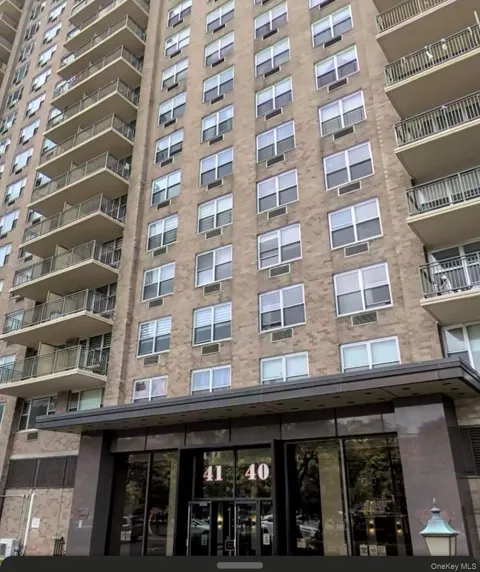
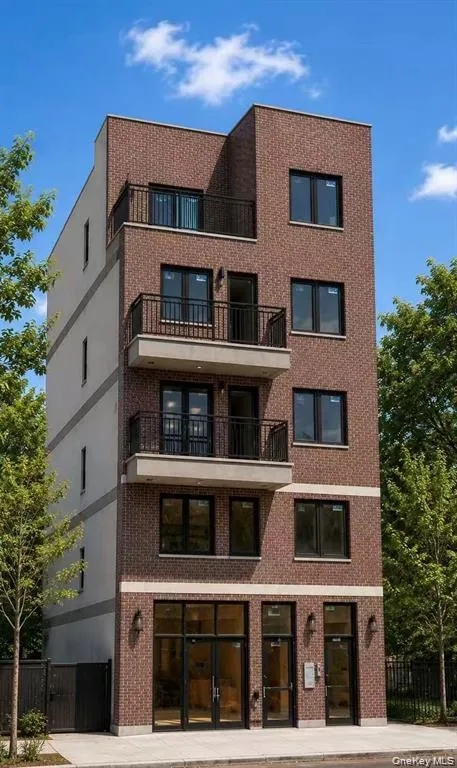
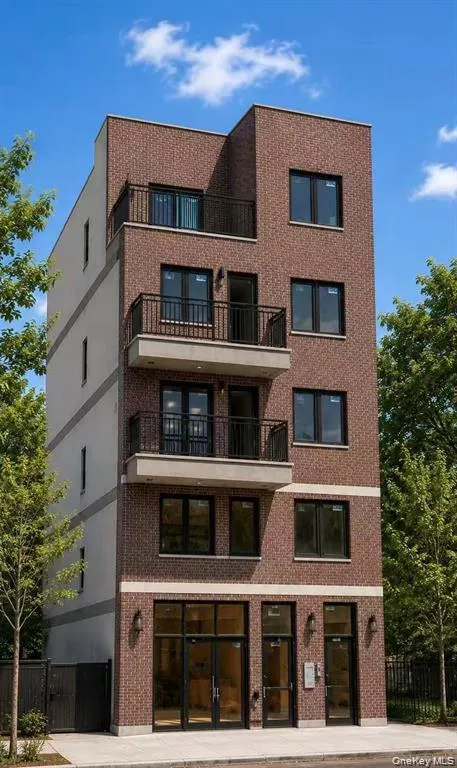
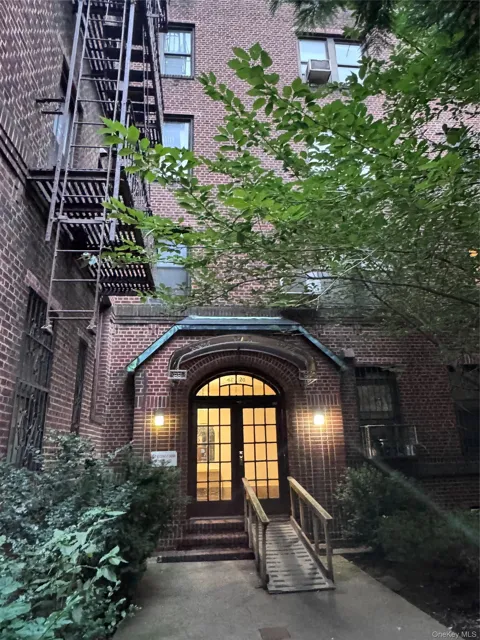
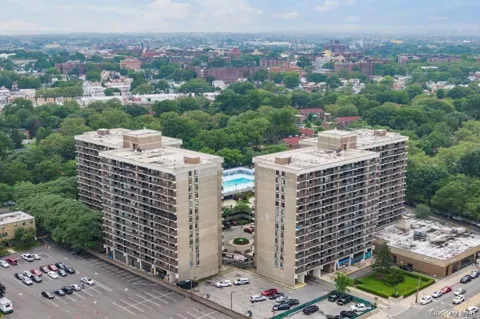
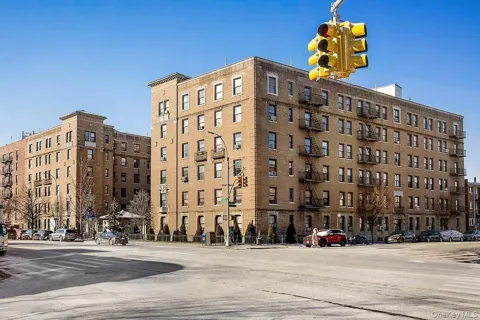
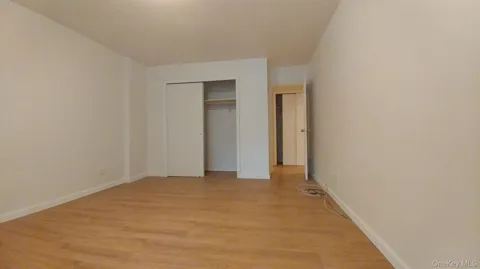
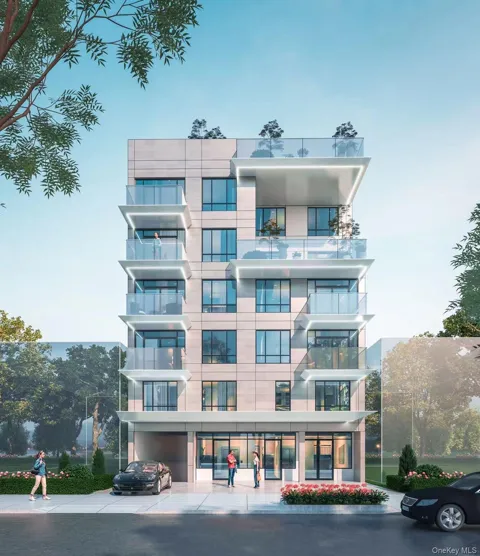
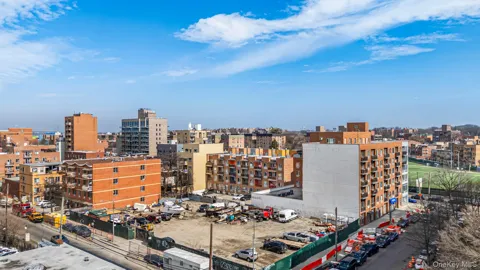
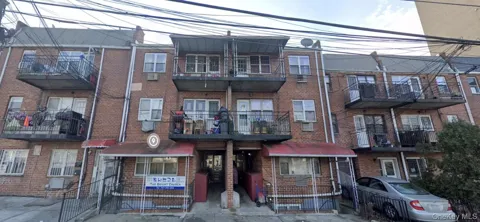
4 photos
MARKET SNAPSHOT
How homes have been selling here over the last 90 days.
Market data reflects closed sales over the last 90 days and is provided for informational purposes.
BROWSE BY ZIP
Browse listings by postal code in this area.
City Guide
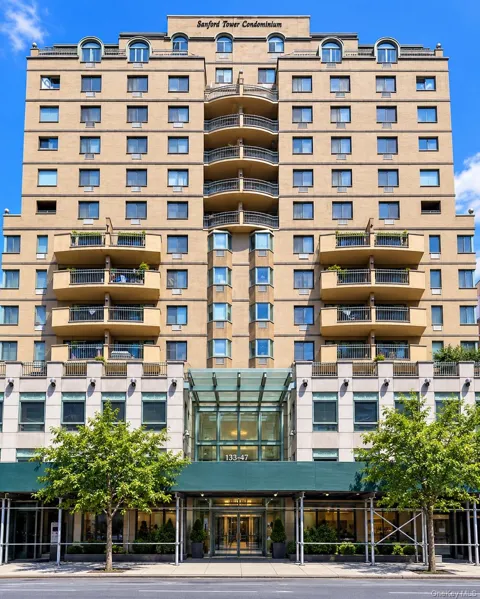
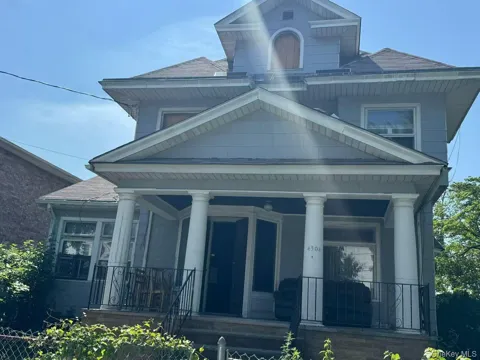
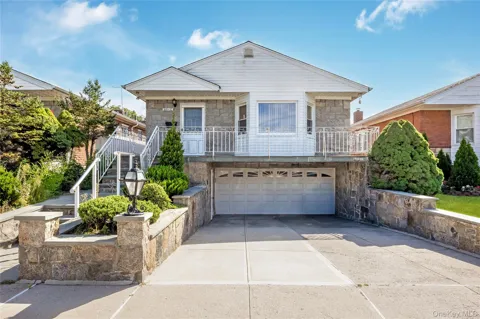
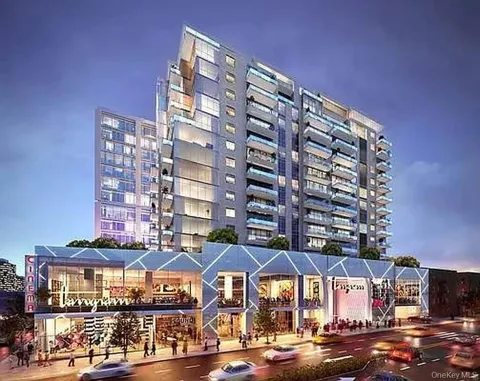
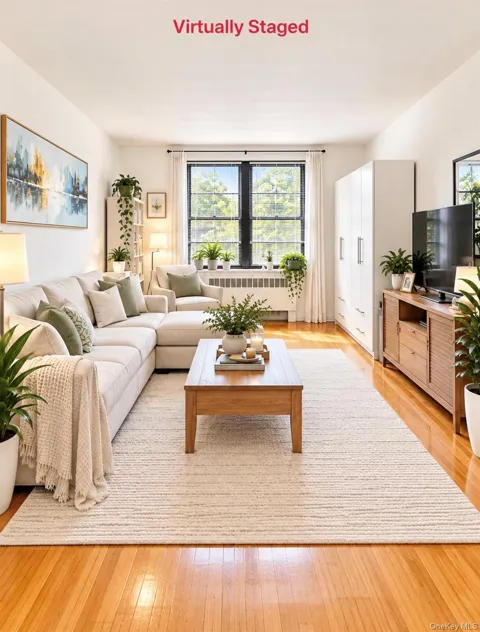
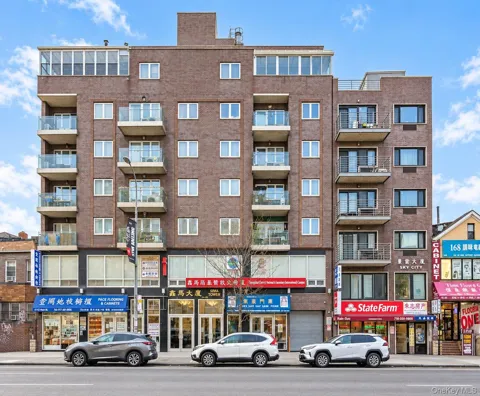
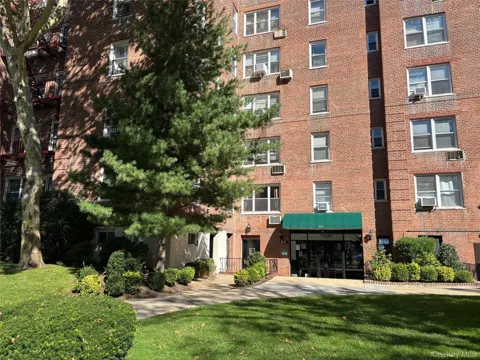
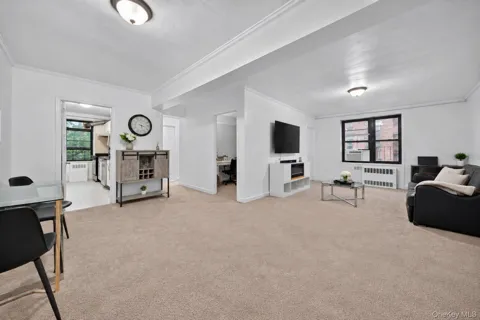
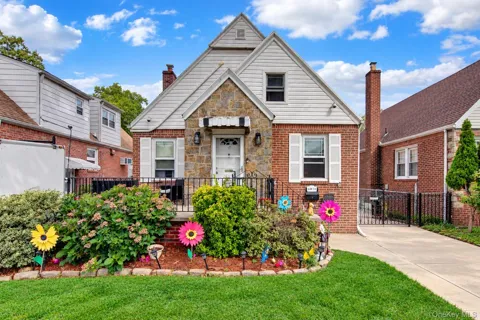
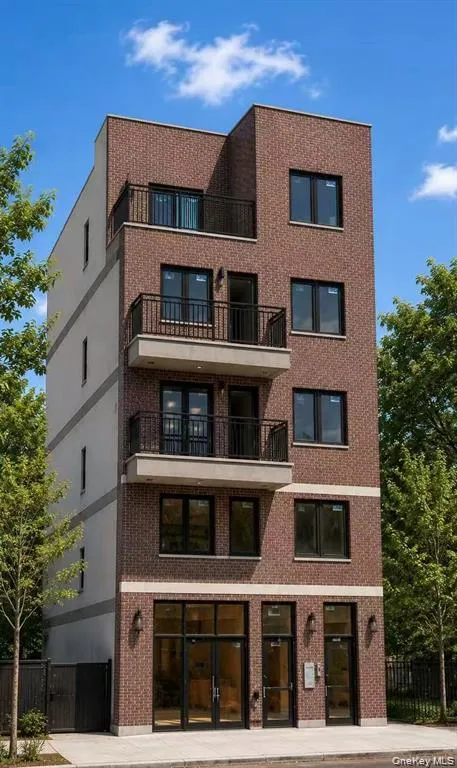
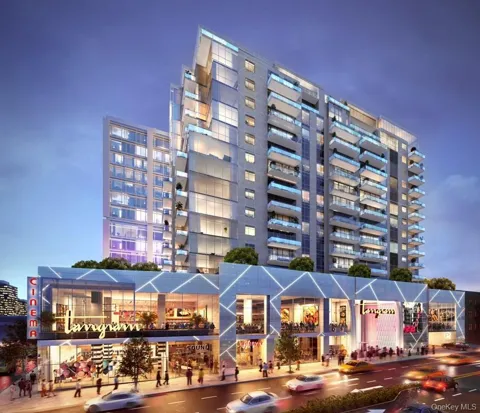
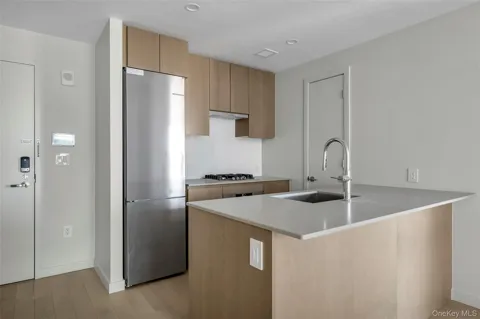
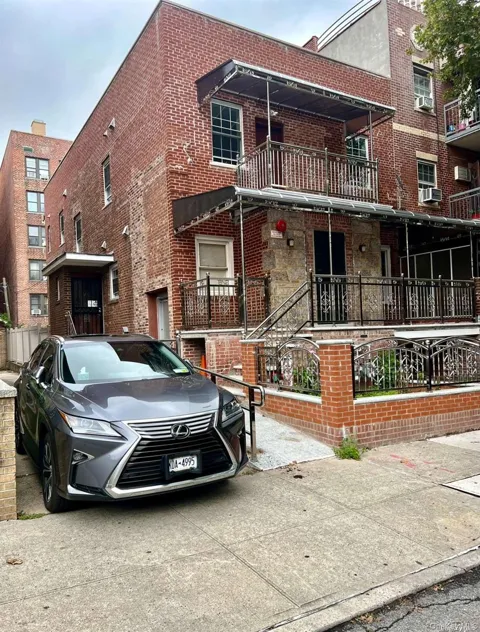
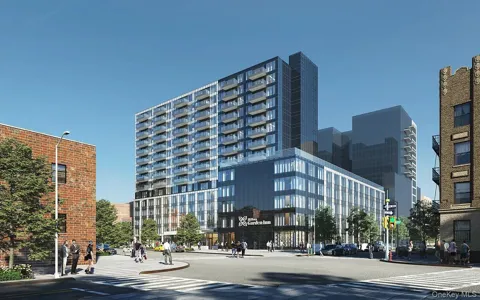
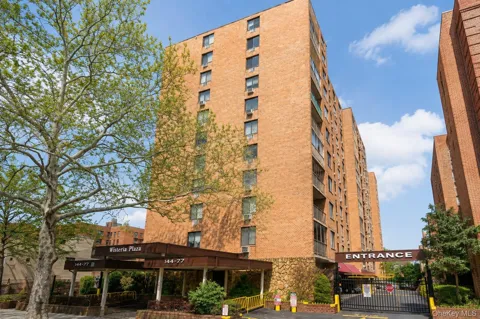
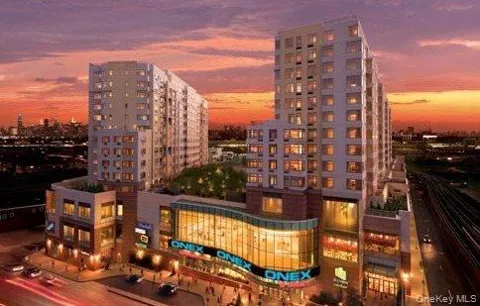
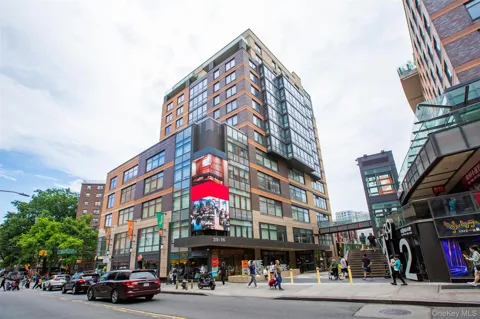
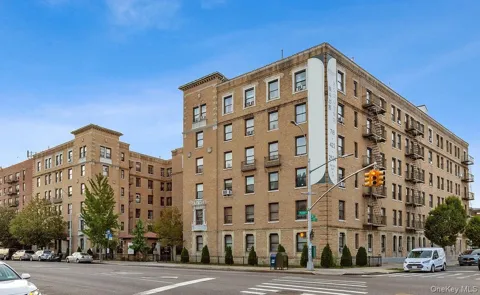
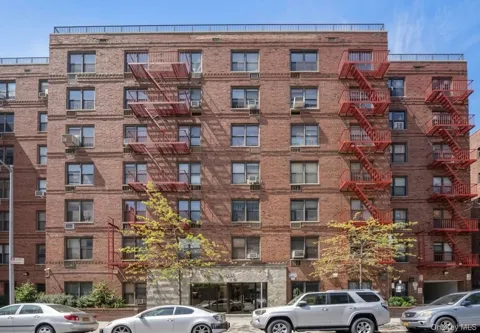
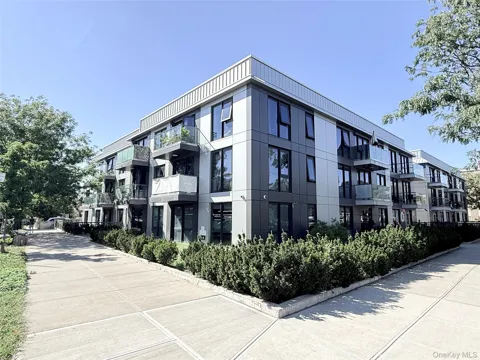
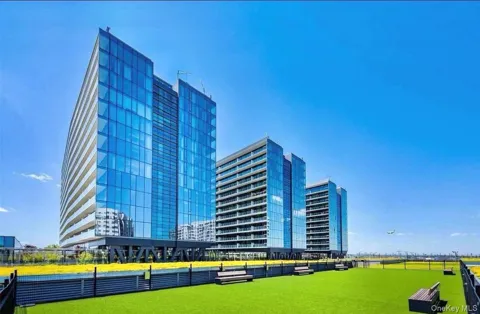
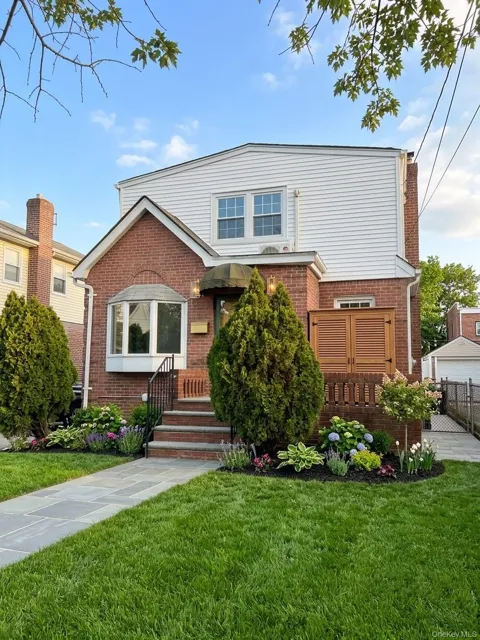
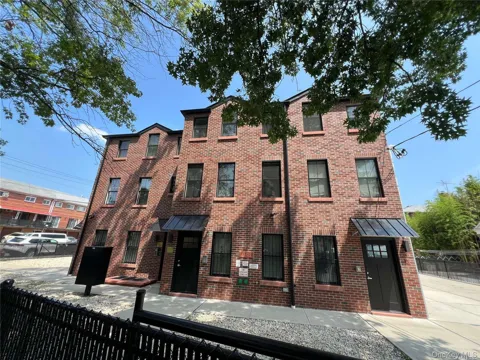
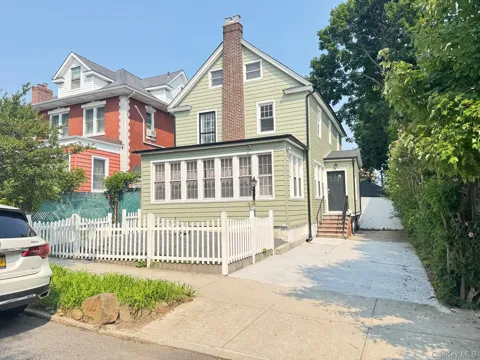
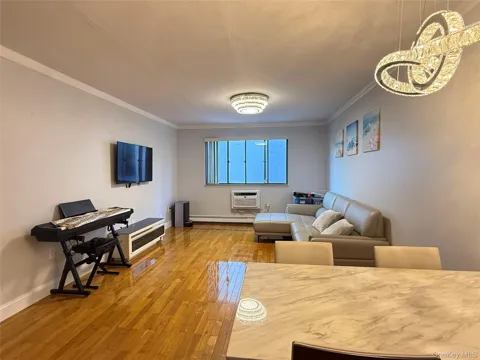
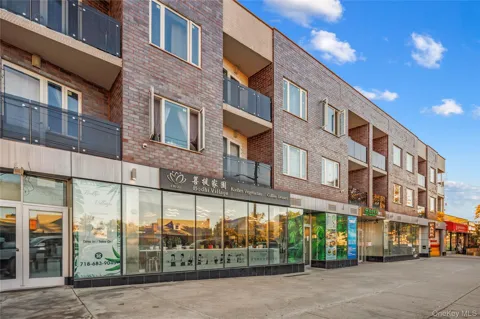
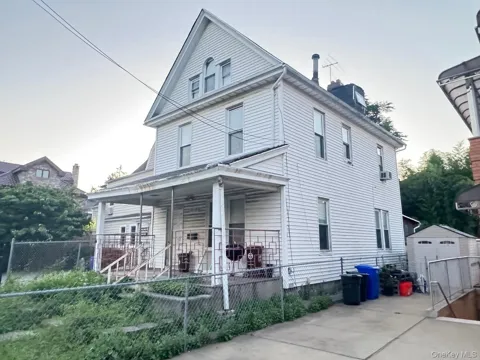
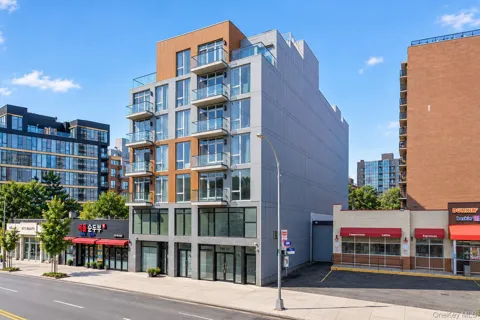
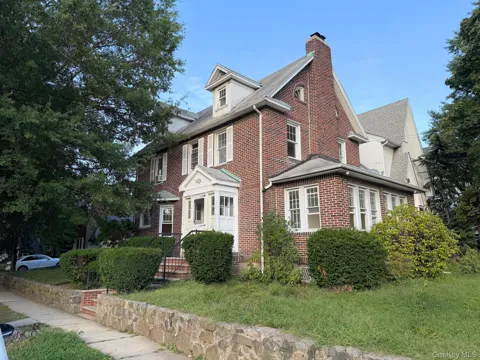
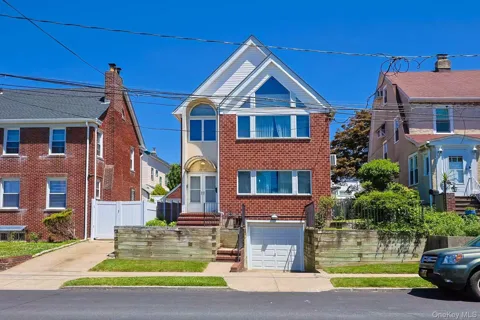
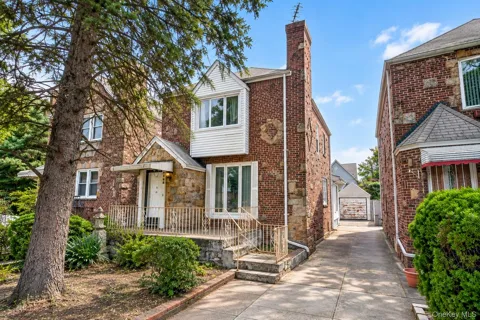
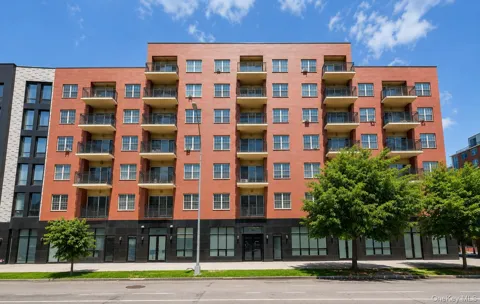
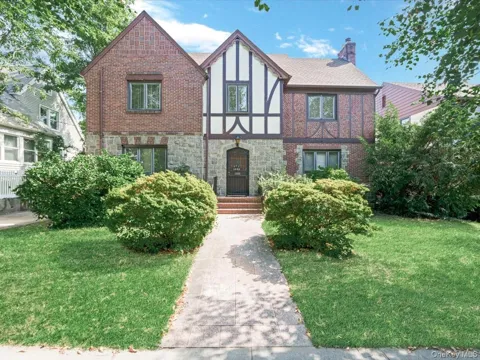
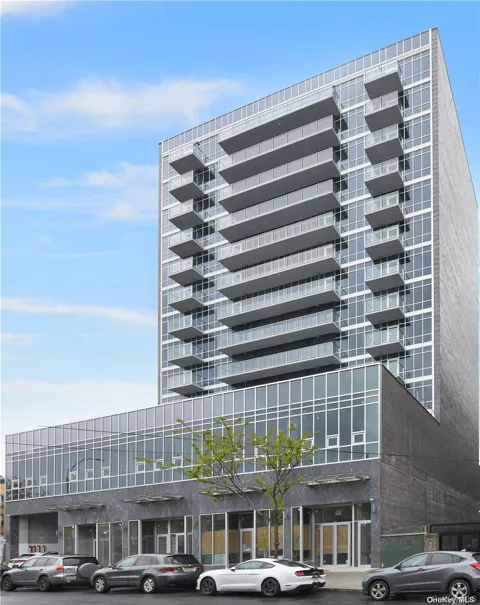
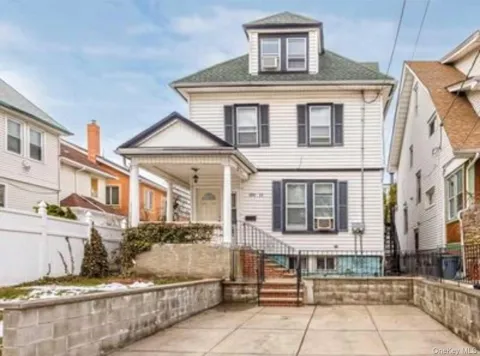
Flushing's housing stock is a study in New York's evolution, ranging from prewar single-family neighborhoods to mid-century cooperatives and modern downtown towers. To the north, Broadway–Flushing and Waldheim hold gracious detached and large-lot homes built between the late 19th and early 20th centuries; both areas carry historic-district designations and were rezoned by the city to protect their low-density character. Murray Hill offers tree-lined blocks of frame and brick houses that have long attracted successive immigrant families. The middle decades of the 20th century left a different imprint. Linden Hill's cluster of cooperative buildings — Linden Hill, Mitchell Gardens, Linden Towers, and Embassy Arms — comprises 41 six-story structures built for middle-income veterans, while Electchester, a cooperative developed by the electrical workers' union, adds roughly 2,500 apartments in brick mid-rise buildings near the former Pomonok Country Club. Downtown, large mixed-use developments have added condominium towers above retail, including the Shops at Skyview Center and Flushing Commons. Buyers here choose between historic low-density streets, established co-op communities, and high-rise living steps from the subway.
Flushing is a collection of distinct subsections, each with its own rhythm. Downtown Flushing is the dense commercial heart, built around Main Street and Roosevelt Avenue, where storefronts, food courts, and malls stay busy well into the evening. Broadway–Flushing, to the northeast, is a residential enclave of large homes and quiet, park-like streets designated as a State and Federal historic district. Murray Hill, straddling Northern Boulevard, blends older frame houses with an expanding Korean commercial presence. Linden Hill, in the northwest, is defined by its garden-apartment cooperatives and post-war brick towers. To the south, Pomonok and Queensboro Hill hold large housing cooperatives and the NewYork–Presbyterian/Queens campus, while Waldheim, an estate subdivision laid out between 1875 and 1925, preserves some of Flushing's grandest architecture just southeast of downtown.
Flushing's lifestyle is defined by one of the deepest food and shopping cultures in New York. The neighborhood is widely regarded as a mecca for regional Chinese cuisine, with Hakka, Sichuanese, Cantonese, Shanghainese, Hunanese, Fujianese, and even Dongbei and Uyghur cooking available within blocks of Main Street. Koreatown adds barbecue halls, karaoke bars, and bakeries along Union Street and Northern Boulevard, while the Little India district south of Franklin Avenue supplies South Asian markets and restaurants. Multi-story malls — New World Mall, Queens Crossing, One Fulton Square, Tangram, and the Shops at Skyview Center — mix food courts, groceries, and retail under one roof. Cultural life runs through Flushing Town Hall, a Smithsonian-affiliated arts center; the Queens Botanical Garden, which carries on the neighborhood's 18th-century nursery tradition; and annual events such as the Lunar New Year parade. It is a neighborhood of street-level energy, multilingual storefronts, and late-night dining.
Flushing's public schools are operated by the New York City Department of Education and span the full grade range. The neighborhood is anchored by Flushing High School, founded in 1875 as the first free public high school in what is now New York City and housed in a Gothic Revival landmark building. Townsend Harris High School, a selective school located on the Queens College campus, and John Bowne High School add further high-school options, alongside the East-West School of International Studies and several newer small schools. Elementary and middle schools include PS 20 John Bowne, PS 21 Edward Hart, IS 237 Rachel Carson, and JHS 185 Edward Bleeker, among more than a dozen others serving the area. Queens College, part of the City University of New York, sits within Flushing and anchors higher education alongside the neighborhood's extensive tutoring and language-school network. On-time high-school graduation in the area runs above the citywide average.
Flushing is among the best-connected neighborhoods in Queens. The 7 subway line, running on the IRT Flushing Line, terminates at Main Street in the heart of downtown and offers a direct ride into Manhattan, with peak-hour express service. The Long Island Rail Road's Port Washington Branch adds three stops within the neighborhood — Flushing–Main Street, Murray Hill, and Broadway — for faster rail access to Penn Station and points east. Northern Boulevard serves as the main east-west arterial, while the Long Island Expressway borders the neighborhood to the south and the Whitestone Expressway to the west. Numerous local and express bus routes converge at the Main Street transit hub. LaGuardia Airport sits just across Flushing Bay to the northwest, putting air travel within minutes of the neighborhood.
Recreation in Flushing revolves around Flushing Meadows–Corona Park, the largest park in Queens at 897 acres and the site of the 1939–40 and 1964–65 World's Fairs. The park holds Citi Field, home of the New York Mets; the USTA Billie Jean King National Tennis Center, host of the U.S. Open; the Queens Museum and its scale model of the city; the New York Hall of Science; the Queens Zoo; Queens Theatre; and the Unisphere, the steel globe that remains a defining symbol of the borough. Within the neighborhood itself, Kissena Park offers 234 acres with a lake as its centerpiece, linked to Flushing Meadows by the 100-acre Kissena Corridor Park. Bowne Park, an 11-acre green on a former mayor's estate, and Flushing Fields serve local ballfields and playgrounds. The 39-acre Queens Botanical Garden, tracing its origins to the 1939 World's Fair, carries on Flushing's historic horticultural tradition.
About Flushing
Flushing is in Queens County, which is coterminous with the borough of Queens in New York City. The neighborhood falls within Queens Community District 7, and its ZIP Codes are 11354, 11355, and 11358. It is patrolled by the NYPD's 109th Precinct.
Yes. Flushing is a neighborhood in the north-central part of Queens, one of New York City's five boroughs. It was originally one of the five towns of Queens County and was consolidated into the City of Greater New York in 1898. Today it operates under New York City government, public schools, and transit systems.
The 7 train serves Flushing on the IRT Flushing Line, with its terminal at Main Street in the center of downtown. The Long Island Rail Road's Port Washington Branch also stops at Flushing–Main Street, Murray Hill, and Broadway stations, offering a faster rail option to Penn Station and eastern Long Island.
Flushing is best known for one of the largest Chinatowns outside Asia, centered on Main Street and Roosevelt Avenue, along with a long-established Koreatown and one of North America's oldest Little India districts. It is also home to Flushing Meadows–Corona Park, Citi Field, the USTA Billie Jean King National Tennis Center, and the Queens Botanical Garden.
Flushing's public schools are operated by the New York City Department of Education. The neighborhood includes Flushing High School, founded in 1875 as the city's first free public high school; the selective Townsend Harris High School on the Queens College campus; John Bowne High School; and numerous elementary and middle schools such as PS 20 John Bowne and IS 237 Rachel Carson.
At the 2010 United States census, Flushing's population was 72,008, with roughly 69 percent of residents identifying as Asian. The broader Community Board 7, which covers Flushing, College Point, and Whitestone, had about 263,000 residents as of a 2018 city health profile.
Still have questions about Flushing?
Get in touchExplore the area