Jersey Shore Music City
Welcome to Asbury Park, the Jersey Shore's music-rich beach city, home to a famous boardwalk, the Stone Pony, and a lively coastal revival.
Asbury Park is a small city on the northern Jersey Shore in Monmouth County, New Jersey, set directly on the Atlantic Ocean. With about 15,300 residents in just 1.4 square miles, it is dense, walkable, and defined almost entirely by its relationship to the sea. The city's boardwalk, beach, and the historic buildings that line Ocean Avenue form one of the most recognizable waterfronts in the state, and its name has carried outsized cultural weight far beyond its size. That cultural weight comes mostly from music. Asbury Park is indelibly associated with the Stone Pony, the boardwalk-adjacent club where Bruce Springsteen launched his career and where Southside Johnny and the Asbury Jukes helped define the "Jersey Shore sound." That legacy persists in the city's live-music venues, its summer concerts, and an arts scene that has embraced the city's history while attracting new generations of visitors and residents. Asbury Park's story is one of cycles. In the late 19th and early 20th centuries, it was a premier shore resort, and its Waterfront Resort Historic District still encompasses the boardwalk, beach, Ocean Avenue, and the grand Convention Hall and Paramount Theatre. After decades of decline in the mid-20th century, the city has seen a sustained revival built around its waterfront, its music and arts identity, and new development along the ocean and downtown corridors. That renewal has balanced investment with the city's long-standing creative and welcoming character. The city remains economically and socially diverse, with established residential neighborhoods a few blocks from the beach alongside newly developed condominiums near the water. Its schools are served by the Asbury Park School District, and its civic life runs through the boardwalk, the beach, and the restaurants and venues that have made it a year-round destination. For residents, Asbury Park offers something rare: a true beach town with a real urban fabric, a world-famous cultural legacy, and the everyday closeness of the Atlantic.
Asbury Park is in Monmouth County, New Jersey, on the Atlantic coast of the northern Jersey Shore. It is a small city of about 1.4 square miles set directly on the ocean.
Asbury Park is home to the Stone Pony, the legendary club where Bruce Springsteen launched his career and where Southside Johnny and the Asbury Jukes helped define the Jersey Shore sound. The city's live-music venues and summer concerts keep that heritage alive.
Asbury Park's boardwalk runs along the beach and Ocean Avenue, anchored by the historic Convention Hall and Paramount Theatre. It is part of the Waterfront Resort Historic District and is lined with venues, restaurants, and public spaces that draw visitors year-round.
Asbury Park is served by NJ Transit's North Coast Line, which provides direct rail service to the city, and by the Garden State Parkway for drivers. This makes the city one of the more transit-accessible communities on the Jersey Shore.
The Asbury Park School District serves the city's public school students, operating its elementary, middle, and high schools. The district has also partnered with music-education organizations, connecting the city's cultural heritage to its classrooms.
City Guide
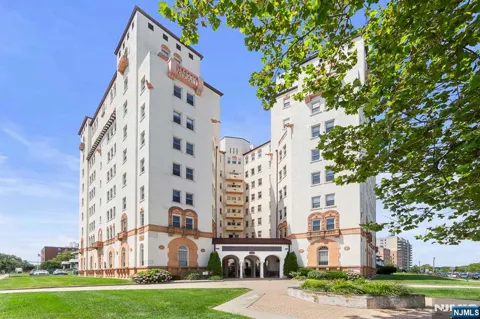
Asbury Park's housing market spans two eras. The city's historic residential streets, set back from the beach, hold Victorian-era homes, many restored, alongside multi-family houses and smaller cottages that reflect the town's resort and working-class past. Closer to the ocean and along the redeveloped corridors, newer condominium buildings and townhomes have risen as part of the city's revival, offering direct access to the boardwalk and beach. The market is compact and varied, with a genuine mix of older character homes, renovated properties, and new construction. As a small, dense shore city, Asbury Park offers urban-style living with beach access, and its appeal spans year-round residents, seasonal owners, and investors.
Asbury Park's compact grid divides loosely into the waterfront and the residential city behind it. Along Ocean Avenue, the boardwalk, beach, and historic structures — including Convention Hall and the Paramount Theatre — anchor the city's public face. Just inland, the downtown around Cookman Avenue concentrates restaurants, shops, and venues, while the surrounding residential blocks hold a mix of Victorian homes and multi-family houses. The northwest and southwest residential areas are more traditionally neighborhood-scaled, with churches, schools, and local streets. Throughout, the city's 1.4 square miles keep everything within walking distance, so neighborhoods blend into one another around the shared landmarks of beach, boardwalk, and downtown.
Asbury Park's lifestyle is defined by the beach and its creative energy. Summer brings concerts, boardwalk activity, and a beach culture that draws visitors from across the region, while the rest of the year retains a vibrant local scene built around music, dining, and the arts. Cookman Avenue and the surrounding downtown host independent restaurants, galleries, and shops, and the Stone Pony's presence keeps live music central to the city's identity. The community is known for being open and eclectic, with a strong civic and artistic streak. For residents, Asbury Park offers the rare combination of a genuine beach-town rhythm, an urban street life, and a celebrated cultural legacy.
Asbury Park's public schools are served by the Asbury Park School District, which operates the city's elementary, middle, and high schools. As a small, urban shore district, it anchors local civic life and serves a diverse student population. The city's music heritage has also extended into education, with organizations such as the TeachRock initiative partnering with Asbury Park schools to bring music-based curriculum to students — a direct link between the community's cultural identity and its classrooms. For families, the district's scale and the city's compact geography mean schools sit close to home, woven into the fabric of a town where arts and education share a long relationship.
Asbury Park is connected to the region by the Garden State Parkway and State Routes 35 and 71, which run along the shore, along with NJ Transit's North Jersey Coast Line rail service linking the city to New York and the rest of the state. The rail station sits near the center of the city, making Asbury Park one of the more transit-accessible shore communities, with direct train access for commuters and visitors. Local bus service and the boardwalk's pedestrian orientation round out the picture, with much of the city easily navigable on foot or by bike. This combination of rail, highway, and walkability supports the city's dual role as a residential community and a year-round destination.
The beach and boardwalk are Asbury Park's defining recreational assets, offering swimming, surfing, fishing, and miles of oceanfront walking in the heart of the city. The boardwalk hosts concerts, events, and a seasonal summer stage overlooking the water, while the surrounding parks and playgrounds serve the residential neighborhoods. Water sports, including surfing and paddleboarding, are popular along the shore, and the city's compact layout makes recreation an everyday part of life rather than a destination outing. Beyond the beach, the city's music venues, arts events, and the broader Jersey Shore coastline provide a depth of year-round activity unusual for a city of its size.
MARKET SNAPSHOT
How homes have been selling here over the last 90 days.
Market data reflects closed sales over the last 90 days and is provided for informational purposes.
BROWSE BY ZIP
Browse listings by postal code in this area.